The Fisheries Agency is planning to introduce a new system to strengthen measures against poaching sea cucumbers and abalone, which are sold at high prices as a luxury food item. It also aims to protect resources from being overfished and to ensure quality.
The agency plans to submit a related bill to the Diet by the end of this year at the earliest and aims to begin enforcing the law in earnest two years after it has been enacted.
Under the new system, fisheries cooperatives and other organizations are expected to issue certificates for catches and label fishery products with tags or marks. The product cannot be sold to processing companies among others if a certificate is not included, and a separate certificate that is required for exporting the product cannot be issued. As a result, the distribution of poached marine products can be prevented.
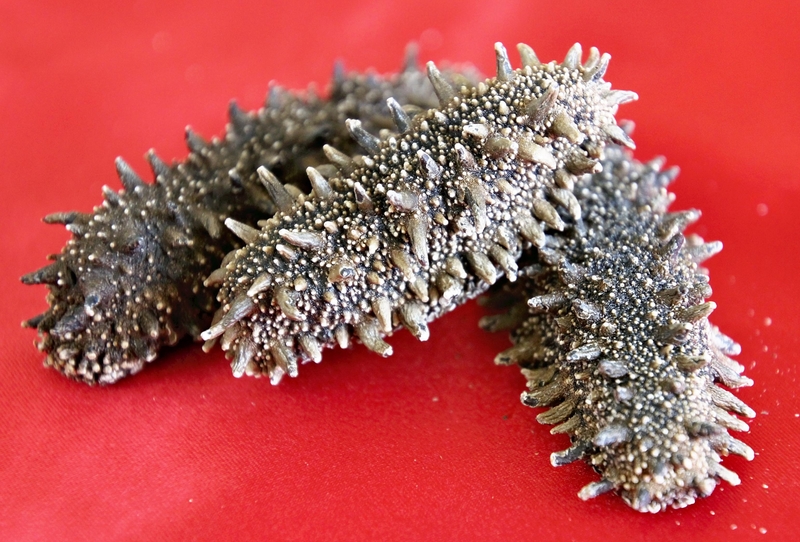
In China, dried sea cucumbers and abalones are thought to be on par with shark fins and swallow nests in terms of a delicacy. In particular, sea cucumbers -- known as "black diamond" -- are said to be illegally exported from Japan to China by brokers after poaching and sold for several hundred thousand yen per kilogram.
The number of poaching cases in Japan in 2018 was 1,484, up about 30% from 20 years ago. In these cases, the number of arrests of people other than fishermen, such as those related to crime syndicates, jumped about six-fold.
In April and May, more than 10 people were arrested in Hokkaido on suspicion of poaching about 930 kilograms of sea cucumbers.
"Even after surveillance cameras were installed at a fishing port, it is hard to crack down on poaching," a senior official of Kitarumoi Fishery Cooperative Association in Haboro, Hokkaido, said.
According to statistics from the Fisheries Agency, the amount of sea cucumbers caught decreased from 9,270 tons in 2004 to 6,500 tons in 2019, and the amount of abalone caught also decreased from 1,996 tons to 800 tons. It is believed that poaching, which ignores resource management, may have played a role in reducing these catches.
If the new system is introduced, it will increase the workload on fishermen and others in the industry as they will have to submit documents among other things.
"Removing illegally caught marine products from the marketplace will help fishery operators secure profits," a Fisheries Agency official said.
Read more from The Japan News at https://japannews.yomiuri.co.jp/