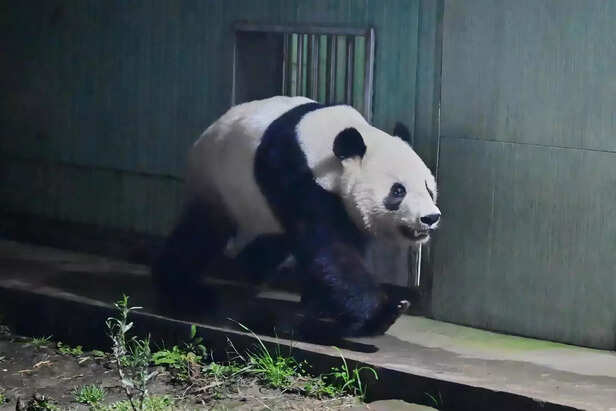
Japan has never lacked a single giant panda in the past 50 years and now this is what is happening as twin pandas Xiao Xiao and Lei Lei left Tokyo Ueno Zoo to go to China. Their repatriation that was initially planned due to international loan agreements has been accompanied by poor diplomatic relationships between Tokyo and Beijing that have made their farewell a cultural and a geopolitical novelty in East Asia.
The End of Panda Era in Japan
The pandas which were born in Tokyo at the Ueno Zoo and the favorite of all the visitors of all ages had become the culture icon of the people. Families had to wait hours to have a glimpse, social media was full of fan art and goodbye messages and souvenir shops were full of panda themed memento. Their emigration was not merely a matter of transfer of logistics but it seemed personal to the loss of a culture and their absence was such a personal loss.
Panda Diplomacy: More Than Cute Creatures
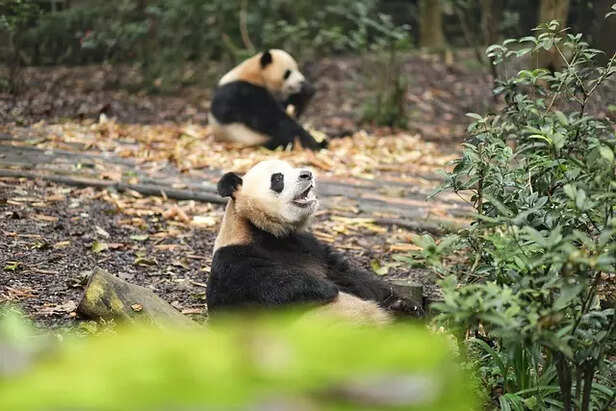
The giant panda has been an instrument of soft power in China and it has been a long term tool of panda diplomacy. Although the panda is technically lent to conservation and research, they are placed when there are warmer diplomatic relationships. They brought their first pandas into Japan in 1972 during the year when they normalized relations with China. The animals have since then become a symbol of cooperation, cultural exchange and goodwill making their existence quite political despite the soft hearted impression of the animals.
Tensions Behind the Timing
Their reappearance as pandas is in the context of tension between Sino and Japanese relations caused by conflicts over regional security, Taiwan, and even wider geopolitical interests. The public perception is more elaborate even though officials have highlighted that the move was planned contractually. Even such symbols as the presence or absence of pandas are examined in diplomatic tensions. Their exit has therefore been taken by many as a cooling off period in bilateral relations.
Public Emotion and Cultural Loss
During the days before the departure of the pandas, the Ueno Zoo became witness to emotional moments: visitors waving goodbye, notes written on pieces of glass enclosed in the cages, children holding the panda plush toys in their hands. In a nation where emotional connection and symbolism are held in high esteem, the farewell rang even more than politics. It brought up the issue of cultural diplomacy and its impact on the daily lives of people and how global conflicts may silently transform local one.
What This Means for Conservation and Diplomacy
Conservation wise, China possesses all giant panda across the globe and giving them back aids in centralized breeding. Despite this, conservation narratives are still connected to diplomacy. The shortage of pandas in Japan can affect zoo tourism and other cultural exchange programs as well as as signals of an intended or unintentional temporary cessation of soft power activities. It also depends not only on conservation requirements but on the political climate when Japan will either take new panda loans in future.
Celebrate the bond with your pets, explore Health & Nutrition, discover Breeds, master Training Tips, Behavior Decoder, and set out on exciting Travel Tails with Times Pets!