Japan’s space agency has successfully landed an experimental reusable rocket in a feat pioneered by SpaceX.
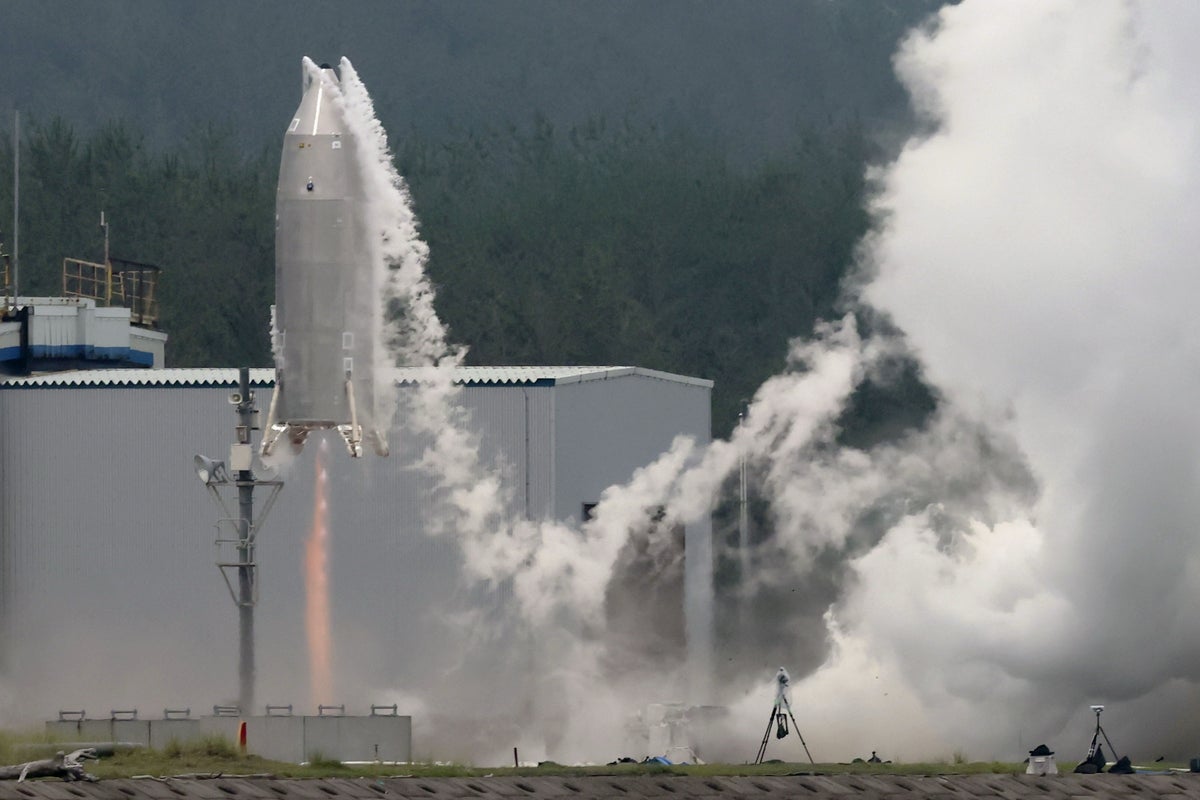
The Japan Aerospace Exploration Agency (JAXA) flew its Reusable Vehicle eXperiment (RV-X) rocket at its Noshiro Testing Center in northeastern Japan over the weekend, lifting it 11 metres off the ground before landing it in an upright position 16 metres away.
It is the first time the Japanese space agency has managed to successfully launch and land a rocket, marking a major milestone in the country’s space program.
JAXA is now planning to send its RV-X rocket to an altitude of around 100 metres before future orbital launches.
The latest test flight came just one day after China successfully landed a reusable rocket using a sea-borne net-capture system.
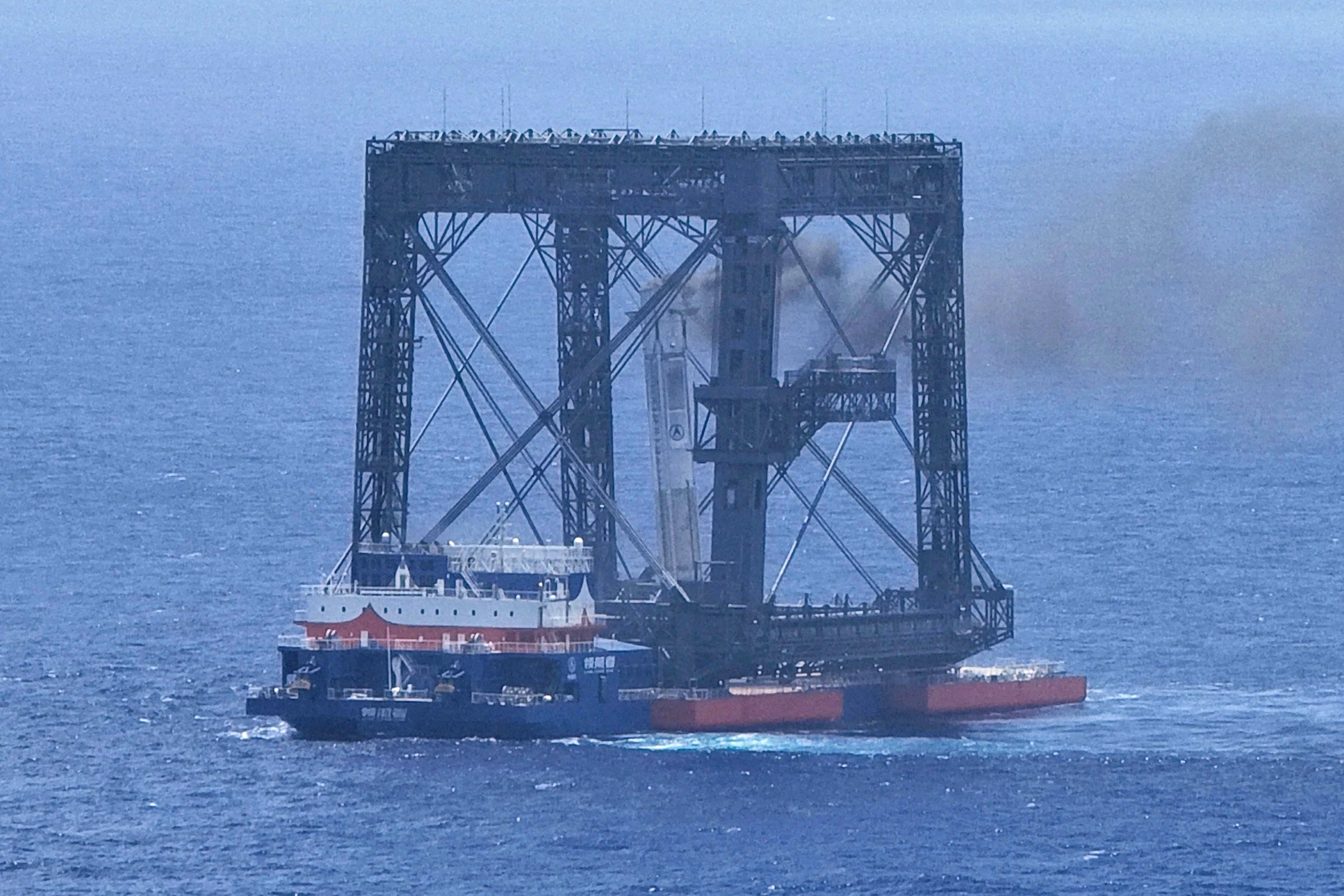
Unlike JAXA’s experimental rocket, the Long March 10B rocket was used for an actual mission to send a satellite into orbit.
“It signifies a historic breakthrough for my country in the field of reusable rocket technology and will lay a solid foundation for accelerating the improvement of my country’s space access capabilities,” China Aerospace Science and Technology Corporation said in a statement.
Reusable rockets mark a revolution in spaceflight, making access to space easier, cheaper, and more sustainable.
By recovering and flying the same booster, it slashes the cost of the most expensive part of a rocket launch and makes the process similar to how airlines operate.
SpaceX pioneered the technology through its Falcon 9 rockets, achieving the first successful orbital booster landing in 2015.
It has since performed landings with its Falcon Heavy and Starship Super Heavy booster rockets, though the Falcon 9 remains the workhorse with an average launch cadence of once every two days.
Earlier this month, SpaceX’s Falcon 9 booster B1067 completed a record-breaking 36th flight, which saw it lift off from Cape Canaveral Space Force Station in Florida before touching down on a drone ship in the Atlantic Ocean.