In a building near JR Mitaka Station, you can hear the pure, majestic tones of antique music boxes more than 100 years old, just as they sounded when they were made.
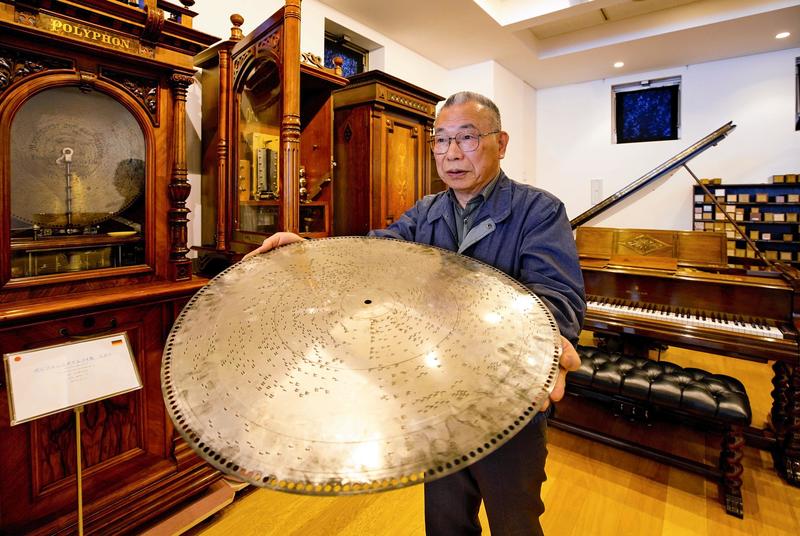
Katsumi Yoshino, 76, is the director of the Mitaka Music Box Museum. More than 20 years ago, he encountered an antique music box at an antiques shop and, beguiled by its beautiful tones, began collecting them.
Early music boxes, which emerged in the 18th century, were cylindrical. Pins embedded in the cylinder flicked steel teeth to create a tune. In the latter half of the 19th century, disk-type music boxes emerged, which used metal disks onto which a tune had been laid down.
At first glance, disk-type music boxes look like magnificent cabinets. The doors of the wooden cases -- taller than a grown person -- open to a disk about 60 centimeters in diameter within. Most have one tune on one disk, but many tunes can be easily played by changing the disk. As a result, these music boxes were often placed in public spaces, such as hotel lobbies and eating and drinking establishments, making them precursors of the jukebox.
Yoshino put an old coin into a German-made music box from the end of the 19th century, setting a disk into place that played the Irish folk song "The Last Rose of Summer," which was familiar in Japan as "Niwa no Chigusa."
When I expressed surprise at the deep, splendid tones of the music, Yoshino showed me another disk-type music box that was created in the same period. It was a Swiss piece called a "mirror console" and produces heavy bass sounds through thick teeth.
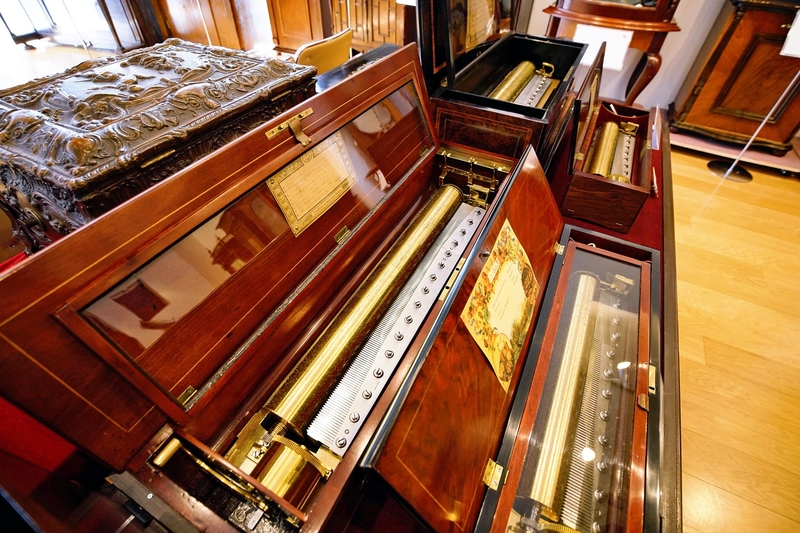
"I'm addicted to this sound," said a smiling Yoshino. "This is my most favorite music box."
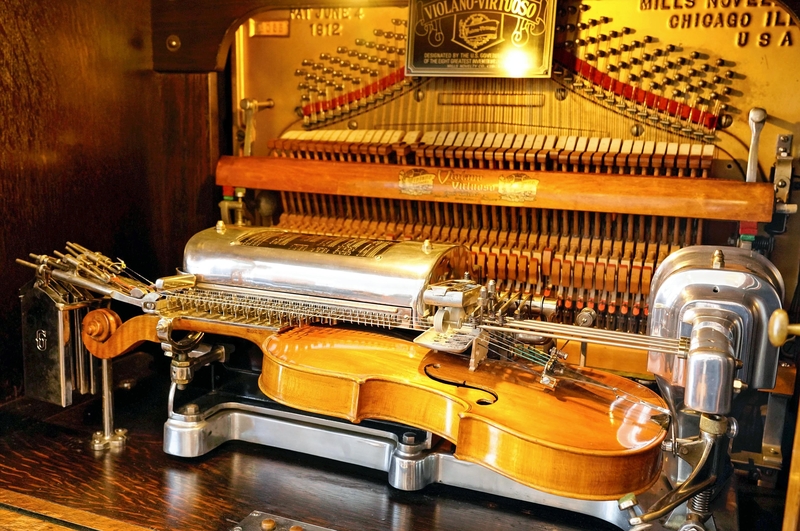
Children who visit the museum are fond of the automatons. Made in France, a clown and an aristocratic lady who both write letters in time to the music flank a sad, third person in the love triangle from whom the clown and lady are concealing their thoughts. The aristocratic lady is a fine piece that actually writes on the paper.
"Music boxes are full of the automatons," Yoshino said. "Busy grownups are soothed by their tones, and I hope they can be an opportunity for kids to take an interest in things like music and science."
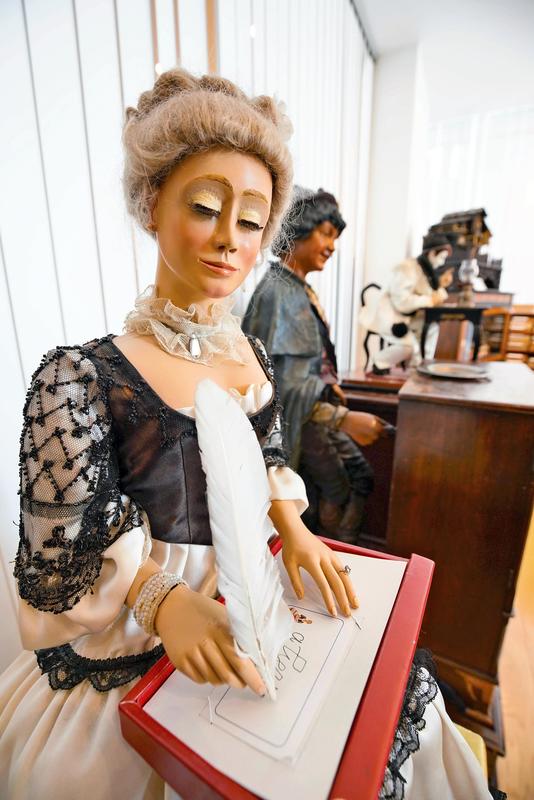
-- Mitaka Music Box Museum
Opened in April 2014, the museum features about 40 exhibits, including antique music boxes and automatic musical instruments of European and U.S. manufacture from about 1820 to the 1920s. Museum staff introduce the items and operate them. Reservations are not necessary.
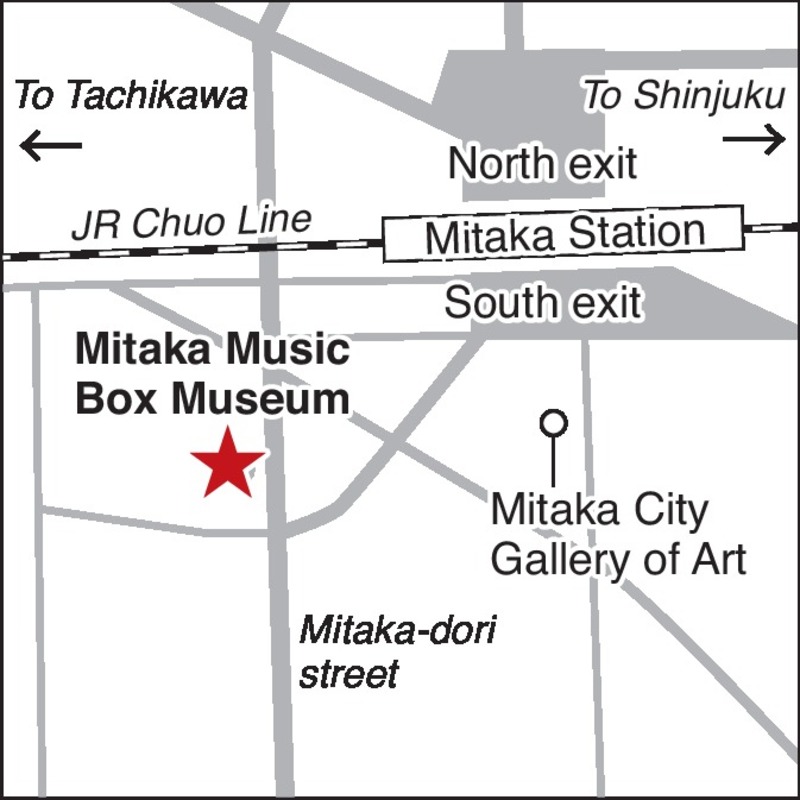
The museum is about a 3-minute walk from Mitaka Station on the JR Chuo Line.
Address: 2-2-5, Polyphony Mitaka Bldg. 3F, Kamirenjaku, Mitaka, Tokyo
Open: 10:45 a.m. to 6 p.m. (last entry 5 p.m.). Closed on Tuesdays and Wednesdays.
Admission: 800 yen for high school students and older, 400 yen for junior high and elementary school students. Free for all others.
Information: (0422) 26-8121
Read more from The Japan News at https://japannews.yomiuri.co.jp/