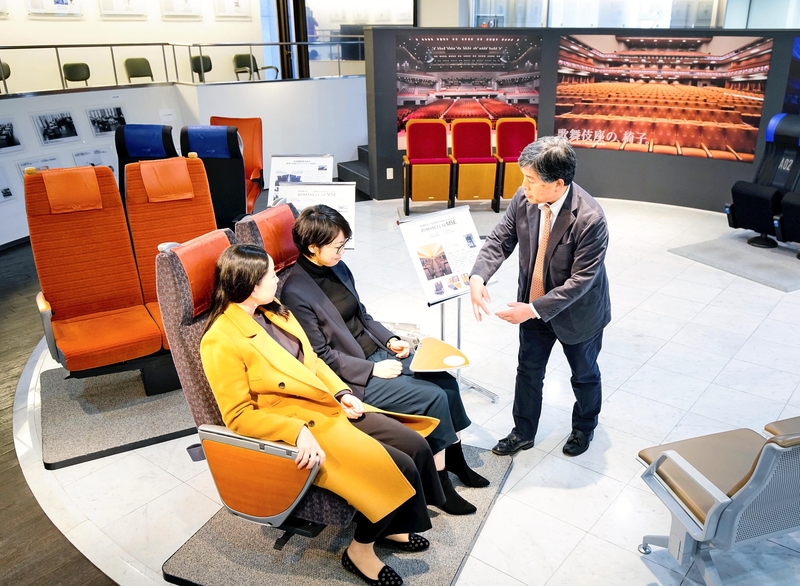
Chairs change with the times and the working environment.
This evolution can be readily understood when visiting the Okamura Chair Museum in Chiyoda Ward, Tokyo. The museum, which is operated by Yokohama-based office furniture giant Okamura Corp., inspires visitors to consider many questions they would otherwise overlook, such as the number of hours we sit in chairs at work each day.
Depending on what you do, you could spend more than half of your day sitting. Nevertheless, we may not think about the chairs we use and whether they fit us well.
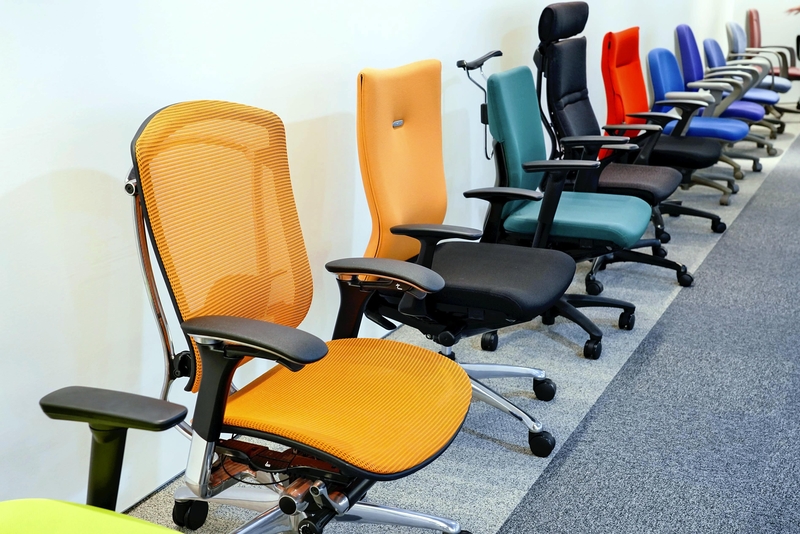
About 40 chairs are on display in the exhibition area on the eighth floor, ranging from those sold in the 1950s, when Okamura was still a young company, to the latest models. Visitors can even sit in them.
Model 2218 from 1958 is considered an early prototype of an office chair and is still used at elementary schools and elsewhere.
It is flanked by a chair with armrests for corporate executives. Back in the day, armrests were not necessarily intended to support one's arms and were more of a corporate status symbol.
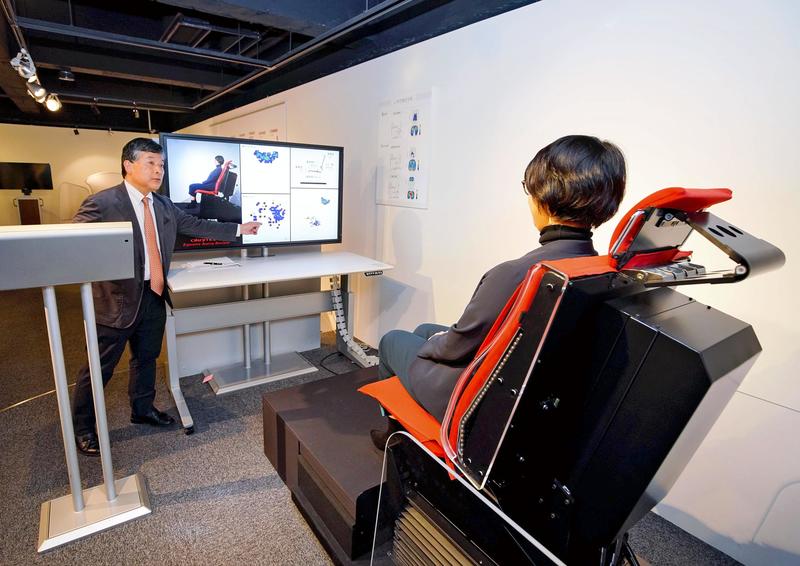
In the 1960s, Okamura started making chairs with brilliant colors such as blue and green, while the number of chair legs increased from four to five in the 1980s to provide more support. As computers became more common at offices in the 1990s, the company introduced more stable backrests and raised the height of armrests. It also added mesh coverings with better ventilation and improved its designs.
"The history of chairs reflects the evolution of workstyles," said Masanobu Tabe, 61, who is in charge of the museum.
According to Tabe, workplaces in the postwar era were considered "adequate if they had desks and chairs." In 1986, however, the International Trade and Industry Ministry -- the predecessor of the Economy, Trade and Industry Ministry -- introduced an initiative that called for offices to be made more comfortable. As a result, workplace environments improved.
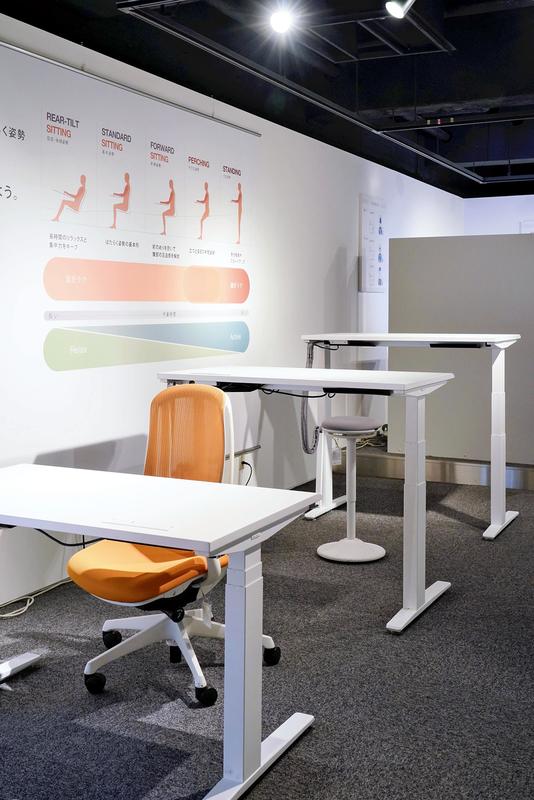
The quality of office furniture subsequently improved. In recent years, for example, an increasing number of corporations have adopted "semistanding-position chairs," which allow users to adopt a posture halfway between sitting and standing. The chairs are intended to help employees to more easily express their opinions at meetings and reduce working hours.
What is the ideal posture when sitting in a chair? Adjust the seat of your chair so that your knees form a right angle when sitting and the soles of your feet remain flat even if you move your legs back and forth. Your butt should push up against the backrest, and your back should be straight so as to minimize pressure on your lower back and shoulders.
-- Okamura Chair Museum
The nine-floor museum opened in 2009 with the aim of educating visitors on the history of postwar domestic industries and manufacturing. Its seventh to ninth floors feature an array of main exhibits. A theater at the museum screens a 20-minute video that briefly explains the history of Okamura and chairs.
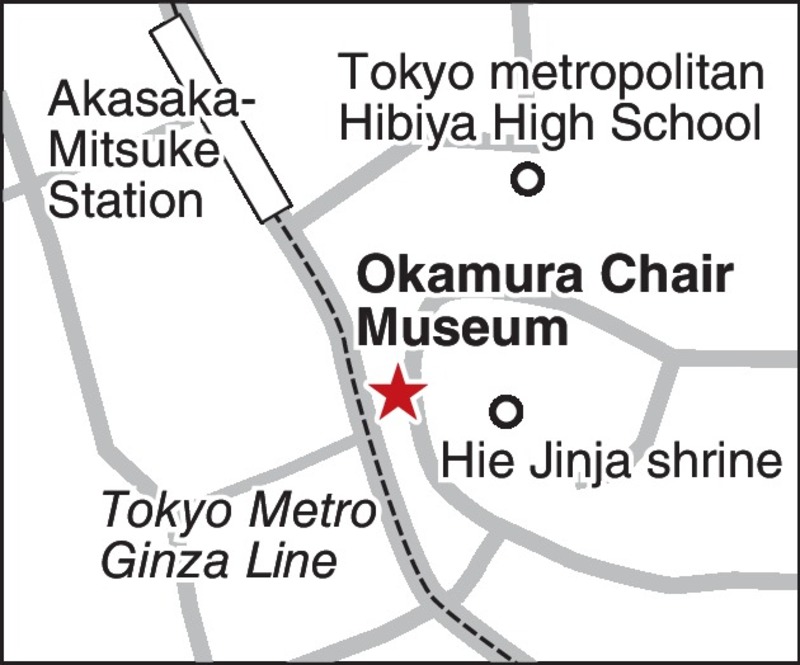
Visitors must make reservations ahead of time by phone. The museum is a five-minute walk from Akasaka-Mitsuke Station on the Tokyo Metro Ginza and Marunouchi lines.
Address: 2-13-2 Nagatacho, Chiyoda Ward, Tokyo
Open: 9 a.m. to 5 p.m. on weekdays. Closed on Saturdays, Sundays and national holidays
Admission: Free
Information: (03) 3593-6195
Read more from The Japan News at https://japannews.yomiuri.co.jp/