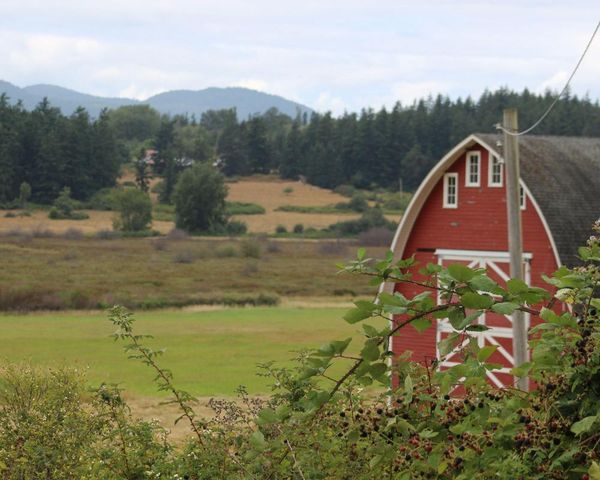
In the Sanrizuka area in Narita, Chiba Prefecture, where Narita Airport is now located, the Shimousa Imperial Stock Farm produced agricultural and livestock products for the Imperial family.
Until 1969, when the stock farm was relocated to Tochigi Prefecture to construct the airport, the Imperial farm played a leading role in modernizing Japan's agricultural and livestock industries.
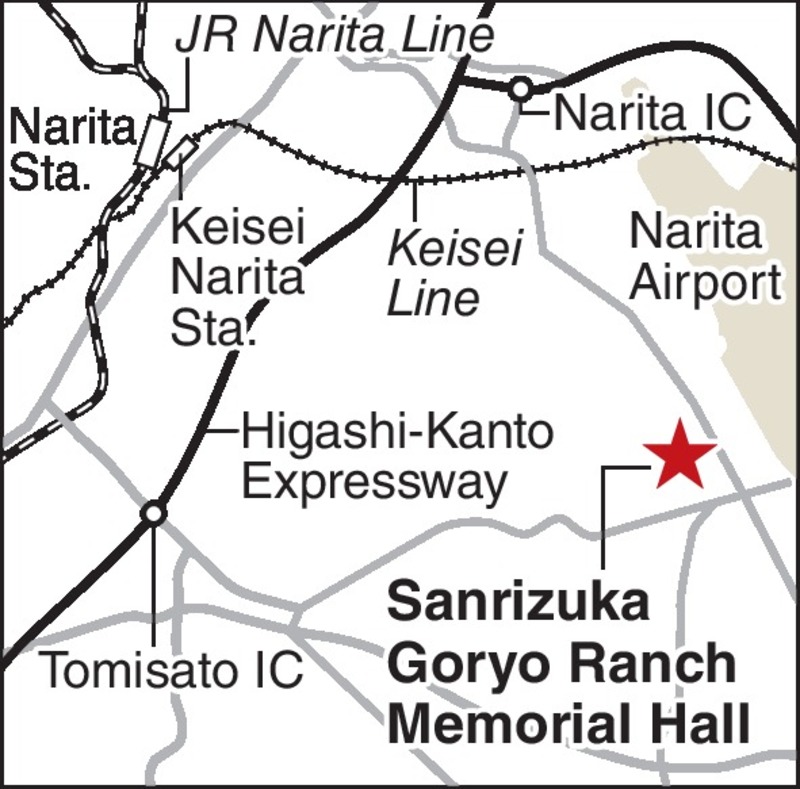
To hand records of the Imperial farm's achievements down to future generations, the Narita city government opened the Sanrizuka Goryo Ranch Memorial Hall in October 1981 in the Sanrizuka area, where the office of the farm was located.
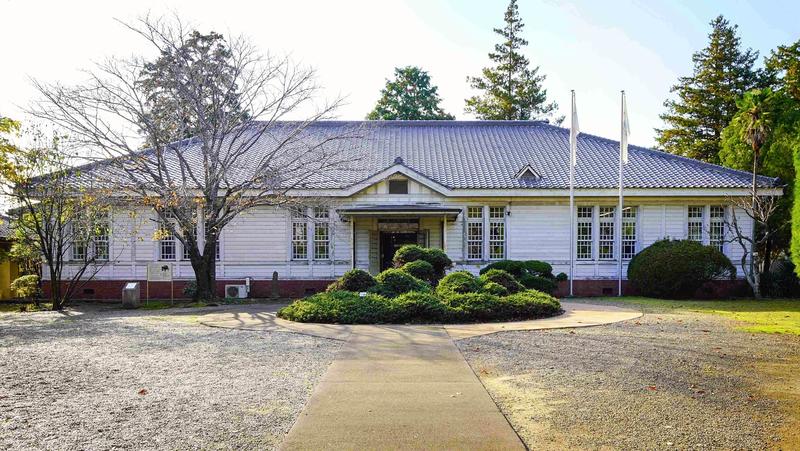
In one corner of the memorial hall, visitors can compare the size of the Imperial farm just before the relocation and that of the airport. Visitors might be surprised to learn how large the farm was.
Although the Imperial farm had been downsized, its size at the time was still about 440 hectares, with more than two-thirds of the land becoming part of the airport.
In the Hokuso region, including Narita, vast grass pastures spread out in the Edo period (1603-1867). The region was a ranch under the direct jurisdiction of the Tokugawa shogunate, which bred horses there.
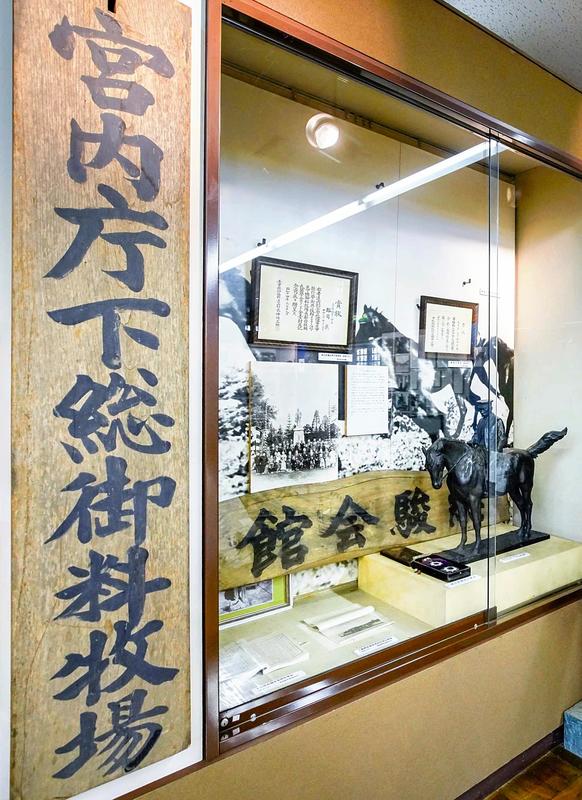
The memorial hall exhibits such items as haniwa clay figures of horses dating back to the Kofun period (ca 300-ca 710) and tools owned by wealthy local farmers who were entrusted with the care of the horses. The items that were excavated in the city indicate that the region had been deeply related to horses since ancient times.
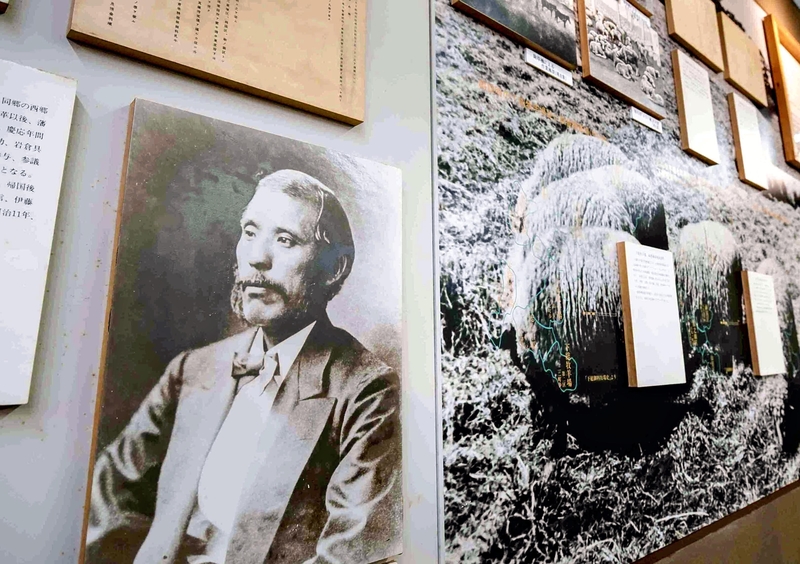
The Meiji government aimed for the development of agricultural and livestock industries. In 1875, Toshimichi Okubo, one of the leaders in the government, played a leading role in opening a sheep range and livestock breeding station in the region, which were predecessors of the Imperial farm.
In those years, it was an urgent task to raise the nation's domestic production of sheep wool and make breeding improvements for military horses and cattle as livestock.
It was also necessary to realize the modern cultivation of vegetables and grains so that crops would increase.
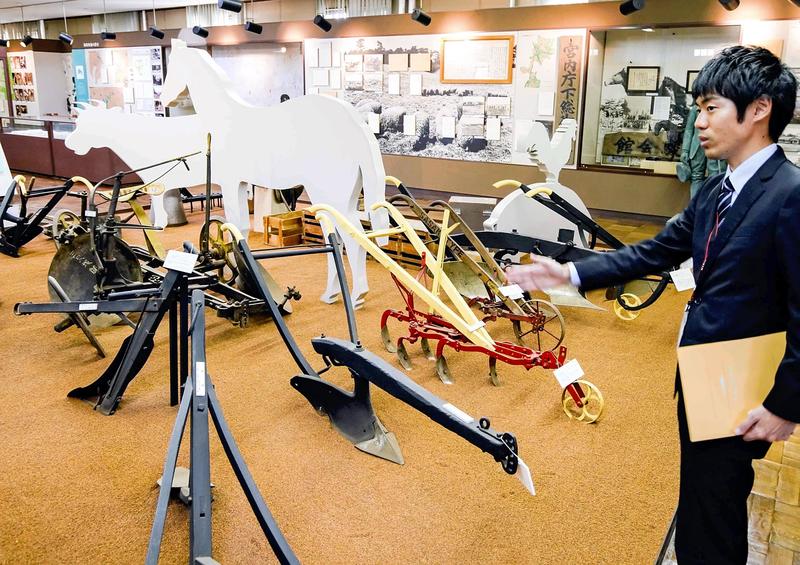
The memorial hall also exhibits large steel farming machines imported from the United States and European countries and documents that the Meiji government sent to foreign engineers. The items indicate that the Meiji government had tried to introduce advanced technologies in those years in both the fields of materials and human resources.
Japan's first school of veterinary science was also established at the Imperial farm, with education on the medical treatment of livestock and dairy science carried out at the school.
A monument to commemorate the start of Japan's history of the practical education of veterinary science is located in front of the memorial hall.
Other exhibited items relate to the Imperial family, including a horse cart on which officials rode when they accompanied Imperial family members who visited the farm.
The Shimousa Imperial Stock Farm was not exclusive to the Imperial family, but also a site for studies and experiments of advanced agricultural and livestock-breeding technologies -- with the latter seen as being more important.
Ryo Ide, 27, an official of the Narita city government's lifelong learning affairs section, said, "We want people to know that various challenges were made to modernize the nation's livestock industry in Narita."
-- Sanrizuka Goryo Ranch Memorial Hall
About 100,000 cherry trees were planted at the Shimousa Imperial Stock Farm when it existed. It was familiar to the public as a ranch full of cherry flowers and horses. It was opened to the general public in spring when cherry blossom festivals were held, and a large number of people visited the farm to enjoy the flowers. At Sanrizuka Memorial Park, where the memorial hall is located, there are about 40 cherry trees, which evoke the memories and images of the Imperial farm.
Address: 1-34 Sanrizukagoryo, Narita, Chiba Prefecture
Open: 9 a.m. to 4:30 p.m. Closed on Mondays and year-end and New Year holidays.
Admission: Free
Information: (0476) 35-0442
Read more from The Japan News at https://japannews.yomiuri.co.jp/


.png?w=600)