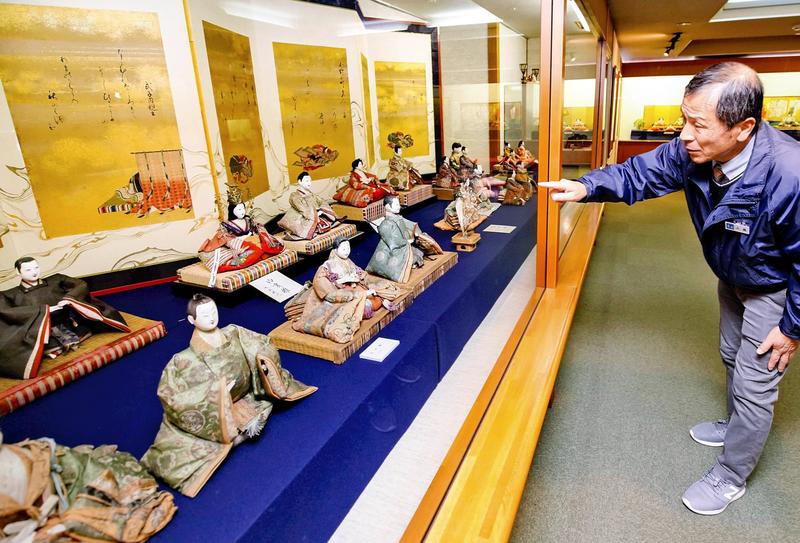
SAITAMA -- Each year, ahead of the doll festival in March, a lively atmosphere fills the streets of Iwatsuki Ward, Saitama city. Events and exhibitions allow visitors to explore the roots of the festival, and the many doll shops lining the streets offer a beguiling range of hina dolls -- traditional figurines resembling Imperial household members that are the festival's main feature.
One pillar of the town's doll culture is the Togyoku Doll Museum, operated by venerable doll shop Togyoku. The museum is located in front of Iwatsuki Station on the Tobu Noda Line.
Step inside the doll repository and the first thing that comes into view is a sign explaining the term "gosekku," or five "sekku" -- the days in the lunar calendar year when seasonal changes are said to occur. Japanese people have traditionally held great respect for the sekku, making offerings to gods at such times to ward off sickness. The doll festival, called hinamatsuri in Japanese, is celebrated on the sekku that falls on March 3.
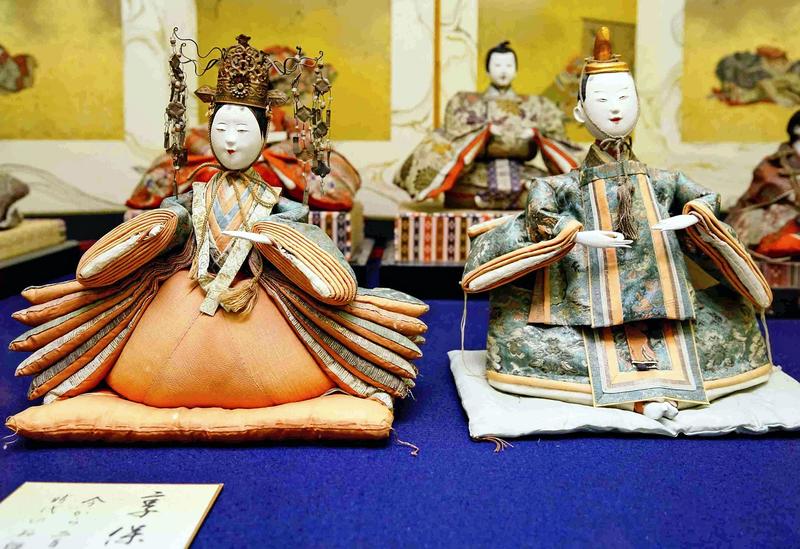
Hina dolls are said to have their origins in the dolls that young princesses of the Imperial household played with during the Heian period (794-late 12th century). Records also show that dolls were used as a kind of body double to protect young girls from misfortune.
The largest display case in the museum contains a huge number of hina dolls. Some feature eyes drawn on by brush, while others have eyes made of glass.
Among the museum's treasures are hina dolls from the Edo period (1603-1867) called Kyohobina -- which were made to resemble the emperors and empresses of China's Tang dynasty and became very popular among aristocrats -- as well as those from the late Edo period, when doll craftsmen began vying with each other to develop the most sophisticated techniques.
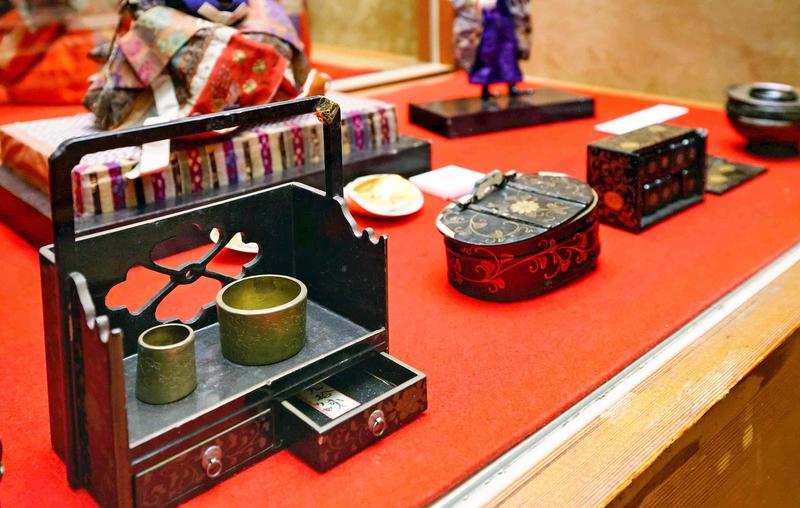
The dolls' features and ornamentation differ depending on when they were created. They give an indication of the particular fashions that were popular in a certain age as well as people's changing tastes.
The museum also explains why Iwatsuki has so many doll shops. One reason dates back to the mid-Edo period, when a sculptor of Buddhist statues fell ill and began convalescing in Iwatsuki. After he recovered, he made a doll's head by gluing together powder from paulownia wood left over from manufacturing a chest of drawers. This technique for making doll heads was passed down through the generations and became a major industry in Iwatsuki.
"I hope people will think about the care and affection put into hina dolls as well as the meaning of 'sekku,'" said Kazutoshi Oshima, 62, the museum's director.
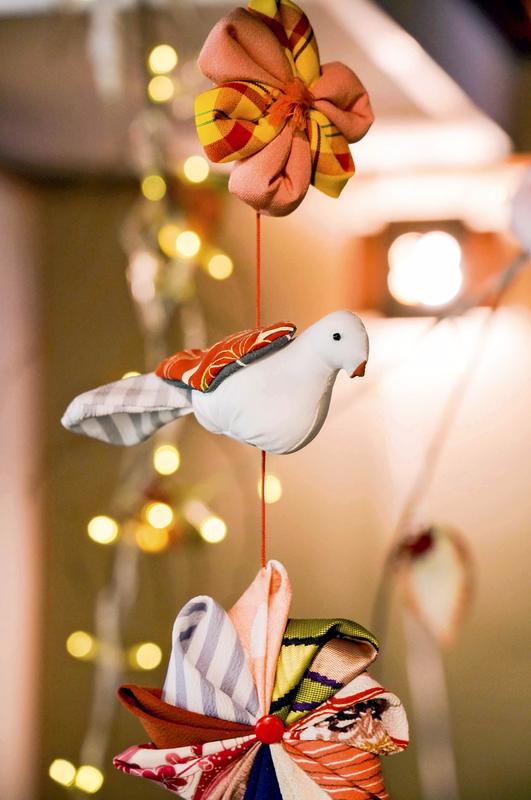
A new doll museum will open in central Iwatsuki next year, to serve as a repository of the town's doll culture. It will be called Saitama-shi Iwatsuki Ningyo Hakubutsukan (Saitama-city Iwatsuki doll museum).
"We've been awaiting its opening for many years," Oshima said. "W hope it will develop in harmony with our museum."
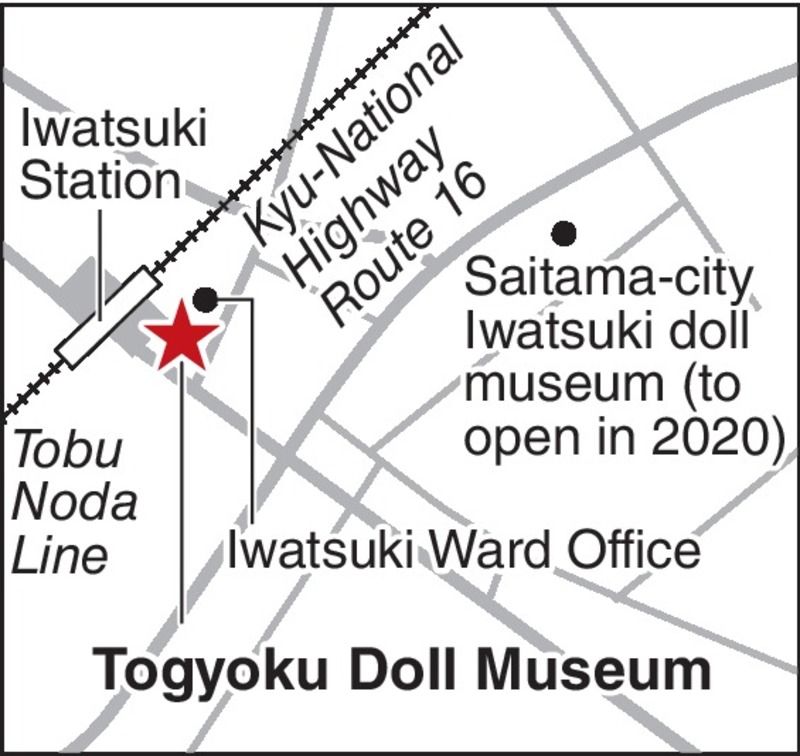
-- Togyoku Doll Museum
The museum opened in April 1988 on the fourth floor of the Togyoku building in Iwatsuki Ward, Saitama city.
Address: 3-2-32, Honcho, Iwatsuki Ward, Saitama
Open: 10 a.m. to 5 p.m. Closed on Mondays from May to September, as well as the year-end and New Year's holidays.
Admission: 100 yen for adults, free for elementary school students and younger
Information: (048) 756-1111
Read more from The Japan News at https://japannews.yomiuri.co.jp/