Japan has downgraded its tsunami warnings to advisories but the public are still advised to stay away from coastal areas.
Tsunami warnings had been issued for most of Japan’s eastern coastline after a major 7.5-magnitude earthquake in the Pacific Ocean.
The Japan Meteorological Agency warned of an imminent tsunami up to 3 metres in height for parts of Hokkaido, Aomori and Iwate prefectures.
However, on Monday afternoon, the Agency said that all warnings had been downgraded to advisory meaning a likelihood of waves of up to one metre. Emergency app alert NERV still advised people to stay away from coastal areas despite the change.
The earthquake had an epicentre in the Pacific Ocean and was 10 km deep, according to the JMA. The earthquake struck off the Sanriku coast at 4.53pm local time, with its epicentre located around 100km east of the coastal city of Miyako in Iwate prefecture.
The first tsunami waves have begun reaching Iwate prefecture, with a wave of up to 40 cm recorded at Miyako port. A tsunami has been detected about 50km off the coast of Aomori, in northern Japan’s main island, according to the public broadcaster NHK.
Key Points
- Tsunami warnings issued after major earthquake strikes off Japan
- 3 metre tsunami warning issued after earthquake in northeastern Japan
- Mapped: Tsunami warnings issued in these areas of Japan
- Japan PM Takaichi announces emergency task force
No abnormalities observed at Japan nuclear facilities after earthquake, IAEA says
15:55 , Maira ButtThe International Atomic Energy Agency (IAEA) said on Monday that there have been no abnormalities observed at Japan's nuclear facilities as of 8.16am GMT following a 7.7 magnitude earthquake earlier in the day.
One in 100 chance of second major earthquake
15:35 , Maira ButtThe Japanese Meteorological Agency has said that the possibility of another large earthquake is “relatively high” hours after a 7.5 magnitude quake took place earlier on Monday.
The probability of a larger earthquake off the coasts of Hokkaido and Sanriku is around one per cent, which is ten times higher than the usual risk in normal conditions
Watch: Boats leave Hokkaido port after Japan earthquake triggers tsunami warning
15:15 , Maira ButtOver 156,000 people evacuated
14:55 , Maira ButtOver 156,000 people have been evacuated after the government had earlier issued tsunami warnings and told to evacuate across five prefectures.
It is unclear what the downgrade in warning means for those evacuated.
'The building started swaying' says tourist in Japan
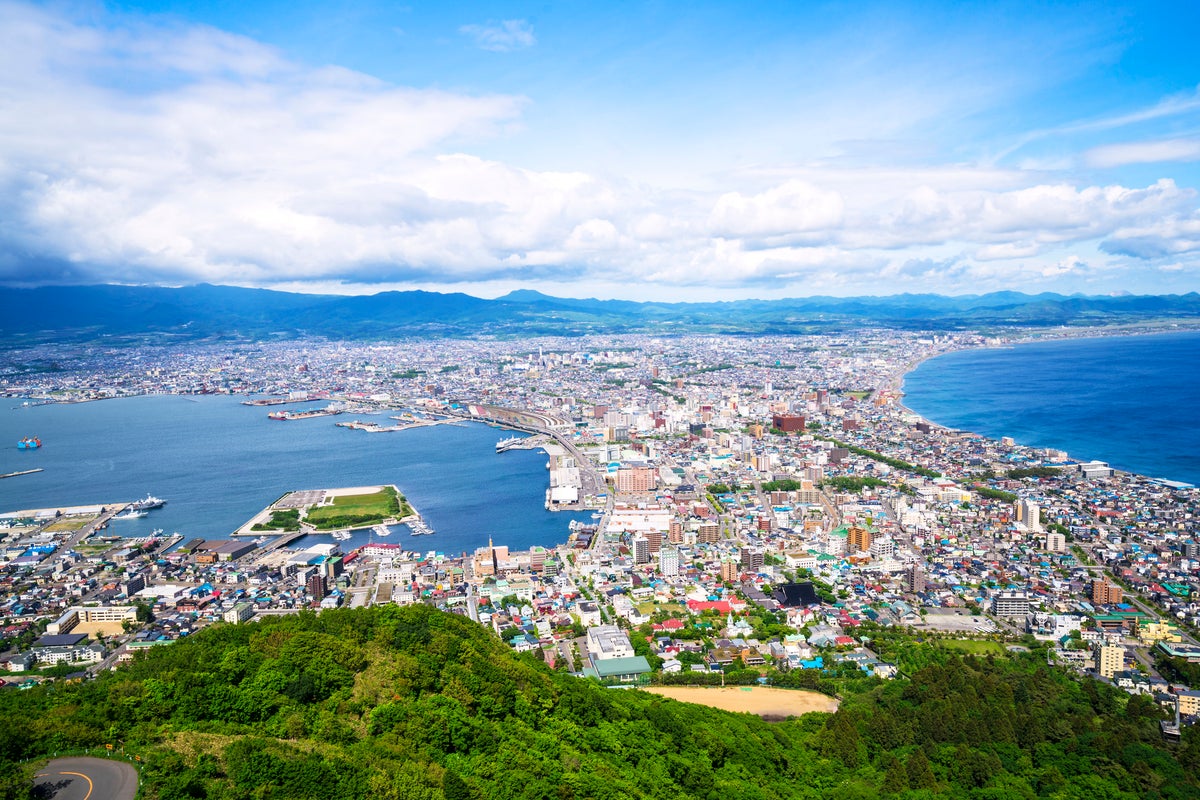
14:35 , Maira ButtBritish tourists in Japan have recalled living through the earthquake while waiting in their hotel in Hakodate.
“All of a sudden, the building started swaying and everyone's phones sounded the emergency alarm alerting to an earthquake, then about 30 seconds later, a warning for the tsunami,” David Park from Leeds told the BBC.
“The shaking lasted for a good 20 to 30 seconds - it was really surreal feeling the floors and walls move and seeing the lights and plants sway around.”
Watch Japan’s coastline as 7.5-magnitude earthquake triggers tsunami warnings
14:15 , Maira ButtIs it safe to travel to Japan? Latest tsunami travel advice
13:55 , Maira ButtFollowing a 7.5-magnitude earthquake in the Pacific Ocean, tsunami warnings on Japan's eastern coastline have caused concern.
Tsunami warnings for waves up to three metres high have been issued following the major earthquake in northeastern Japan.
The Japan Meteorological Agency has forecast imminent tsunami waves for parts of Hokkaido, Aomori and Iwate prefectures.
Here is the latest travel advice for Japan, plus all the key questions and answers, as the first tsunami waves are recorded in Iwate prefecture.
Natalie Wilson reports:
Map: Public advised to stay away from coastal areas despite downgraded alert
13:35 , Maira ButtJapan tsunami warning downgraded to advisory only
13:24 , Maira ButtJapan has downgraded its tsunami warnings to advisories but residents are still advised to stay away from the coast.
A tsunami warning indicates waves of two or three metres while an advisory predicts waves of around one metre.
But emergency app alert NERV advises people to stay away from coastal areas.
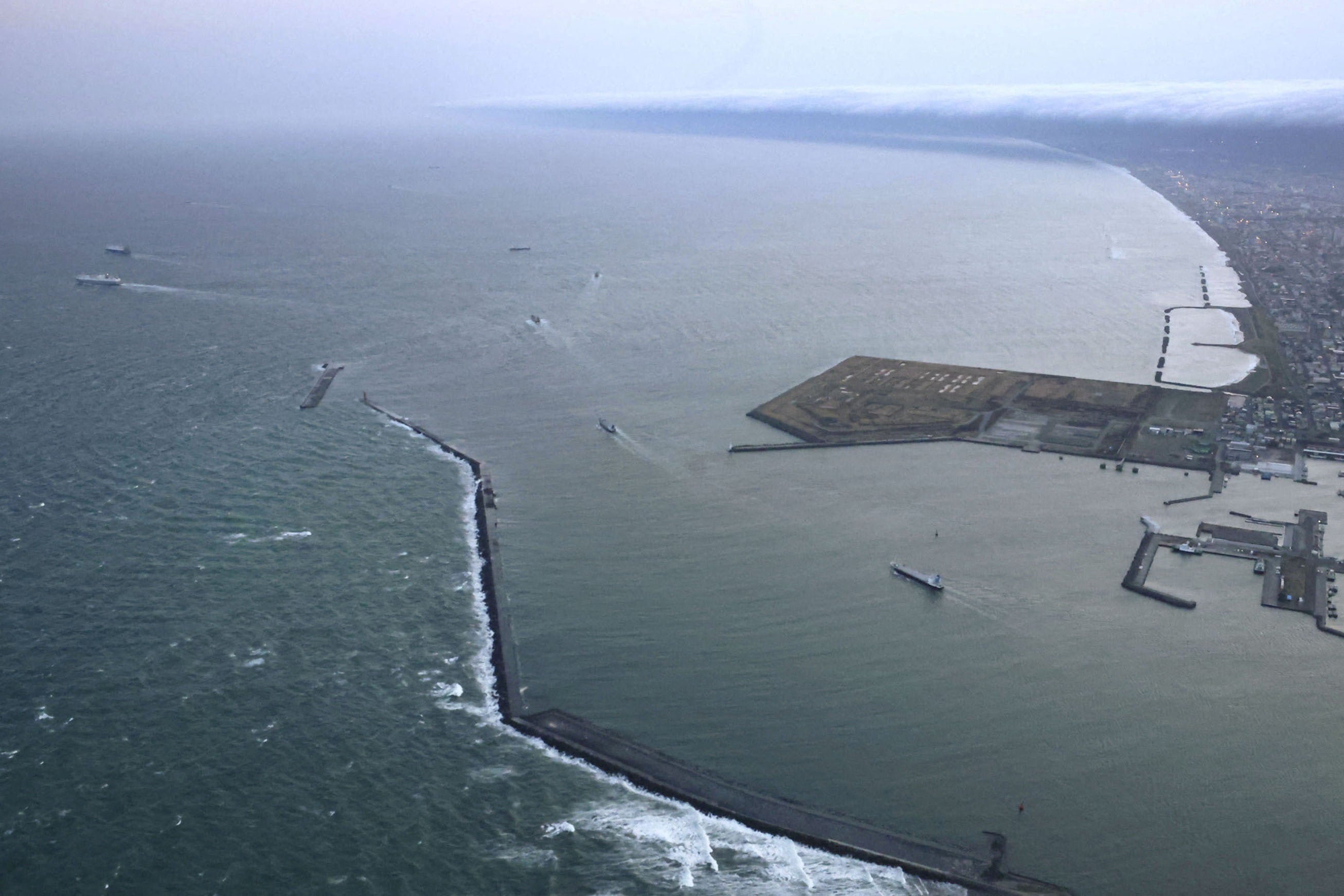
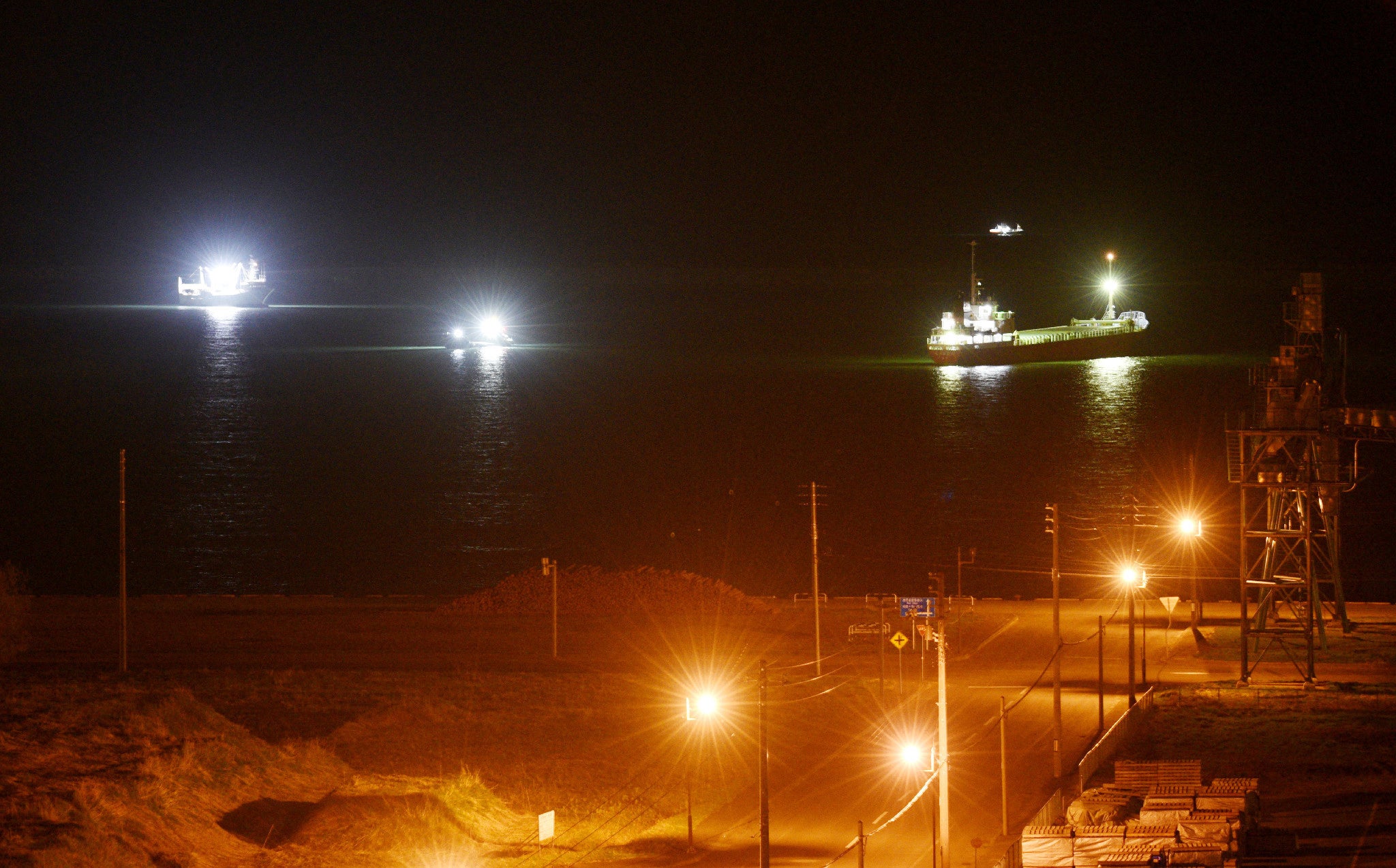
In pictures: The coastline of Tomakomai, Hokkaido Prefecture, Japan, after a tsunami advisory was issued following an earthquake
13:10 , Maira Butt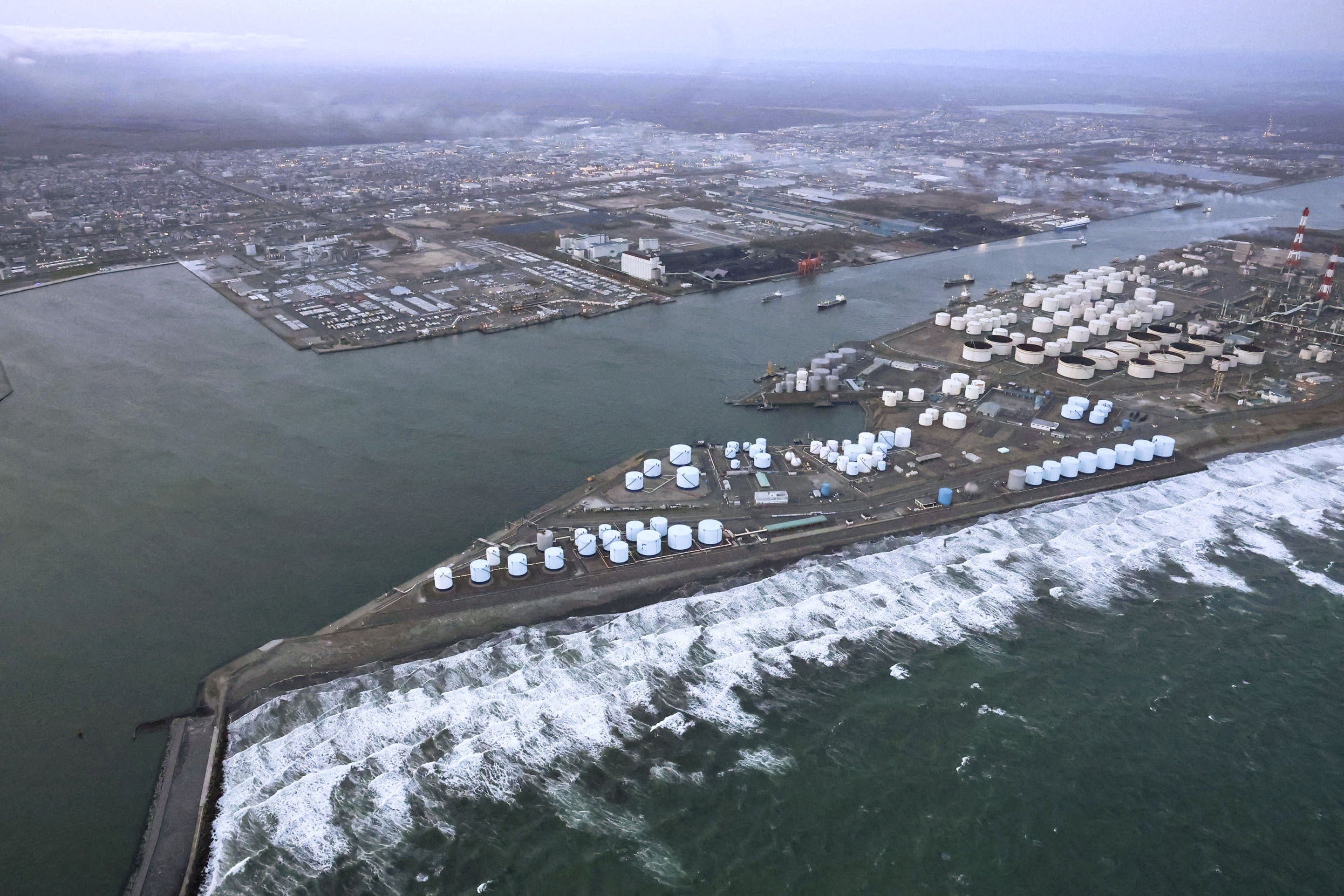
Residents told to seek shelter on higher ground
12:49 , Maira ButtResidents of areas subject to tsunami warnings have been asked to immediately move away from the coast and rivers and take shelter on higher ground, according to Japan's weather agency.
The regions with the highest-level warnings are Iwate and central Hokkaido, though tsunami alerts are in place for most of Japan's eastern coastline.
Watch: Japan's prime minister orders evacuations after major 7.5-magnitude quake
12:30 , Arpan RaiJapan says mega-quake can hit northern coast in the next week
12:22 , Arpan RaiOfficials in Japan have issued an advisory for northern coastal areas for an increased risk of a possible mega-quake induced by a major quake earlier in the day.
The Cabinet Office and the Japan Meteorological Agency said there is 1 per cent chance for a mega-quake occurring on the northern Japanese coast in the next week or so following the powerful quake earlier Monday near the Chishima trough.
Officials said the advisory is not a quake prediction but urged residents to raise their preparedness, such as emergency food and their grab bag just in case, while continuing their daily lives.
The advisory for the region is the second in recent months. One was issued following another major quake in December. No major subsequent quake occurred.
In photos: Japan residents prepare for tsunami warnings
12:04 , Arpan Rai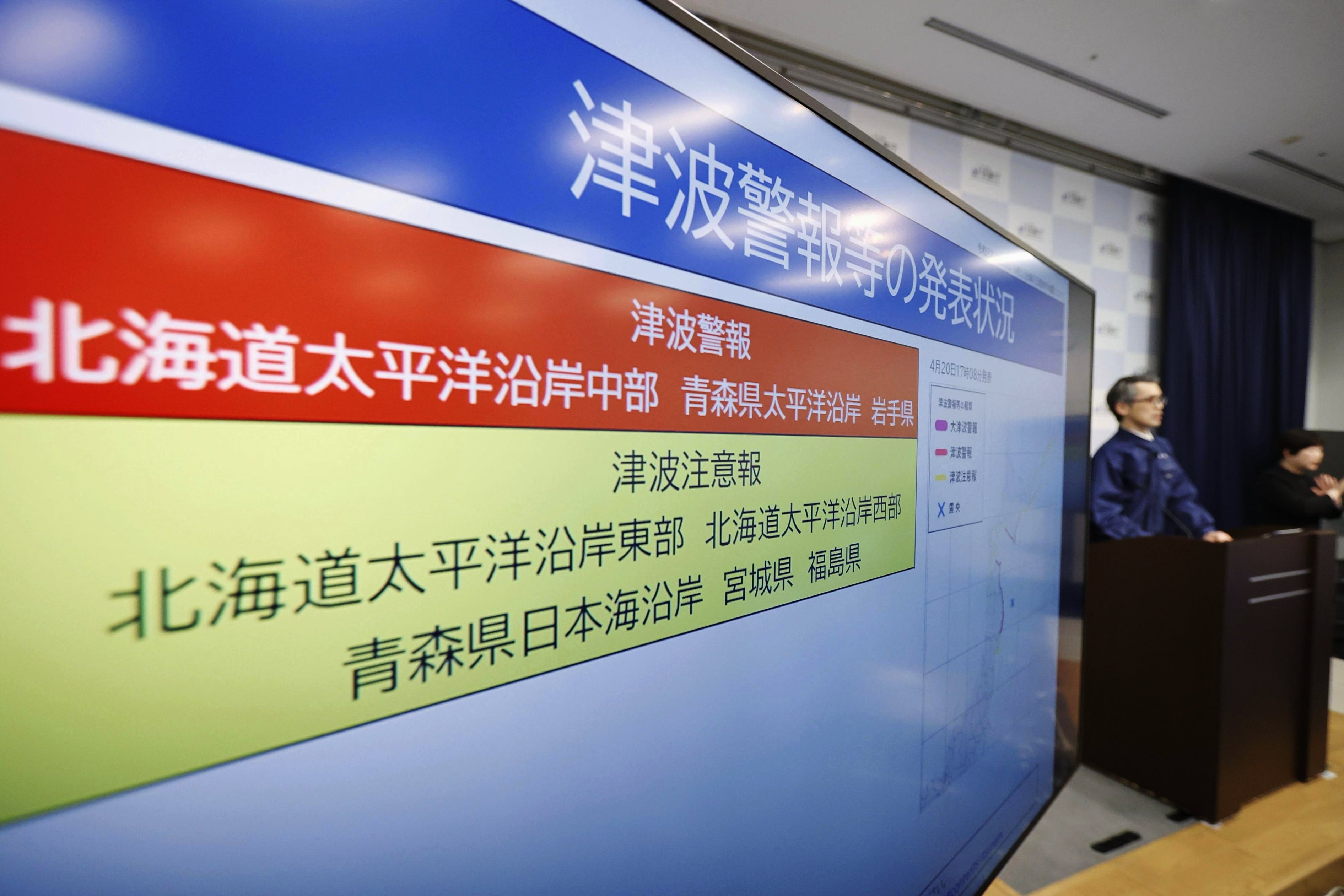
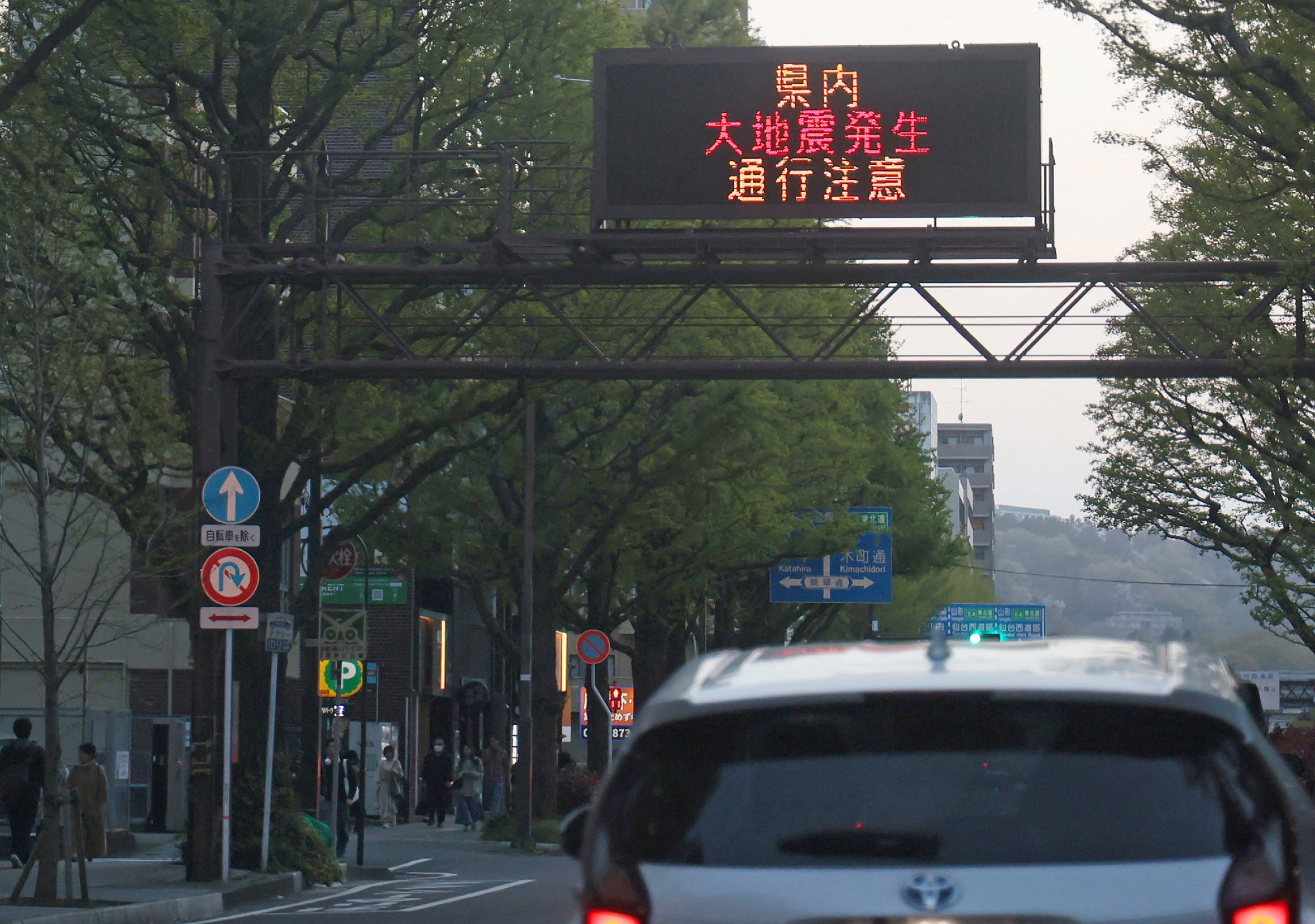
Pacific Center lifts tsunami alert even as warnings remain in place in Japan
11:52 , Arpan RaiAs of 7.44pm, the tsunami alert and advisories were still in place in Japan, with warnings of a wave of up to 3 metres (10 feet).
However, the Pacific Tsunami Warning Center said the tsunami threat from the quake "has now passed."
The tsunami centre monitors the threat of major waves in countries across the Pacific Basin as well as to Hawaii and all other US interests in the Pacific outside of Alaska and the US West Coast.
Evacuation advisories issued to 128,000 people across four regions
11:29 , Arpan RaiPeople nearest the earthquake epicentre are being urged to move to higher ground, tsunami warnings still in place.
Iwate and three other northern prefectures have issued non-binding evacuation advisories to more than 128,000 residents, according to the Fire and Disaster Management Agency.
The agency said officials are assessing the situation but so far no damage or injuries have been reported, including at power stations and other facilities.
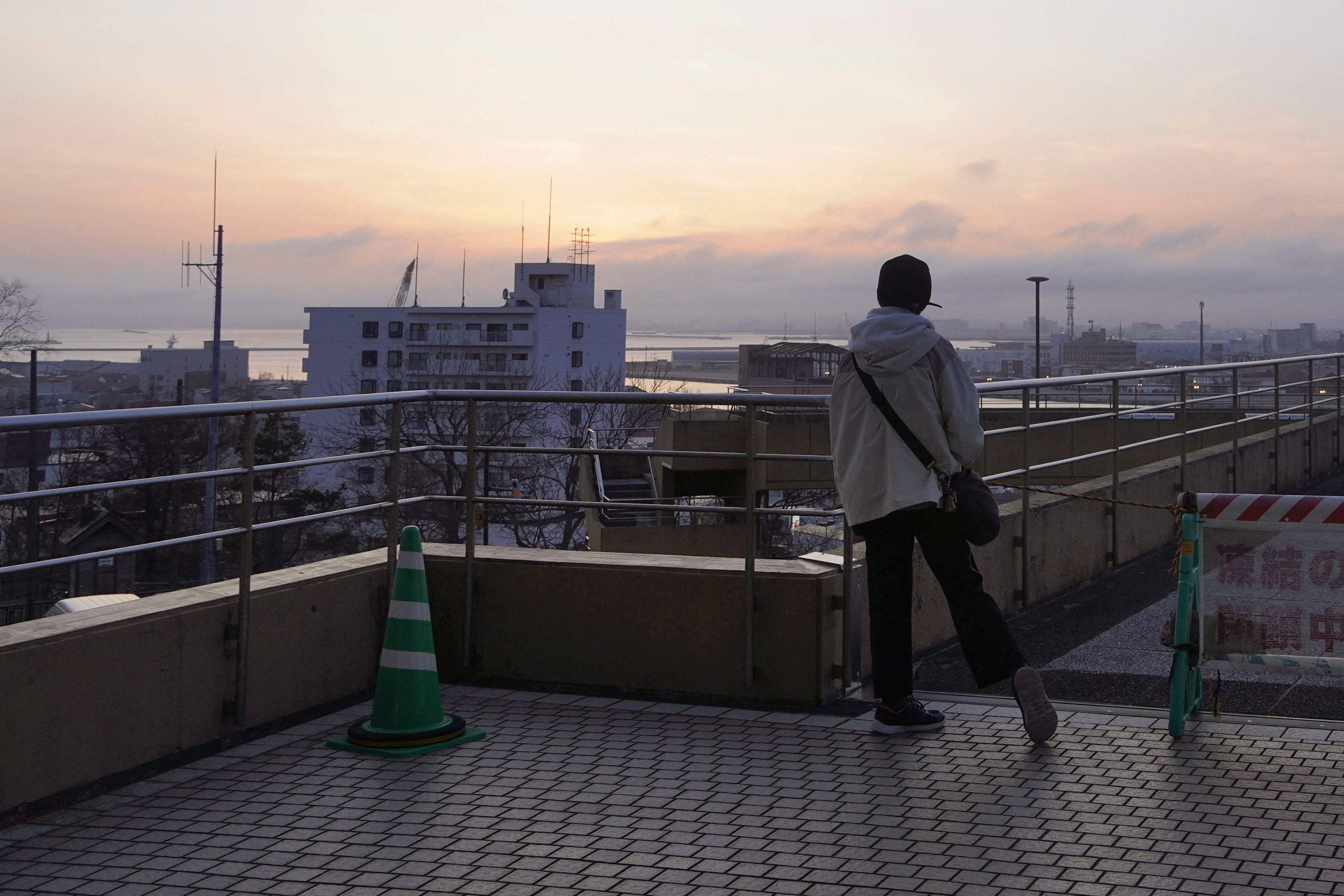
Warning issued for bigger tsunami waves in Japan
11:19 , Arpan RaiJapan's Meteorological Agency has warned that a bigger tsunami may hit after the first wave.
In the hour following the earthquake, which struck at 4.52pm (0752 GMT), tsunami waves as high as 80 cm had been detected, while warnings remained for waves as high as 3 metres.
The agency had earlier issued tsunami warnings in parts of Hokkaido and Iwate prefectures.
Mapped: A look at tsunami warnings in place after 7.5 earthquake
11:10 , Arpan RaiIs it safe to travel to Japan? Latest tsunami travel advice
11:00 , Arpan RaiIs it safe to travel to Japan?
As of Monday morning, the UK Foreign Office (FCDO) has not issued any new travel advice for Japan.
General FCDO safety advice for Japan warns that the country sits “in a major earthquake zone”.
Travellers are told to “take note of instructions in hotel rooms and at train stations and follow the advice of local authorities” in the event of a disaster.
Earthquake, tsunami and aftershock warnings can be monitored on the Japan Meteorological Agency website.
Air travel in northern Japan not impacted after 7.5 earthquake
10:56 , Arpan RaiThe operators of two airports closest to the earthquake epicentre – Shin-chitose and Sendai – said they were operating normally.
The status update was issued on Monday evening around an hour after the 7.5-magnitude earthquake 100km off the coast, saying their operations had not been affected.
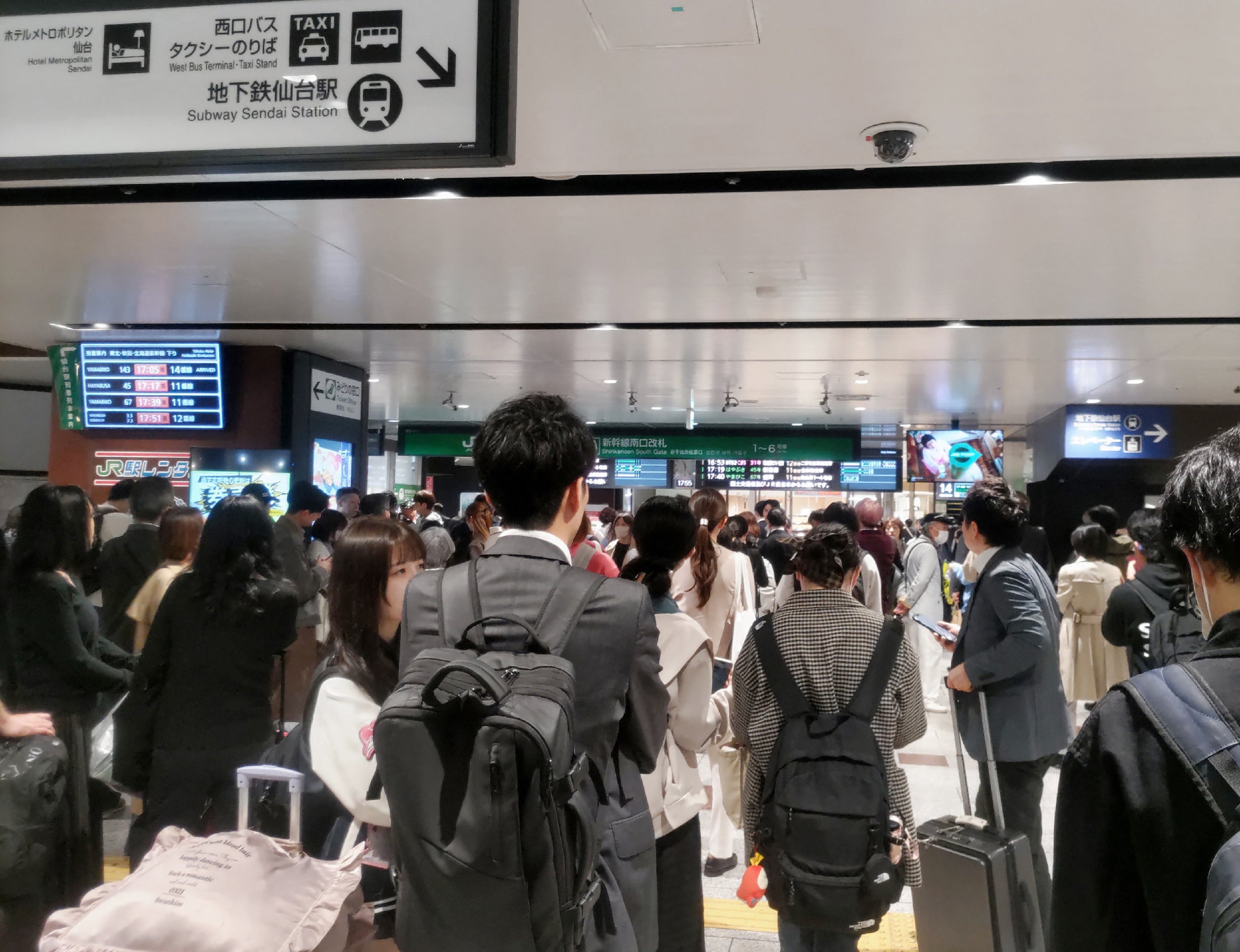
Watch live from Japan as 7.5-magnitude earthquake triggers tsunami warnings
10:54 , Arpan Rai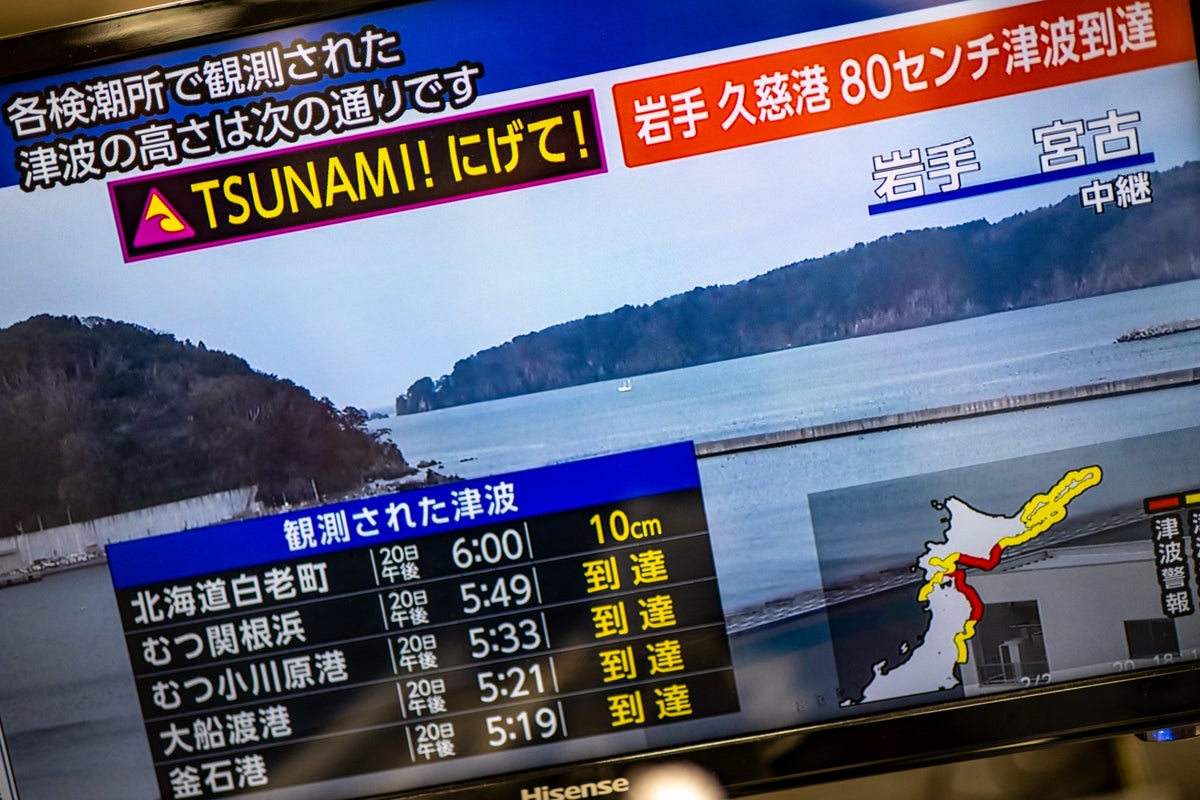
Watch live from Japan as 7.5-magnitude earthquake triggers tsunami warnings
No change in radiation or abnormality recorded at Fukushima plants, officials say
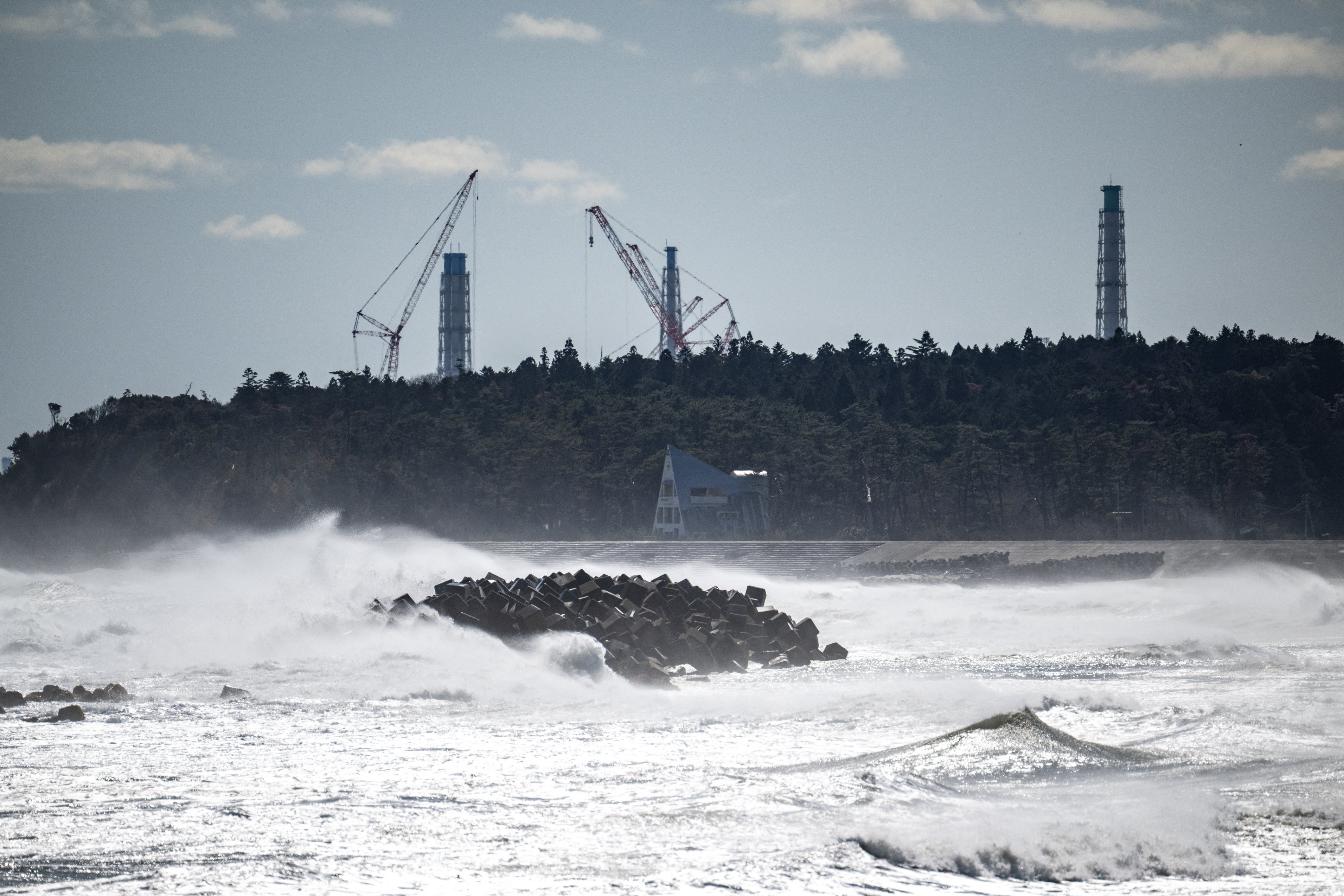
10:49 , Arpan RaiThe Tokyo Electric Power Company has confirmed there are no abnormalities at its Fukushima Daiichi and Fukushima Daini nuclear plants after a major earthquake rocked the country’s northeastern coast.
There's been no change in radiation levels around the sites, the operator said.
In northern areas, the Tohoku Electric Power Company said no abnormalities have been seen so far at either its Higashidori nuclear power plant in Aomori prefecture or its Onagawa plant in Miyagi prefecture.
A recyclable-fuel storage company also said no abnormalities were seen at the interim storage facility for spent nuclear fuel in Aomori prefecture.
Watch: Japan's prime minister orders evacuations after major 7.5-magnitude quake
10:47 , Arpan RaiResidents told to seek shelter on higher ground
10:41 , Arpan RaiResidents of areas subject to tsunami warnings have been asked to immediately move away from the coast and rivers and take shelter on higher ground, according to Japan's weather agency.
The regions with the highest-level warnings are Iwate and central Hokkaido, though tsunami alerts are in place for most of Japan's eastern coastline.
Japanese PM says 'human and material damage' reported
10:25 , Arpan RaiThe major earthquake in Japan has caused damage, prime minister Sanae Takaichi said.
"At this time, we have received a report that 'human and material damage is currently being confirmed', but from now on, we will receive detailed reports and address the disaster response,” she said.
PM Takaichi has set up an emergency task force to deal with the earthquake.

First tsunami waves hit Japan's northeastern coast
10:22 , Arpan RaiA tsunami of about 80 centimetres (2.6 feet) has been detected at Kuji port in Iwate prefecture, and a smaller tsunami of 40 centimetres (1.3 feet) was recorded at Miyako port in the same prefecture, the agency said.
Earlier, the authorities had identified Iwate as the area likely to be hit by the largest tsunamis, warning locals to expect incoming waves of up to 3 metres.
Why does Japan face frequent earthquakes?
10:15 , Arpan RaiJapan is positioned along the infamous “Pacific Ring of Fire” where the Pacific, North American, Eurasian, and Filipino tectonic plates converge. The constant shifting of the four plates leads to frequent earthquakes in the East Asian country, some of which can be devastating.
However, Japan is also known for its world-leading earthquake preparedness, with resilient building structures adhering to strict regulations and regular earthquake drills in schools.
What is an 'upper 5' earthquake? Falling furniture, difficulty in walking
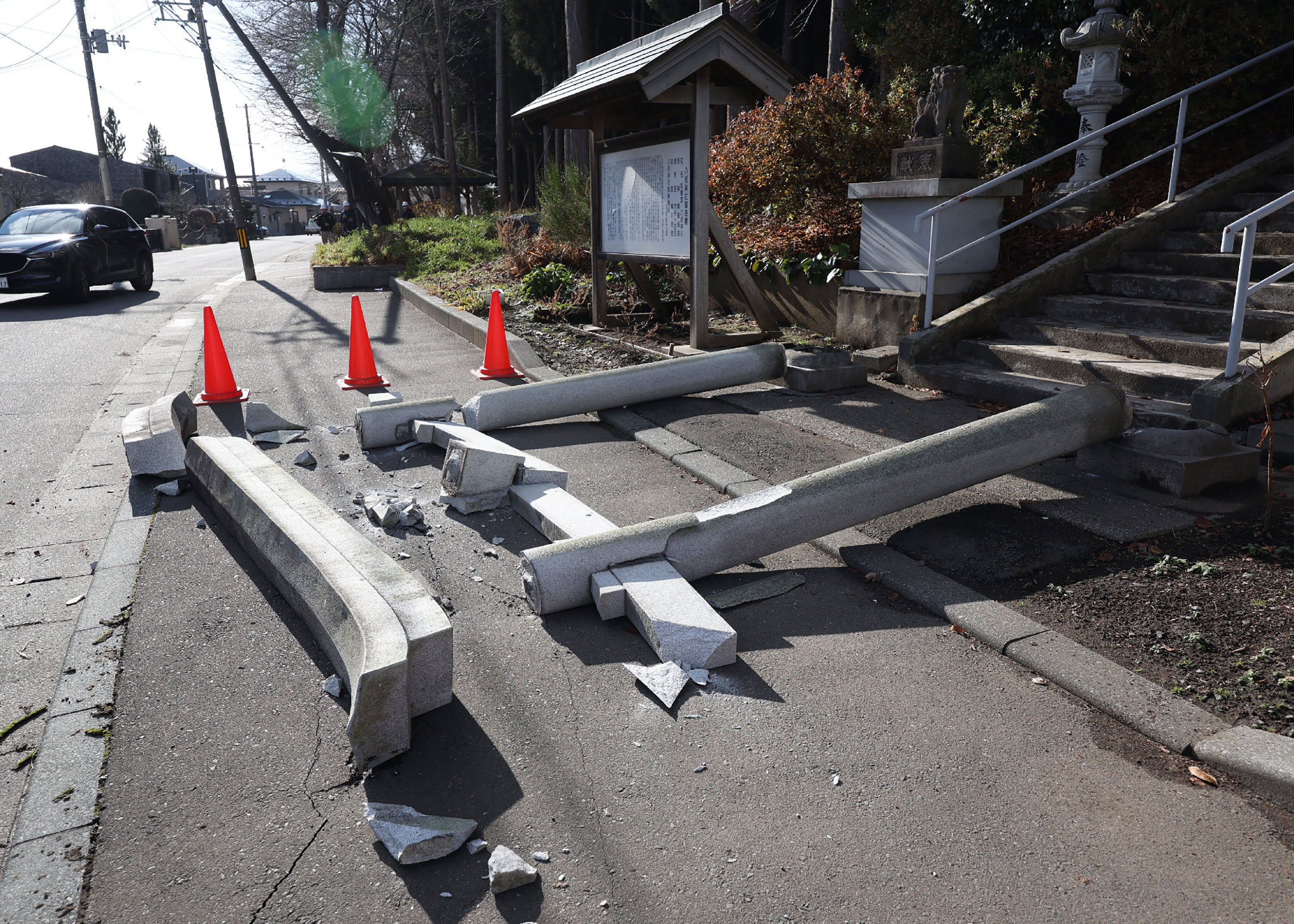
09:57 , Arpan RaiThe seismic intensity of Monday afternoon's earthquake was recorded as an "upper 5" on Japan’s seismic scale in some places.
According to the scale, upper 5 indicates that “most people find it difficult to walk without holding on to a stable object” and that “unfixed furniture may fall over”.
The upper 5 was recorded in Aomori prefecture on Japan’s seismic intensity scale, and lower 5 levels were recorded in Iwate and Miyagi prefectures.
Japan uses a special shindo scale to describe how strongly the ground shakes during an earthquake. It goes from 0 to 7 and reflects the actual impact felt at a location, unlike magnitude which measures the earthquake’s overall energy at its source.
2011 tsunami following 9.0 magnitude earthquake led to 22,000 deaths
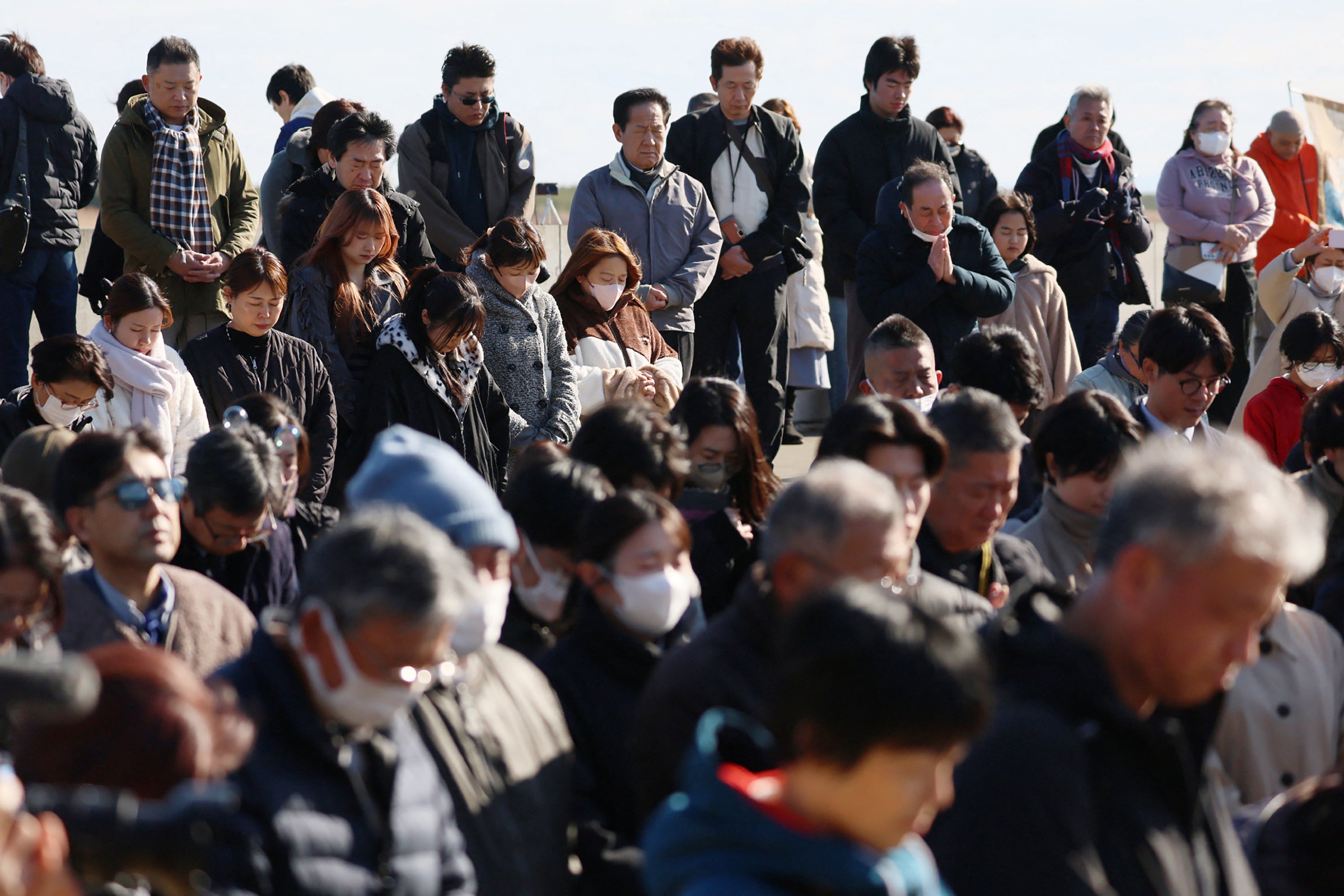
09:49 , Arpan RaiIt's 15 years since a magnitude 9.0 earthquake and tsunami on March 11, 2011, ravaged parts of northern Japan, caused more than 22,000 deaths and forced nearly half a million people to flee their homes, most of them due to tsunami damage.
Some 160,000 people fled their homes in Fukushima because of the radiation spewed from the tsunami-hit Fukushima Daiichi nuclear power plant.
About 26,000 of them haven't returned because they resettled elsewhere, their hometowns remain off-limits or they have lingering concerns about radiation.
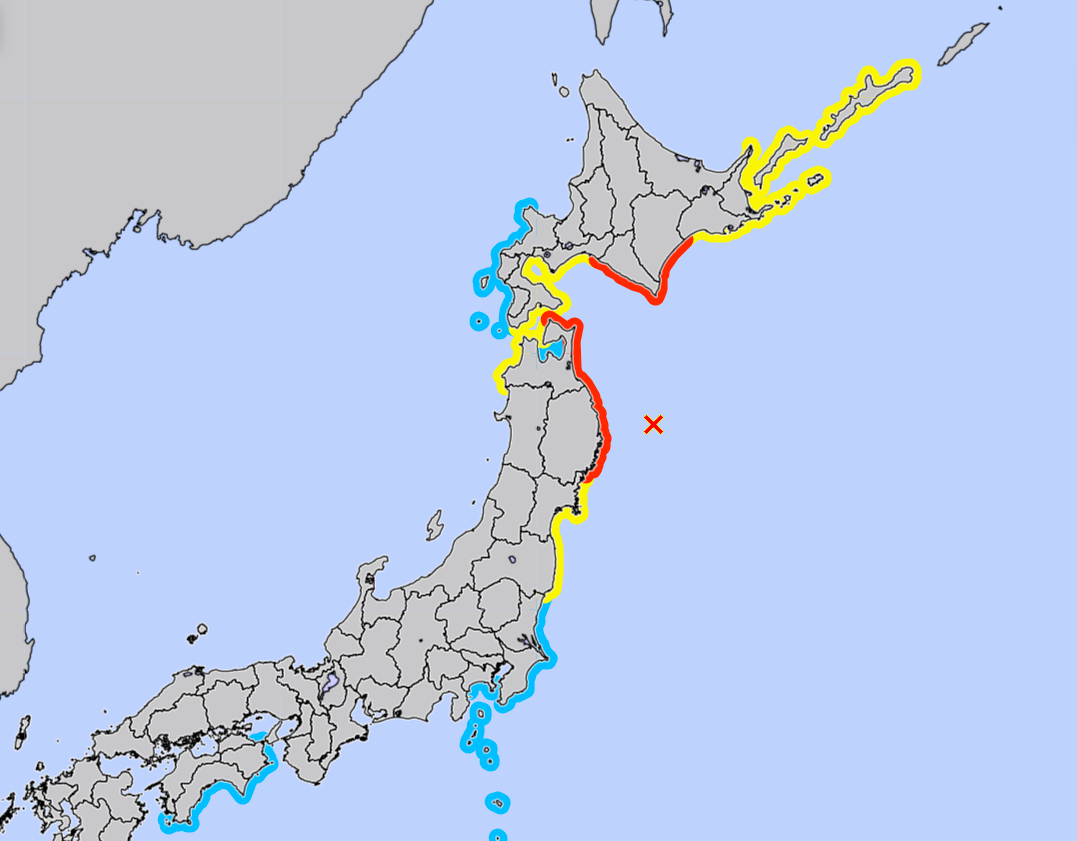
Mapped: Tsunami warnings issued in these areas of Japan after 7.5 magnitude earthquake
09:43 , Arpan RaiTsunami warnings have been put in place for the northeastern coast of Japan, as highlighted in this map from the JMA.
The red warnings are for 3m tsunami waves in central Hokkaido and Iwate prefecture.
The yellow warnings indicate a 1m tsunami, and affect areas including Fukushima and northeastern Hokkaido.
Japan PM Takaichi announces emergency task force
09:38 , Arpan RaiSpeaking to reporters, Japan's prime minister Sanae Takaichi said the government had set up an emergency task force and urged citizens in the affected areas to evacuate to safety.
Broadcaster NHK showed ships sailing out of Hachinohe port in Hokkaido in anticipation of the waves, as an alert 'Tsunami! Evacuate!' flashed across the screen.
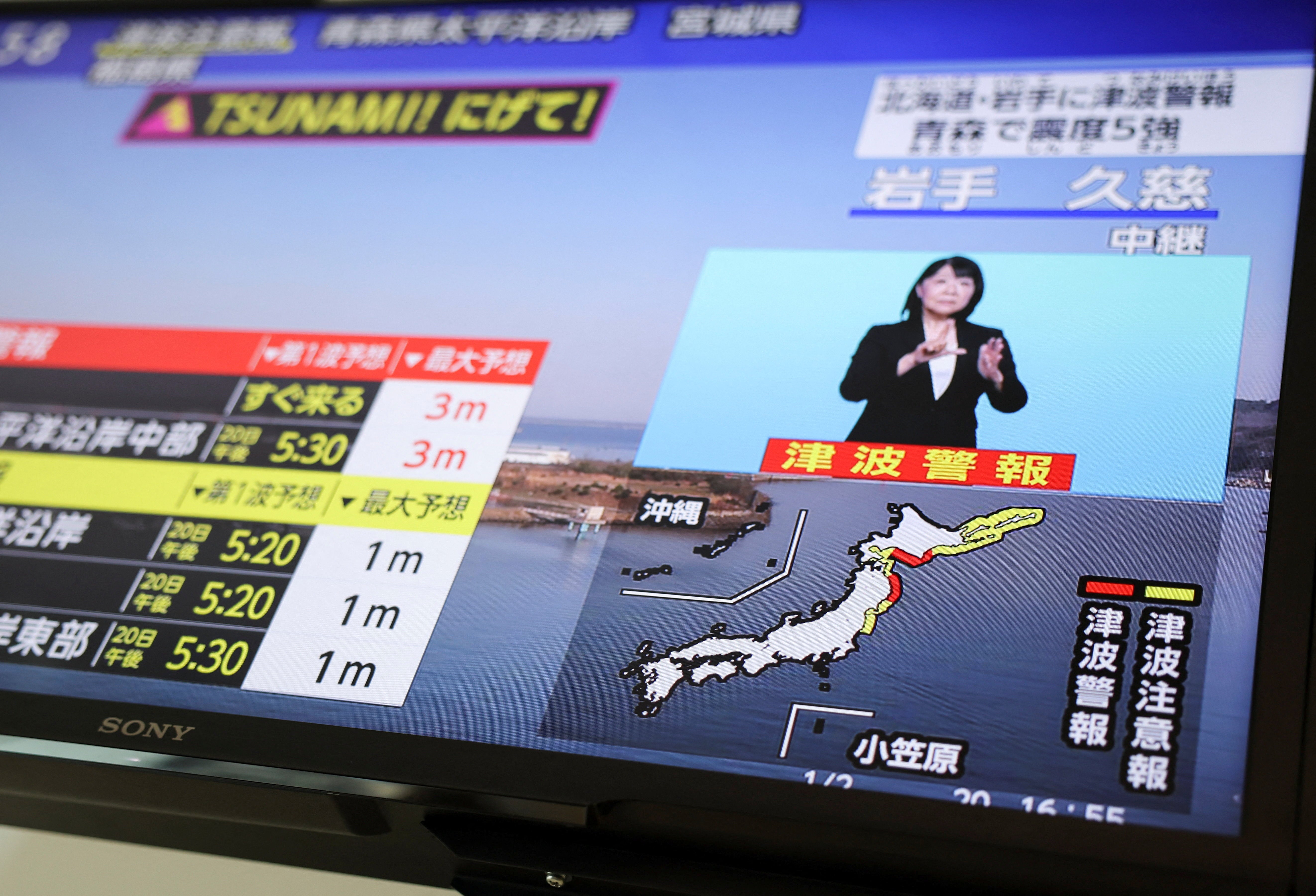
3 metre tsunami warning issued after earthquake in northeastern Japan
09:37 , Arpan RaiJapan's NHK public television has issued a public alert and said a tsunami of up to 3 metres (10 feet) could hit the area shortly, citing the country’s weather agency.
The agency forecast said tsunami waves could reach the Pacific coast of Hokkaido and Iwate prefectures.
Authorities urged the residents to stay away from coastal areas where tsunami waves of up to 3 metres (9.84 ft) were expected.
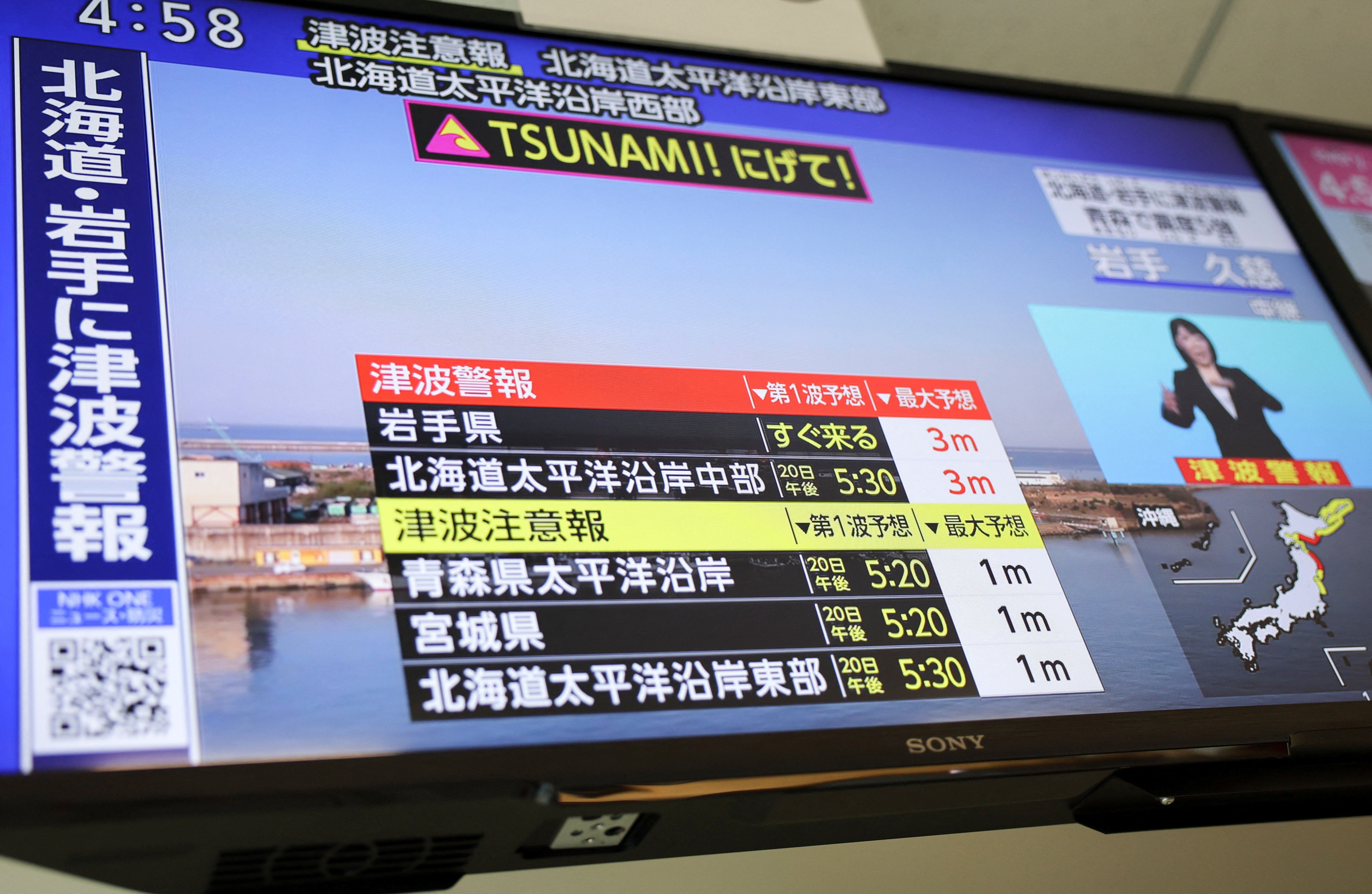
Aomori bullet train halts operations after strong earthquake hits Japan
09:32 , Arpan RaiThe Tokyo Aomori bullet train has halted operations after a major earthquake rocked Japan, officials said.
The quake registered a preliminary magnitude of 7.4 and occurred off the coast of Sanriku in northern Japan at around 4.53pm (0753 GMT), at a depth of about 10 kilometres (6 miles) below the sea surface, officials said.
Tsunami warnings issued after major earthquake strikes off Japan
09:28 , Arpan RaiTsunami warnings have been issued for most of Japan’s eastern coastline after a major 7.5-magnitude earthquake in the Pacific Ocean.