Kumamoto Castle has long been one of Japan’s most recognisable historical monuments. However, after the 2016 earthquake damaged Kumamoto Castle, a large-scale conservation project became necessary. The restoration work aims to document and reconstruct the parts of Kumamoto Castle that were destroyed.
Get breaking news anytime, anywhere. Download the TOI app now!
Unlike new construction, the main goal of Kumamoto Castle’s restoration is to preserve its historical character. All the damaged elements of the building, especially its iconic stone walls, are being restored. According to the Japan National Tourism Organization , Kumamoto Castle is located in Kumamoto City on the island of Kyushu in Japan. It is one of the castles of Japan with the longest history, and it has always been part of the identity of the city.
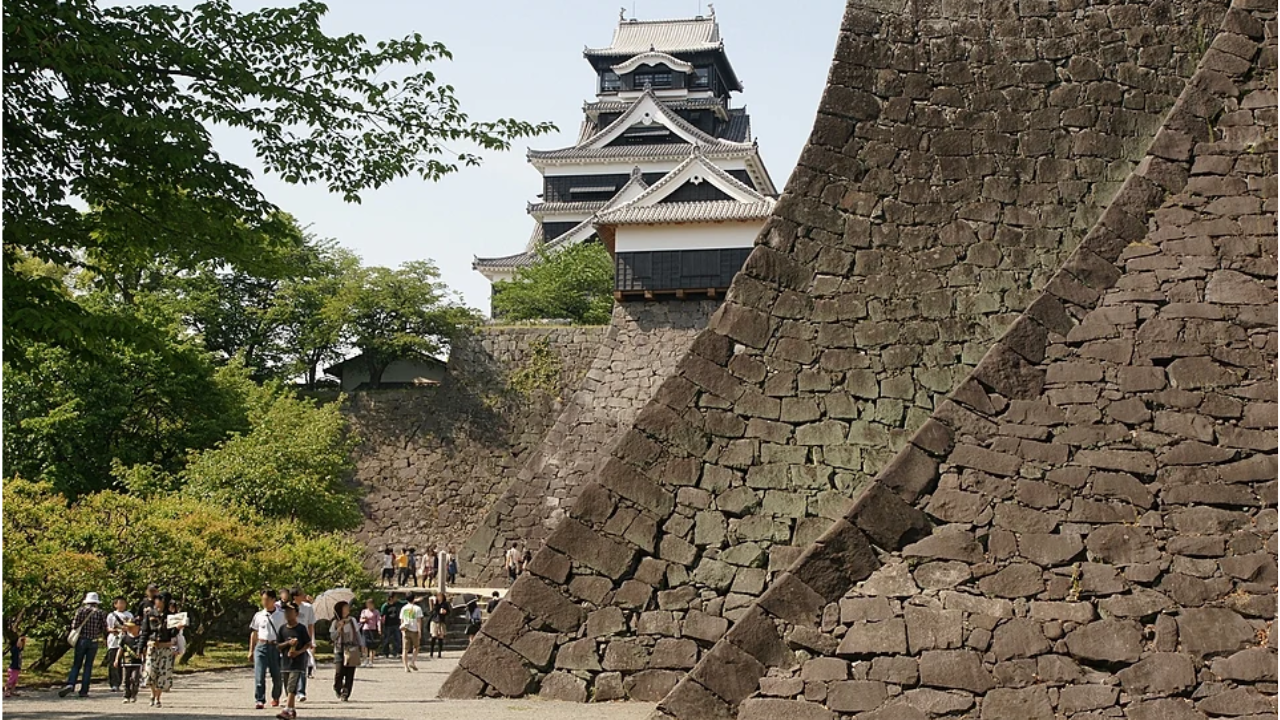
The castle is also famed for its huge stone walls, known as 'ishigaki'. The castle’s walls were built using traditional Japanese castle construction techniques and are among its most outstanding features. Over the centuries, the castle has been destroyed and rebuilt due to wars and other natural calamities that have occurred at the site.
The earthquake has damaged a historically significant site
Earthquakes struck the Kumamoto region of Japan in April 2016, causing widespread damage. Among the cultural heritage sites badly affected by the earthquake were sections of Kumamoto Castle, where collapsed stone walls damaged other parts of the building. Approximately one-third of Kumamoto Castle’s stone walls were damaged.
According to The Ohio State University , a visitor account published by the Study Abroad Program “Exploring Environmental and Human Health Issues in Japan” described seeing the effects of the earthquake during a visit to Kumamoto Castle. The account noted that restoration work was still ongoing years after the disaster and highlighted the detailed process involved in repairing damaged areas of the historic site.
The account says the 2016 earthquake left the castle’s restoration still unfinished more than nine years later because workers were rebuilding the wall stone by stone and replacing each damaged stone with an exact replica. It also notes that visitors could spot grouped, marked stones around the grounds, evidence of the painstaking process underway. The visitor account said restoration workers were rebuilding damaged sections stone by stone, replacing damaged stones with exact replicas where needed.
Process of restoration involving extreme precision
Repairing the castle’s stone walls is one of the project’s most difficult tasks. After the stones collapsed in the earthquake, the restoration team carefully recorded their positions before moving them. The stones were photographed, labeled, and documented to help return them to their original positions.
According to Japan Tourism Agency information, Kumamoto Castle has nearly 980 stone wall segments containing 70,000 to 100,000 stones that must be restored. Every stone needs meticulous analysis before being put back in place. According to the visitor account, the marked stones were kept together near the castle.
Technology meets traditional craftsmanship
Although the restoration uses traditional techniques, modern tools have been used to improve precision. Digital records and image processing are helping the restoration team determine where the damaged stones originally belonged. This mix of traditional craftsmanship and modern technology has helped experts preserve the castle’s character while improving safety.
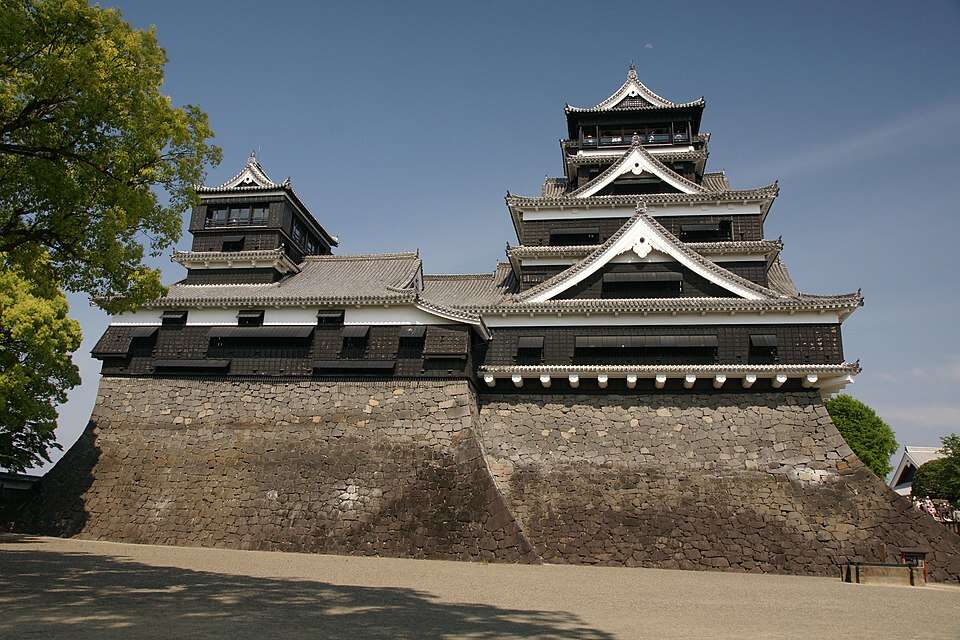
However, the renovation of Kumamoto Castle is a lengthy process. The restoration of the main keep tower was completed only in 2021. Because of the scale of the work, the full restoration may take decades. Kumamoto Castle means much more to local residents than just an old structure. In fact, the castle symbolises the city's ties to its history and its efforts to rebuild after the 2016 earthquake. The reconstruction of Kumamoto Castle shows that some conservation efforts require years of careful investigation and painstaking work to preserve historic structures for future generations.