Japan is deploying robot wolves in bear-prone areas to help keep the animals away after a spate of deadly attacks.
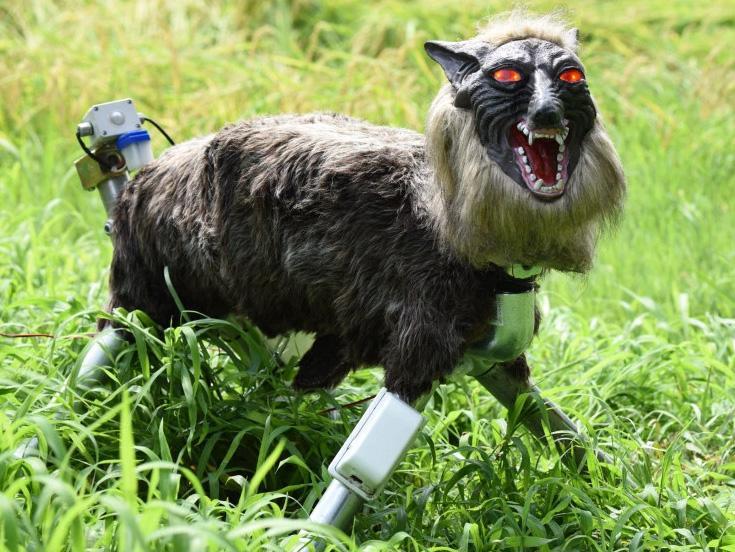
The so-called Monster Wolf, developed by Hokkaido-based precision machining company Ohta Seiki, was designed to protect farms, hiking trails, and other areas where bears are likely to appear.
When an animal approaches, the robot wolf’s infrared sensors activate: its eyes glow red, its head turns, blue LED lights flash, and it emits sounds as loud as a car horn.
The device can play around 50 different noises at random, including animal howls and human voices.
Although initially dismissed as a gimmick when it was first introduced in 2016, the mechanical wolf has proven effective in recent trials, the outlet said.
“Bears are very cautious animals and often act alone,” Yuji Ota, president of Ohta Seiki, told Kyodo News.
“When there is a loud noise, they would think there is something there and would not come close.”
As many as 330 Monster Wolves are due to be deployed across Japan in areas where bears are frequently spotted.
In 2023, Mr Seiki told ABC News: “It’s been a success. To date, no one has questioned its effectiveness, nor have we faced any returns due to dissatisfaction.”
“I think it’s much more cost-effective to threaten with a machine and drive it away from the village than the cost of a lot of people going out and exterminate it,” he added.
The recent spike in bear attacks in Japan has led to a surge in demand, the company said, with inquiries tripling and customers even getting in touch from overseas. One such query came from India, asking whether the robot could deter elephants.
Ohta Seiki says it is also developing a remote-controlled Wolf Mover to chase bears away and a portable version for hikers and campers.
Earlier, zoologist Nobuyuki Yamaguchi from the University of Malaysia, Terengganu, told ABC News that the robot wolves had limitations.
“While the sudden lights and noises can startle wildlife, many animals learn and adapt. Once a sizeable segment of any species realises the lack of actual harm, its deterrent effect may wane.”
The expert added: “For wildlife we humans are the scariest monsters– much more so than even is the mighty lion! It is the beauty of evolution that some of our reactions have been formed through our evolution. Brown bears and wolves have evolved almost next to each other, and hence, the brown bear possibly ‘knows’ what the wolf is, and vice versa.”
Bear attacks have risen sharply this year, with NHK Japan reporting 235 injuries and 13 deaths across 21 prefectures up to 10 December.
Akita saw the highest number of incidents at 66.
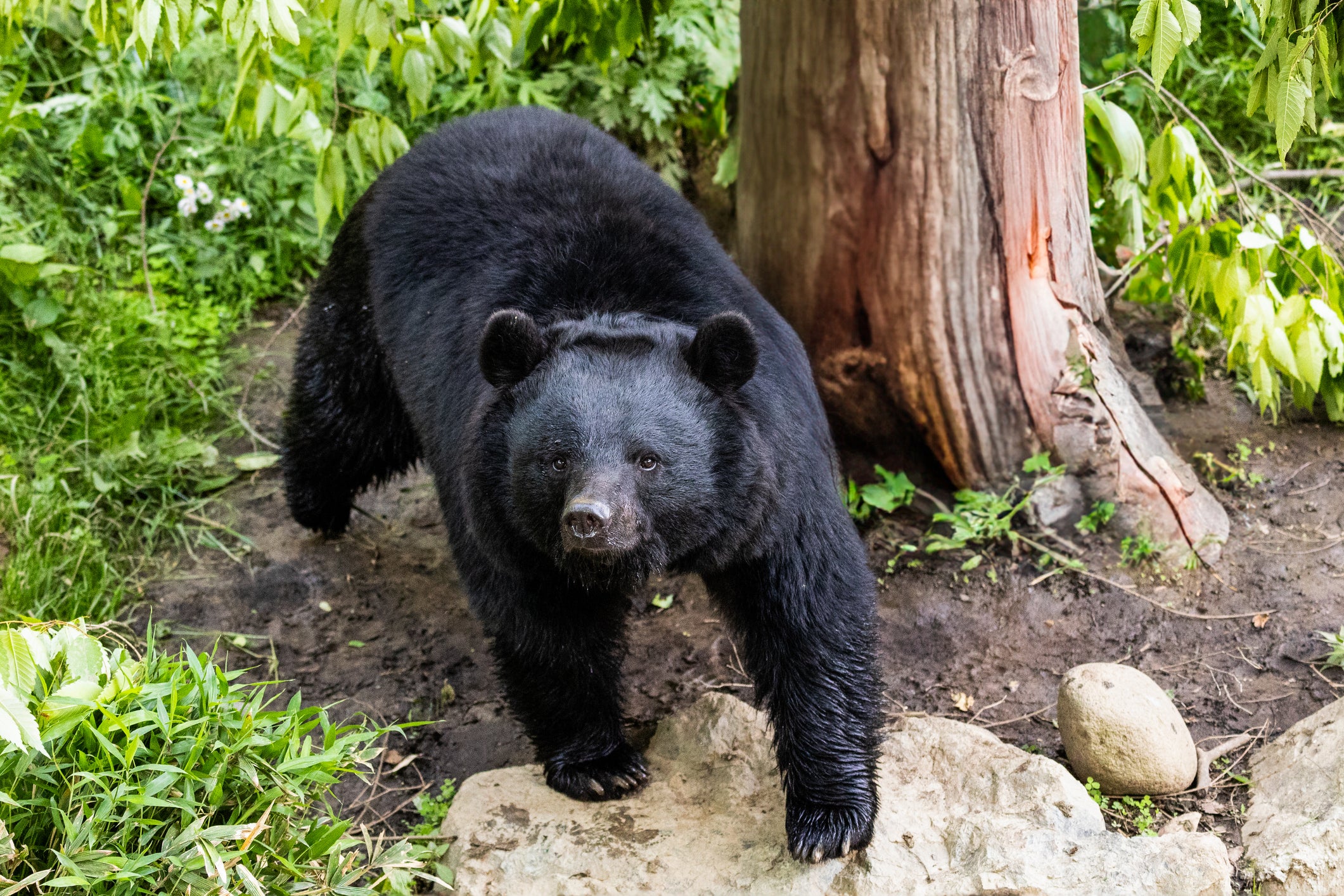
While bears typically hibernate during winter, attacks are still occurring even this month. A 4 December incident in Nagano’s Nozawaonsen village was the first December residential bear attack in the region since 1977.
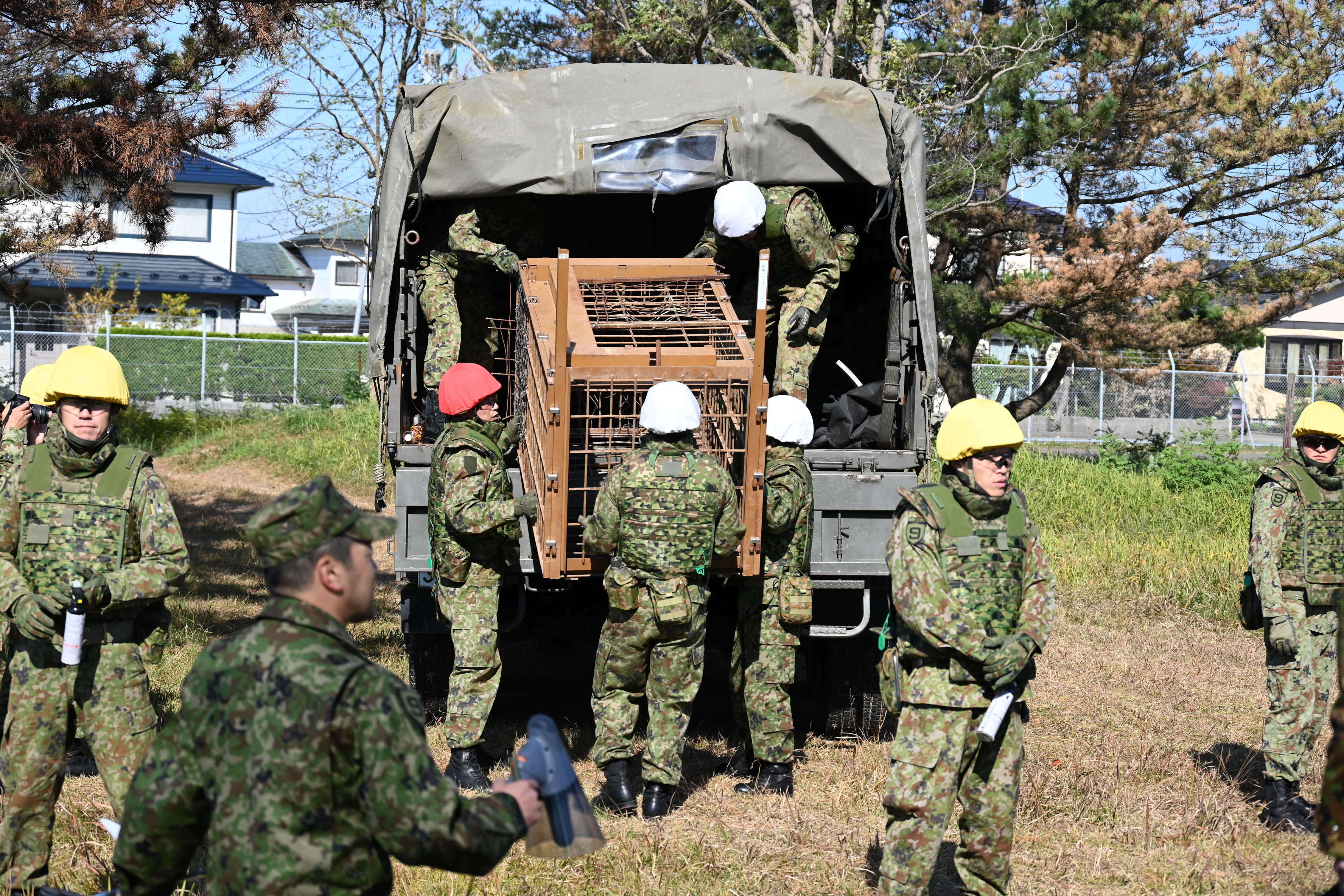
Last month the military was deployed to Akita in a rare move to assist with trapping operations after local officials said they were overwhelmed.
The Japanese government also revised long-standing rules to allow riot police to shoot bears in certain circumstances, a power previously limited to licensed hunters.
Meanwhile, Japan could be looking at another surge in bear attacks in the near future, researchers have cautioned, after a new survey found that the harvest of a type of nuts that the animals favoured could dwindle in 2027.
Beechnut is a vital source of food for Asiatic black bears in the autumn, and shortages routinely drive the animals into towns and farmland.
While 2026 was expected to produce a plentiful harvest, the long-observed trend of alternating good and poor years meant a failure was likely in 2027, according to the study by the Akita Prefecture Forestry Research and Training Centre.
Japan earthquake live: Strong aftershocks follow megaquake warning
US bombers carry out joint drill in response to China-Russia patrols
American playwright Jeremy O Harris held in Japan on drug smuggling charges
Japanese government warns megaquake could kill 300,000 and halve GDP
What is a megaquake? Japan issues warning for disaster that could kills thousands