Japan is preparing to restart the world’s largest nuclear power plant, nearly 15 years after the 2011 Fukushima nuclear disaster led to the shutdown of reactors across the country.
The massive Kashiwazaki-Kariwa nuclear power plant in northwestern Niigata prefecture was among 54 reactors taken offline after the earthquake and tsunami in March 2011 triggered a meltdown at the Fukushima Daiichi plant, the worst nuclear accident since Chernobyl.
Japan is now eyeing a return to nuclear power as it tries to reduce its dependence on imported fossil fuels, and has restarted 14 of the 33 reactors that remain operable.
Kashiwazaki-Kariwa, located about 220km northwest of Tokyo, has a total capacity of 8.2 gigawatts, enough to power several million homes.
On Monday a vote in the regional assembly in Niigata removed the final political hurdle for the plant to be reopened. The assembly passed a vote of confidence in governor Hideyo Hanazumi, who backed the restart last month.
“This is a milestone, but this is not the end,” Mr Hanazumi told reporters after the vote. “There is no end in terms of ensuring the safety of Niigata residents.”
Kashiwazaki-Kariwa will be the first plant to restart under Tokyo Electric Power Company (TEPCO), which also operated Fukushima.
Tepco is considering reactivating the first of seven reactors at the site on 20 January, public broadcaster NHK reported. One 1.36-GW unit could come online next year, with another of the same capacity planned around 2030, according to Reuters.
“We remain firmly committed to never repeating such an accident and ensuring Niigata residents never experience anything similar,” Tepco spokesperson Masakatsu Takata said. He declined to comment on the timing of the restart.
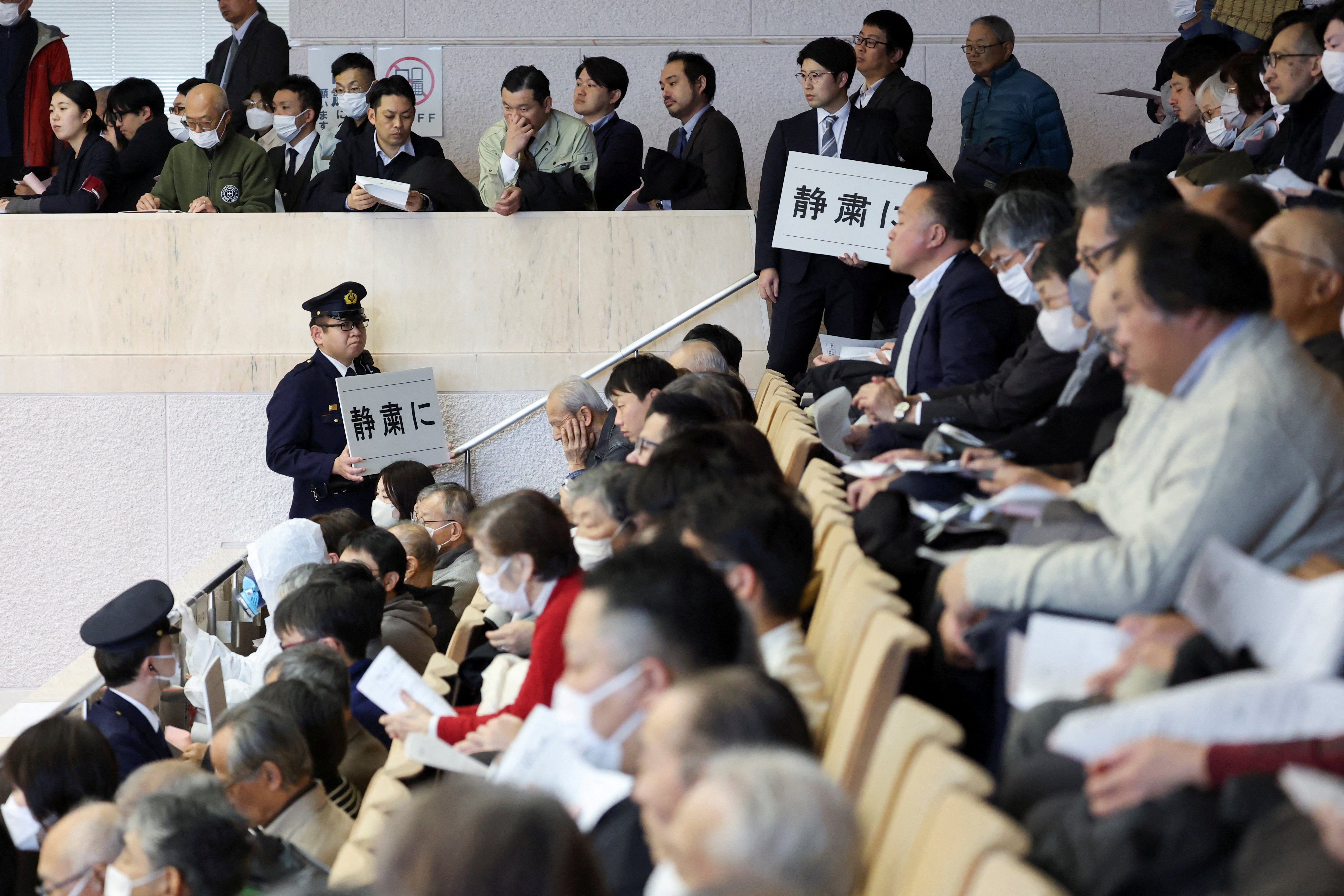
The vote exposed sharp divisions within Niigata, where many residents remain sceptical of the restart despite promises of jobs and potentially lower electricity bills.
“This is nothing other than a political settlement that does not take into account the will of the Niigata residents,” an assembly member opposed to the restart said during the session..
Outside the assembly building, around 300 people protested against the decision, holding banners reading “No Nukes”, “We oppose the restart of Kashiwazaki-Kariwa” and “Support Fukushima”.
“I am truly angry from the bottom of my heart,” Kenichiro Ishiyama, a 77-year-old protester from Niigata city, told Reuters after the vote. “If something was to happen at the plant, we would be the ones to suffer the consequences.”
Kashiwazaki-Kariwa’s proposed restart has been put off for years by extensive safety upgrades and tighter security rules introduced after Fukushima, including measures to prevent deliberate attacks on nuclear facilities.
Japan’s Nuclear Regulation Authority (NRA) was set up after Fukushima with stronger safety standards and independent oversight. Utilities are supposed to clear regulatory inspections and local approval before restarts.
A survey published by Niigata earlier this year found that 60 per cent of residents did not think conditions for the restart had been met, while nearly 70 per cent said they were worried specifically about Tepco operating the plant.
Ayako Oga, 52, one of the protesters, told Reuters she moved to Niigata after fleeing the area around the Fukushima plant in 2011, when around 160,000 people were evacuated. Her former home lay within the 20km exclusion zone.
“We know first-hand the risk of a nuclear accident and cannot dismiss it,” she said to the news agency, adding that she still struggles with post-traumatic stress-like symptoms. She joined protests outside the assembly on Monday.

Even governor Hanazumi has said he hopes Japan will eventually reduce its reliance on nuclear power. “I want to see an era where we don't have to rely on energy sources that cause anxiety,” he said last month.
However, at the national level, the government is investing in nuclear energy as part of its energy security strategy. Prime minister Sanae Takaichi, who took office two months ago, has backed the move as Japan grapples with high fuel costs.
Japan is planning to increase public funding for nuclear power plant renewals and new reactors, not just restarts. This includes loans that could cover 30–50 per cent of project costs to help utilities meet safety standards and invest in new builds.
Even before the Kashiwazaki-Kariwa restart, Japan’s nuclear generation is already at its highest level since Fukushima, with fossil fuel output on a downwards trajectory. Clean energy (including renewables) generation also rose in 2025.
Imported fossil fuels currently account for 60 to 70 per cent of Japan’s electricity generation. The country spent 10.7 trillion yen (£50.7bn) last year on imported liquefied natural gas and coal, roughly a tenth of its total import bill.
Energy demand is also expected to rise over the coming decade due to the growth of data centres and artificial intelligence systems. To meet those needs while cutting emissions, Japan has set a target of doubling nuclear power’s share of its electricity mix to 20 per cent by 2040.
For critics, however, the return to nuclear power remains inseparable from the lessons of Fukushima.
“As a victim of the Fukushima nuclear accident, I wish that no one, whether in Japan or anywhere in the world, ever again suffers the damage of a nuclear accident,” Ms Oga said.
Additional reporting by agencies
Japanese ski resort to fine disruptive tourists amid visitor surge
North Korea warns Japan’s nuclear ambitions must be ‘prevented at any cost’
Honda to pause production in Japan and China as chip shortages persist
Japanese mother convicted of hiding daughter’s body in freezer for 20 years
Japan clarifies nuclear weapons pledge amid senior official’s comments
Couple die in fire in Japan after being trapped in sauna room