Fierce typhoon hits northern Japan after paralyzing Tokyo
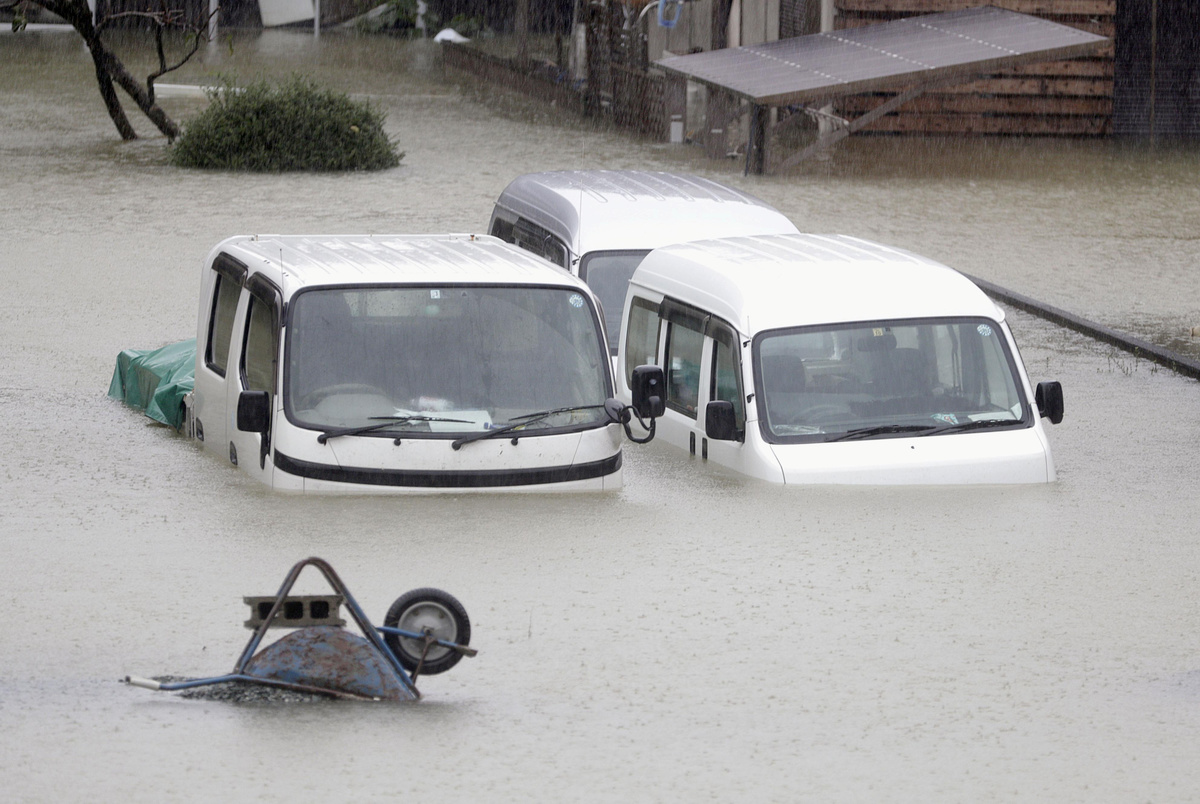
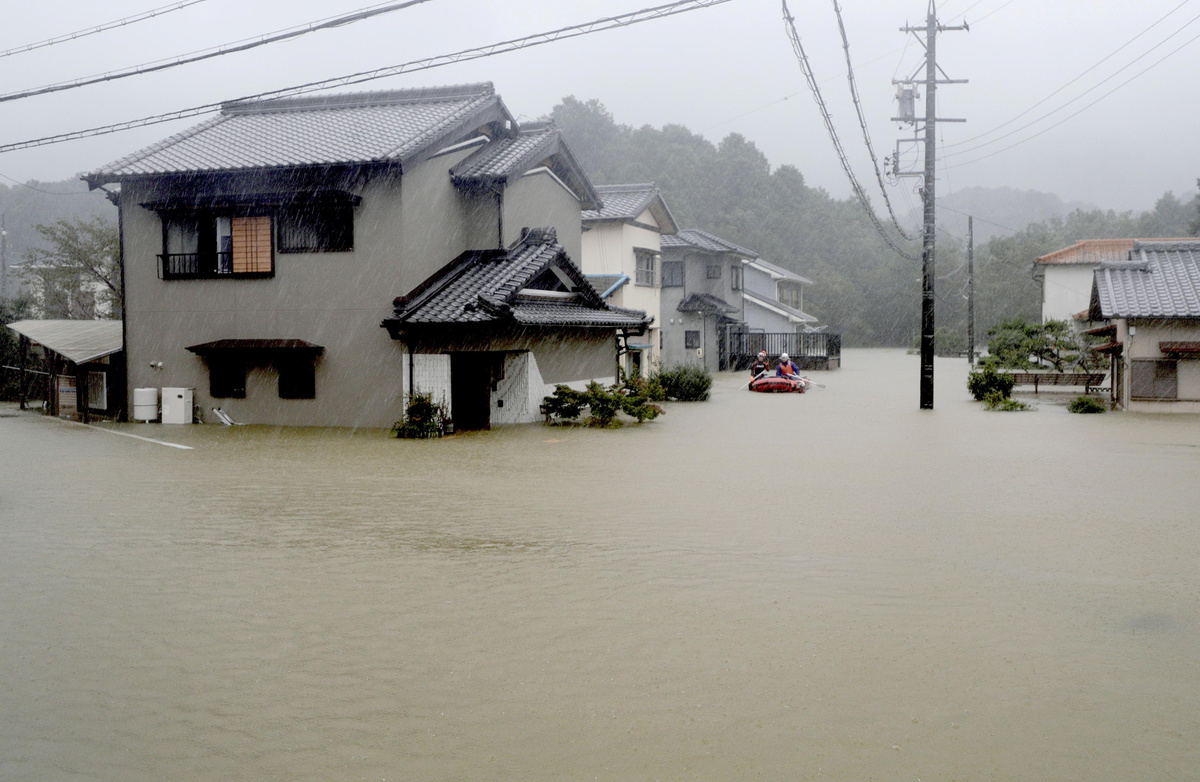
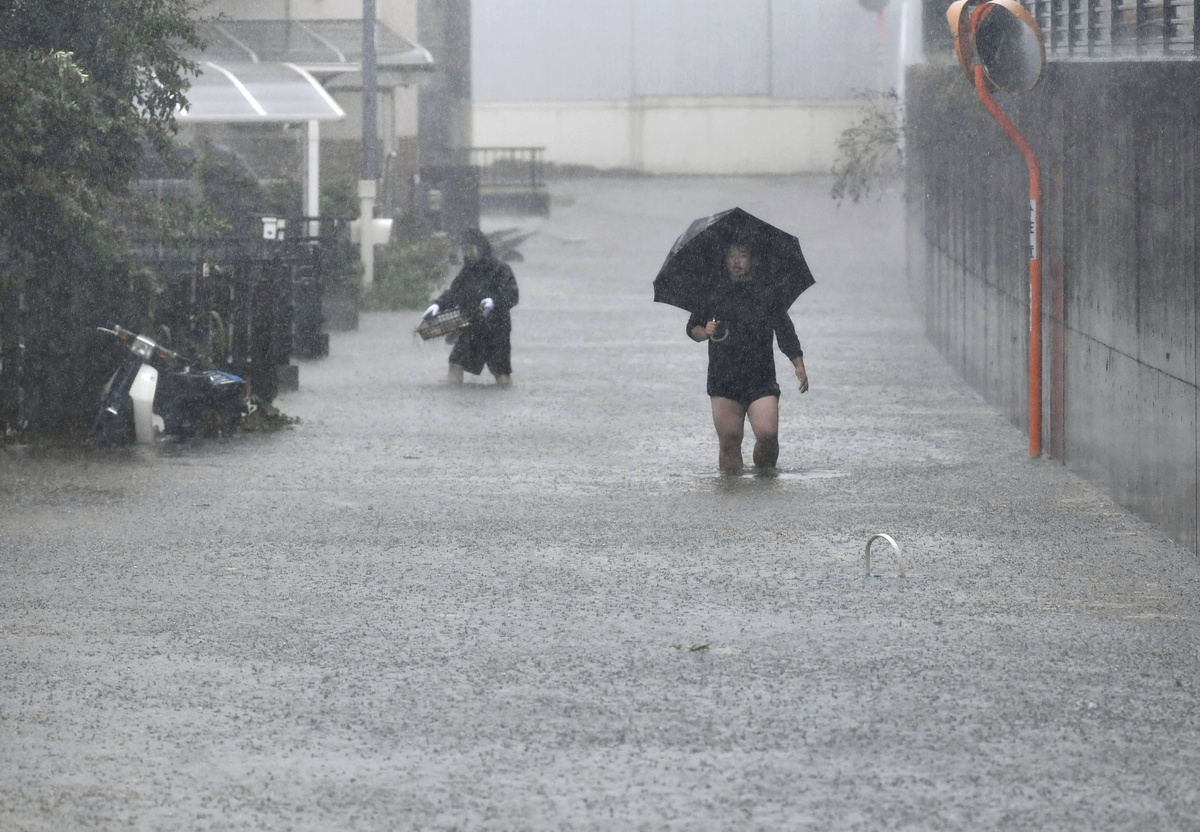
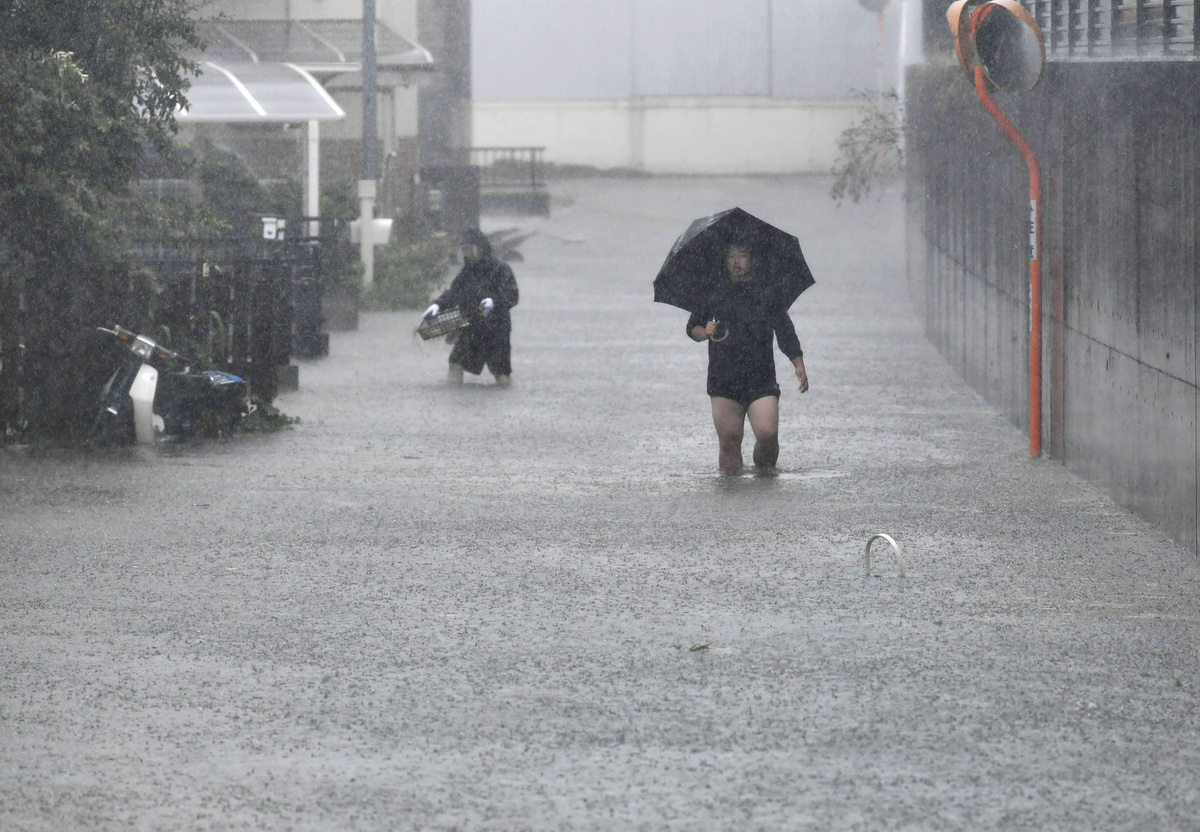
A residential area is flooded in Ise, Mie Prefecture, central Japan, ahead of the arrival of Typhoon Hagibis, in this photo taken by Kyodo October 12, 2019. Mandatory credit Kyodo/via REUTERS
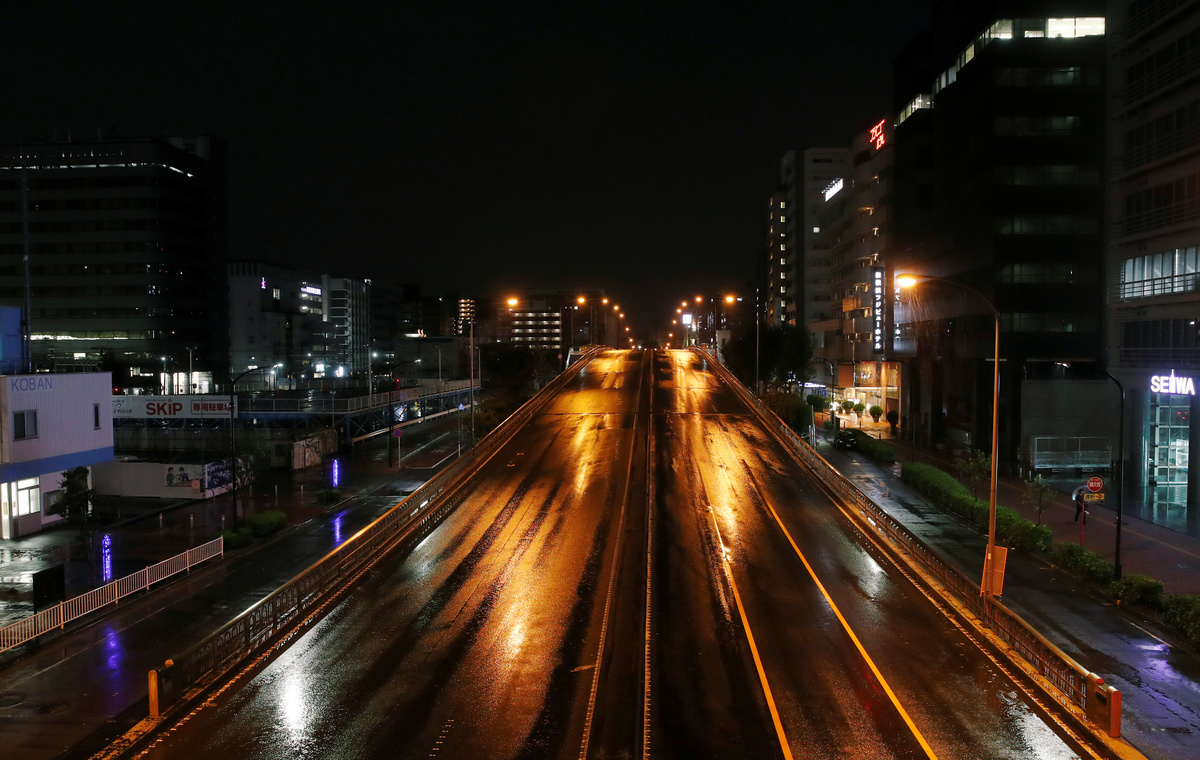
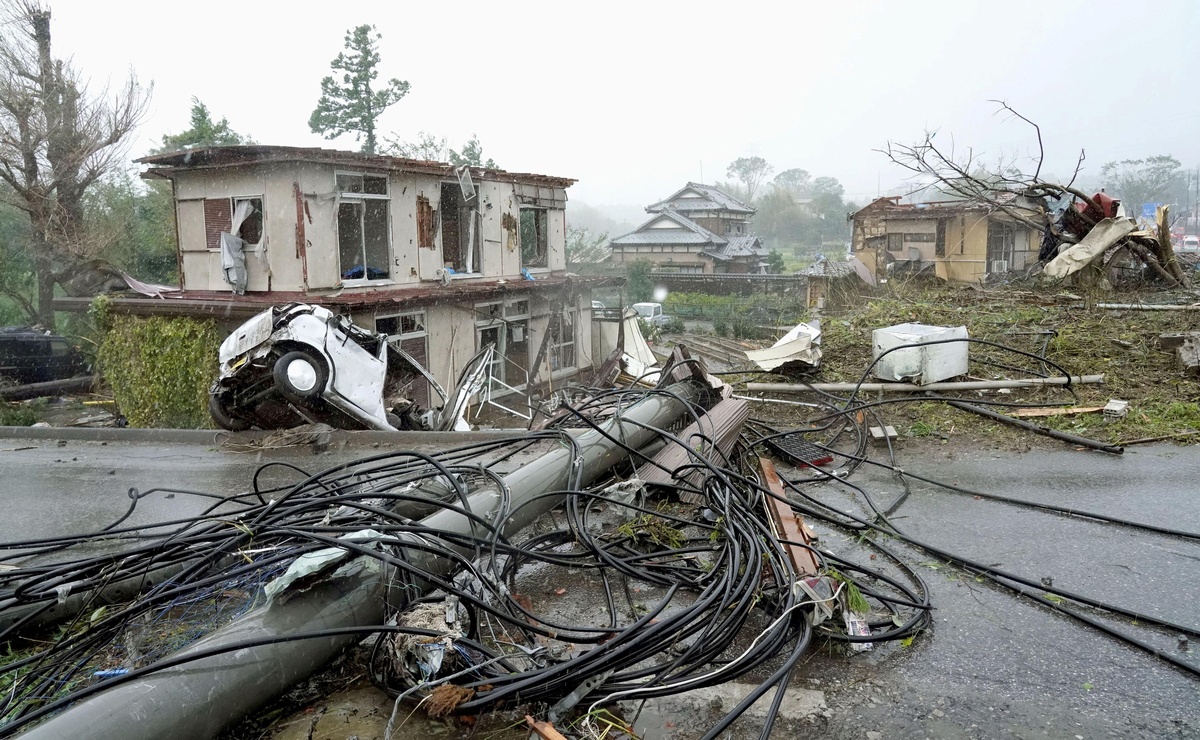
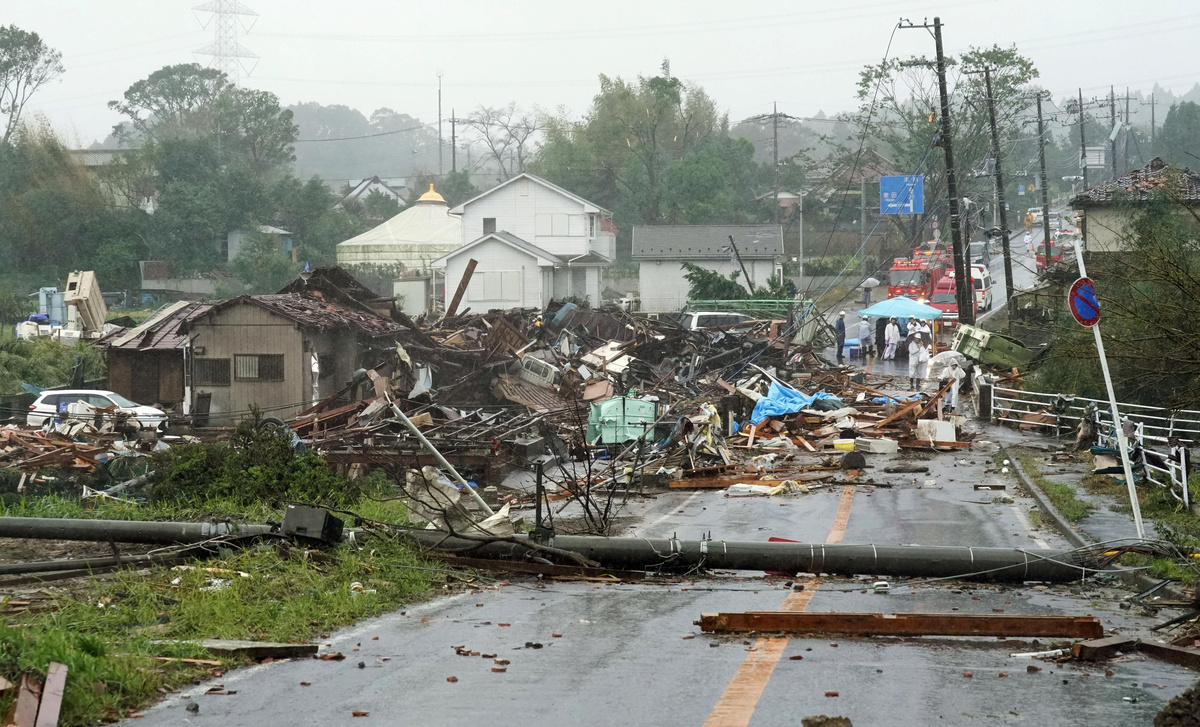
TOKYO (Reuters) - The most powerful typhoon to hit Tokyo in decades plowed into northern Japan early on Sunday after fierce rain and wind paralyzed the capital, led to four deaths, millions under evacuation warnings, rivers flooded and normally busy streets deserted.
Authorities lifted rain and flood warnings for the Kanto region around a becalmed Tokyo before dawn on Sunday but imposed them on areas further north after Typhoon Hagibis blasted through the capital.
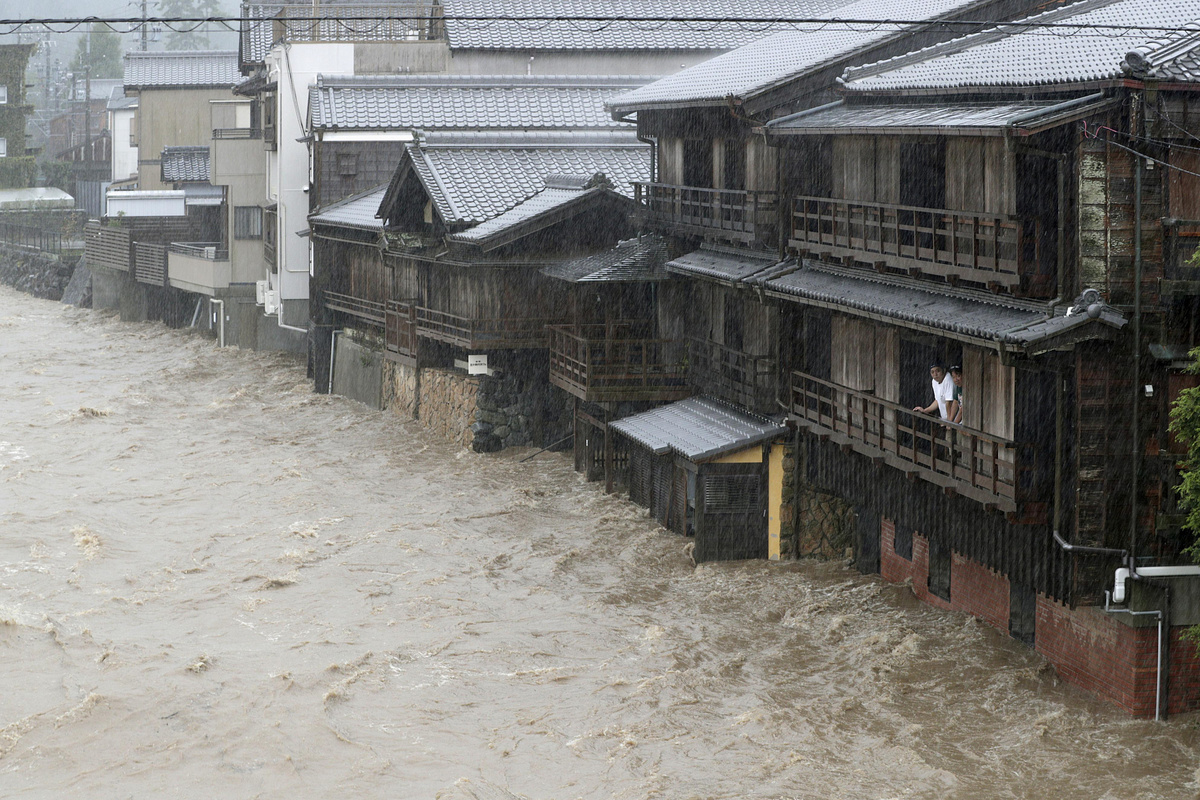
Men watch the swollen Isuzu River due to heavy rain caused by Typhoon Hagibis in Ise, central Japan, in this photo taken by Kyodo October 12, 2019. Mandatory credit Kyodo/via REUTERS
Attention focused on Fukushima, where Tokyo Electric Power Co overnight reported irregular readings from sensors monitoring water in its Fukushima Daiichi nuclear plant, which was crippled by the 2011 earthquake and tsunami.
Three people died in Chiba, Gunma and Kanagawa prefectures surrounding Tokyo, while a man in his 60s was found with no vital signs in a flooded apartment in Kawasaki, public broadcaster NHK said. Seventeen were missing early Sunday, it said.
A 50-year-old man was killed near Tokyo early on Saturday in a car overturned by punishing winds, while another person died after being washed away in a car, public broadcaster NHK said. Nine people remain missing in landslides and flooding, it said.
A residential area is flooded in Ise, Mie Prefecture, central Japan, ahead of the arrival of Typhoon Hagibis, in this photo taken by Kyodo October 12, 2019. Mandatory credit Kyodo/via REUTERS
Authorities issued evacuation advisories and orders for more than 6 million people across the country as the storm unleashed the heaviest rain and winds in years. Some 80 injuries have been reported so far, while more than 270,000 households lost power, NHK said.
The storm, which the government said could be the strongest to hit Tokyo since 1958, brought record-breaking rainfall in many areas, including the popular resort town of Hakone, which was hit with 939.5 mm (37 inches) of rain over 24 hours.
Hagibis, which means "speed" in the Philippine language Tagalog, made landfall on Japan's main island of Honshu on Saturday evening. A magnitude 5.7 earthquake shook Tokyo shortly after.
People walk on the street near Shinagawa Station as Typhoon Hagibis hit Tokyo, Japan, October 12, 2019. REUTERS/Kevin Coombs
Major shinkansen bullet trains from Tokyo would begin on schedule Sunday, NHK said.
Even as the typhoon moved away from the capital late on Saturday, one expert warned of further flooding as several surrounding prefectures began releasing water from dams, letting it flow downstream.
"The situation is now worse than this evening," Nobuyuki Tsuchiya, director of the Japan Riverfront Research Center, told Reuters. About 1.5 million people in Tokyo live below sea level.
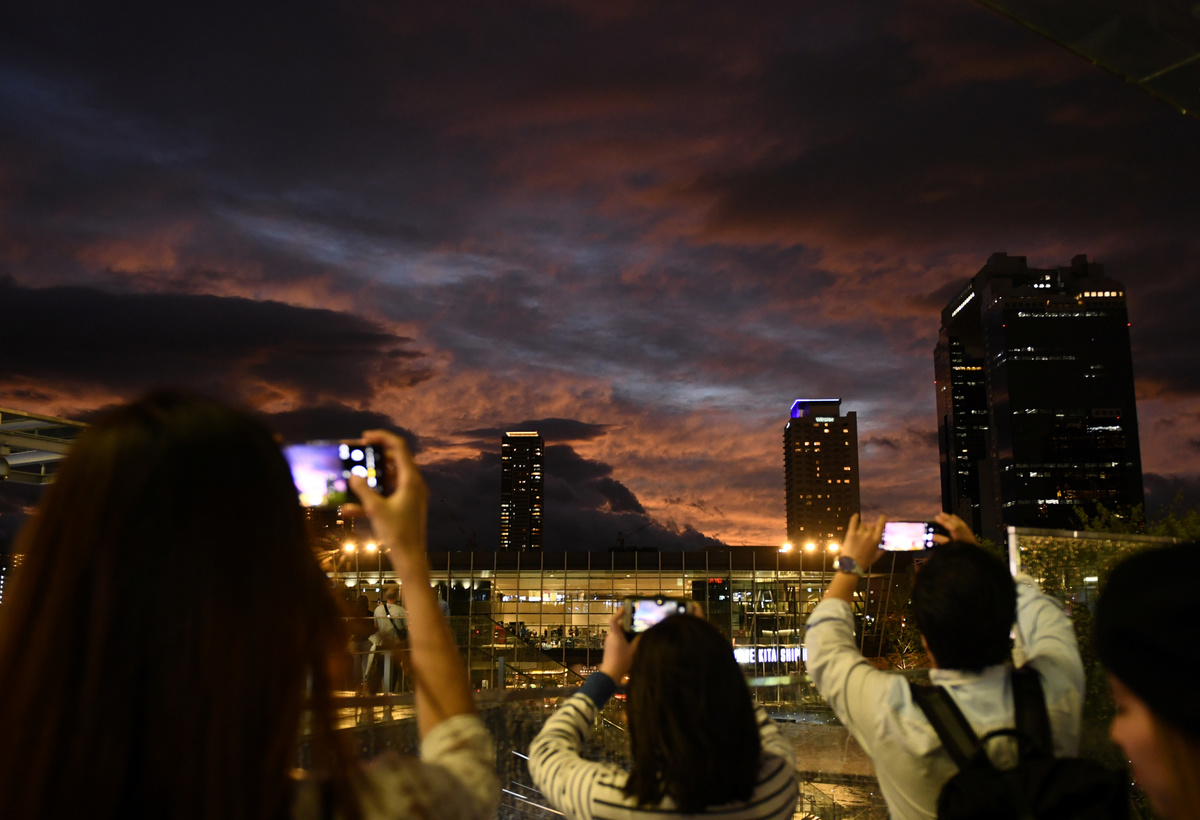
People take photos during sunset near Osaka Station, as typhoon 'Hagibis' approaches Japan, in Osaka, Japan October 12, 2019. REUTERS/Annegret Hilse
The Japan Meteorological Agency issued the highest alert level for 12 prefectures, warning of potential for once in decades rain totals. It lifted the alerts early Sunday.
"Damage from floods and landslides is likely taking place already," an agency official told a news conference carried by NHK. "It is critical that people take action urgently to protect their lives and the lives of loved ones."
Just last month, another strong storm, Typhoon Faxai, destroyed or damaged 30,000 houses in Chiba, east of Tokyo, and caused extensive power outages.
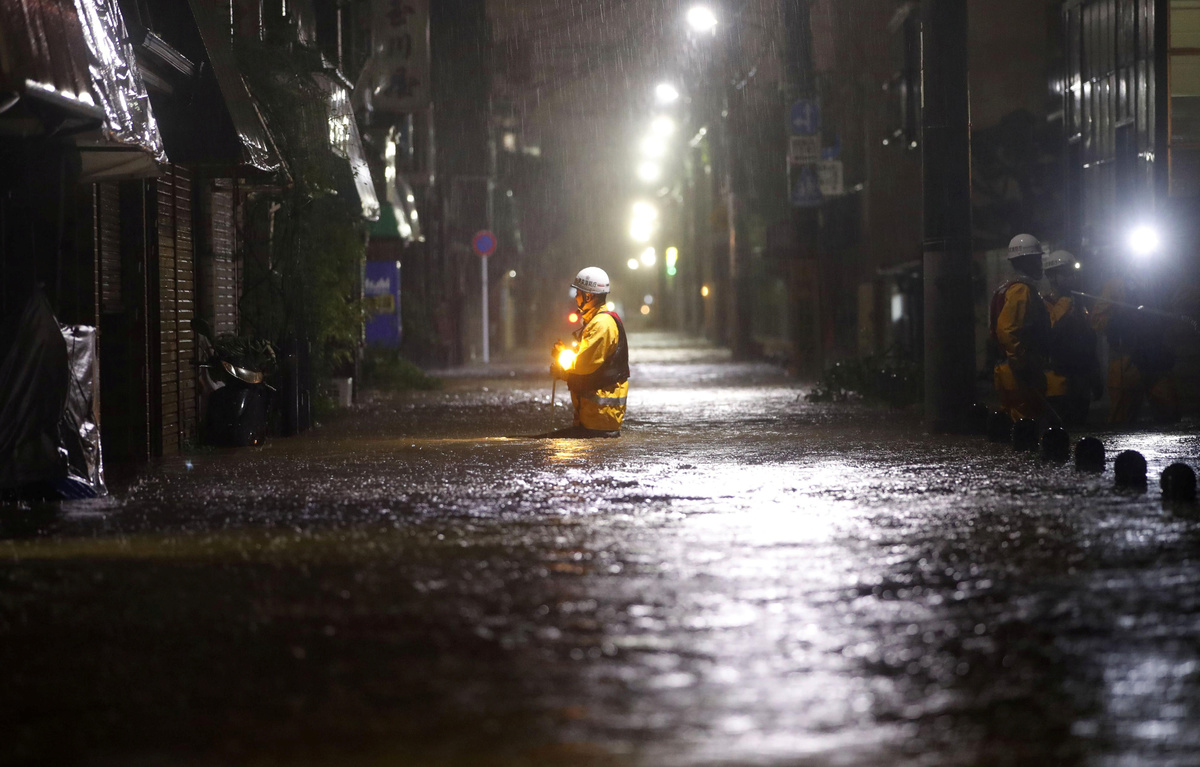
Firefighters patrol on a flooded road due to heavy rains caused by Typhoon Hagibis at Ota ward in Tokyo, Japan, October 12, 2019, in this photo taken by Kyodo Mandatory credit Kyodo/via REUTERS
PARALYZED
The capital's main airports, Haneda and Narita, stopped flights from landing and connecting trains were suspended, forcing the cancellation of more than a thousand flights.
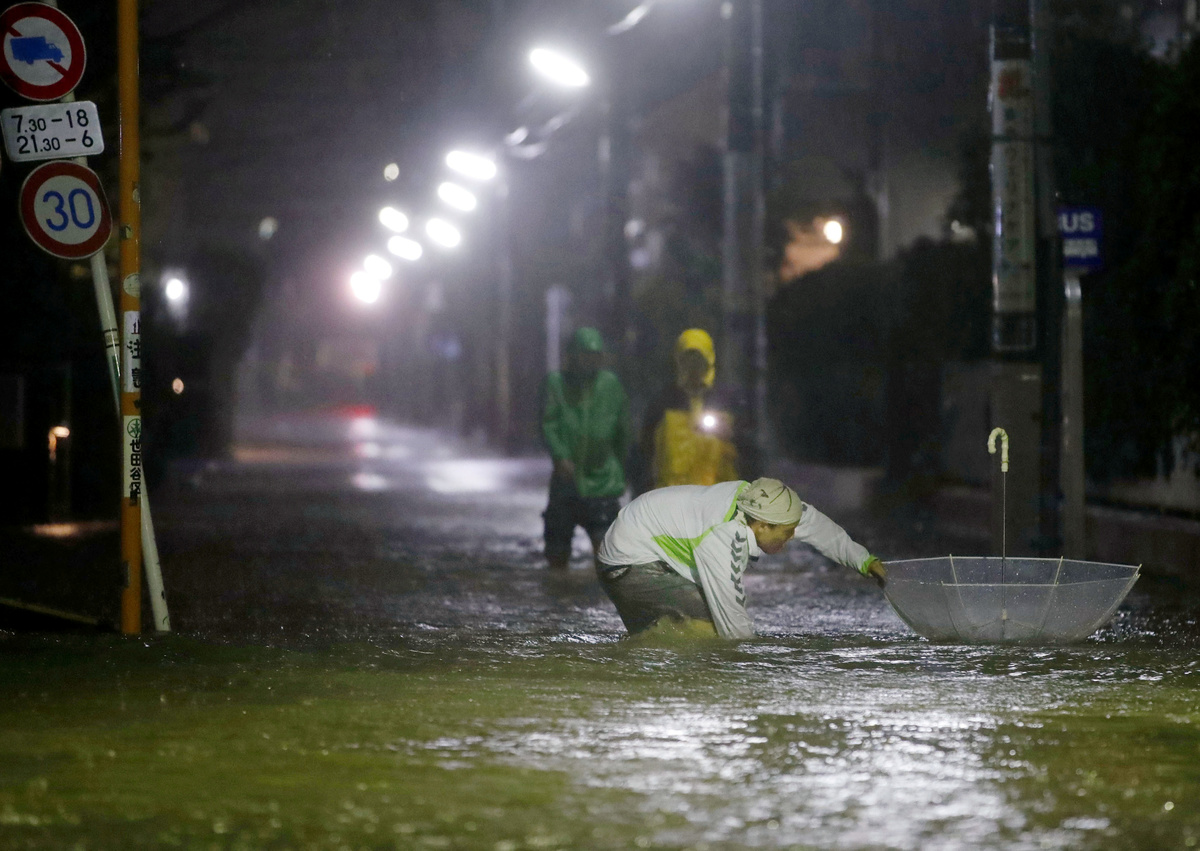
Roads are flooded due to heavy rains caused by Typhoon Hagibis at Setagaya ward in Tokyo, Japan, October 12, 2019, in this photo taken by Kyodo Mandatory credit Kyodo/via REUTERS
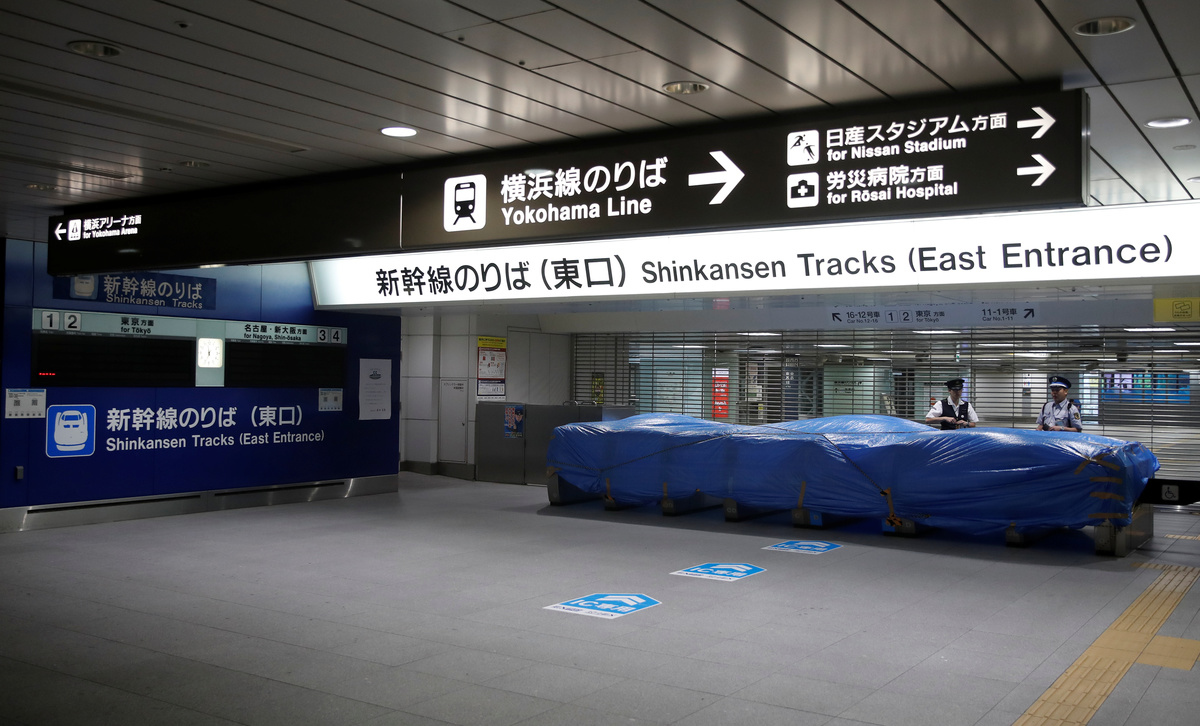
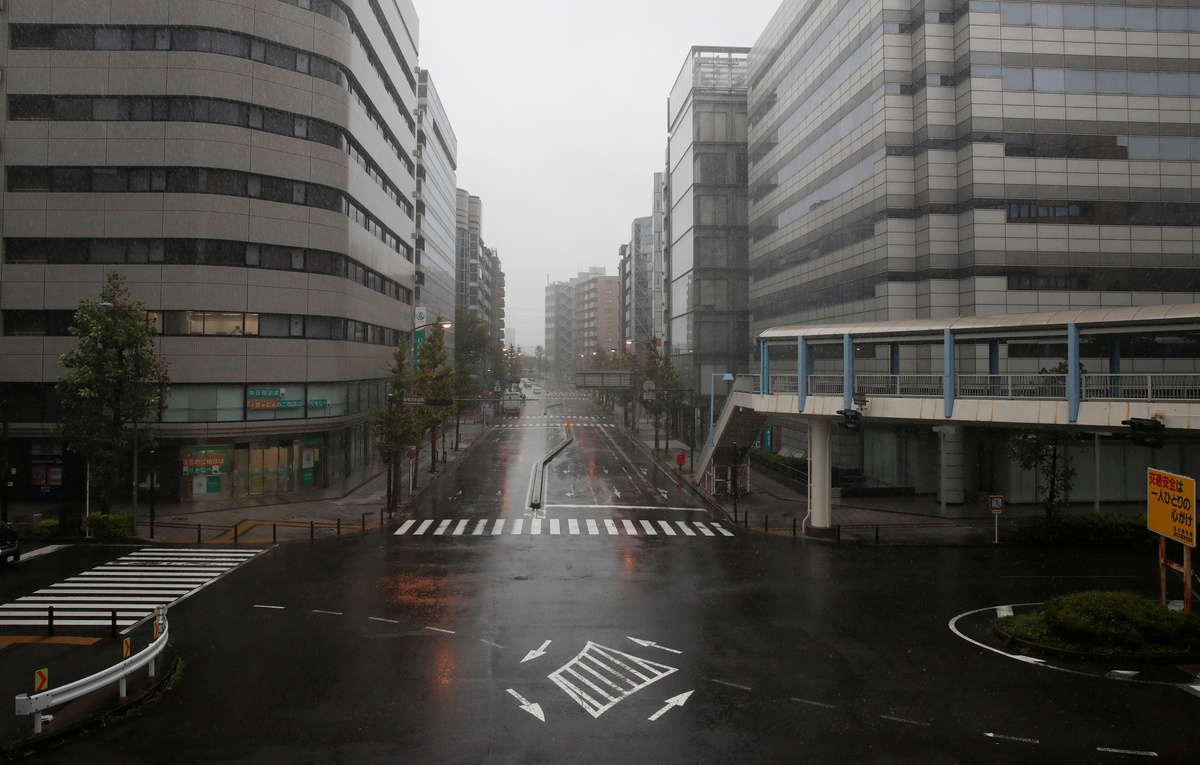
Train operators suspended bullet train services extensively, while many train and subway lines in Tokyo were also down for most of Saturday. Usually bustling entertainment and shopping districts such as Shibuya and Ginza were deserted.
Tokyo Disneyland was closed on Saturday, its first weather-related closure since 1984, and supermarkets ran out of bottled water, batteries and other disaster-related goods.
Many people in and around Tokyo took shelter in temporary evacuation facilities early, before the worst of the storm arrived.
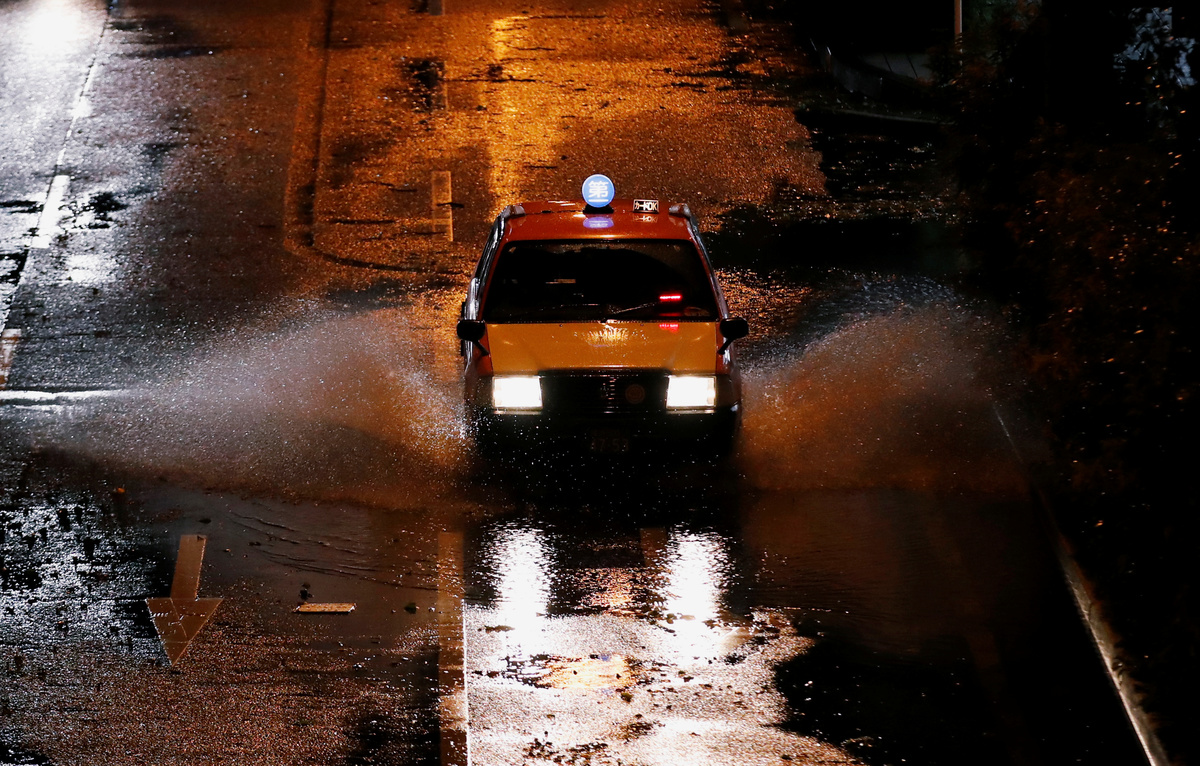
A taxi drives through a flooded part of the road after Typhoon Hagibis passes across Yokohama, Japan October 12, 2019. REUTERS/Matthew Childs
Yuka Ikemura, a 24-year-old nursery school teacher, was in one such facility at a community center in eastern Tokyo with her 3-year-old son, 8-month-old daughter and their pet rabbit.
She said she decided to move before it was too late.
"I've got small children to take care of and we live on the first floor of an old apartment," Ikemura told Reuters.
An empty street is seen after Typhoon Hagibis passes across Yokohama, Japan October 12, 2019. REUTERS/Matthew Childs
"We brought with us the bare necessities. I'm scared to think about when we will have run out diapers and milk."
Japanese Formula One Grand Prix organizers canceled all practice and qualifying sessions scheduled for Saturday. Two matches of the Rugby World Cup due to be played on Saturday were also canceled.
A view of closed ticket gantries for the Shinkansen bullet train service, which is suspended temporarily due to Typhoon Hagibis, at Shin Yokohama Station, Japan October 12, 2019. REUTERS/Matthew Childs
(Reporting by Makiko Yamazaki, Kiyoshi Takenaka and Chang-Ran Kim; Editing by Bill Berkrot and Grant McCool)
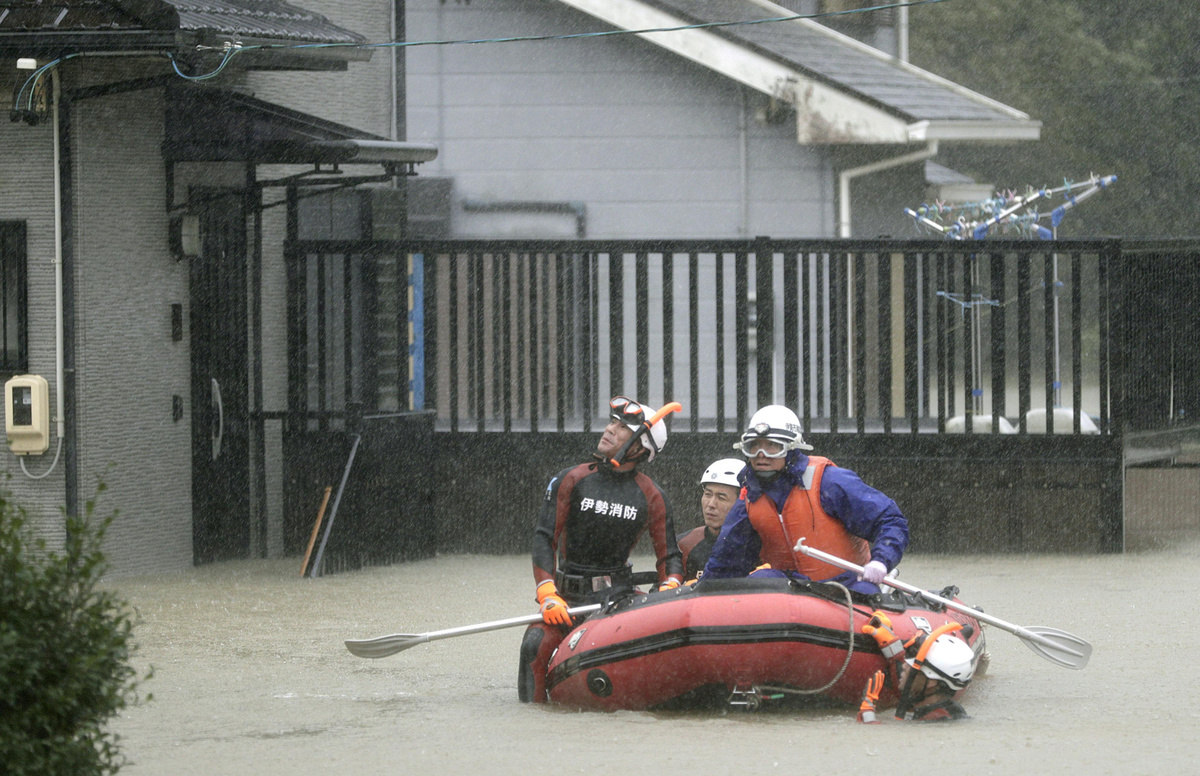
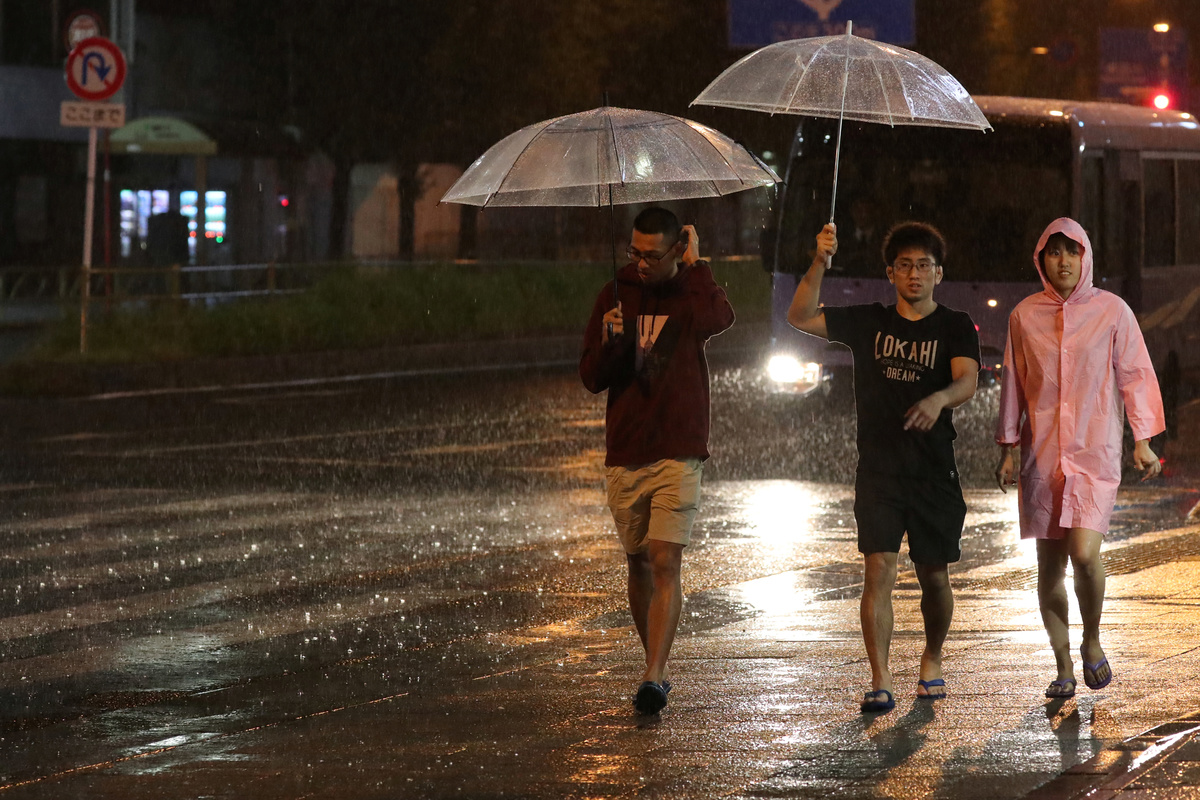
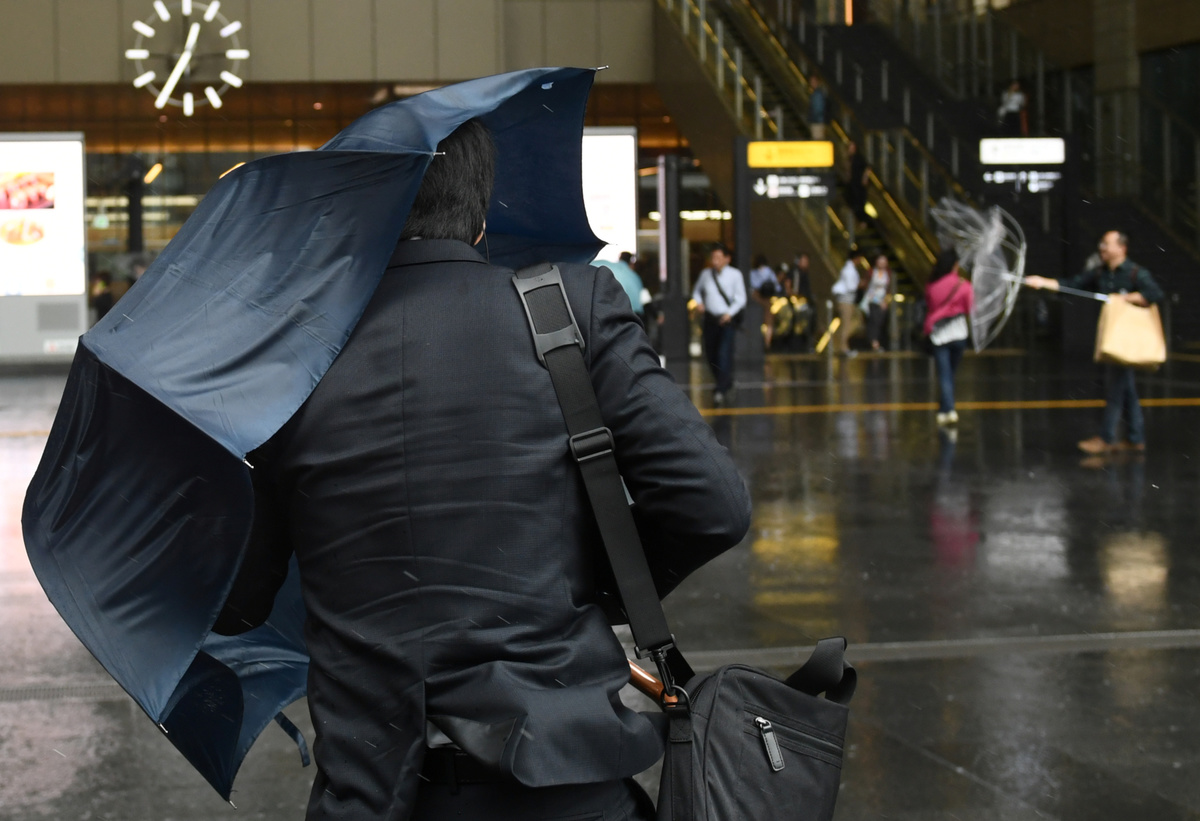
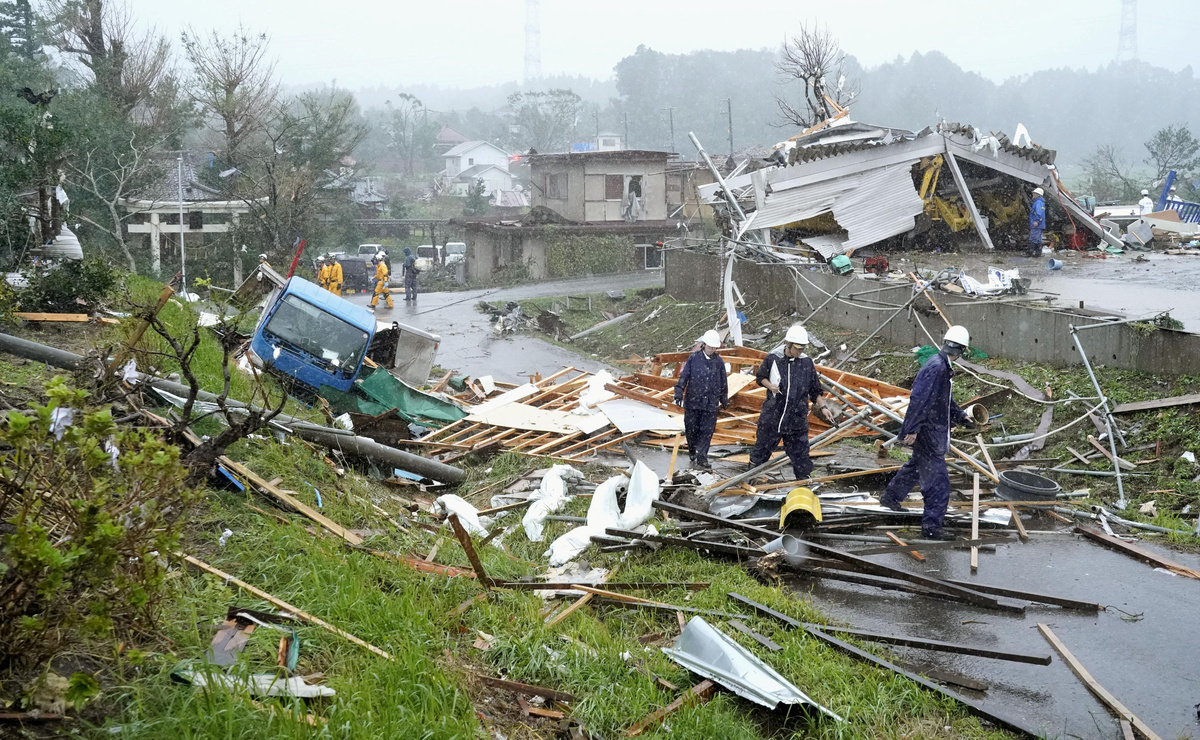
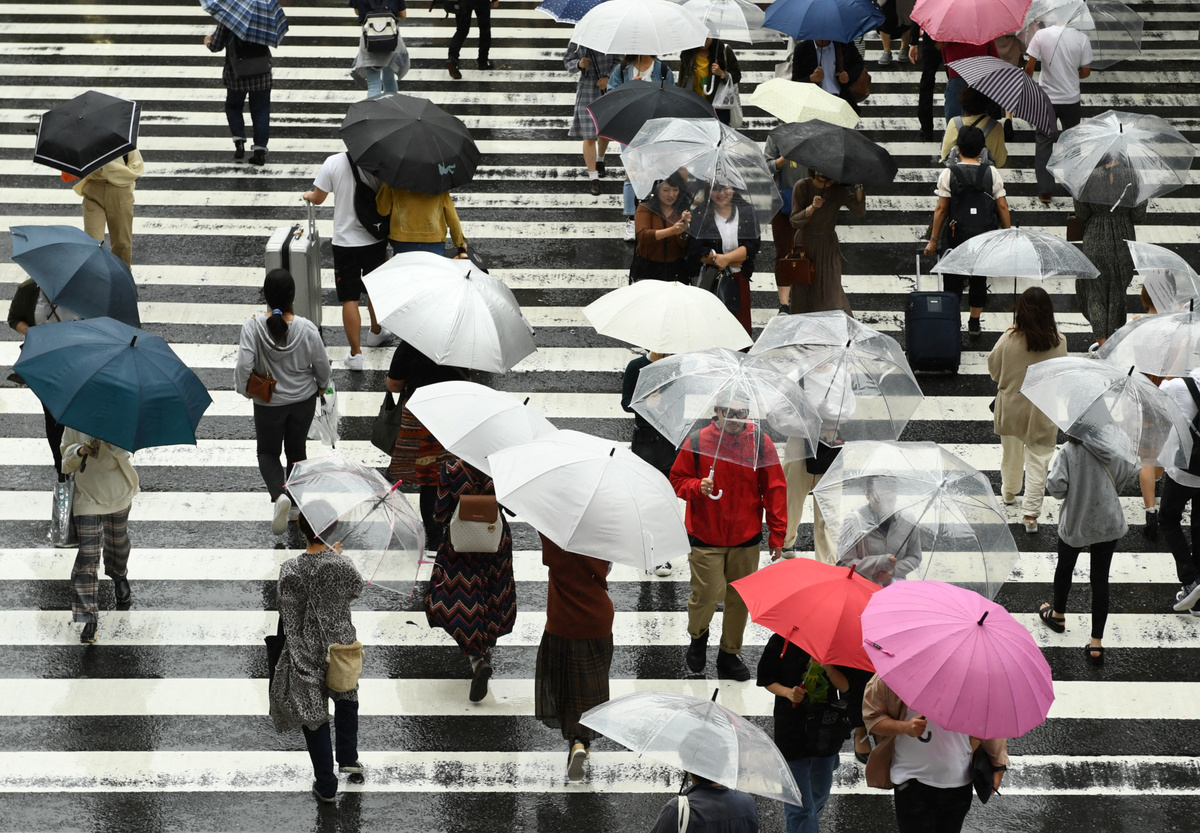
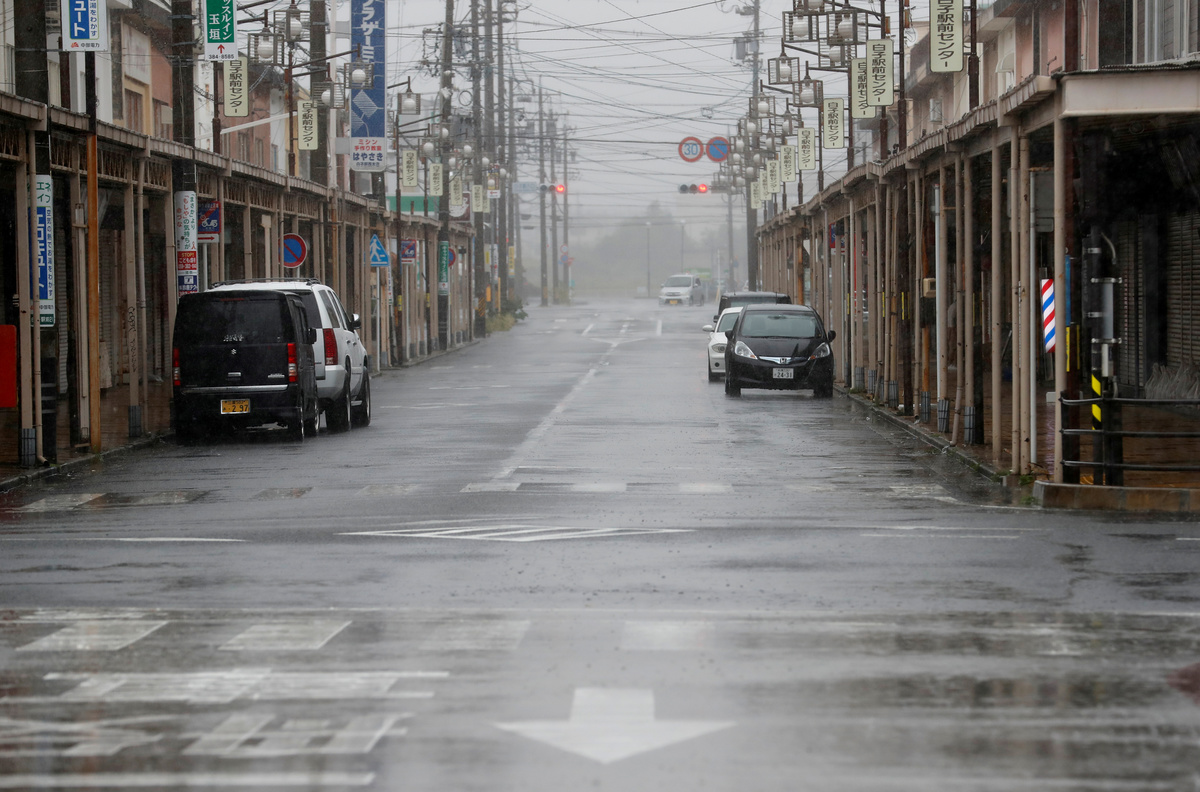
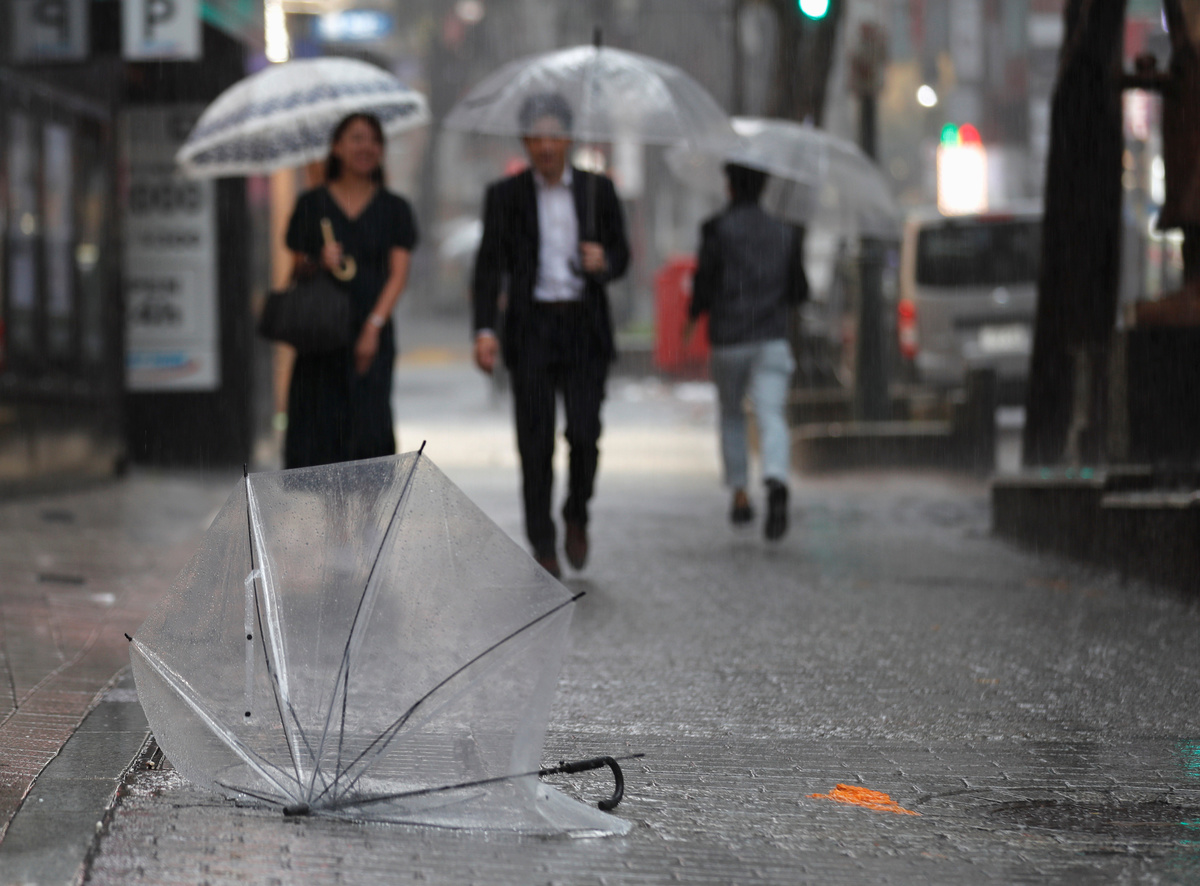
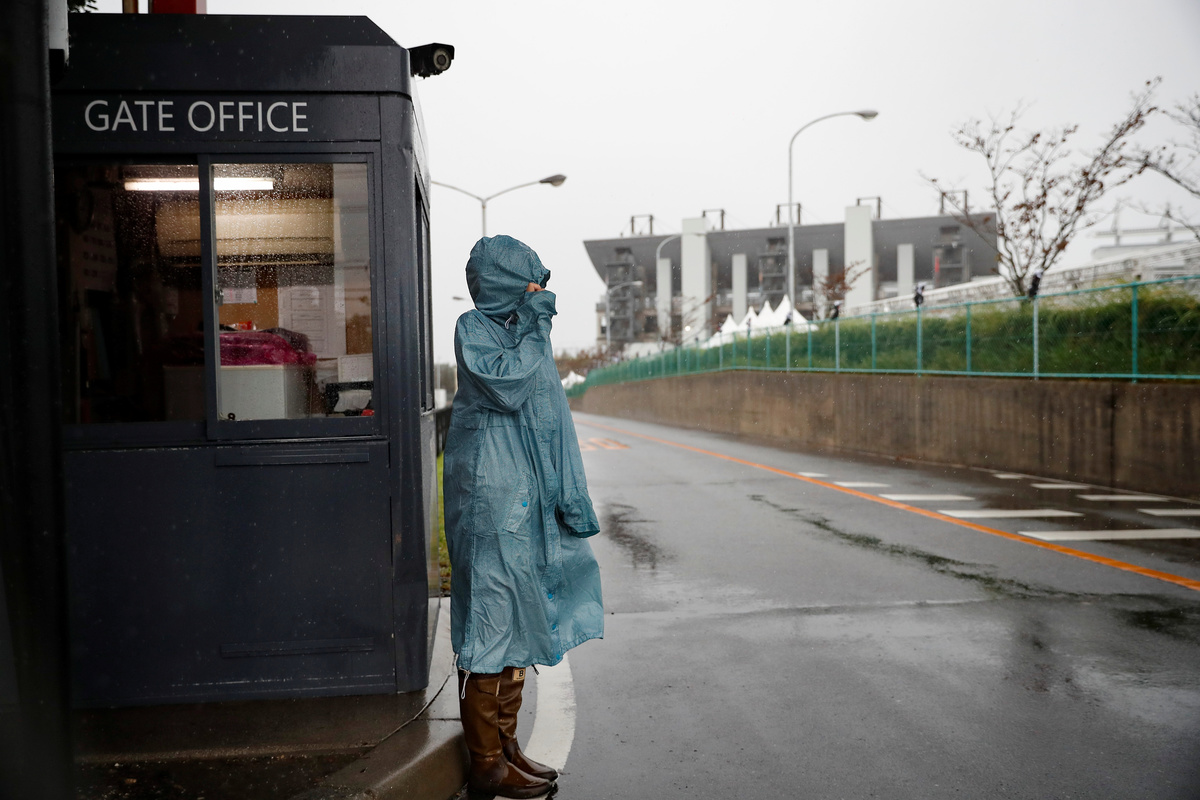
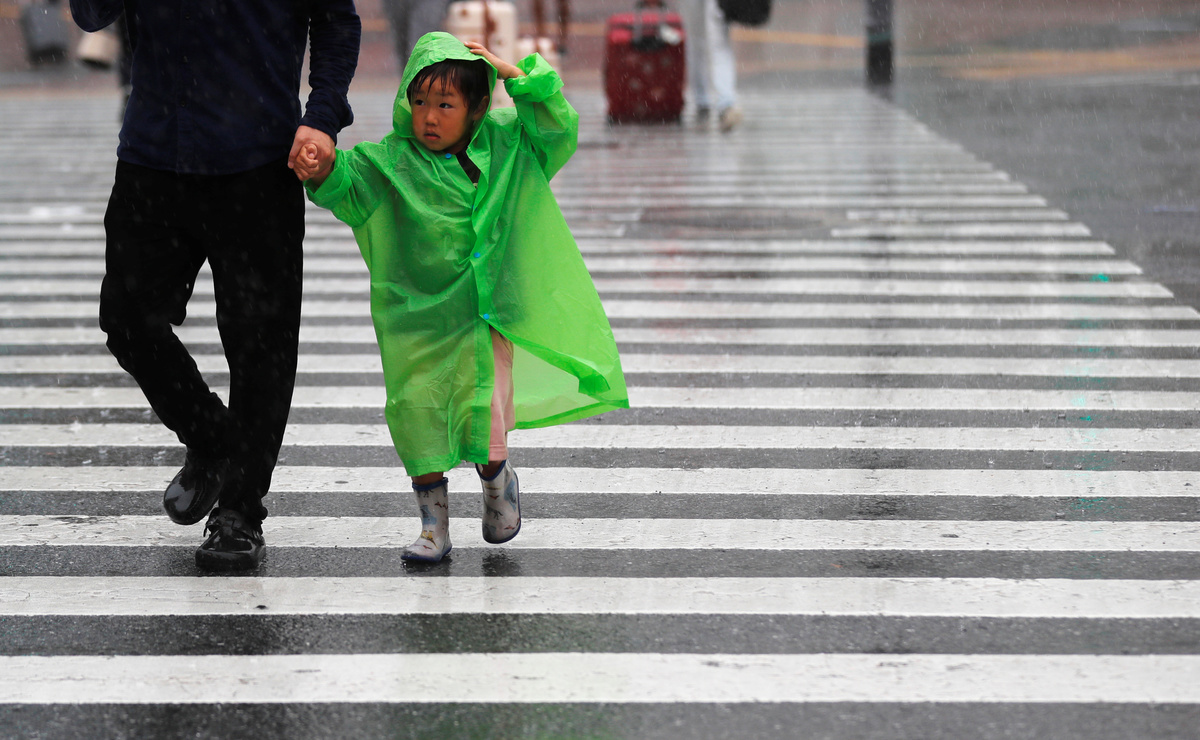
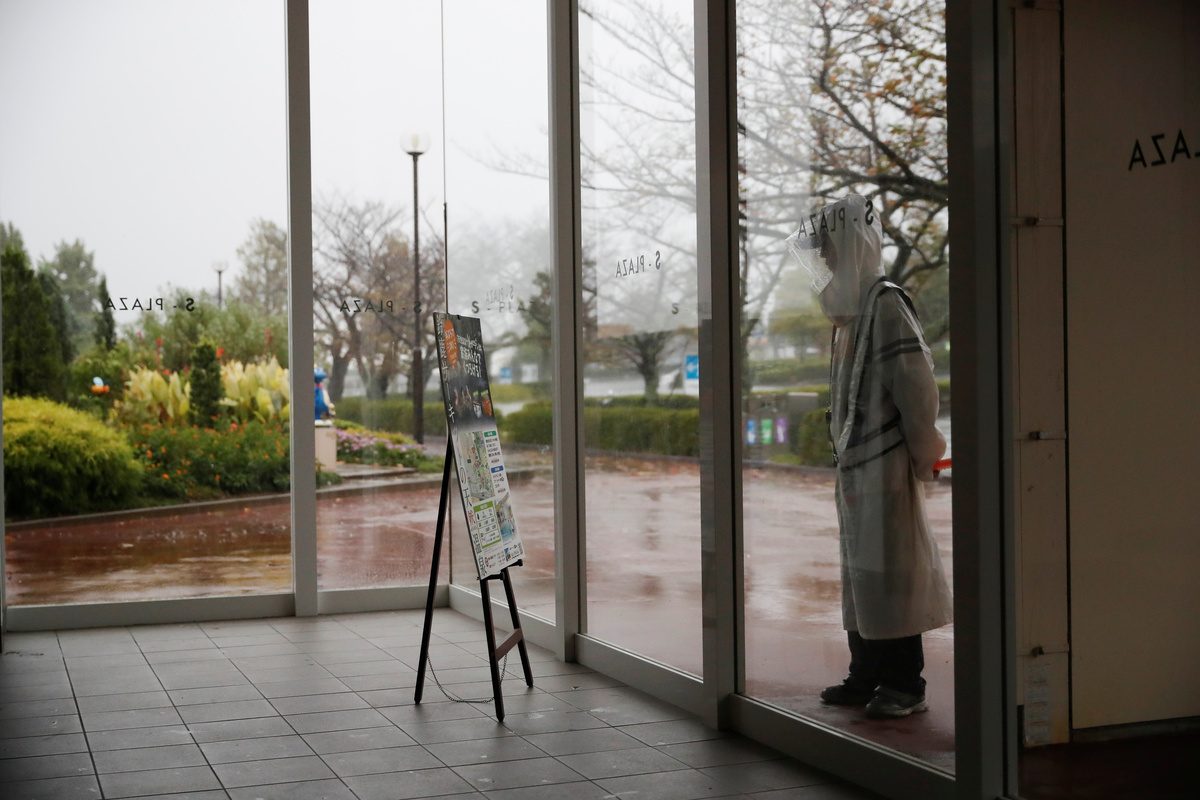
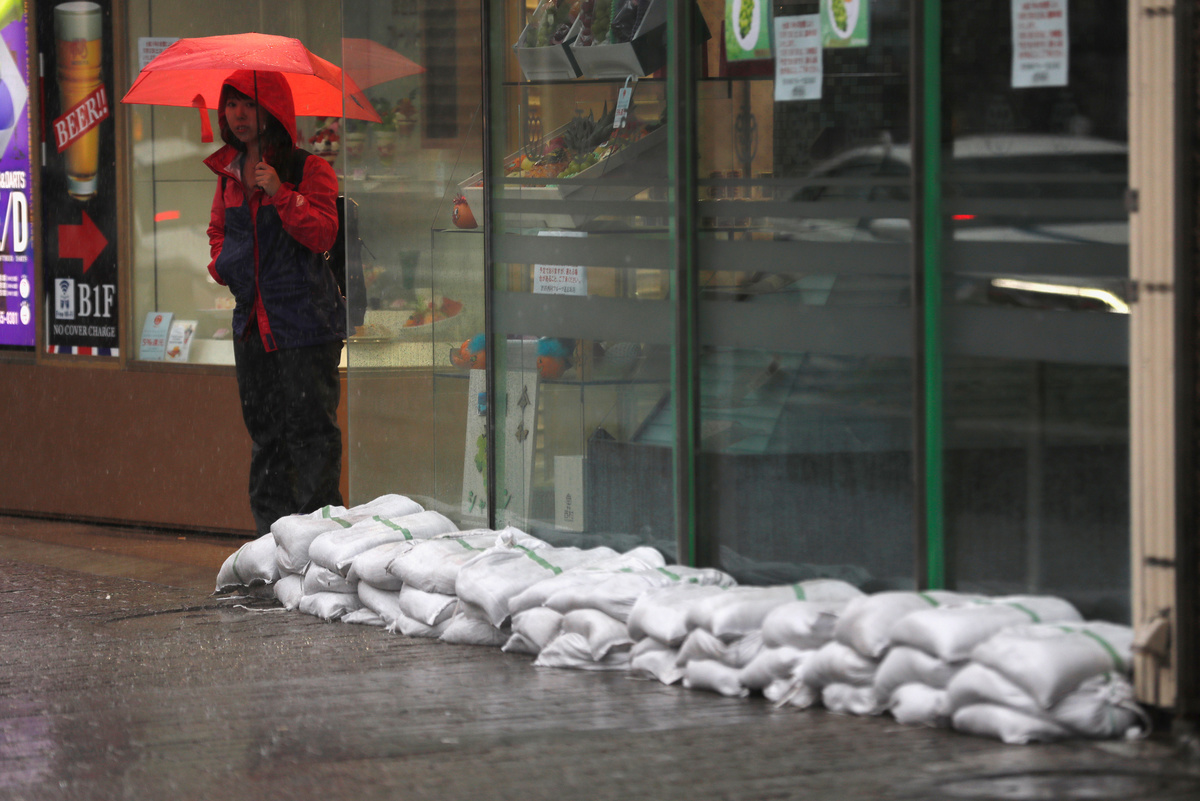
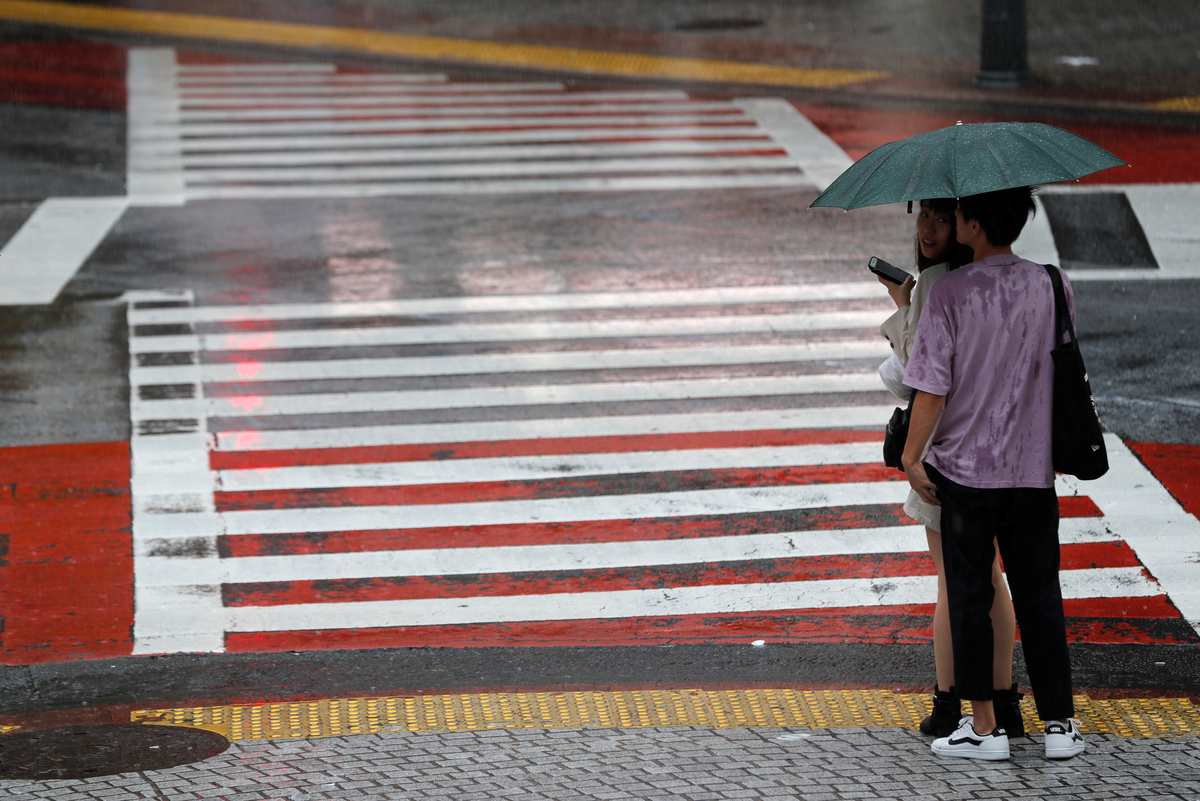
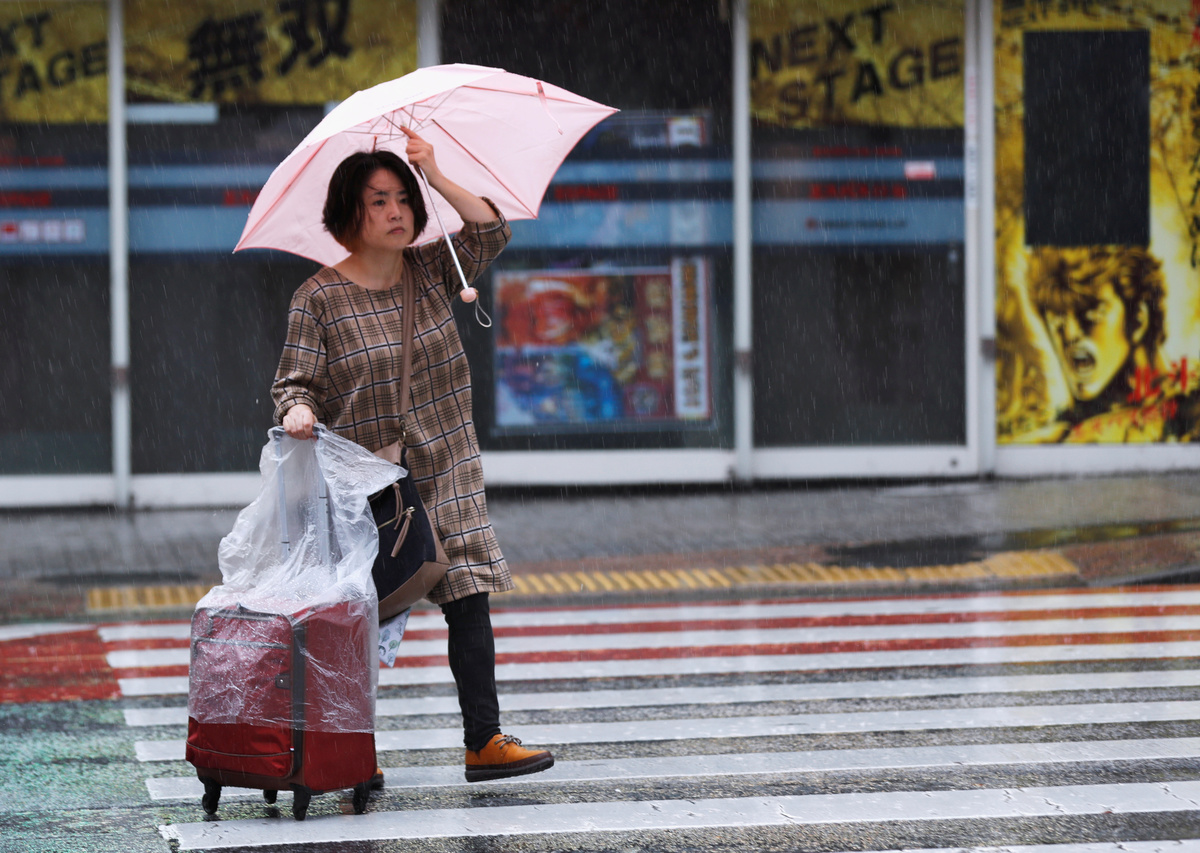
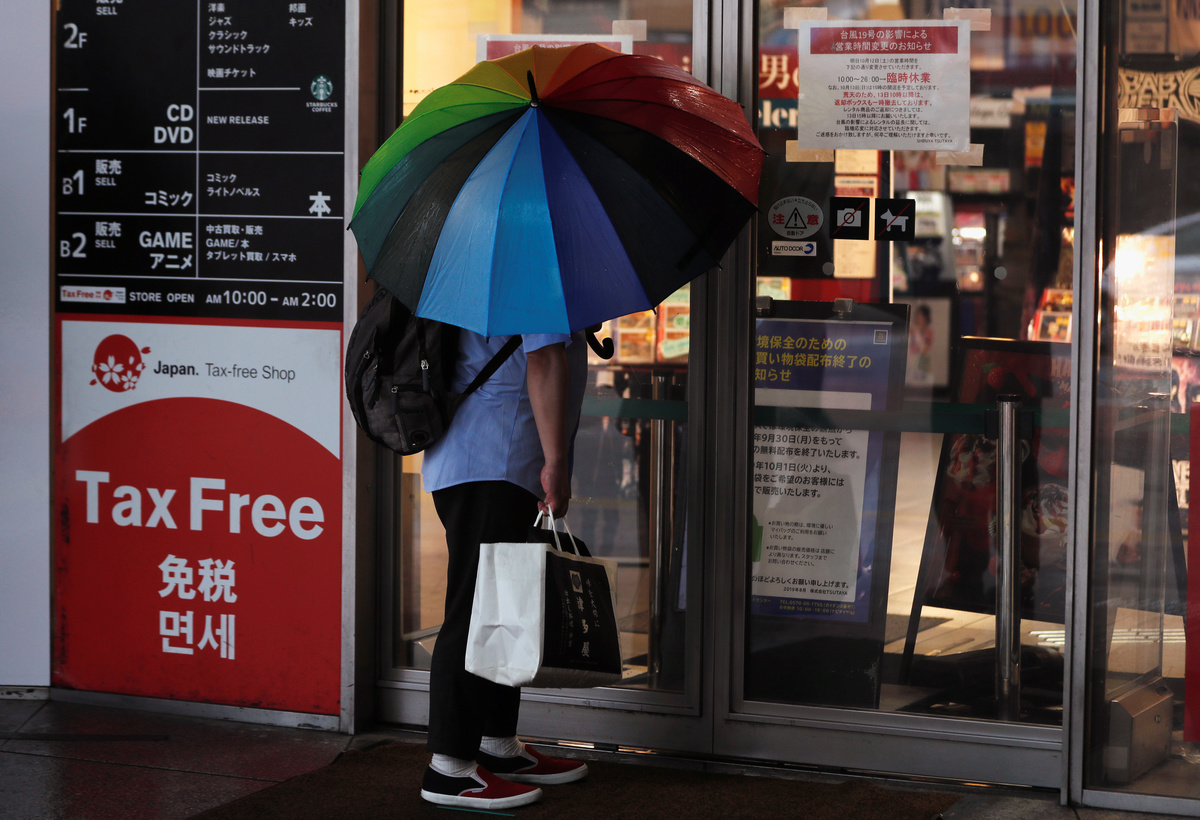
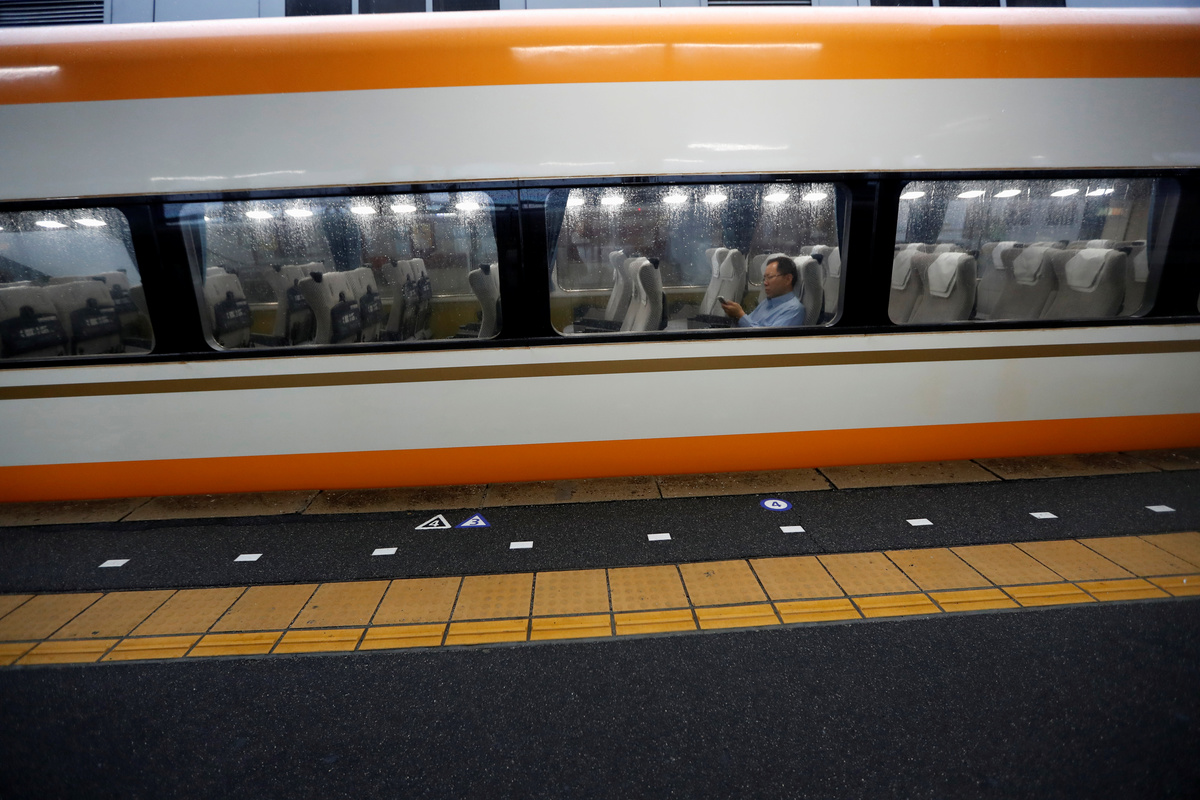
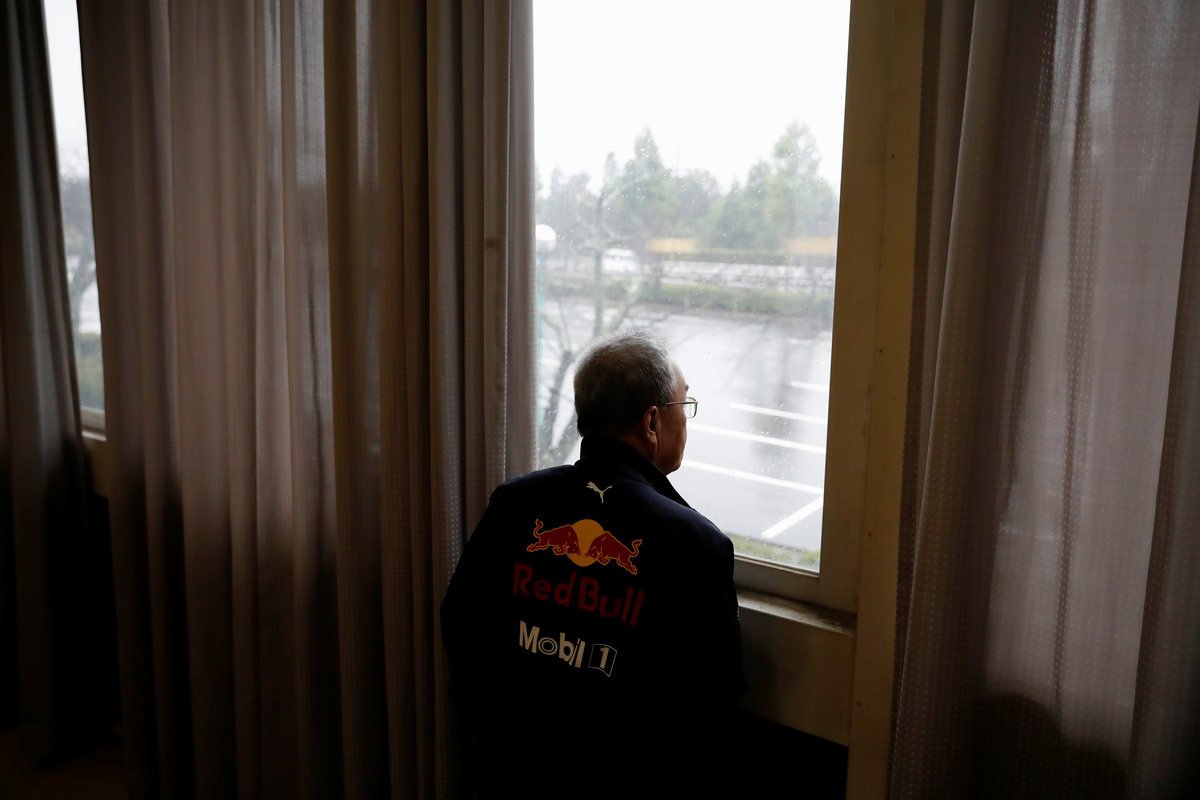
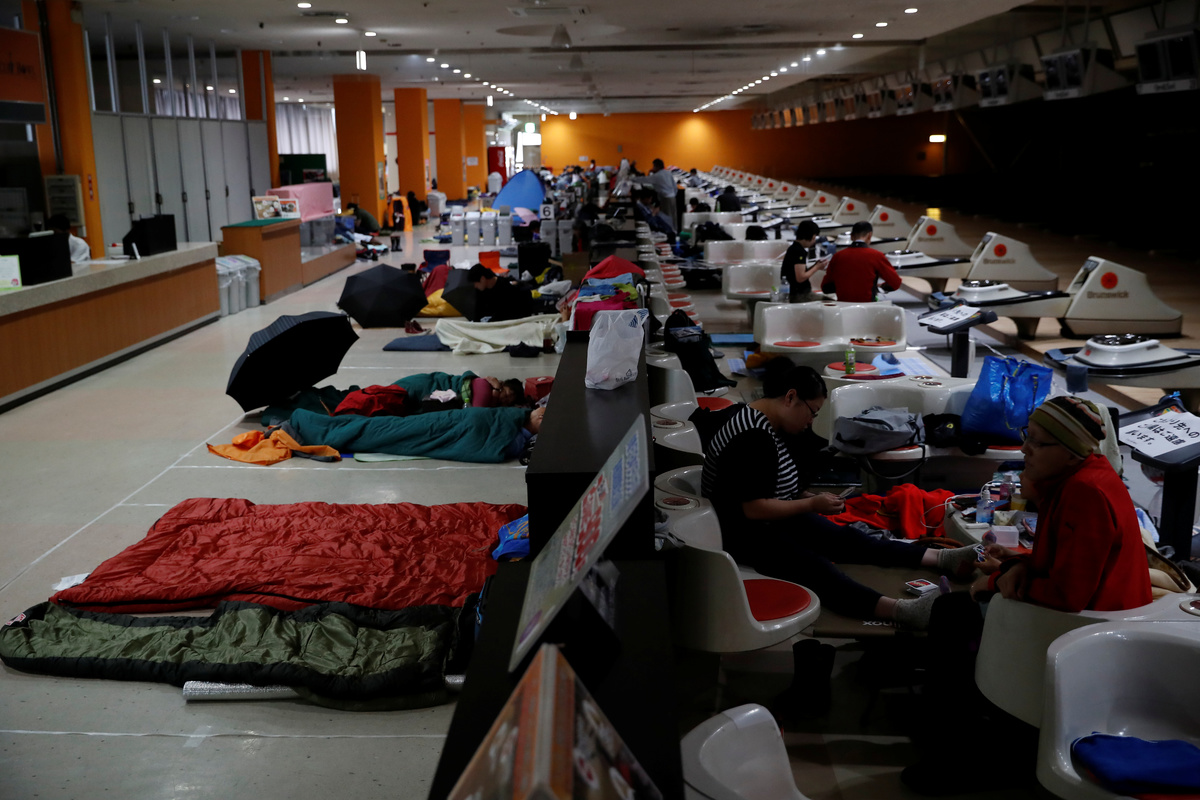
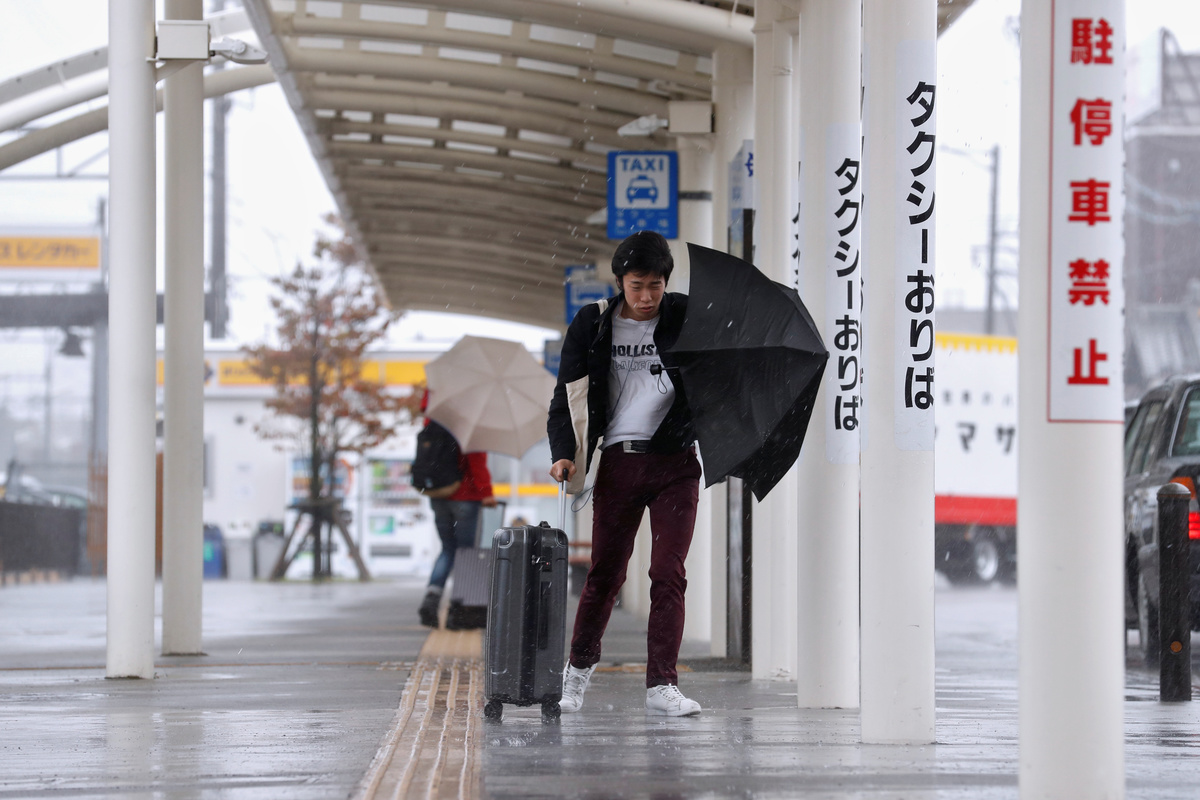
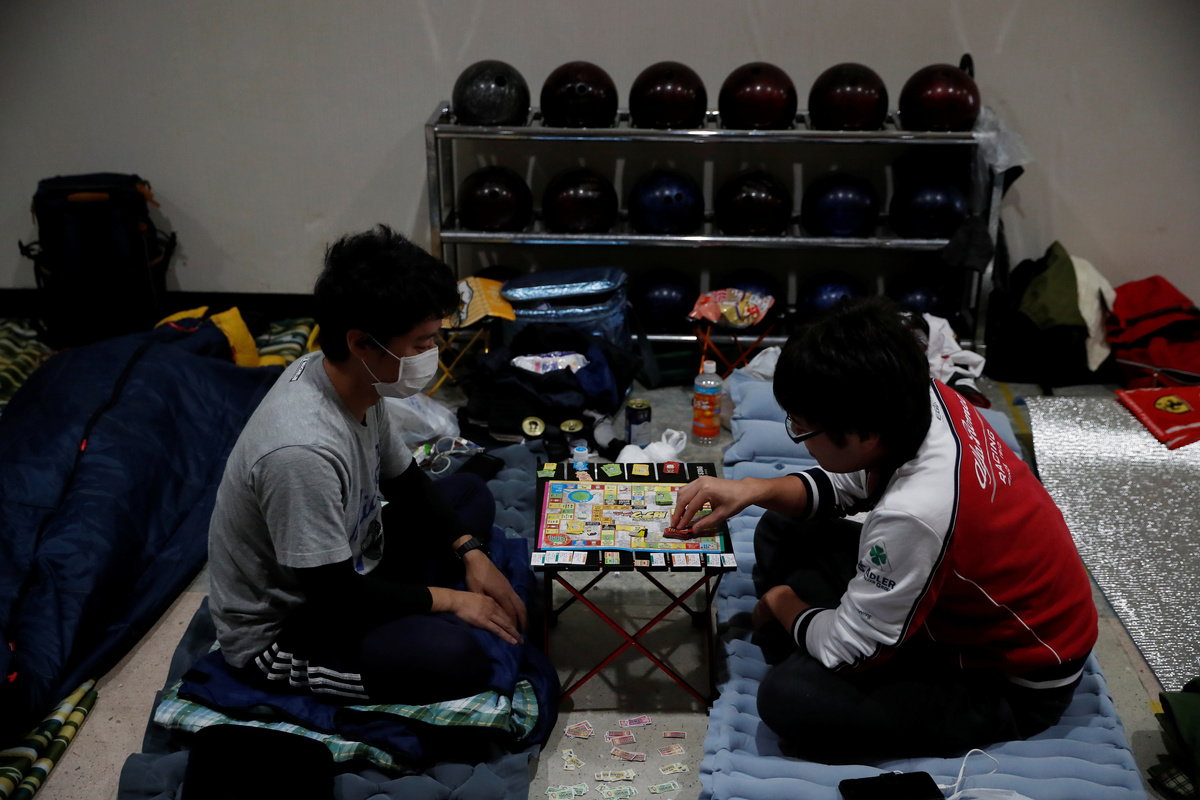
Heavy rains caused by Typhoon Hagibis flood a residential area in Ise, central Japan, in this photo taken by Kyodo October 12, 2019. Mandatory credit Kyodo/via REUTERS A man walks in the rain close to Osaka Station as Typhoon Hagibis approaches Osaka, Japan, October 12, 2019. REUTERS/Annegret HilseEmpty streets as people stay inside in preparation for Typhoon Hagibis in Yokohama, Japan October 12, 2019. REUTERS/Matthew ChildsDestroyed houses, cars and power poles, which according to local media were believed to be caused by a tornado, are seen as Typhoon Hagibis approaches the Tokyo area in Ichihara, east of Tokyo, Japan, in this photo taken by Kyodo October 12, 2019. Mandatory credit Kyodo/via REUTERS People walk in the rain over a pedestrian crossing near Osaka Station as Typhoon Hagibis approaches Osaka, Japan, October 12, 2019. REUTERS/Annegret HilseAn empty road leading into Shiroko, Suzuka, Japan October 12, 2019, seen in heavy rain ahead of Typhoon Hagibis. REUTERS/Soe Zeya TunDestroyed houses, cars and power poles, which according to local media were believed to be caused by a tornado, are seen as Typhoon Hagibis approaches the Tokyo area in Ichihara, east of Tokyo, Japan, in this photo taken by Kyodo October 12, 2019. Mandatory credit Kyodo/via REUTERS Roads are flooded due to heavy rains caused by Typhoon Hagibis in Shizuoka, Japan, in this photo taken by Kyodo October 12, 2019. Mandatory credit Kyodo/via REUTERS A broken umbrella lies on a street in heavy rain, ahead of Typhoon Hagibis in Tokyo, Japan, October 12, 2019. REUTERS/Kim Kyung-hoonDestroyed houses, cars and power poles, which according to local media were believed to be caused by a tornado, are seen as Typhoon Hagibis approaches the Tokyo area in Ichihara, east of Tokyo, Japan, in this photo taken by Kyodo October 12, 2019. Mandatory credit Kyodo/via REUTERS An official covers herself from strong wind caused Typhoon Hagibis, at Suzuka Circuit in Suzuka, central Japan October 12, 2019. REUTERS/Kim Hong-jiA child in a raincoat is accompanied by his father in heavy rain, ahead of Typhoon Hagibis in Tokyo, Japan, October 12, 2019. REUTERS/Kim Kyung-hoonA passenger carries an umbrella in heavy rain and wind after he gets off from a train at Shiroko, Suzuka, Japan October 12, 2019, ahead of Typhoon Hagibis. REUTERS/Soe Zeya TunA security official stands outside a makeshift accommodation for spectators who evacuate from Typhoon Hagibis, at Formula One Japanese Grand Prix at Suzuka Circuit in Suzuka, central Japan October 12, 2019. REUTERS/Kim Hong-jiRoads are flooded due to heavy rains caused by Typhoon Hagibis in Shizuoka, Japan, in this photo taken by Kyodo October 12, 2019. Mandatory credit Kyodo/via REUTERS A woman stands with an umbrella during heavy rain, ahead of Typhoon Hagibis in Tokyo, Japan, October 12, 2019. REUTERS/Kim Kyung-hoonPeople share an umbrella as they stand at a crosswalk in the heavy rain, ahead of Typhoon Hagibis in Tokyo, Japan, October 12, 2019. REUTERS/Kim Kyung-hoonA woman walks in heavy rain ahead of Typhoon Hagibis, in Tokyo, Japan, October 12, 2019. REUTERS/Kim Kyung-hoonA man looks at a notice stating a shop is closed temporarily ahead of Typhoon Hagibis, in Tokyo, Japan, October 12, 2019. REUTERS/Kim Kyung-hoonA man sits inside an almost-empty train during heavy rain and winds ahead of Typhoon Hagibis, at Shiroko Station, Suzuka, Japan October 12, 2019. REUTERS/Soe Zeya TunA spectator looks out from a makeshift accommodation for spectators as he evacuates from Typhoon Hagibis, at Formula One Japanese Grand Prix at Suzuka Circuit in Suzuka, central Japan October 12, 2019. REUTERS/Kim Hong-jiSpectators who evacuate from Typhoon Hagibis, gather at a makeshift accommodation for spectators of Formula One Japanese Grand Prix at Suzuka Circuit in Suzuka, central Japan October 12, 2019. REUTERS/Kim Hong-jiA passenger holds his umbrella in the heavy rain as he gets off from the train at Shiroko, Suzuka, Japan October 12, 2019, ahead of Typhoon Hagibis. REUTERS/Soe Zeya TunMen who evacuate from Typhoon Hagibis, play a game at a makeshift accommodation for spectators of Formula One Japanese Grand Prix at Suzuka Circuit in Suzuka, central Japan October 12, 2019. REUTERS/Kim Hong-jiSpectators who evacuate from Typhoon Hagibis, gather at a makeshift accommodation for spectators of Formula One Japanese Grand Prix at Suzuka Circuit in Suzuka, central Japan October 12, 2019. REUTERS/Kim Hong-ji
Sign up to read this article
Read news from 100's of titles, curated specifically for you.