In an emotional conversation that literally spans the ocean, two of the most prominent cases in the ongoing debate over when to discontinue life support for the brain dead or terminally ill are back in the news this week, one in America and the other in England.
On Monday, a lawyer for the parents of British baby Charlie Gard said the family had given up its legal fight to seek experimental treatment for their son in the United States, a campaign that drew the support of Pope Francis and President Donald Trump while others criticized such world leaders for weighing in without knowing all the facts.
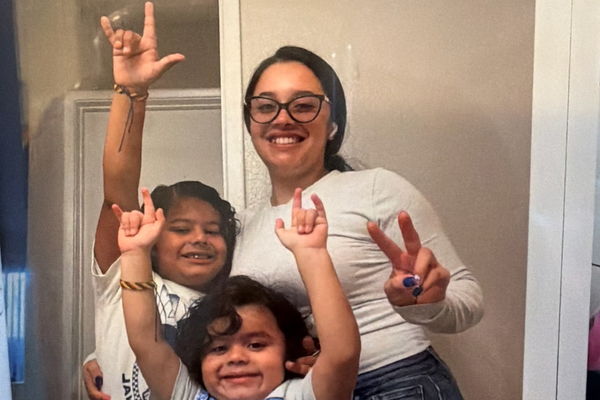
Also on Monday, the story of Jahi McMath took a much different turn: A noted California neurologist said that he had decided after studying 49 videos of the brain-dead girl that she was actually alive and getting better. That finding, submitted in a legal filing, could bolster the family's case to keep Jahi hooked up to a ventilator while they purse legal action against Children's Hospital in Oakland where the girl underwent a failed surgery in 2014.
The recent developments in these two high-profiles cases that have captured the world's attention promise to fuel the rousing debate around end-of-life issues such as when to remove a loved one from life support.
The story of the Gard baby has been a particularly emotional one ever since it first received notice back in the fall of 2016. Charlie, who will turn 1 year old on Aug. 4, was born with a genetic mutation that leads to weakened muscles and organ dysfunction, among other symptoms. With Charlie on life support since October, his parents had been trying to bring him to the United States for a last-ditch experimental therapy, but the doctors at his hospital argued that they had already done everything they could and that treatment in another country would not be in Charlie's best interest.
On Monday, Charlie's parents, Chris Gard and Connie Yates, said they had made their decision to abandon their quest following the latest medical reports and scans. The two broke down in tears as their attorney said time had run out for their 11-month-old. Outside the hospital, Charlie's father gave an emotional statement, saying the family might never know what would have happened had Charlie been allowed to receive the experimental therapy earlier in his short life.
"Had Charlie been given the treatment sooner, he would have had the potential to be a normal, healthy little boy," Chris Gard said, fighting back tears.
Justice Nicholas Francis, the judge presiding over the Gards' case, applauded the couple's efforts to save their son, while criticizing those who jumped into the debate.
"When cases such as this go viral," said Francis, "the watching world feels entitled to weigh in regardless of whether or not they are informed on the facts of the case."
Courts in England decided that Charlie should be allowed to die after an emotionally charged legal battle in which doctors asserted that the child had no chance of survival. Charlie's parents, on the other hand, argued that the experimental treatment in the United States was worth trying in their effort to save his life.
The case was taken all the way to the European Court of Human Rights, which eventually declined to hear the case, upholding previous court rulings that it was in Charlie's best interest to withdraw life support.
In the United States, relatives of McMath in 2015 quietly moved their daughter from the hospital in Oakland to an undisclosed location in New Jersey where she remains hooked up to a ventilator. The recent finding by University of California, Los Angeles neurologist Dr. Alan Shewmon now threatens to further complicate the case while giving McMath's family hope that she'll somehow survive her ordeal.
As both the McMath and Gard stories continue to unfold, their cases are stirring widespread and at times angry debate over how such dilemmas should be resolved. Dr. Paul Byrne, a pediatrician who like Shewmon and others has questioned the definition of brain death, said in court documents that he visited McMath and saw her respond to her grandmother's voice and touch with a squirming movement.
"In my opinion this signifies she is not dead," Byrne said at the time. "She should receive treatment as she is alive just like everyone else with severe head injury. ... If she gets treatment, she will have a chance to recover brain function."
But even among medical professionals, there can be sharp differences of opinion on what "death" really means.
"Sadly and tragically," said Dr. David Magnus, a pediatrics professor and Chair of the Stanford Center for Biomedical Ehtics, "Jahi McMath has already died."