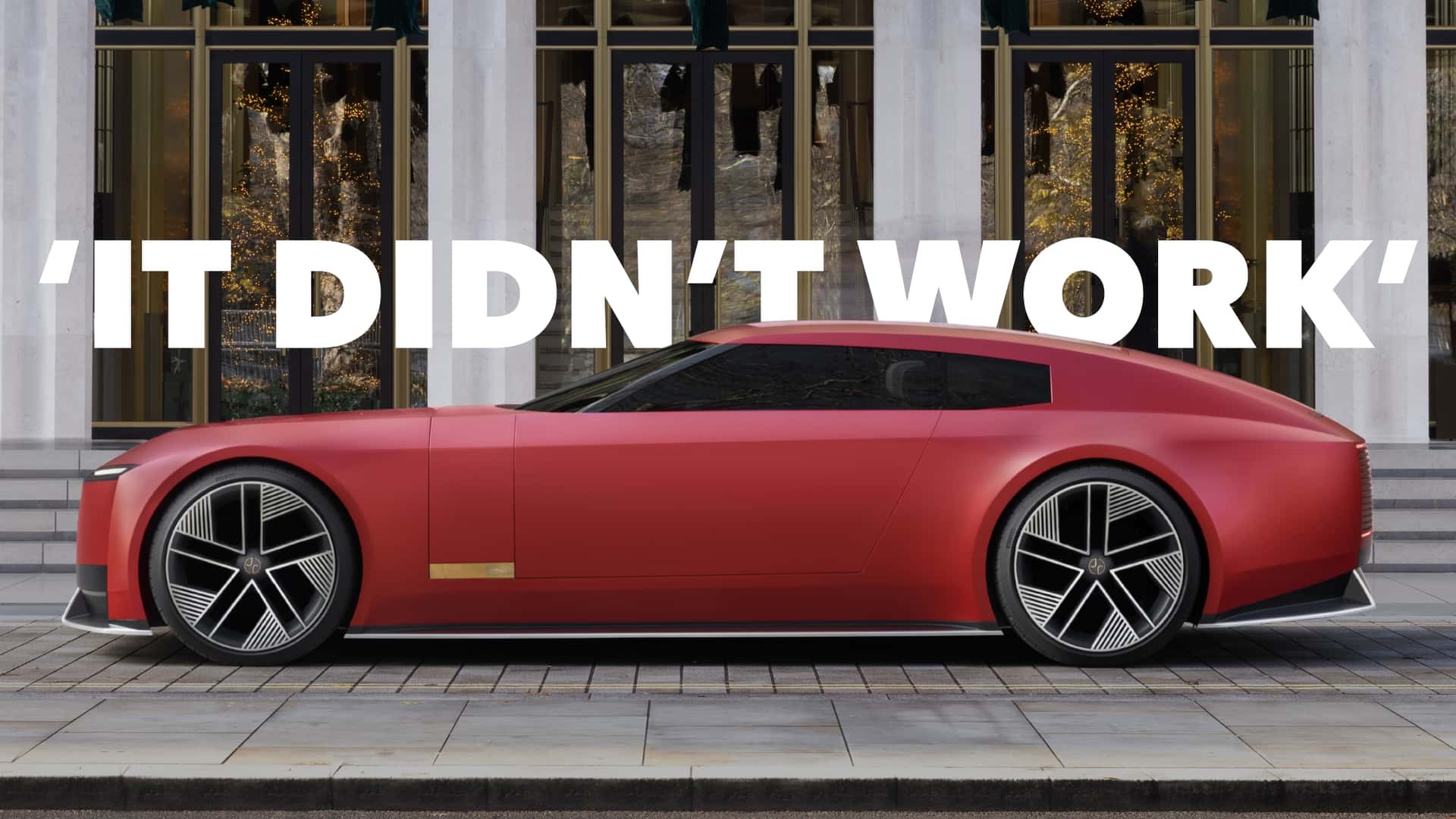
Jaguar’s future won’t look like its past, and that’s on purpose. Until just recently, the British brand was focused on competing with German automakers in the premium space with a lineup of luxury sedans, SUVs, and sports cars. Unfortunately, that strategy never worked, with the company failing to keep up with its counterparts throughout Europe and Asia.
In 2019, before the pandemic-induced shortages and the global economic fallout, Jaguar sold just 31,051 vehicles in the United States, up 2.0 percent from 30,483 in 2018. But that pales in comparison to its rivals from Germany and Japan—and things have only gotten worse.
That same year, BMW sold 324,000 vehicles while Mercedes-Benz took the top spot as America’s best-selling luxury brand in 2019 with over 357,000 sales. Lexus was the country’s third best-selling luxury brand with nearly 300,000 cars sold, all three with 10 times the volume of Jaguar.
Even Audi outsold the struggling brand, selling over 210,000 vehicles in 2019.
| Brand | 2019 Sales |
| Mercedes-Benz | 357,729 |
| BMW | 324,826 |
| Lexus | 298,114 |
| Audi | 224,111 |
| Jaguar | 31,051 |
The automaker’s great experiment to take on the Germans and compete in the volume premium space against BMW, Mercedes-Benz, and Lexus failed. Rawdon Glover, Jaguar's managing director, admitted in a recent interview with Top Gear that the previous iteration of Jaguar "didn’t work commercially" as a BMW and Mercedes fighter. He said:
'It didn’t work. Jaguar didn’t work commercially. So we were at a crossroads, because just continuing as we were and saying, 'well, let’s just do what we’re doing and sell more,' doesn’t work.'
Jaguar sales have continued to decline, falling to the low five-figures ahead of the brand’s production winddown. Last year, when the company announced its strategy, former Jaguar CEO Adrian Mardell told investors the current lineup was generating "close to zero profitability," and no company can operate like that long-term.
So, Jaguar is leaving the volume luxury segment behind for—hopefully—more profitable pastures upmarket spearheaded by the Type 00 concept. Glover said the brand sees space for itself between volume luxury players like BMW and higher-end brands like Rolls-Royce.

The company aims to operate at the lower end of the six-figure price point. The launch edition of Jaguar’s next car is supposed to cost £140,000in the United Kingdom, with Jaguar targeting an average brand price of around £120,00. That translates into $187,000 and $160,000, respectively, in the US.
Jaguar’s bold bet on the future comes with big risks, but the brand has little to lose at this point. It’s no longer producing its old lineup and is instead focused on bringing a new production vehicle to market with new ambitions.

Source: Top Gear