Gajak is a winter favourite of Indians. It is healthy, delicious and keeps the body warm in cold weather. It is made with simple ingredients and is a wholesome snack or dessert. It also has cultural significance and is eaten during festivals like Lohri and Makar Sankranti.
Health Benefits of Eating Jaggery Gajak
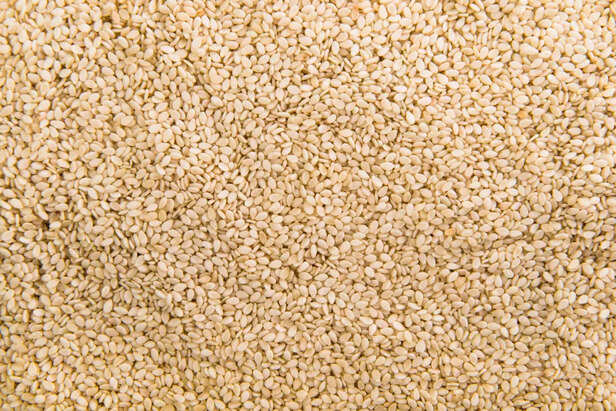
It is made of jaggery and sesame seeds and has been a staple food since generations. The jaggery provides energy and the sesame produces warmth, making it a great and healthy food for winters. This is why it is a big part of winter festivals as well.
Simple Homemade Jaggery Gajak Recipe
- Making gajak with jaggery at home is very simple.
- Toast the sesame seeds in low flame until it becomes aromatic.
- In a pan heat ghee, and put broken or grated jaggery. Melt on low heat and stirred with a constant movement.
- When the jaggery is of sticky consistency, put in the roasted sesame seeds and mix immediately.
- Pour the mixture on a surface greased with ghee and roll it out.
- Cut into pieces and let it cool.
When and How to Eat Jaggery Gajak for Best Results
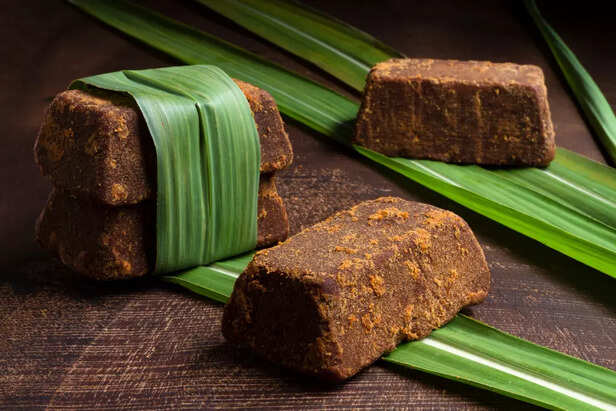
- Jaggery gajak can be eaten after lunch as a dessert as it will provide energy for the rest of the day.
- 1-2 pieces of this is enough for a day.
- People with diabetes should limit its consumption.
Unlock insightful tips and inspiration on personal growth, productivity, and well-being. Stay motivated and updated with the latest at My Life XP.
Frequently Asked Questions (FAQs)
-
What is gajak made of?
Gajak is usually made from jaggery, sesame seeds, and a small amount of ghee. Some variations may include peanuts or dry fruits.
-
Why is gajak recommended during winter?
Sesame seeds produce heat in the body and jaggery boosts energy, making gajak ideal for maintaining warmth in winter.
-
Can gajak cause weight gain?
Overconsumption can lead to weight gain due to its calorie content. Eating 1 to 2 pieces a day is usually sufficient.