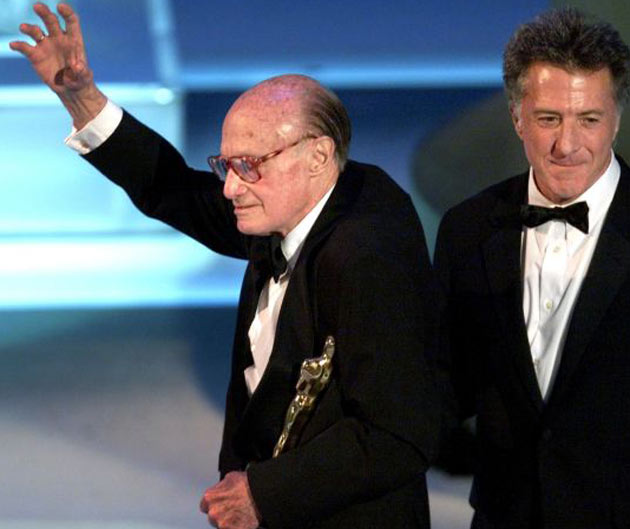
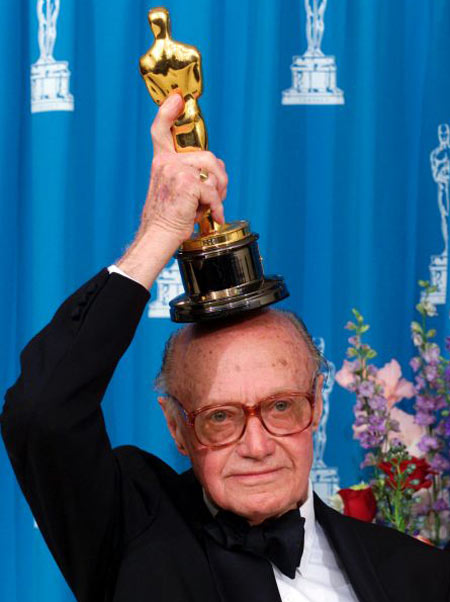
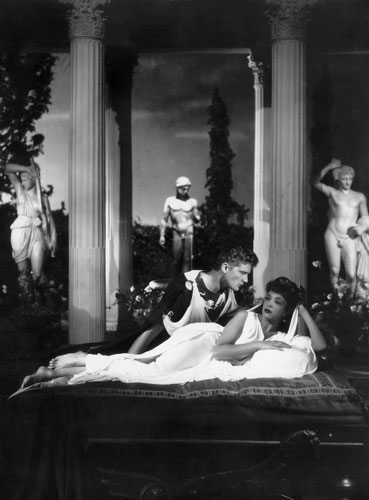
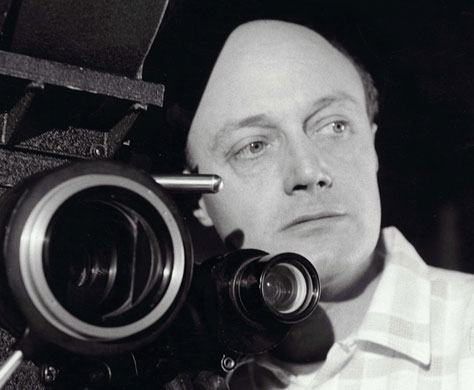
'Simplicity is the secret of good lighting and good cinematography,' the great British cinematographer Jack Cardiff, who died today at the age of 94, once reflected. 'Always keep it simple.' In 2001 he was rewarded with an honorary Oscar ...Photograph: Gary Hershorn/Reuters... which he received with characteristic good humourPhotograph: Sam Mircovich/ReutersCardiff was born in Norfolk in 1914, the son of music-hall entertainers. His career began as a clapper-boy; his first camera credit was on The Last Days of Pompeii (1935)Photograph: The Kobal Collection/Kobal
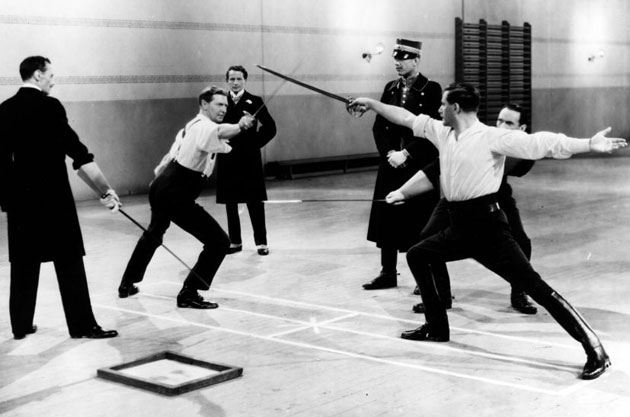
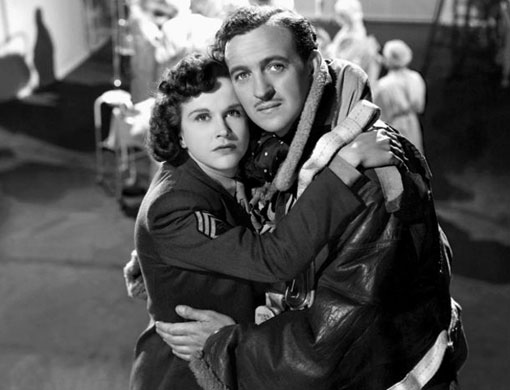
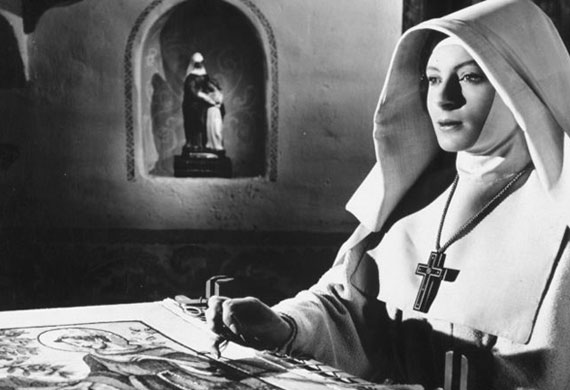
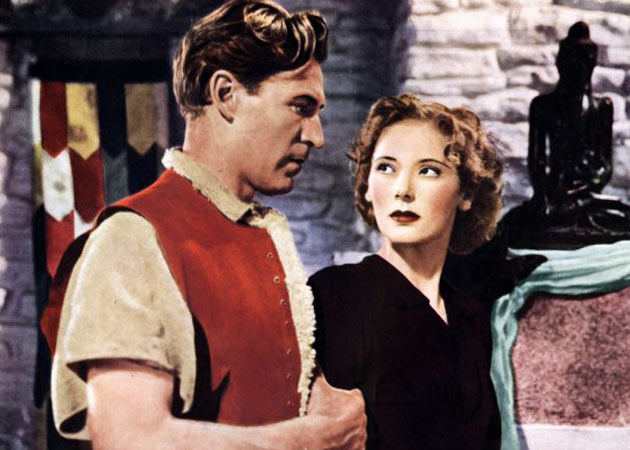
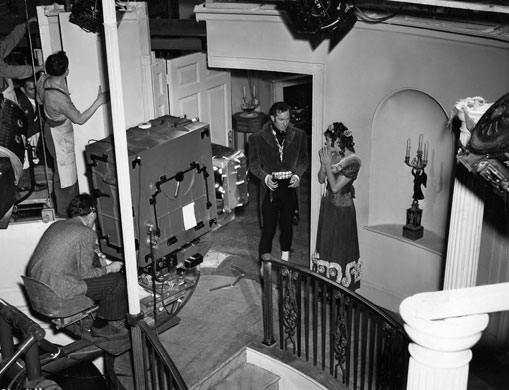
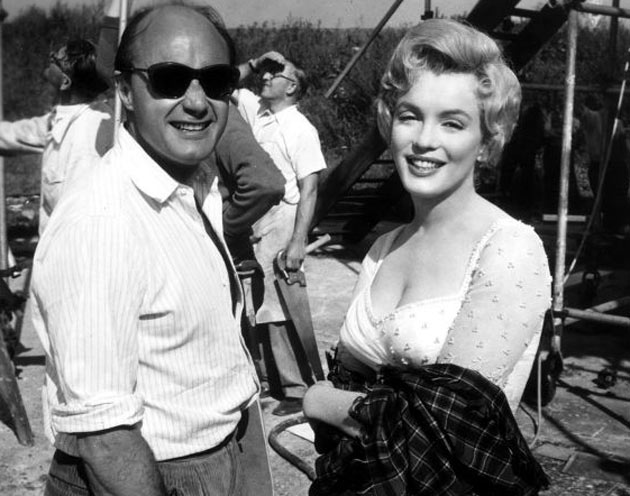
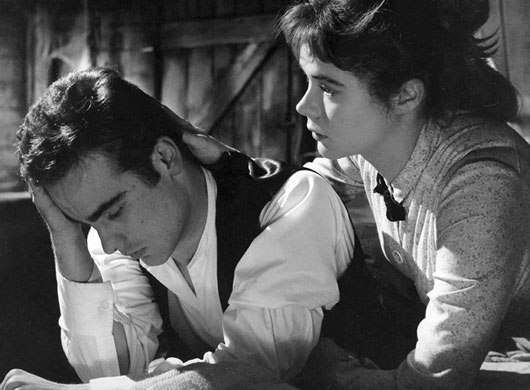
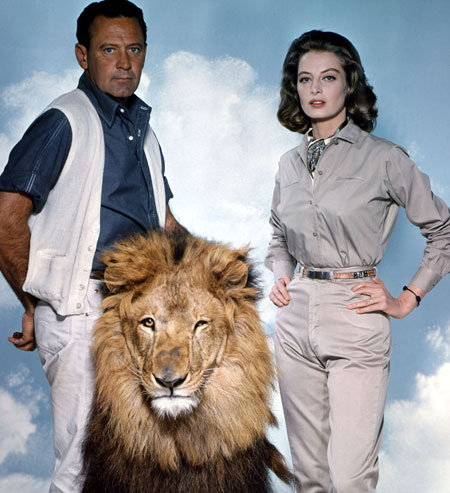
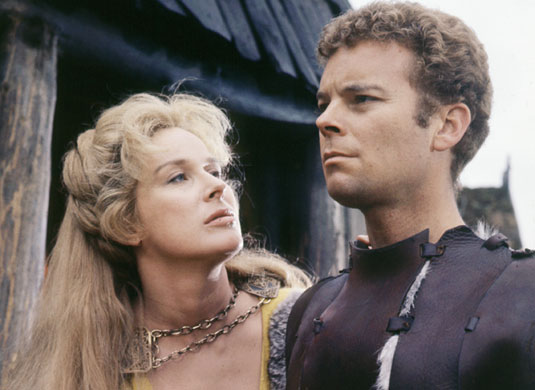
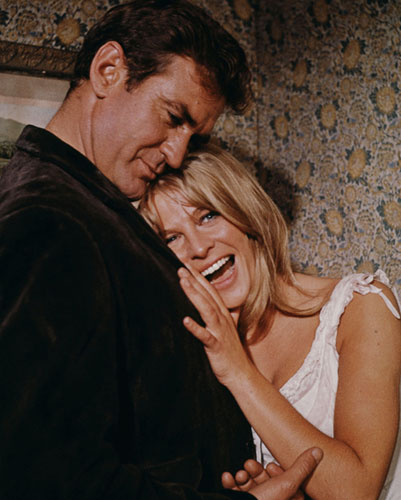
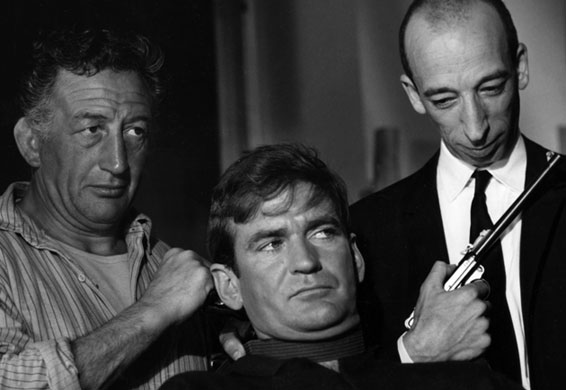
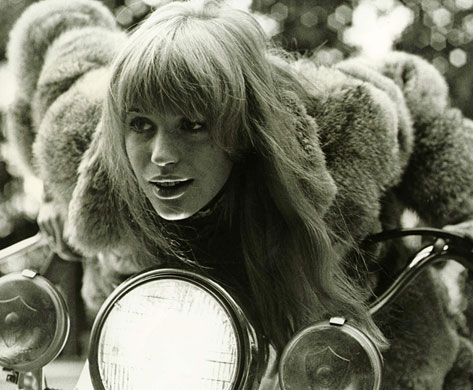
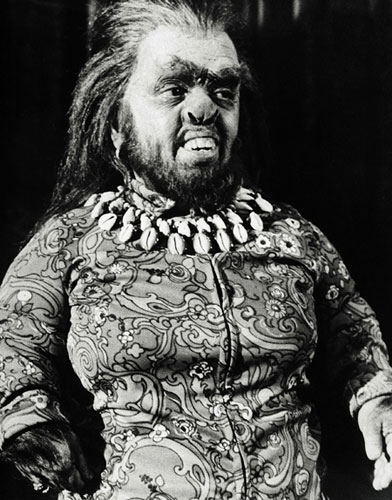
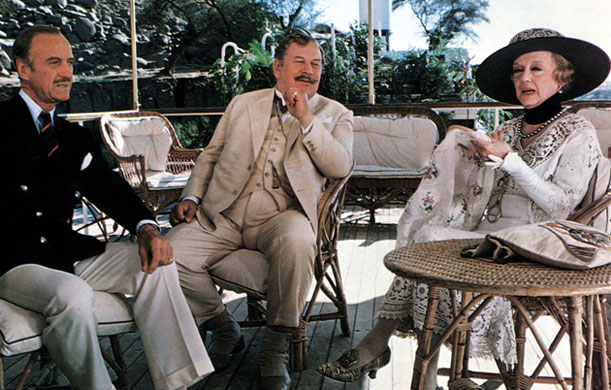
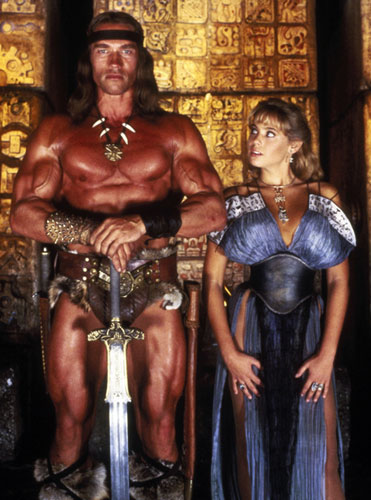
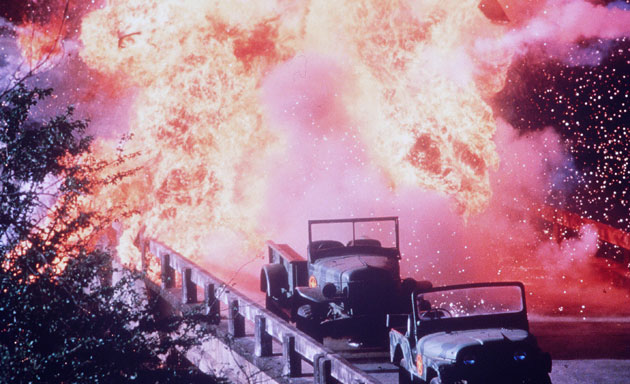
Cardiff's breakthrough came in 1943, when he was hired as a second unit cameraman on Powell and Pressburger's The Life and Death of Colonel BlimpPhotograph: Ronald Grant ArchivePowell and Pressburger were so impressed they upgraded him to cinematographer for their next film, A Matter of Life and Death (1946)Photograph: Allstar/Cinetext/RankAnd Black Narcissus (1947), for which Cardiff won an Oscar after recreating the Himalayas on a soundstage at Pinewood studiosPhotograph: Cinetext/AllstarCardiff was the first Brit to shoot a film in Britain in Technicolor: Wings of the Morning (1937). But it was his work on Black Narcissus that is still perhaps the most extraordinary example of how to use the technologyPhotograph: PRAs Cardiff's stock rose, directors became eager to use his talents. He worked for Alfred Hitchcock in Under Capricorn (1948)Photograph: The Kobal Collection/KobalAnd Laurence Olivier on The Prince and the Showgirl (1957). Marilyn Monroe hailed him as 'the best in the world' Photograph: BFICardiff branched into directing his own films in the late 1950s; his first major success was an adaptation of DH Lawrence's Sons and Lovers (1960)Photograph: The Kobal Collection/KobalThe Lion, two years later, was a family weepie about a young girl who befriends a big cat while living on a wildlife reserve in KenyaPhotograph: The Kobal Collection/KobalThe Long Ships (1964) boasted a remarkably surreal plot involving a massive bell, ancient monks, Viking market traders and Islamic leaders ... and a long shipPhotograph: The Kobal Collection/KobalCardiff replaced John Ford as director of Sean O'Casey biopic Young Cassidy (1964) after the director fell ill halfway through the shootPhotograph: The Kobal Collection/KobalThe Liquidator (1966) was a Bond-inspired spy drama about a secret agent with a fear of flyingPhotograph: The Kobal Collection/KobalThe Girl on a Motorcycle (1968) was Cardiff's most enduring success as a director. Marianne Faithfull played the libidinous lady biker; Alain Delon her lover. It was released in America under the title Naked Under LeatherPhotograph: The Kobal Collection/KobalThe Mutations (1973) was Cardiff's final film in the director's chair. Donald Pleasence played a rogue biologist who mixes the DNA of his students with various other bits and bobs from assorted speciesPhotograph: The Kobal Collection/KobalDeath on the Nile (1978). Cardiff was as happy lensing high art masterpieces as he was highly mainstream farePhotograph: The Kobal Collection/KobalAs was proved when he took on cinematographer duties on Conan the Destroyer (1984)Photograph: The Kobal Collection/KobalThe point was rammed home when he shot Rambo: First Blood - Part II (1985)Photograph: The Kobal Collection/KobalJack Cardiff died today, 22 April 2009, aged 94. In 2001 he reflected that in another life he'd have liked to be a painter. 'You can learn so much about lighting from paintings,' he said. 'All young people starting in the film business should study paintings. I believe that if they had existed today, these great painters would have been magnificent cameramen.'Photograph: The Kobal Collection/Kobal
Sign up to read this article
Read news from 100’s of titles, curated specifically for you.