
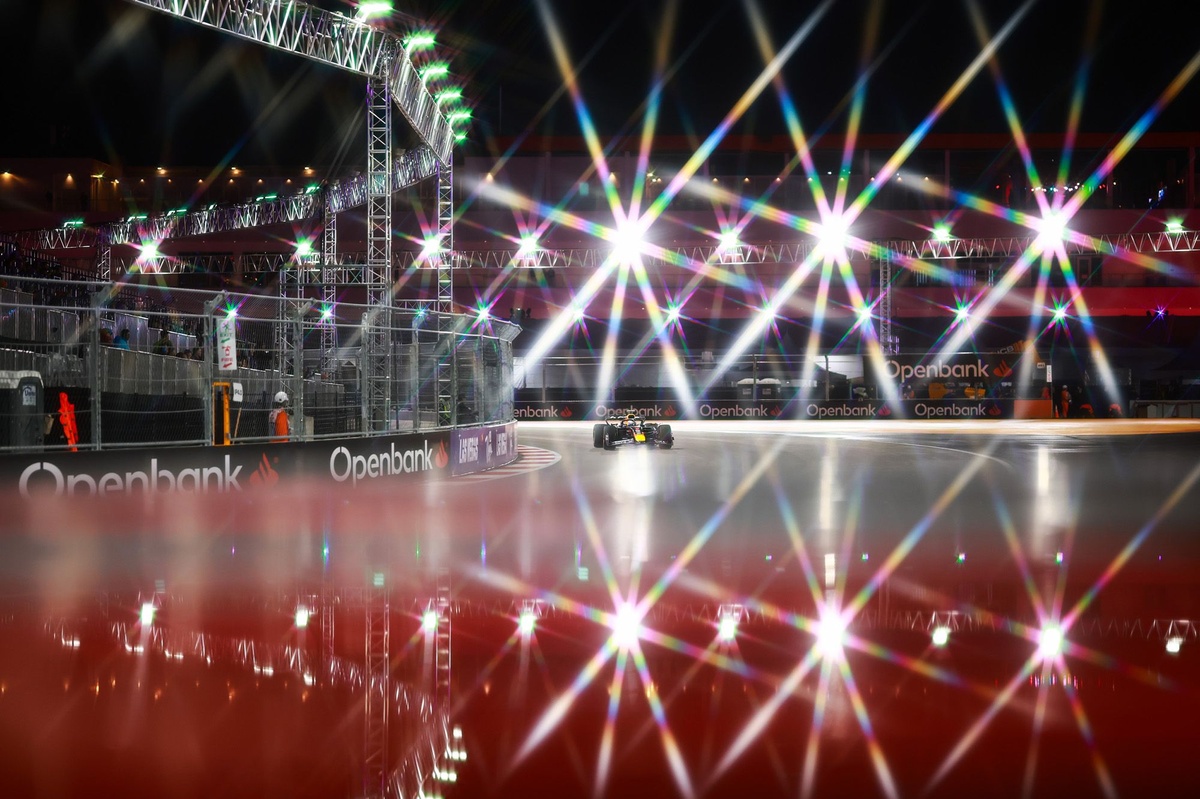
F1 grands prix have become much than sporting events. They now stretch over four days of fan engagement with star music acts, cultural events, top chefs and diverse activities for fans.
Promoter fees generate around $1billion of income annually for F1, almost a third of the total revenue. They can also have a massive economic impact for a city or a country; Las Vegas has pulled in over $900m each year from its race, while Sao Paolo reported a positive impact of £329m from November’s race.
No surprise then that there are more cities and countries wanting F1 races than there are slots on the calendar. Fitting in 24 grands prix is no easy task.
It falls to Louise Young, Director of Race Promotion at F1, who works closely with CEO Stefano Domenicali and Liberty Media. Louise rarely gives interviews, so what she has to say here is a must-listen for every F1 fan.
We are seeing a trend for longer-term renewals, with Miami contracted to 2041 and many races including the Monaco GP and the British GP at Silverstone signed up for a decade.
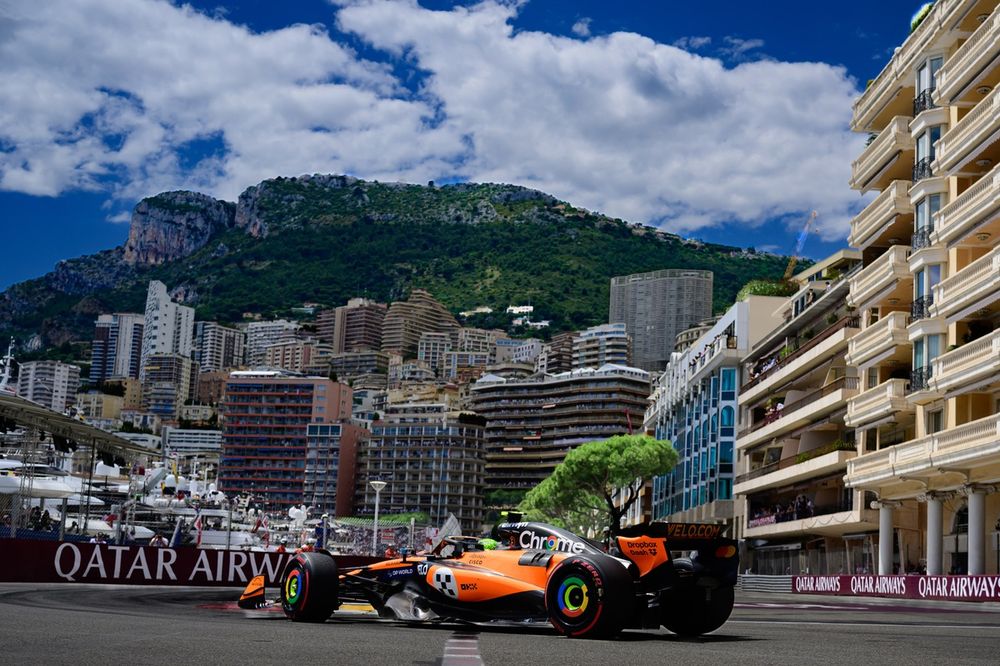
What do these long contracts say about the confidence on both sides that F1 will still be booming beyond 2035? How is the F1 calendar decided each season and will we see more races in Asia, the US or Africa at the expense of rounds in Europe?
James is joined in the studio for analysis by Autosport F1 writer Filip Cleeren.
Voting is still open for the 38th Autosport Awards. Vote for your Driver, Team and Rookie of the Year here.
Send your comments or questions to: @jamesallenonf1 on X or jamesallenonf1@autosport.com.











Read and post comments