J Henry Fair: Abstraction of Destruction - in pictures
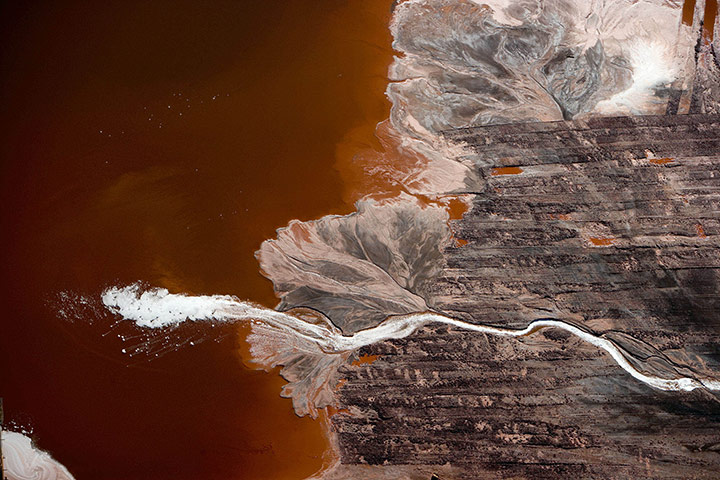
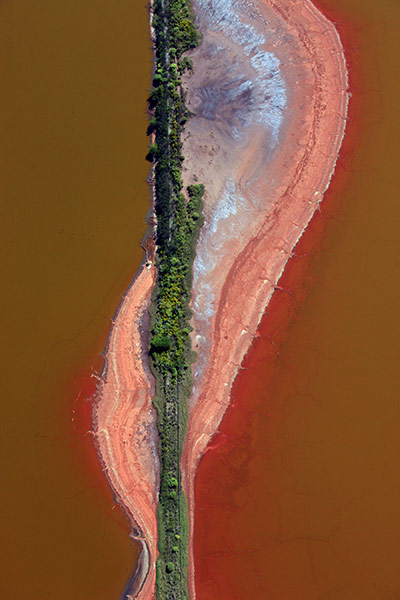
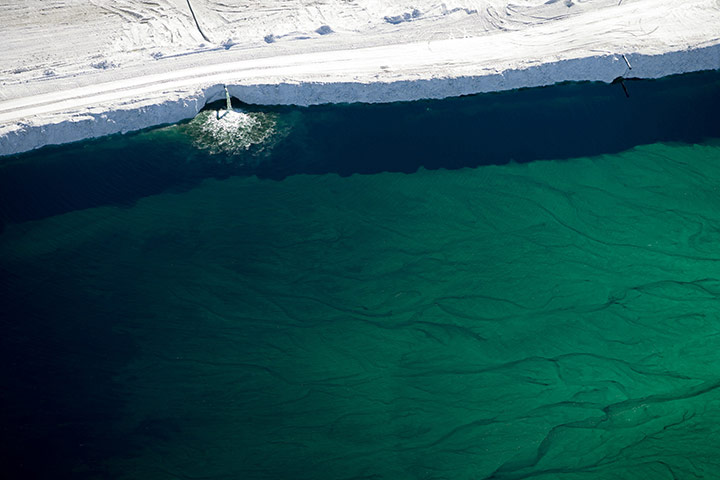
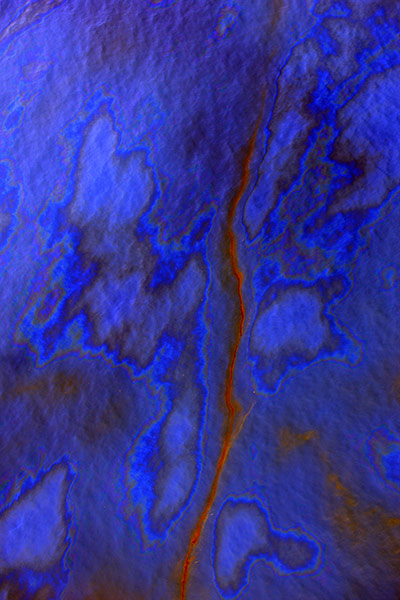
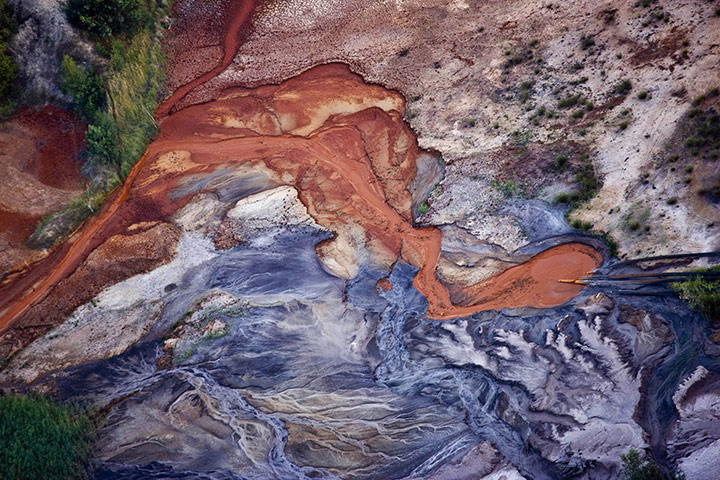
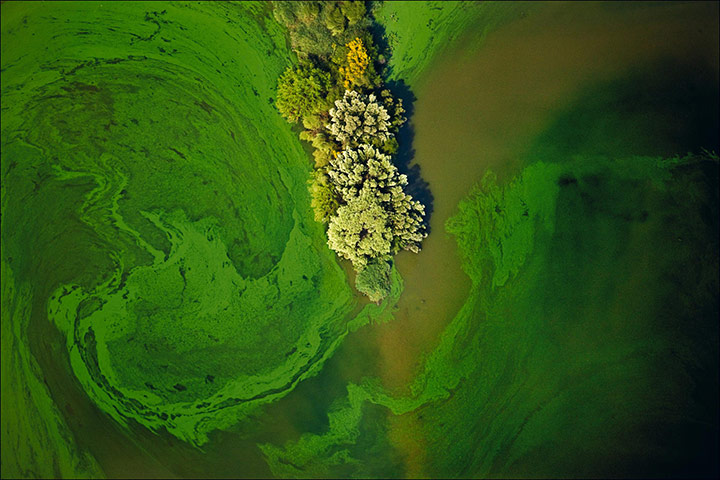
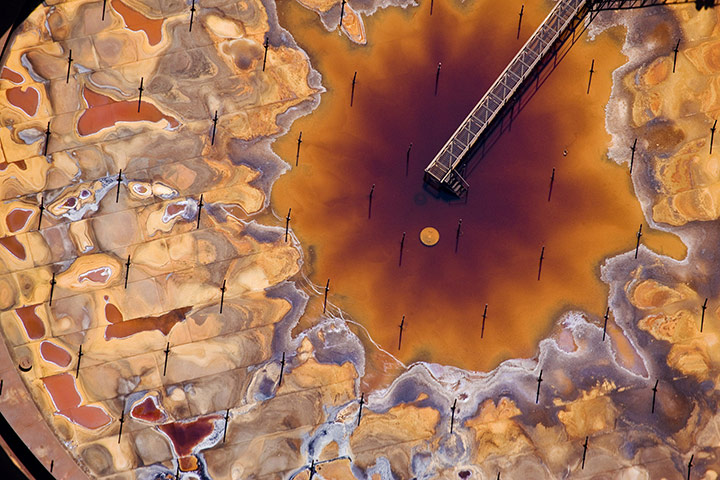
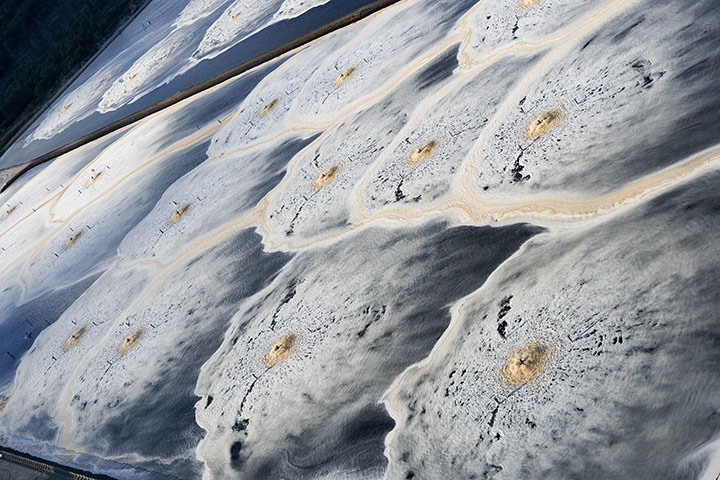
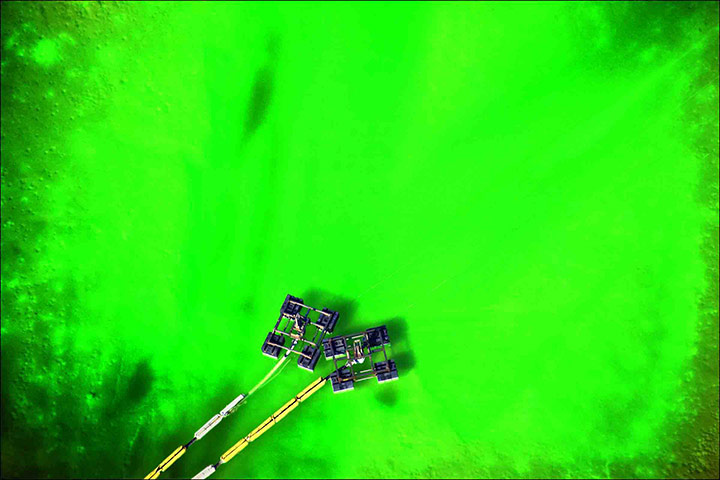
Expectoration, December 2005, Louisiana, USA. A plume of foam in bauxite waste at an aluminum manufacturing plant. Producing aluminium metal involves refining bauxite (the ore) using caustic chemicals to produce alumina and the electrolytic reduction of alumina to produce aluminium. This picture shows the disposal of the byproducts, in which the solids (mostly impurities in the bauxite) are separated from the liquidsPhotograph: J Henry Fair/Gerald Peters GalleryUntitled, October 2010, Louisiana, USA. Bauxite waste from aluminium productionPhotograph: J Henry Fair/Gerald Peters GalleryOutlet, December 2005, Louisiana, USA. Pipe dumps waste from processing of phosphate fertiliser. Slurry from fertiliser processing is piped into this body of water where the solids (gypsum) will be scooped out before and added to the embankment to increase capacity. The green colour is probably algae, growing in spite of the acidic and radioactive nature of the waste produced in the process, and tends to change over timePhotograph: J Henry Fair/Gerald Peters Gallery
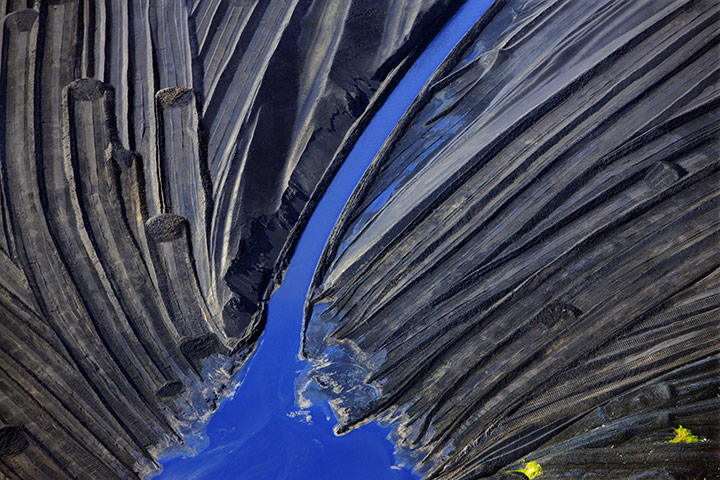
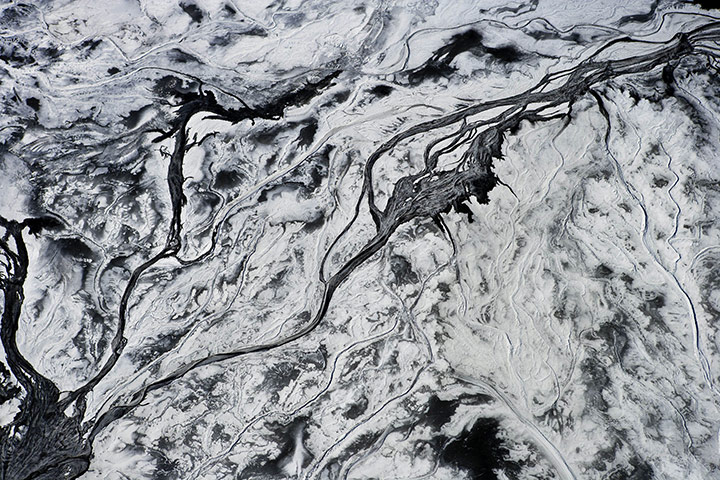
Bottom Ash, October 2010, Louisiana, USA. Bottom ash disposal pond at coal-fired power plantPhotograph: J Henry Fair/Gerald Peters GalleryEctoplasm, December 2005, Louisiana, USA. Phospho-gypsum fertiliser waste. Effluents from fertiliser production are pumped into this 'gyp stack'. The solid gypsum is scooped out by excavators before it hardens and is spread on the 'impoundment' to build it up and allow for higher capacity. This waste is gypsum, sulphuric acid and an assortment of heavy metals, including uranium and radium. When the price of uranium is high enough, this facility can produce large quantities for sale to the nuclear industry. Small radioactive particles (radionuclides) from the impoundments can become airborne as wind-blown dust that people and animals can breathe, and they can settle out on to ponds and agricultural areas. Many of these impoundments are not lined, allowing the toxic slurry to mix with groundwater, and heavy rainfall will cause it to overflow and mix with surface waterPhotograph: J Henry Fair/Gerald Peters GalleryNoche Cristalina, April 2008, Rio Tinto, Spain. Run-off pond at Rio Tinto Mine Photograph: J Henry Fair/Gerald Peters GalleryUntitled, July 2010, Gulf of Mexico. Oil from BP Deepwater Horizon spill on the Gulf of MexicoPhotograph: J Henry Fair/Gerald Peters GalleryAgent Orange, March 2009, South Carolina, USA. Coal ash waste at electricity generation station When coal is burned, various filters and scrubbing methods are used to remove pollutants (sulfur dioxide, mercury, arsenic, lead, cadmium and other toxic heavy metals, and trace amounts of uranium) from the exhaust. This does nothing to abate the global warming gasses such as CO2 and SO2 that are produced. These captured solids and the ashes are stored in giant holding ponds, which become massive human and environmental hazardsPhotograph: J Henry Fair/Gerald Peters GalleryGangrene, October 2010, Louisiana, USA. Herbicide manufacturing plant Photograph: J Henry Fair/Gerald Peters GalleryCrucible, December 2005, Louisiana USA. Heavy metal waste from fertiliser productionPhotograph: J Henry Fair/Gerald Peters GalleryKaleidoscope, July 2009, Alberta, Canada. The inside of a holding tank at an oil sands upgrader facility. The first step in the oil sands process after extraction is upgrading, in which the particulate matter is separated from the bitumen and brought to a stage from which refineries can process the different productsPhotograph: J Henry Fair/Gerald Peters GalleryFacial Tissues, September 2005, Ontario, Canada. Paper pulp waste, resulting from facial tissue manufacture. At this factory, the pulp for the most popular facial tissue is produced. The wood fibre is obtained from the Kenogami national forest in Ontario, where the government subsidises the cutting of this old growth forest. The forest, once home for a multitude of species is an immensely diverse and complex ecosystem and habitat, and will be replaced by a monoculture of factory farmed trees which will be cut again. This aeration pond is part of the effluent treatment system. The primary task of the treatment is to remove organics (wood fibre) from the water before it is returned to its source (typically a river). These ponds are filled with a mixture of micro-organisms that breakdown the organic material. The aeration is to break up particles in the effluent and to provide oxygen to the microbesPhotograph: J Henry Fair/Gerald Peters GallerySuspension, February 2008, North Carolina, USA Hog faecal waste lagoonPhotograph: J Henry Fair/Gerald Peters GalleryUntitled, October 2010, Louisiana, USA. Herbicide manufacturing plantPhotograph: J Henry Fair/Gerald Peters Gallery
Sign up to read this article
Read news from 100’s of titles, curated specifically for you.