“You’ll spend anywhere from 20 minutes to two hours on an application, and within an hour of submitting it will get rejected,” Lily-Rose Bisson, from Leeds, explains.
The 20-year-old has completed her GCSEs, A-Levels, and has held two jobs before. Despite this, her five-month job search is beginning to feel never-ending.
“Every application gets screened by AI, and if you don’t have the keywords they’re looking for, it will be screened out. I once got an email 20 minutes after applying saying ‘we’re not going forward with your application’.”
“I’d say out of 100 applications, I hear back from a real person maybe twice. I’ll hear back from an automatic response maybe 15 times. The rest is just nothing.”
Ms Bisson has put together around 200 applications but only had one interview. The majority of responses she’s had have come from automated AI bots, which jobseekers have reported are increasingly being used by employers to screen applications.
She is one of more than a million young people in the UK not in employment, education or training, a cohort termed by experts as “Neets”. This label encompasses both 16-24-year-olds who are unemployed, and looking for work, and “economically inactive”, meaning they are not actively seeking opportunities.
On Thursday, official data revealed that the number of Neets in the UK has reached 1.01 million – the highest level in more than 12 years.
Its release coincides with the publication of a government-commissioned report by Alan Milburn into young people and work in the UK.
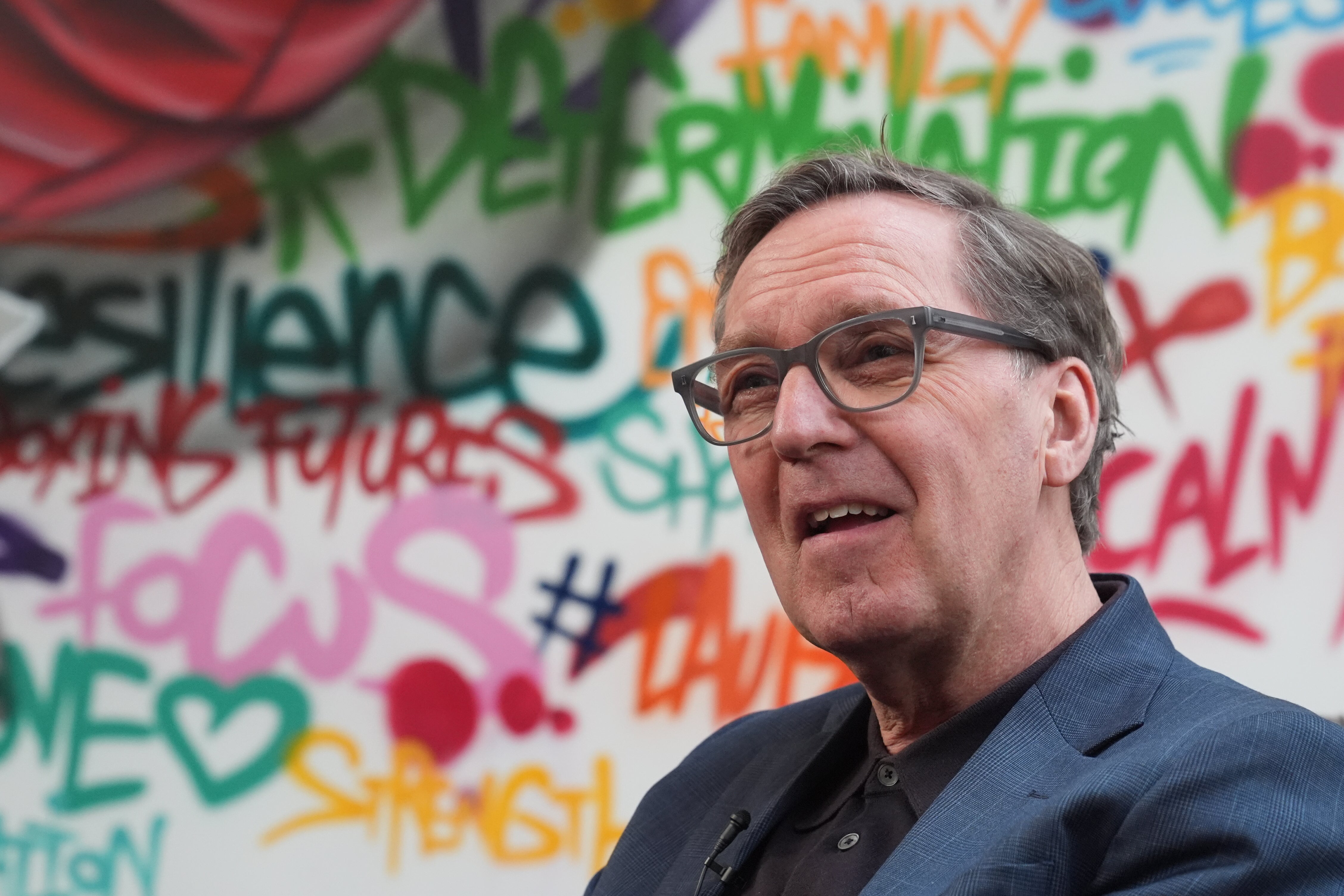
Speaking on Thursday, the former Labour health minister said: “This is not a failure of young people. It is a failure of a system stuck in the past. Whether it is education or health or welfare, that system fails to enable their participation in the labour market.
“Instead, all too often it ends up putting young people on a path to a life not in jobs but on benefits. This should be the priority for the government. It should be the priority for all of us.”
The government’s flagship policy to tackle youth economic inactivity is the ‘youth guarantee’, announced in September last year, which aims to provide anyone aged 18 to 21 in England with access to an apprenticeship, training, education opportunities or help to find a job.
It will also guarantee anyone who has been Neet for more than 18 months a six-month paid work placement, helping them prepare for a full-time job. But those who refuse risk being stripped of their benefit entitlement.
Ms Bisson says she has ambitions to move into the creative sector, having enjoyed studying film at A Level. But says that “this isn't the environment where you get to pick and choose what job you want to do.”
“If you’re looking for a job and something comes up, you have to take it, and if you don’t, then they can deny your [universal] credit, which I think is insane.”
Ms Bisson has been supported in her job hunting journey by Spear, a youth employment programme that supports young people in breaking down barriers to work. Around 70 per cent of those who use its free services are in work or education within a year.
The charity’s CEO, Iona Ledwidge, said: “Alan Milburn has rightly highlighted that the UK currently spends 25 times more on benefits for young people than it spends on supporting them into work. We believe there is a gulf between where many jobless young people are and where employers need them to be before they are ready for work.”
In his interim report, Mr Milburn writes that the UK’s youth unemployment crisis is costing the country around £125bn a year, more than the country spends on education and almost double the defence budget. This sum takes into account lost tax income, alongside higher health and welfare spending.
The report also finds that there has been a decline in entry-level jobs, with 1.6 million fewer low and medium-skilled job roles than in previous decades.
Responding, work and pensions secretary Pat McFadden, said: “I commissioned this report because we cannot afford to lose a generation of young people, and I welcome Alan Milburn’s vital work which lays bare the scale of the challenge and the root causes of youth unemployment we now need to confront.

“I will work across government and with employers, charities and young people to drive real change, so more young people are earning or learning, not left behind. I look forward to working with Alan as he brings forward his final recommendations later this year.”
Mr Milburn also pointed to an increase in mental health issues linked to social media. He warned of a “bedroom generation”, with anxiety linked to mobile phone usage driving economic inactivity among young people.
The proportion of young people experiencing mental health problems has risen sharply in recent years, with the number of people who are Neet and inactive because of poor health has also risen by 52 per cent since 2019.
“Our key developmental years we were forced to spend all our time in our bedrooms alone. We just missed out on the normal childhood opportunities,” says Lily-Rose, who explains she has struggled with mental health issues in the past.
“So yes, this is a ‘bedroom generation’, but we would rather be out in the world.”