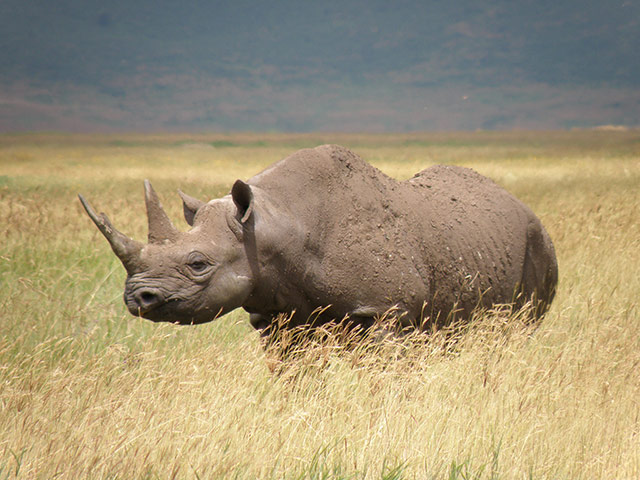
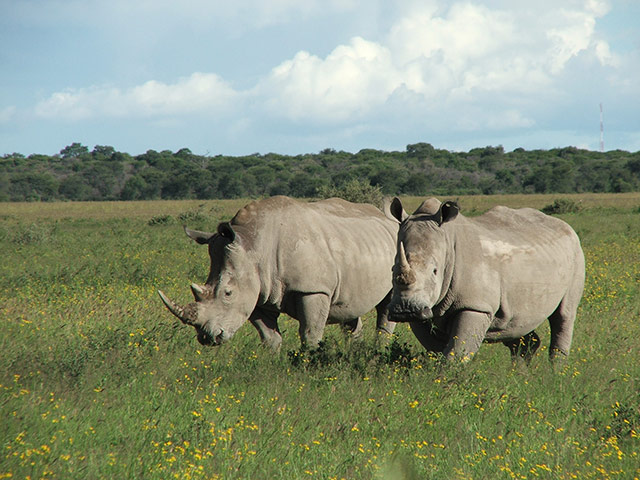
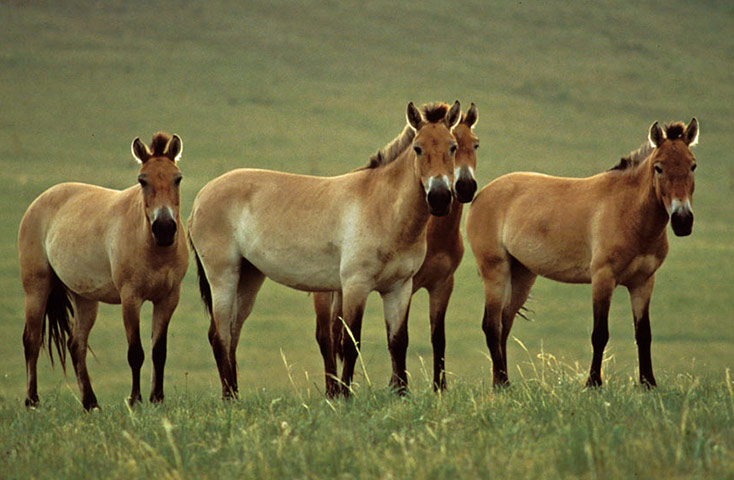
Black rhino: Despite the action of conservation programmes, 25% of mammals are at risk of extinction. For example, the reassessments of several rhinoceros species show that the subspecies of the black rhino in western Africa, the western black rhino has officially been declared extinctPhotograph: Dr Richard Emslie/IUCNThe subspecies of the white rhino in central Africa, the northern white rhino is currently teetering on the brink of extinction and has been listed as possibly extinct in the wild. The Javan rhino is also making its last stand, as the subspecies rhinoceros sondaicus annasmiticus is probably extinct, following the poaching of what is thought to be the last animal in Vietnam in 2010. Although this is not the end of the Javan rhino, it does reduce the species to a single, tiny, declining population on JavaPhotograph: Dr Richard Emslie/IUCNPrzewalski's Horse_ Equus ferus. The Przewalski‟s Horse (Equus ferus) is another success story, improving its status from Critically Endangered to Endangered. Originally, it was listed as Extinct in the Wild in 1996, but thanks to a captive breeding programme and a successful reintroduction programme, the population is now estimated at more than 300.Photograph: Patricia D Moehlman/IUCN
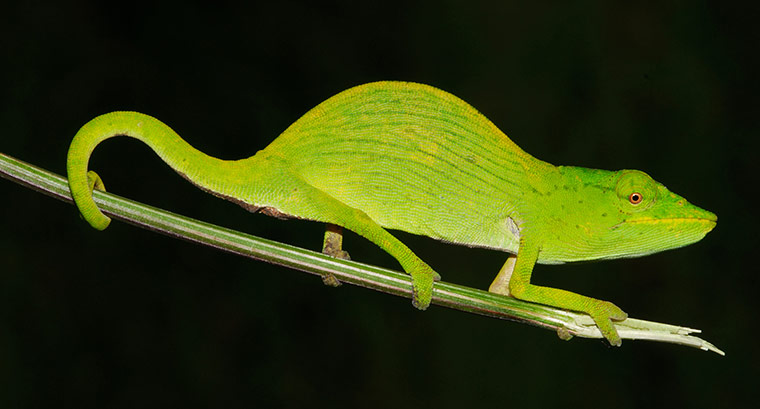
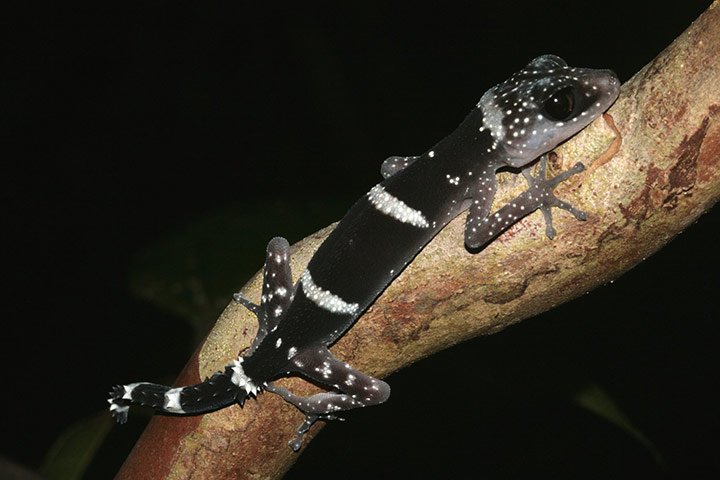
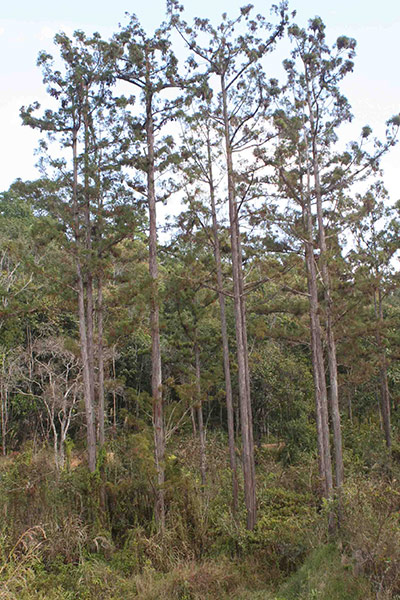
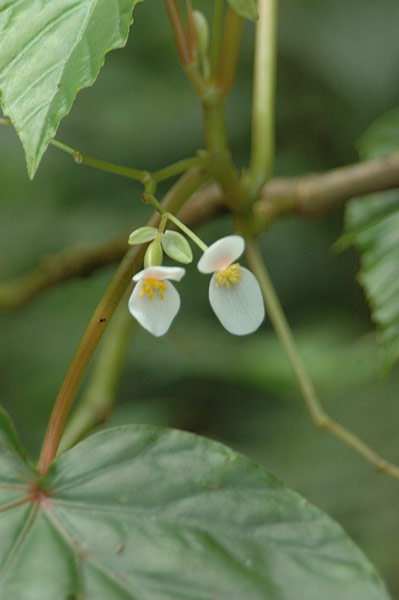
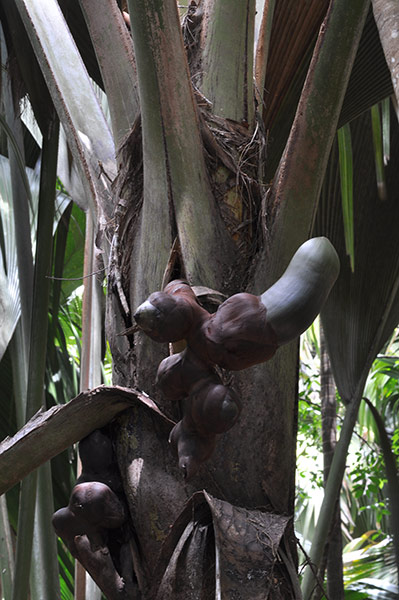
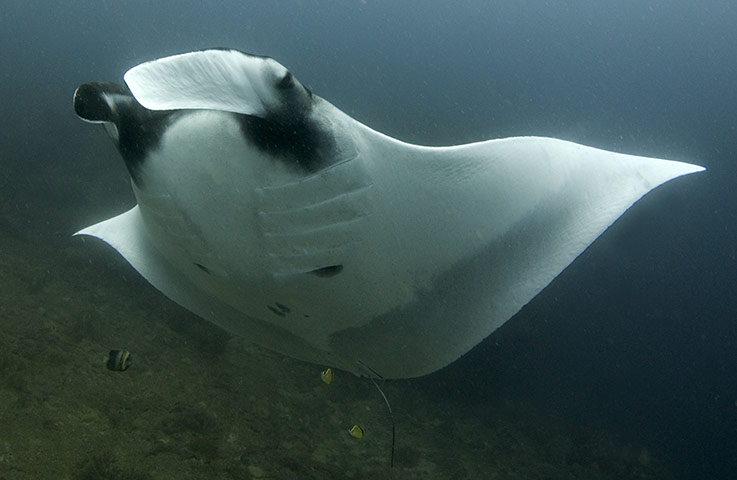
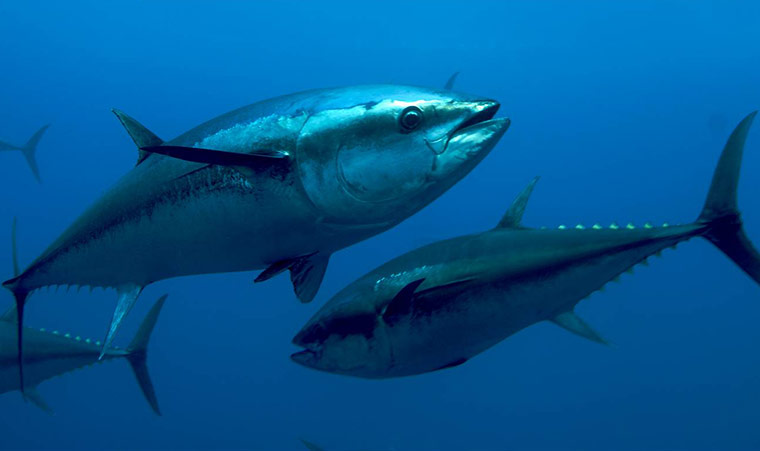
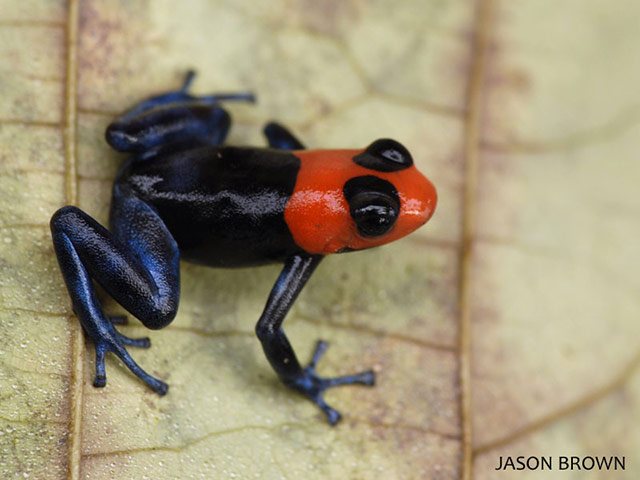
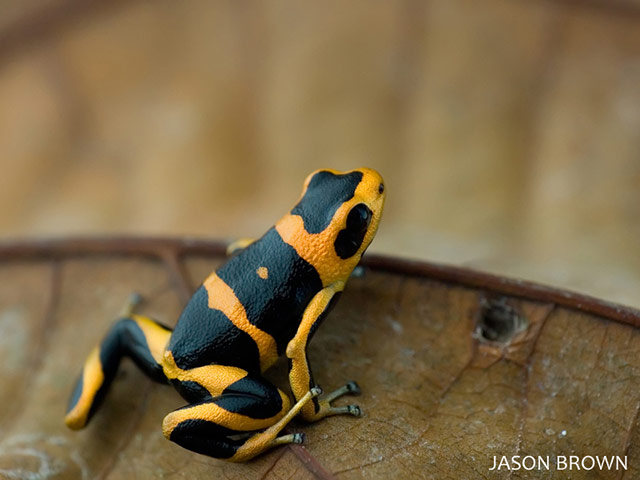
Tarzans chameleon: Reptiles make up a significant component of biodiversity, particularly in dryland habitats and on islands around the world. In recent years, many more reptile species have been assessed including most of those found in Madagascar. The current red list reveals that an alarming 40% of Madagascar's terrestrial reptiles are threatened. The 22 Madagascan species currently identified as critically endangered, which include chameleons, geckoes, skinks and snakes, are now a conservation challenge. This new information helps inform conservation planning and allows for an evaluation of the protection that protected areas in Madagascar offer reptiles. Encouragingly, there are new conservation areas being designated in Madagascar that will help conserve a significant proportion of critically endangered species, such as Tarzan's chameleon, the bizarre-nosed chameleon and the limbless skink Photograph: Jîrn Kîhler/IUCNParoedura masobe: Because of their IUCN red list status, species which have often been overlooked in conservation efforts, such as endangered geckos, will be featured more prominently in future plansPhotograph: Franco Andreone/IUCNChinese water fir: Plants are an essential resource for human wellbeing and are a critical component for wildlife habitats, yet they are still underrepresented on the IUCN red list. Current work under way to increase knowledge includes a review of all conifers. The results so far uncover some disturbing trends. The Chinese water fir, for example, which was formerly widespread throughout China and Vietnam has moved from endangered to critically endangered. The main cause of decline is the loss of habitat to expanding intensive agriculture and in China there appear to be no wild plants remaining. This species is rapidly moving towards becoming extinct in the wildPhotograph: Philip Thomas/IUCNBegonia seychellensis: Many other tropical plant species are also at risk. The majority of endemic flowering plants in the granitic Seychelles islands have been assessed and current studies show that of the 79 endemic species, 77% are at risk of extinctionPhotograph: Justin Gerlach/IUCNCoco der Mer: Most of these are new assessments but one species, the infamous Coco de Mer has been uplisted from vulnerable to endangered. Known for its supposed aphrodisiac properties, the Coco de Mer faces threats from fires and illegal harvesting of its kernels. Presently, all collection and sale of its seed is highly regulated, but there is thought to be a significant black market trade in kernelsPhotograph: Jean-Christophe Vie/IUCNGiant manta ray: The IUCN red list keeps apace with scientific discoveries – for example, until recently only one species of manta ray was known, but new comparisons of field observations now reveal that there are actually two species of manta: the reef manta ray and the giant manta ray, both of which are now classified as vulnerable. The giant manta ray is the largest living ray, which can grow to more than seven meters across. Manta ray products have a high value in international trade markets and targeted fisheries hunt them for their valuable gill rakers used in traditional Chinese medicine. Monitoring and regulation of the exploitation and trade of both manta ray species is urgently needed, as well as protection of key habitatsPhotograph: Andrea Marshall/IUCNAtlantic bluefin: Five of the eight species of tuna are in the threatened or near threatened categories. These include: southern bluefin, critically endangered; atlantic bluefin, endangered; bigeye, vulnerable; yellowfin, near threatened; and albacore, near threatened. This information will be invaluable in helping governments make decisions which will safeguard the future of these species, many of which are of extremely high economic valuePhotograph: Keith Ellenbogen/Oceana/IUCNThe blessed poison frog: Amphibians form a vital role in ecosystems, are indicators of environmental health, and are used in the search for new medicines. As one of the most threatened groups, amphibians are closely monitored by IUCN and 26 recently discovered amphibians have been added to the IUCN red list. The blessed poison frog is currently listed as vulnerablePhotograph: Jason Brown/IUCNThe summers poison frog is endangered and is threatened by habitat loss and harvesting for the international pet tradePhotograph: Jason Brown/IUCN
Sign up to read this article
Read news from 100’s of titles, curated specifically for you.