
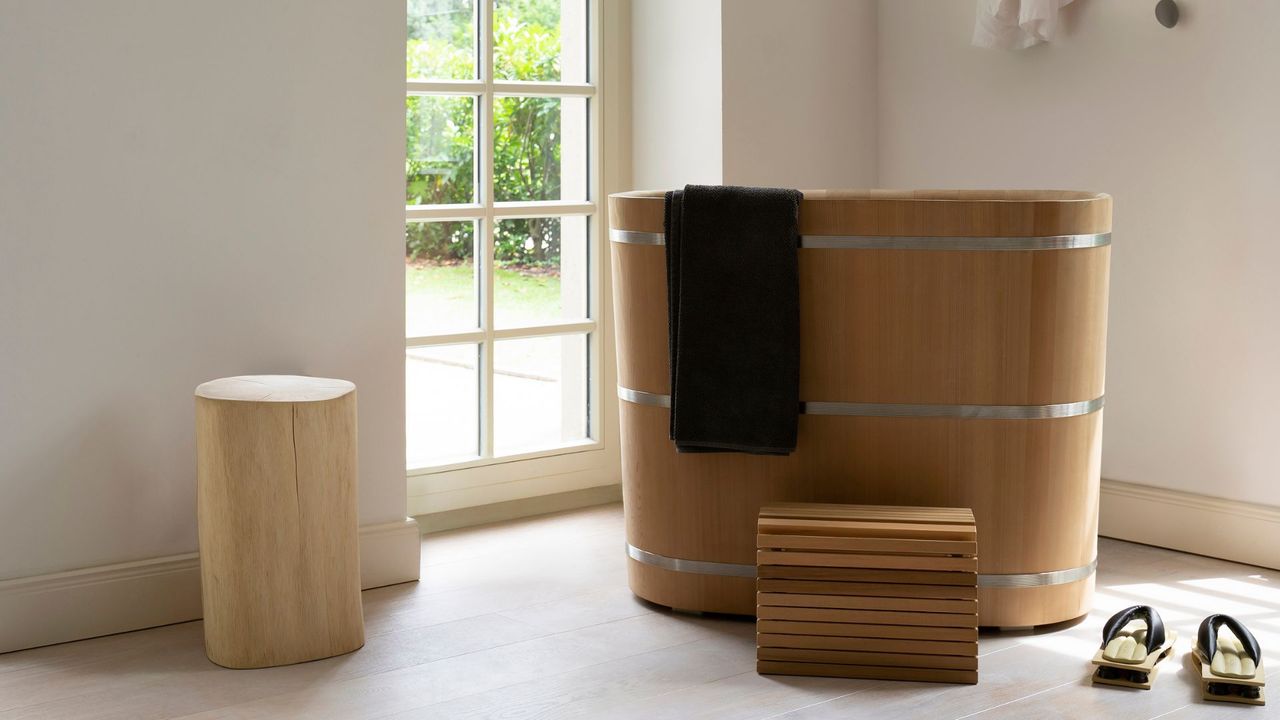
"'Can we have a Japanese bathroom in the UK?' is one of the most common questions I hear from Japanese people living here," says interior designer Yoko Kloeden. "And it tells you everything about how central the ofuro is to daily life."
As one of the most relaxing Japanese wellness rituals, ofuro literally translates to bathtub; however, its meaning goes far deeper than just a bathroom feature. It's a moment to unwind, centered around a traditional soaking tub that offers natural aromatherapy.
Rather than a function-driven space to cleanse, immersing yourself in an ofuro is designed to offer pure relaxation. And here's what makes it so special.
What Is Ofuro?
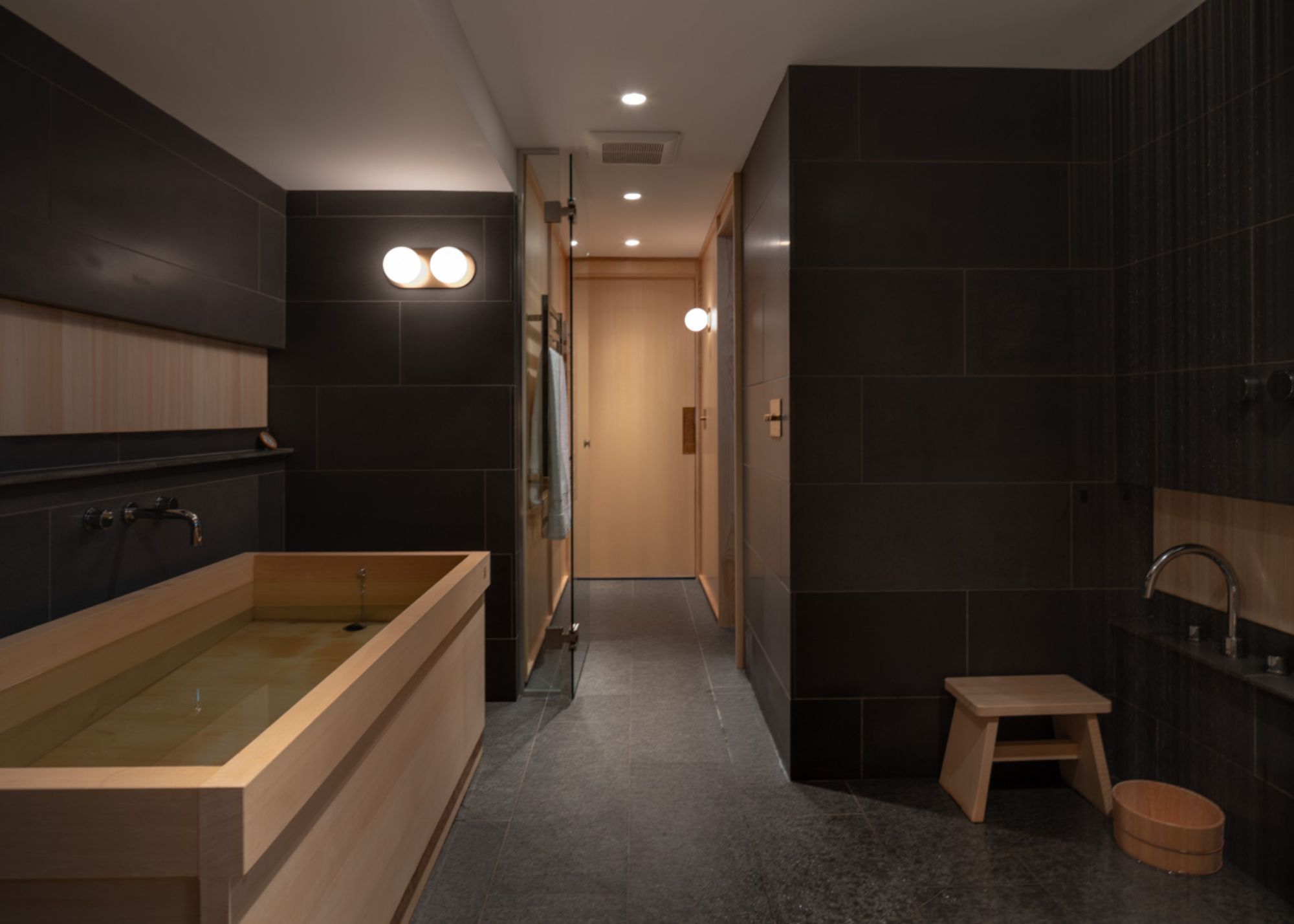
"An ofuro is a deep soaking tub shorter than a Western bath but much deeper. This element of Japanese design in bathrooms allows you to sit immersed up to the shoulders in hot water, typically around 40° to 43° C (104° to 109° F)," says Yoko.
"Crucially, the ofuro is not for washing. You soap, scrub, and rinse at a separate shower area before entering the tub, so the water stays clean. Families often share the same bathwater in the evening, each person soaking in turn. The tub is for one thing only — restoration."
She explains that Japan's bathing culture is rooted in the country's geography — an island nation sitting on active volcanoes, blessed with thousands of natural hot springs. "But it is also deeply spiritual," she adds.
"In Shintō, the nature-based religion in Japan, water purification is a ritual act. Bathing cleanses body and mind, and the careful washing before entering the tub extends that belief into daily domestic life."
How Can You Create an Ofuro-Inspired Bathroom at Home?
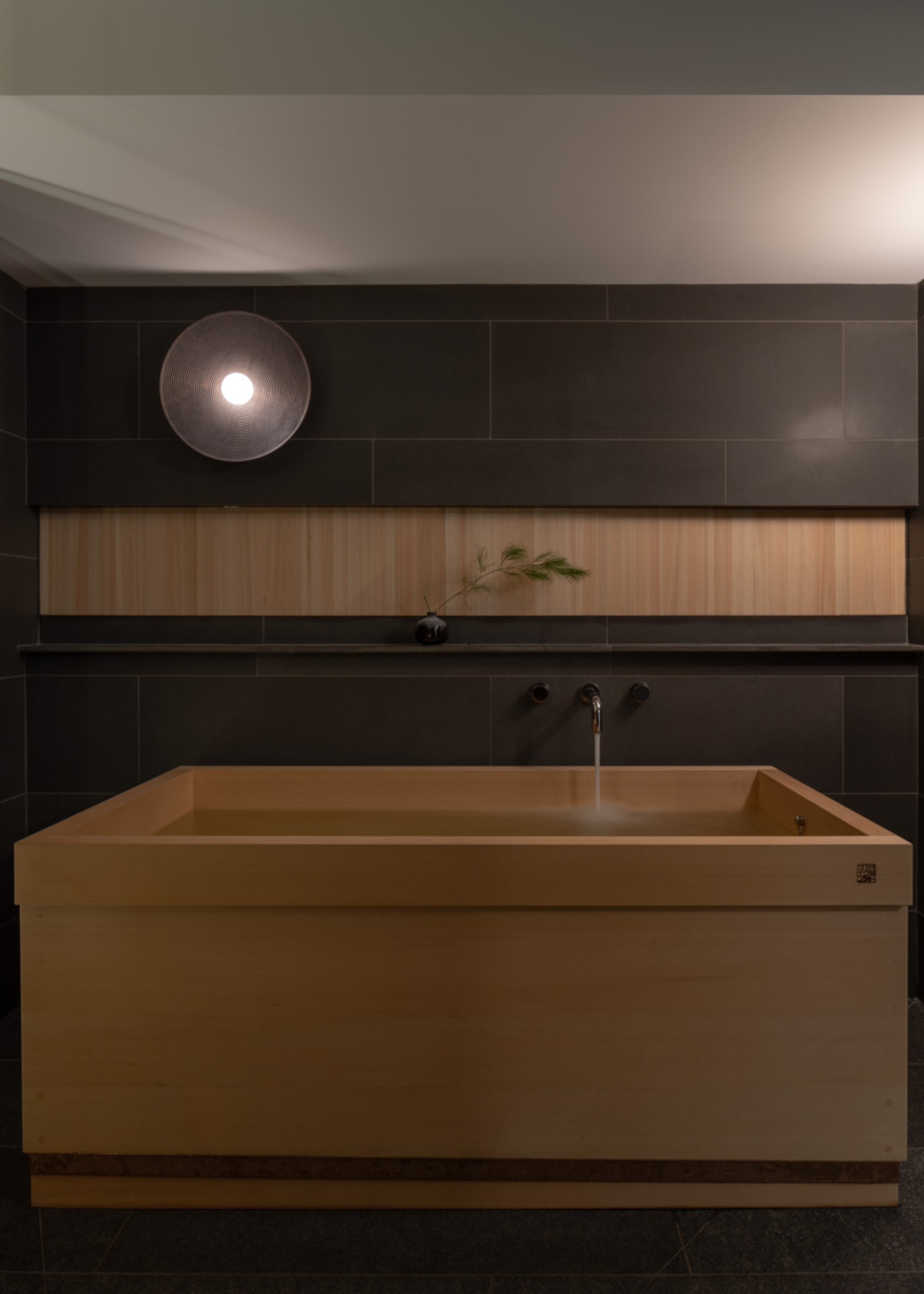
Yoko finds that authentically imbuing the ritual of ofuro into your routine changes how you design a spa bathroom. "When the bath is understood as a ritual rather than a function, it demands proper space," she notes.
"Think a separate wet area for washing, waterproofed surfaces, good ventilation, and natural scented materials — hinoki cypress, stone, wood — that engage the senses. Even the layout matters."
She recommends separating the WC from the bathing area, as every Japanese home does. "It keeps the space calm and focused. The bathroom stops being the most neglected room in the house and becomes, arguably, the most important one."
What is a Japanese Soaking Tub?
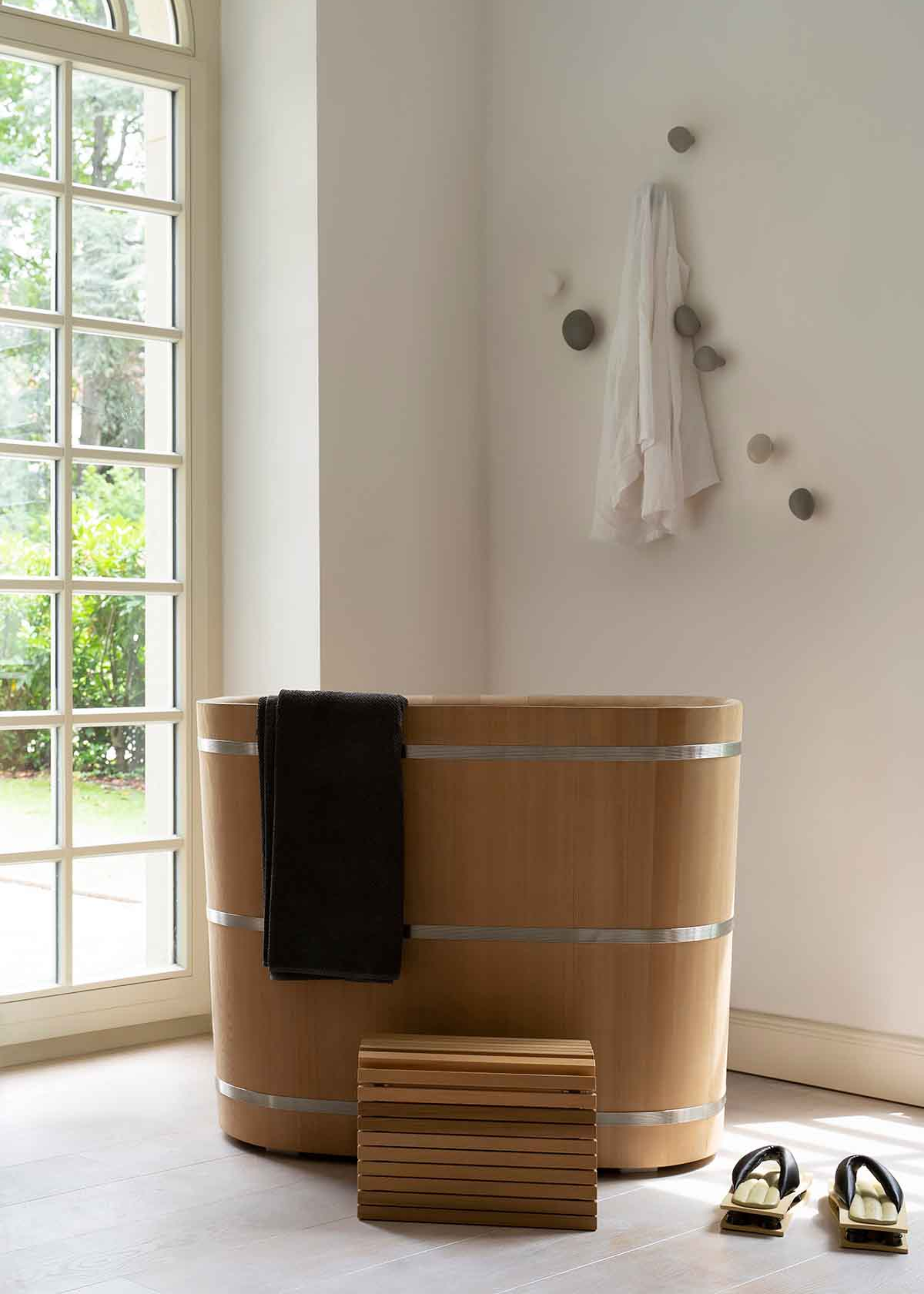
Now, coming to the principal element in a Japanese wellness bathroom — the literal ofuro. "People love the beautiful modern aesthetic of a hand-crafted, warm, natural wood tub," explains Ken Larson, general manager at Zen Bathworks, a brand crafting Japanese soaking tubs.
"The simple beauty and traditional design combined with unusual depth offer the bather a bit of luxury that is easy to use. Traditional, organic wooden ofuros offer a silent steaming refuge from the artificial pressures of society."
Typically designed from hinoki wood, Ken explains that the natural notes of lemon and ginger from this material offer aromatherapy at its finest. "Also, most ofuros afford customers two things that typical mass-produced bathtub options do not," he adds. "One, customizations, and two, the beautiful aesthetic appeals that only wood can offer."
So, if you're weighing up freestanding vs built-in tubs, I recommend opting for the former and considering this Japanese wellness ritual.
What Are the Benefits of Ofuro?
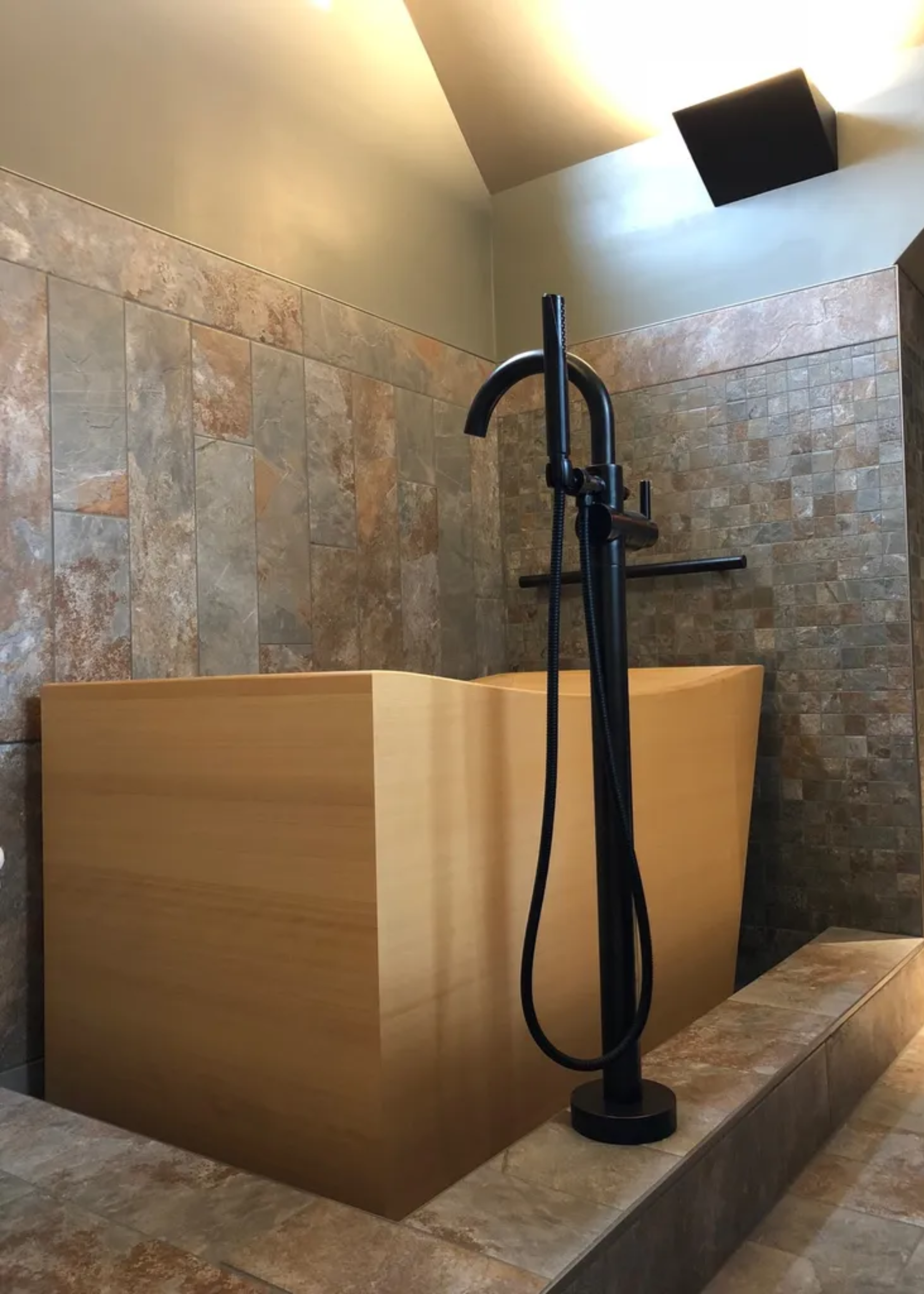
"A full-body soak in hot water relaxes muscles, improves circulation, and helps lower blood pressure. It is widely understood in Japan that an evening bath warms you from within, and leads to deeper sleep — research supports this," says Yoko.
"But the impact of this part of a wind-down routine goes beyond the physical. The act of washing slowly, then sitting in silence in hot water, creates a meditative pause at the end of the day. For many Japanese people, it is the single most restorative moment in their routine."
As far as home wellness trends go, ofuro is one of the more intentional rituals that elevate a soak and truly make for a cocooning space. And with Japanese design growing in appreciation, this is yet another aesthetic element I yearn for in my own space.
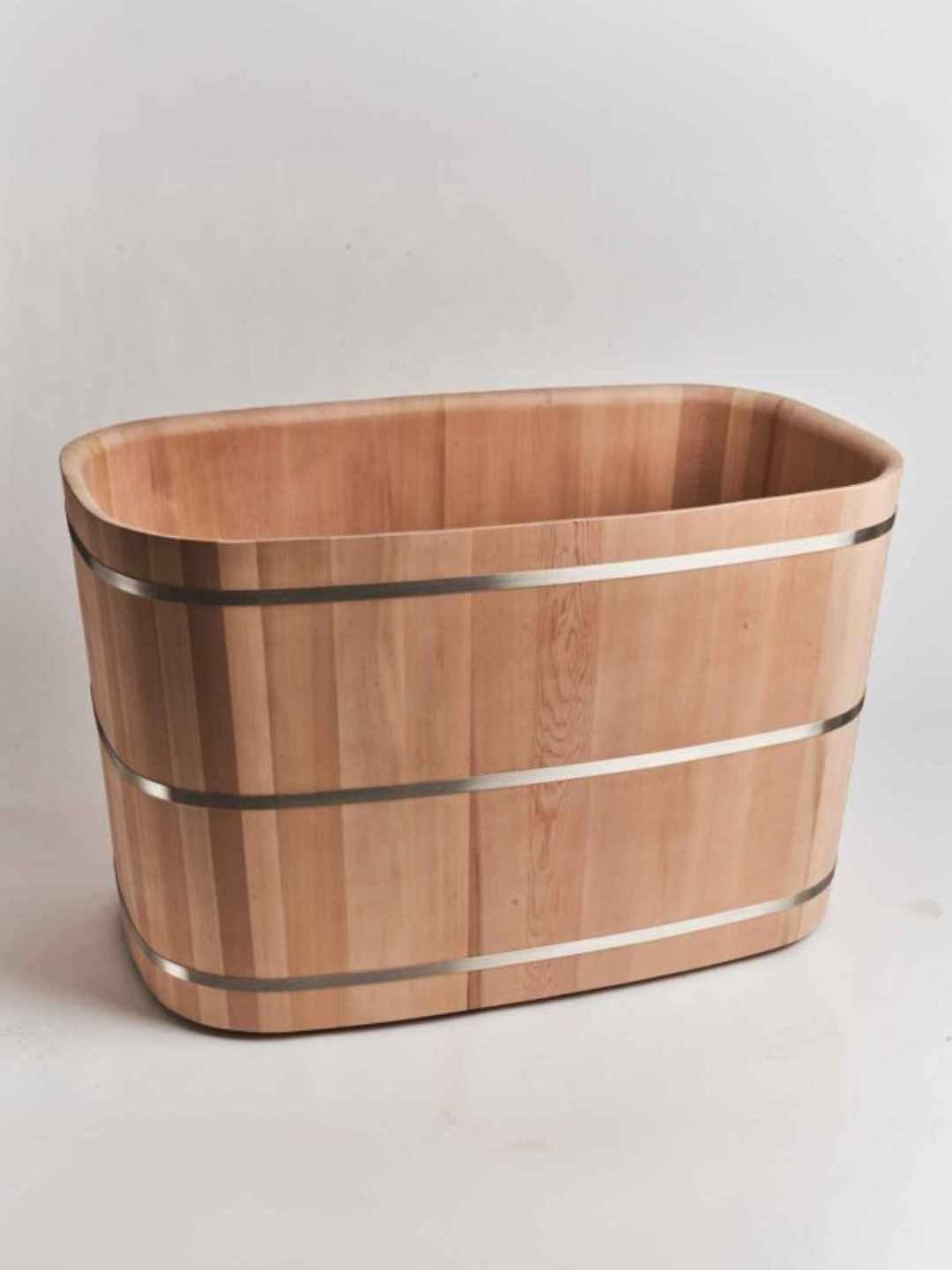
Beautiful ofuro baths, like this, are slightly harder to come by and more expensive than your typical tub. But if you're all about designing for well-being, it's an investment that will pay off in weekly soaks.
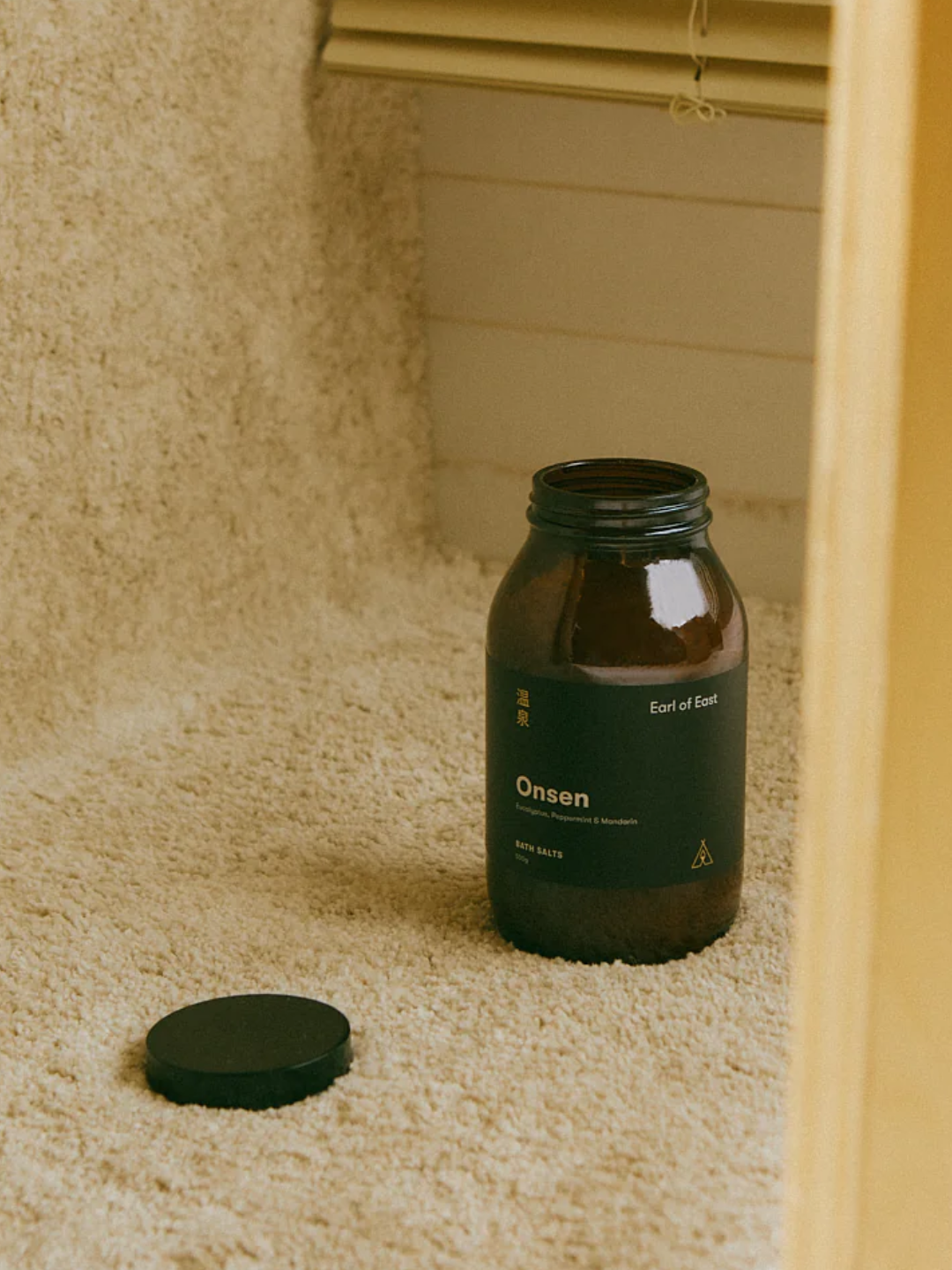
If you're not looking to totally redesign your bathroom just yet, like me, channel the ambiance of a spa with Japanese scents from these bath salts.
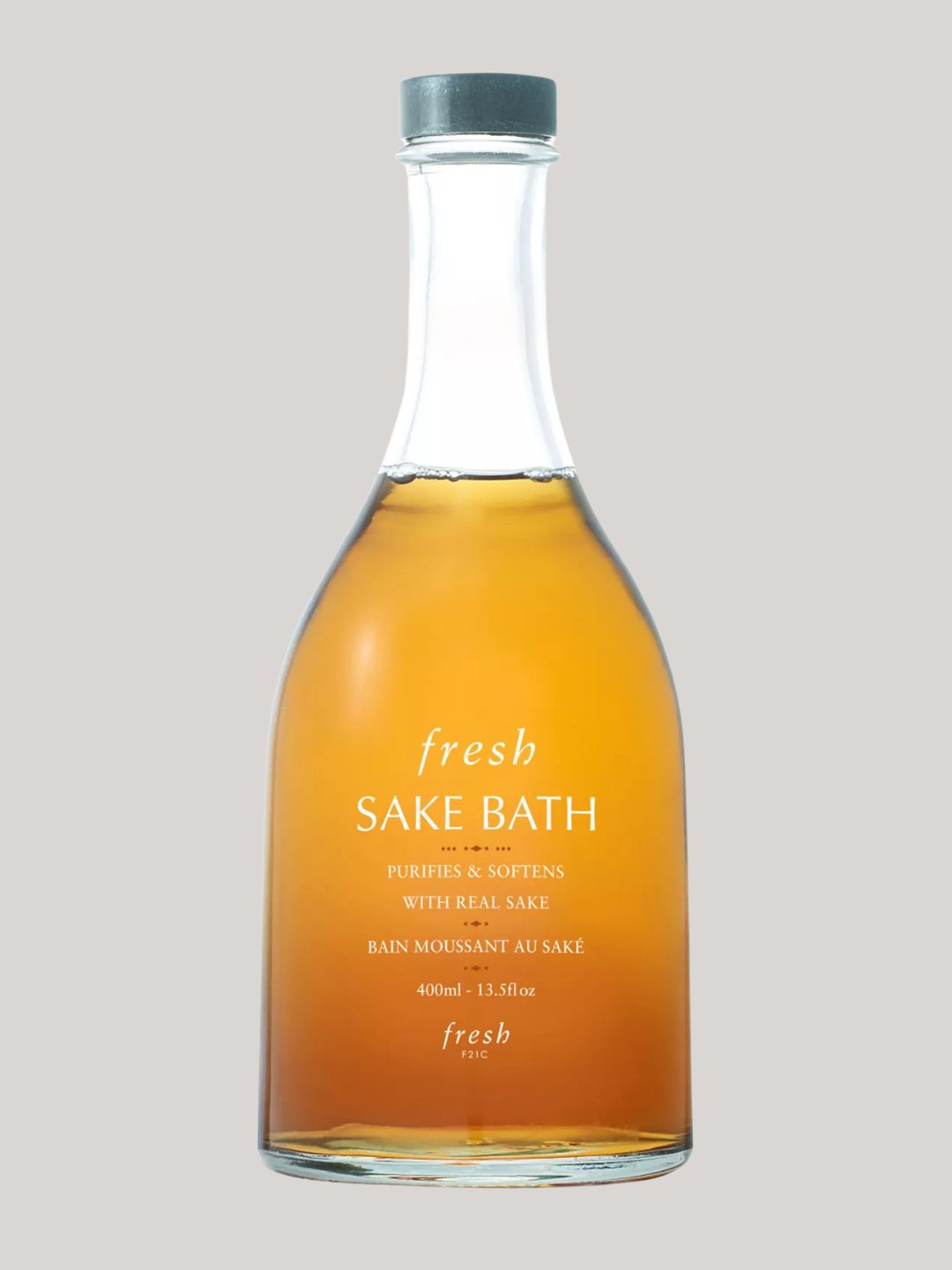
Or, add to your regular bathing ritual with this Sake Bath Elixir from Fresh.
FAQs
Is Ofuro the Same as a Hot Tub?
No, an ofuro is not the same as a hot tub. These traditional Japanese soaking tubs are typically crafted out of natural woods to introduce aromatherapy into the wellness ritual. Additionally, tying into a more organic experience, it usually lacks the advanced features of a hot tub, such as jets and colorful lights.
How Hot Is an Ofuro Bath?
An ofuro is often kept between 40° and 43° C (104° to 109° F) to offer deep muscle relaxation, soothing the tension in your body. This is why it's important to acclimatize by finishing your shower in hot water and gently immersing yourself in the tub after.
How Long Do People Stay in an Ofuro?
Since the ofuro wellness ritual involves a hotter temperature than typical Western soaks, it's advisable to enjoy the warmth for around 15 to 20 minutes. This is considered an optimal time to relax your muscles and unwind in the tub without overheating or pruning.
If you're drawn to Japanese-inspired spaces, this urban London apartment with a communal soaking tub is an album of inspiration. And for more design ideas from across the globe, sign up for the Livingetc newsletter.