
True crime is everywhere - Netflix has an extensive catalogue of documentaries dedicated to the subject, from the horrifying Maternal Instinct, to the gripping Worst Neighbor Ever.
There's also dramatisations of real criminal events on all channels and streamers - ITV recently aired a depiction of the crimes of John Worboys in Believe Me, and Channel 5 looked at the days following Madeleine McCann's disappearance in Under Suspicion: Kate McCann.
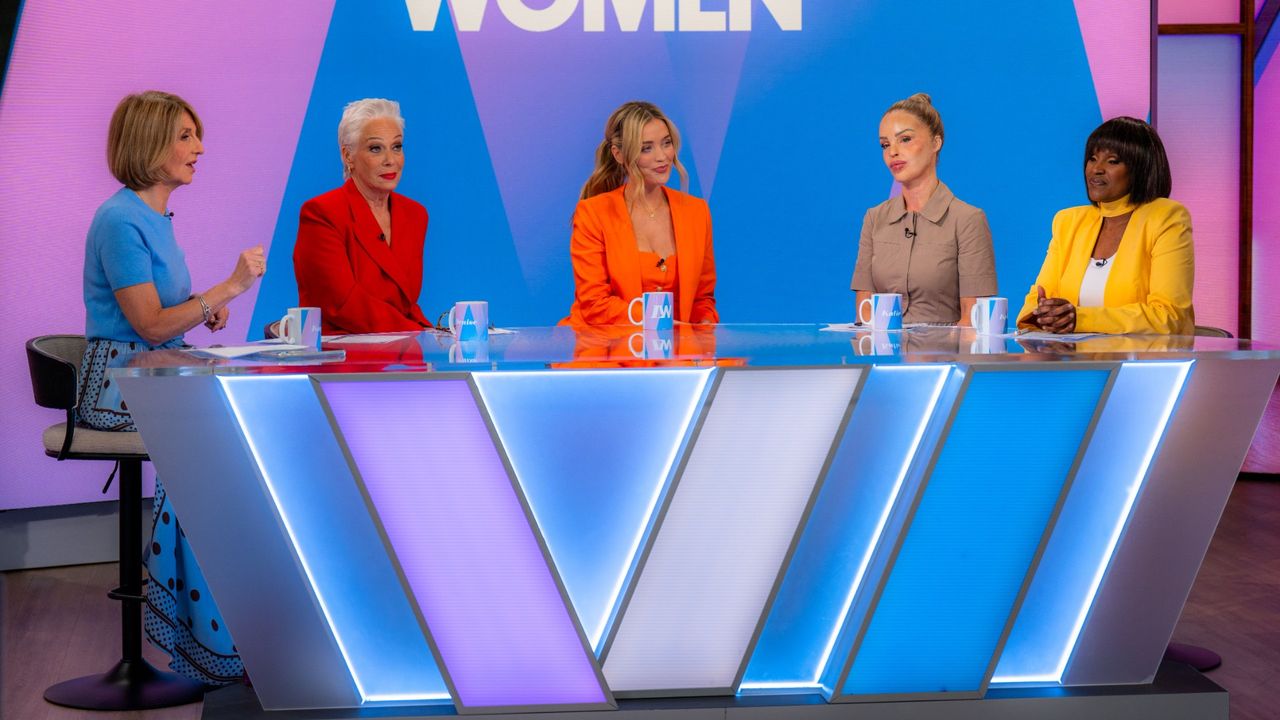
Let's not forget that new podcasts on the subject seem to pop up on a regular basis. Surprisingly, women consume far more true crime material than men, and the Loose Women panel recently debated why this could be - and their theories are very interesting.
Presenter Laura Whitmore shared that "70% of the viewers and listeners of true crime documentaries, podcasts and films are women."
She's not wrong, with studies confirming that 70-75% of those listening to true crime podcasts are female. While demographics of those tuning into crime dramas has been less rigorously studied, information from YouGov and streaming services generally confirms that 60-70% of the audience for these are also women.
When thinking about reasons for this, Laura Whitmore says, "It isn't about the crime, thinking about true crime is about the 'why', the psychology."
She also suggests women are drawn to cases "where the law system has failed women" and wanting to look at "how women are treated and looked at" when awful crimes have been committed against them.
A post shared by Loose Women (@loosewomen)
A photo posted by on
Denise Welch says that for her, it's the cold cases she's most interested in. "They've been completely forgotten, but then new DNA comes out and they go to the person who has lived a 'normal life' for 40 years, and they knock on the door."
She adds, "They usually have a toothbrush or something, and those people have to get caught eventually." For her therefore, it's the science and mechanics of how the perpetrators were caught that keeps her glued to her screen.
Laura believes that as "statistically, victims of the violent crimes" depicted in true crime material "are women," this holds interest for female audiences who can view something that could potentially happen to them, from a safe distance.
She adds that women can "control their fear" by looking at the crimes from a safe space, and understand it better by seeing it analysed.
The reasons for women to consume true crime brought up by the Loose Women panel, are confirmed by information from Psychology Today. This suggests that there are three key reasons for audiences to skew female.
The first is that women are more empathetic, and likely to identify and empathise with their fellow disproportionately female victims of crime.
It's also been found that women watch true crime TV shows and listen to podcasts to access tips on how to protect themselves from being attacked by potential assailants.
Finally, it's thought that much as Denise and Laura were saying about understanding motives and mechanisms is a draw for female audiences, if women understand the motivations of a killer from a safe place, then the killer can become less terrifying to them.