- Sam Altman agrees that ChatGPT’s “humanity”, not its intelligence, is what users value most
- OpenAI is actively tweaking tone, including reducing “teaser-style” phrasing in the new GPT-5.4 and GPT-5.3 models
- Ongoing user frustration, including the Quit-GPT movement, shows that personality missteps can drive people away as much as technical ones
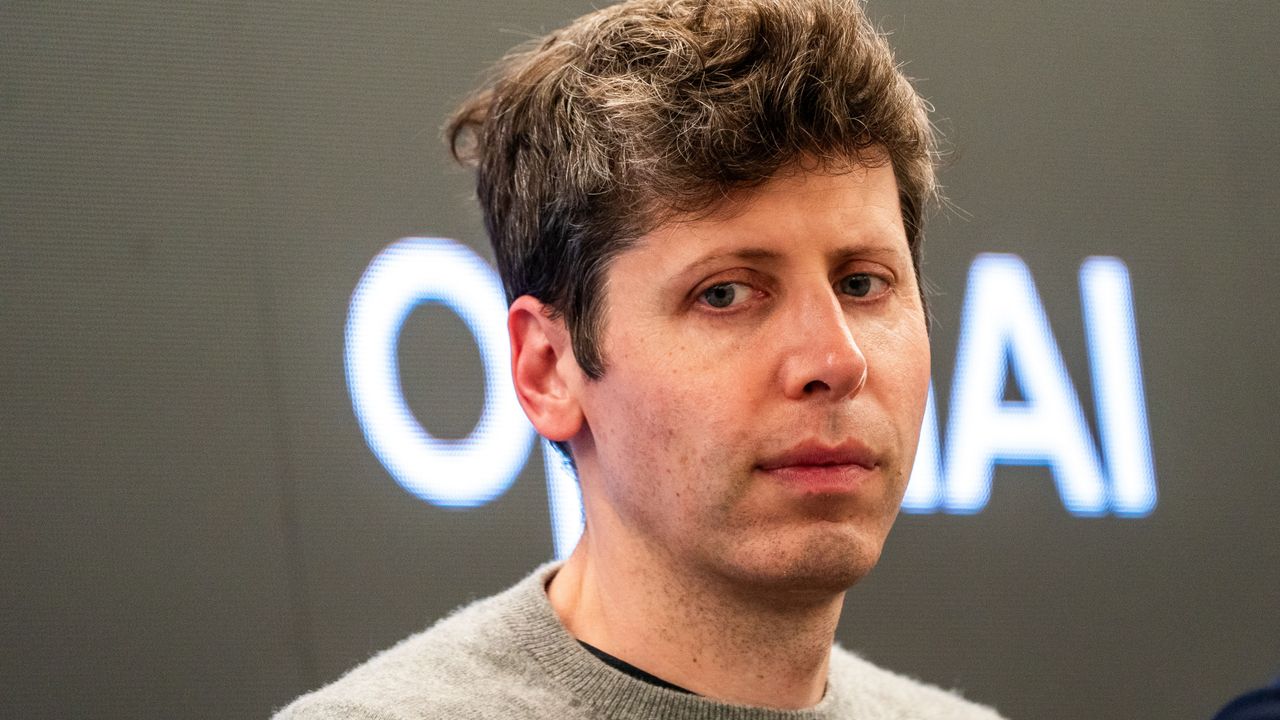
Amid a recent flurry of tweets, there was a rare admission from OpenAI CEO Sam Altman that it’s ChatGPT’s personality that really matters to users.
Replying to a tweet about ChatGPT that stated, “the most distinguishing characteristic is its humanity,” Altman wrote: “It is also very smart, but... I generally agree with this, and really feel it myself on the 5.3 -> 5.4 upgrade.”
OpenAI has been experiencing some user backlash recently regarding the personality of its GPT models. The problems started with the introduction of GPT-5, which occurred at the same time as the initial retirement of the popular GPT-4o model.
Altman has been increasingly referencing the improvements to the new ChatGPT-5.4's personality, recently calling it his "favorite model to talk to".
It is also very smart, but...I generally agree with this, and really feel it myself on the 5.3 -> 5.4 upgrade. https://t.co/5SPEZNYxptMarch 16, 2026
Talk to me
Initially users found GPT-5 to be both robotic and sycophantic compared to GPT-4o and its family of models. GPT-4o was brought back for a few months to pacify users before being permanently retired in February 2026, much to the chagrin of many.
The anger of users who want GPT-4o back has never quite abated, and has fed into the recent 'cancel GPT' trend, which began after OpenAI’s deal with the Pentagon to deliver AI for military use — a move which has angered many users
A matter of tone
The tone of the new ChatGPT-5.3 Instant and ChatGPT-5.4 Thinking is clearly important to the company. Just yesterday, it released a personality update to GPT-5.3 Instant, saying:
“We’re rolling out an update to GPT-5.3 Instant that improves follow-up tone and reduces teaser-style phrasing in responses (e.g., ‘If you want…’, ‘You’ll never believe…’, ‘I can tell you these three things that…’).”
These teaser-style phrases were a personality quirk of the latest model. In a recent article I showed how you could enter custom instructions into ChatGPT’s settings to stop it from ending answers with this clickbait-style phrasing designed to keep you in the conversation for as long as possible.
It seems that OpenAI noticed the same thing, and was already working to fix it. Using ChatGPT today, I can already see the difference.
A reason to leave
A casual look through Altman’s X feed shows he frequently posts about Codex, OpenAI’s cloud-based coding agent, and largely avoids discussing the personality side of his AI models.
His admission that ChatGPT’s humanity is its “most distinguishing characteristic” is a tacit acknowledgment that the recent user backlash matters.
It also quietly confirms something users have been saying for a while: raw capability isn’t what keeps people coming back to ChatGPT; personality is. And if OpenAI gets that balance wrong again it could be a reason to leave.