Kieren Perkins has urged the International Olympic Committee to better explain their stance on prize money for athletes, labelling it a "wicked problem with no perfect answer".
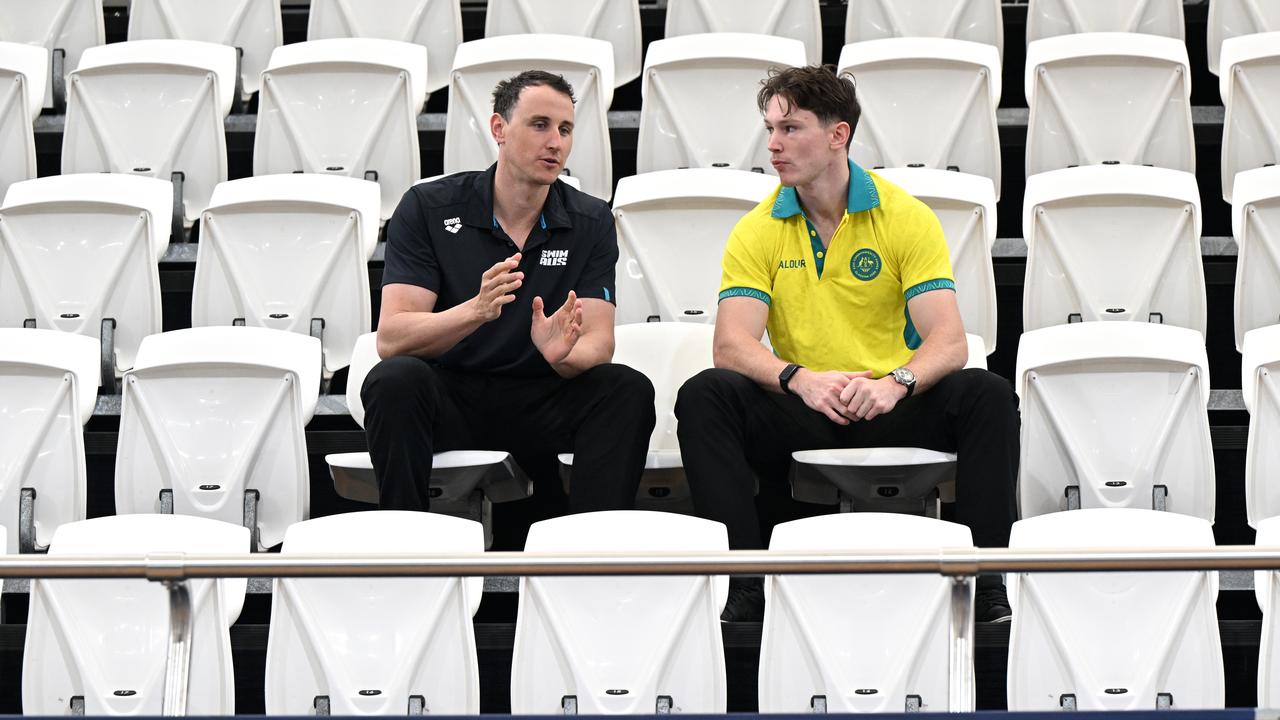
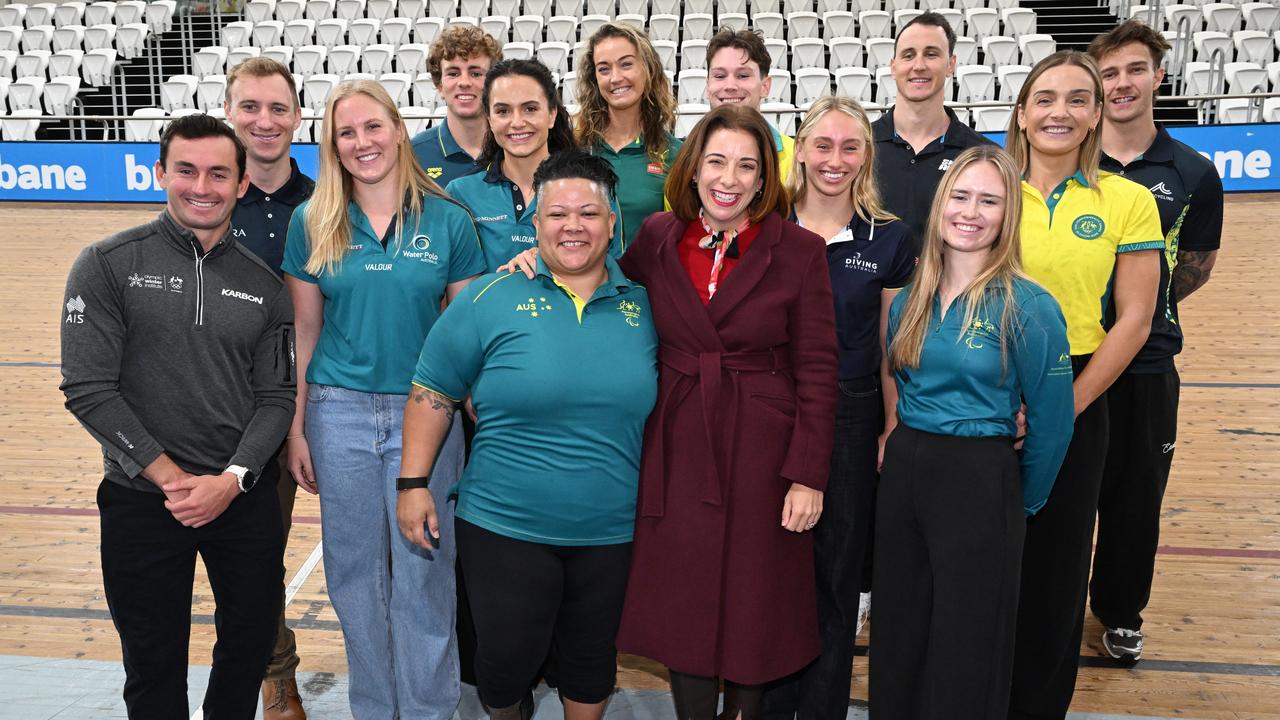
The Australian Sports Commission chief, who famously defended his 1500m freestyle Olympic title in Atlanta 30 years ago, stood alongside a host of current Olympic, Paralympic and Commonwealth Games athletes on Wednesday welcoming $513 million in high performance government funding over the next two years.
Importantly, $42.8 million has been allocated to the daily living and training expenses of close to 1000 athletes.
The record investment - up from $489 million in the last round of funding - comes after IOC president Kirsty Coventry lit a fuse last month when asserting Olympic athletes should not win prize money.
The five-time Olympic swimmer added that athletes get "beautiful venues ... beautiful villages ... a beautiful experience" with the money generated from their name, image and likeness.
Australia's champion swimmers have led the chorus of disapproval, with freestyle king Kyle Chalmers questioning why anyone would pursue a career in the pool and that it was the responsibility of organisations like the IOC, not the tax-payer, to cough up.
"It's very easy for a lot of us swimmers to voice our concerns but nothing seems to change and there's millions of dollars left in bank accounts (of) people using our image and our performances that we don't reap rewards of," he said.
Perkins sees both sides of the argument and expects debate to rage ahead of the Brisbane Games.
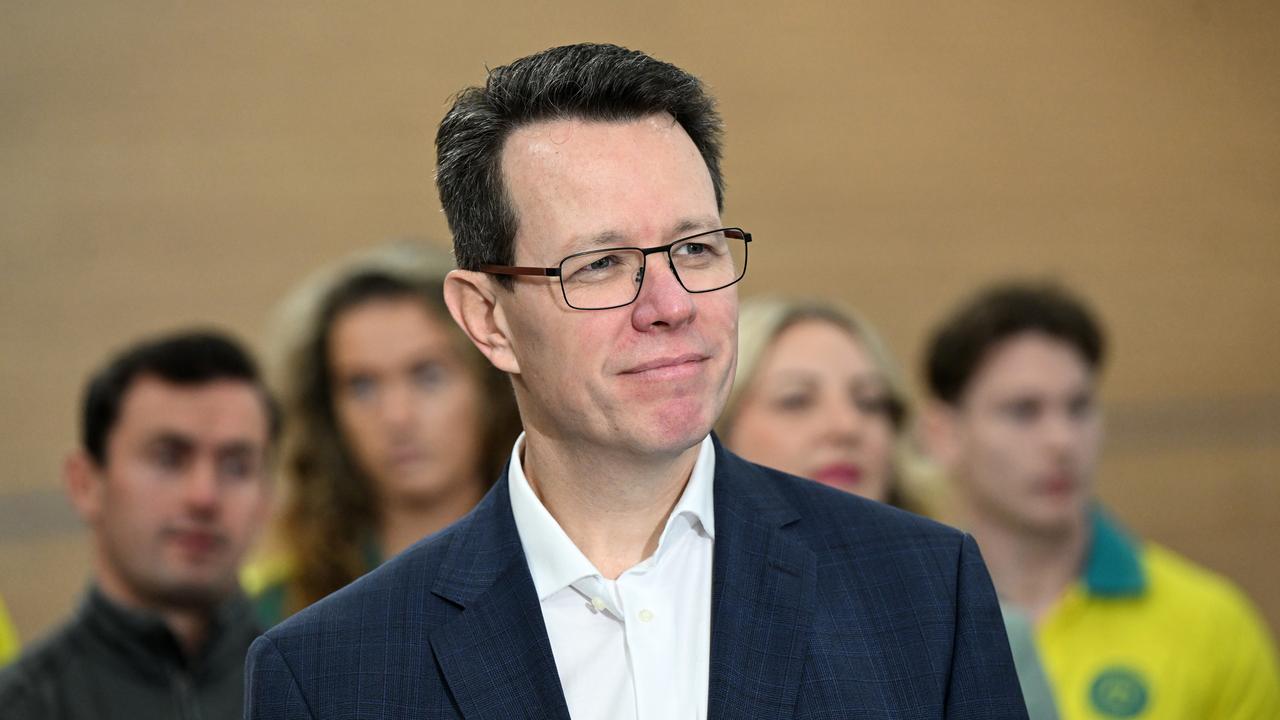
"You're always going to have these tensions, because generations of Olympians have come before and it's always been about the amateur pursuit of excellence," he told AAP.
"We're in a different, modern world, but it's a multi-million dollar event to run and it needs to be for the IOC to explain where everything goes.
"It's a wicked problem with no perfect answer and we'll always talk about it.
"The challenge is maintaining the sense of connection to the pursuit of excellence and not getting lost in the money."
World Athletics ring-fenced a portion of the IOC's revenue share to pay gold medallists in Paris and will extend that to silver and bronze for LA's 2028 Games.
But Coventry and Perkins argue those incentives can backfire.
Perkins expects domestic solutions, like the Australian Olympic Committee's medal incentive fund, will become more common but doesn't think the IOC will budge.
"To me it was never like that … the point was never the money and that's what the Olympic movement tries to hold onto," he said.
"The pursuit of excellence, it's not a mercenary thing."
World 50m freestyle record holder and Olympic champion Cam McEvoy disagrees.
"Comments made by the IOC, at a very inopportune time ... it's just accelerated what's going on right now," he told AAP.
"There's never been more pressure from the general public to an organisation like that to evolve with what the current times are, in terms of what sport is, how it's interacted with, how it's streamed and participated in."
McEvoy described Wednesday's funding announcement as tangible assistance for Olympic, Paralympic and Commonwealth Games athletes.
"It will allows us to raise the floor up," he said.
"It's one thing to focus on the top, but raising the floor is one way to make significant improvements."
Paralympic swimming champion Lewis Bishop, a student in Brisbane, can claim up to $43,000 as part of the dAIS program.
"It's not only improved my performance, but my life in general and my future," Lewis, whose leg was amputated after a boating accident when he was nine, told AAP.
"I have this 2016 Nissan Pulsar I drive to training ... it's hanging on.
"But I didn't have a car until after Paris, I couldn't afford it. I'd saved about $1000 while working as a lifeguard, but hadn't made a single dollar from swimming, but then got myself on the podium in Paris.
"Without this funding I wouldn't be able to get to training in the first place. So I feel like the luckiest guy in the world."
The funding covers 68 sports programs over the next two years and includes first-time assistance for Curling Australia, Biathlon Australia and Ice Racing Australia as part of an historic increase in Winter Olympic support.
Para athletes will also get a boost, with $54.9 million allocated for better classification, training environments, coaching and support.