
What is it?
The Baum Guitars Carve comes from a company that is relatively new on the scene, and seemingly appeared out of nowhere for me. Like most of the modern age’s discoveries, I came across the company via sponsored posts scrolling on Instagram. The sharp design and strangely familiar outlines grabbed my attention, and an encounter with Baum at the UK Guitar Show sealed the deal.
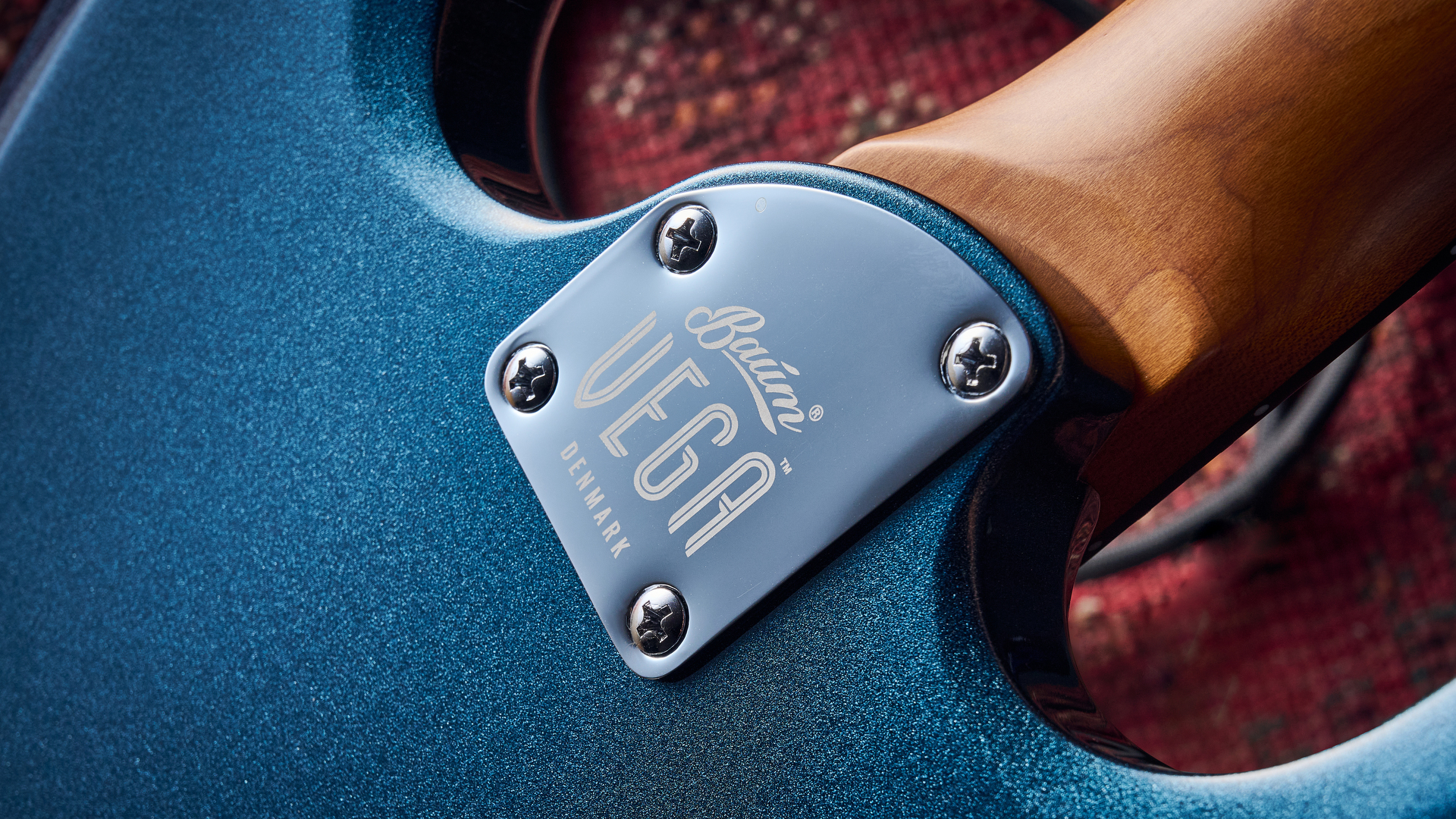
Baum actually goes back to 2015, established by Morten Bau, focusing on custom builds and Danish-made, high-end instruments. Quickly realising it had a winning formula on its hands, Baum switched to replicating these same designs with far-eastern-made guitars, reducing the costs and improving the accessibility to a wider audience. The Carve is made in Indonesia, using proprietary parts and pickups, before being shipped back to Denmark for a proper setup from a professional luthier. It's this new Vega Series that The Carve I have here is taken from.
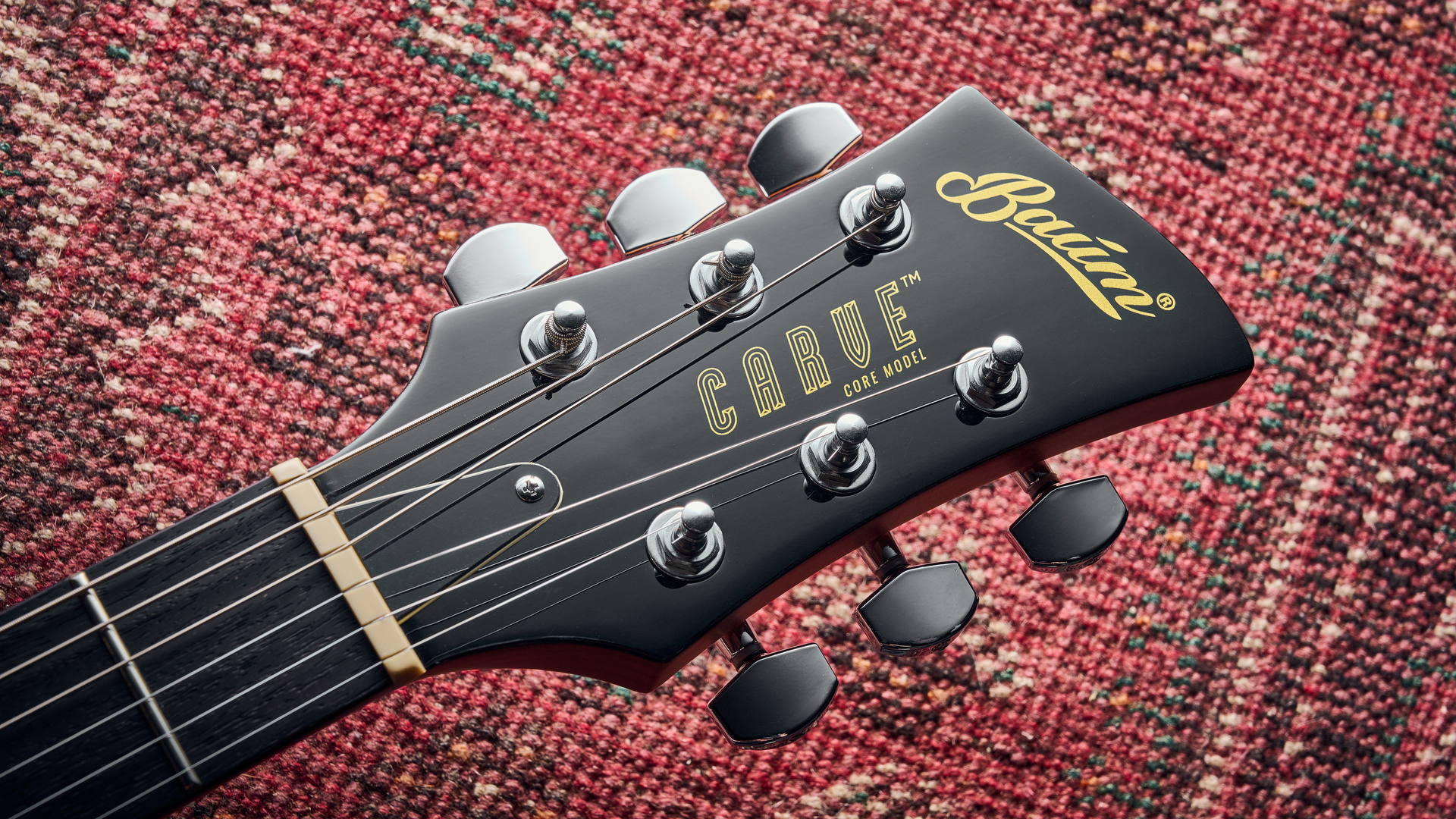
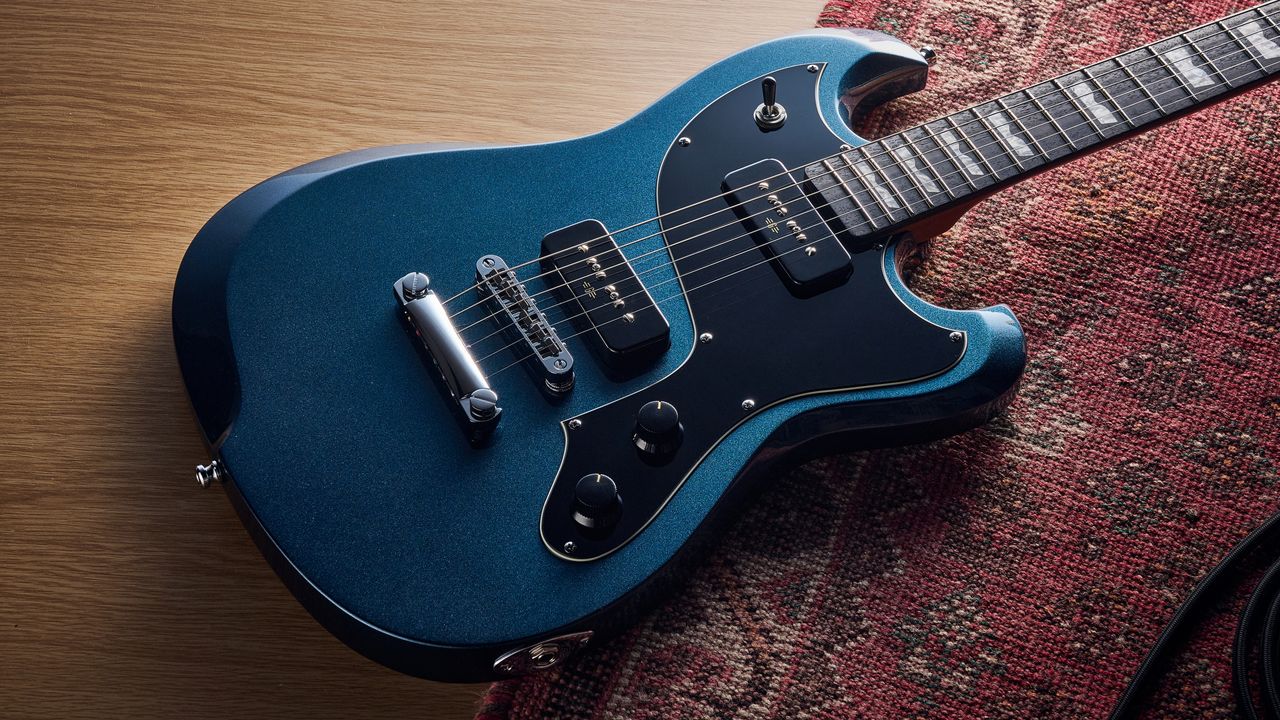
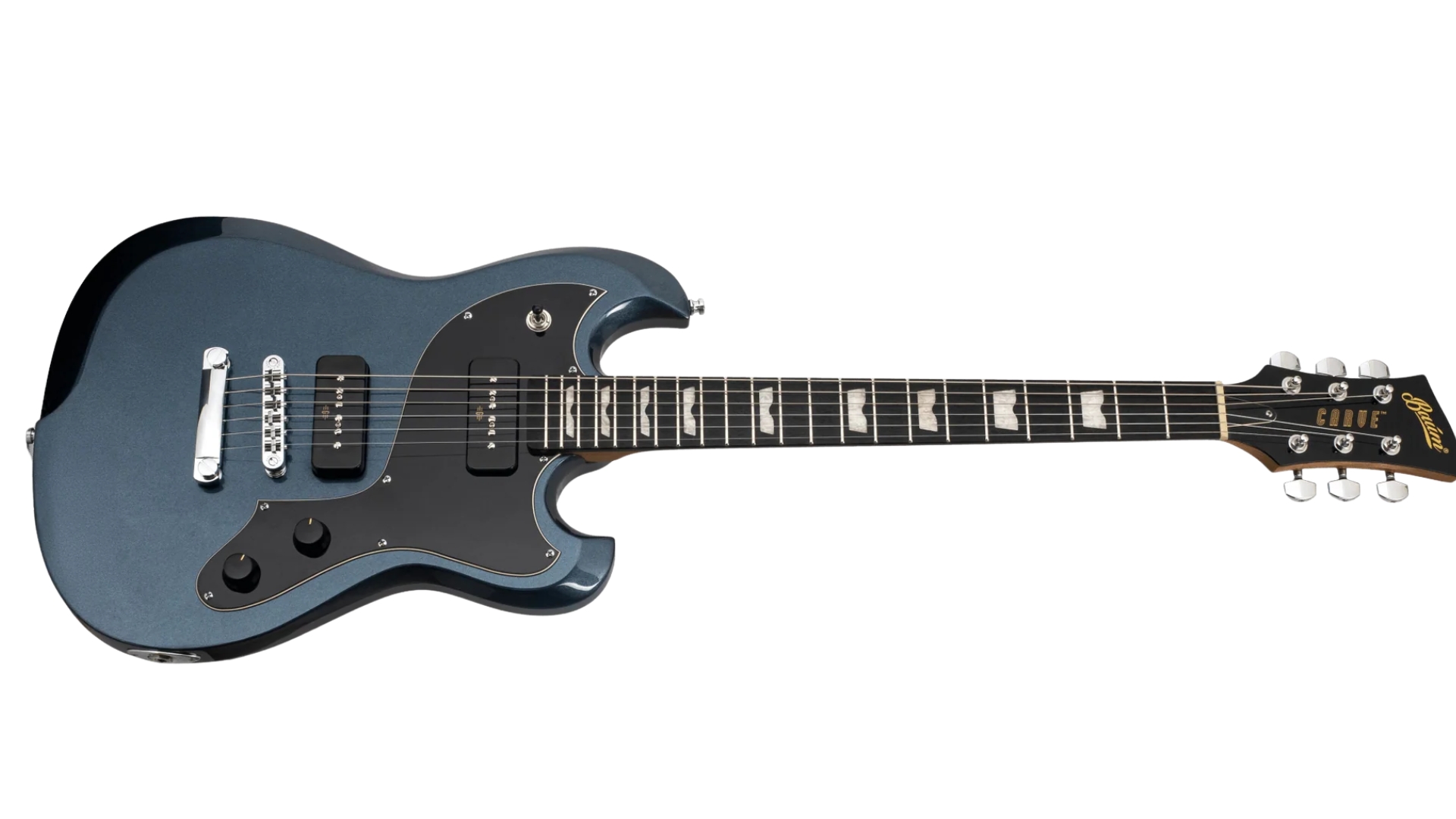
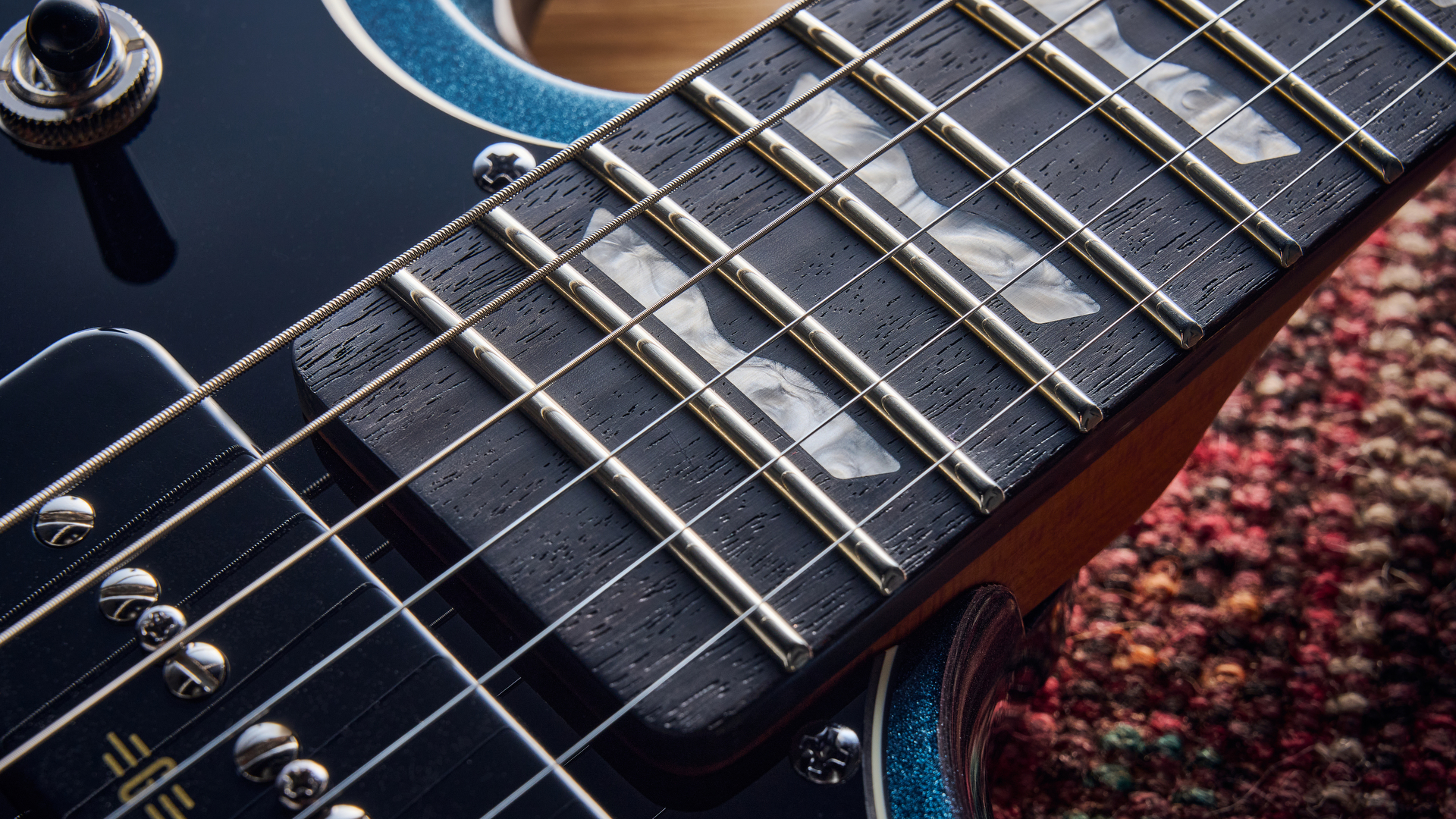
The Baum Carve features a slim, 36mm mahogany body with a metallic ‘Stone Blue’ finish. The sharp double cutaways are not unlike an SG guitar, but still distinctive enough to look like its own thing. The roasted maple neck is shaped to a ‘C profile, and features a rosewood fretboard with a 12-inch radius. ‘Crown’ inlays decorate the 22 medium jumbo frets, which are constructed from nickel.
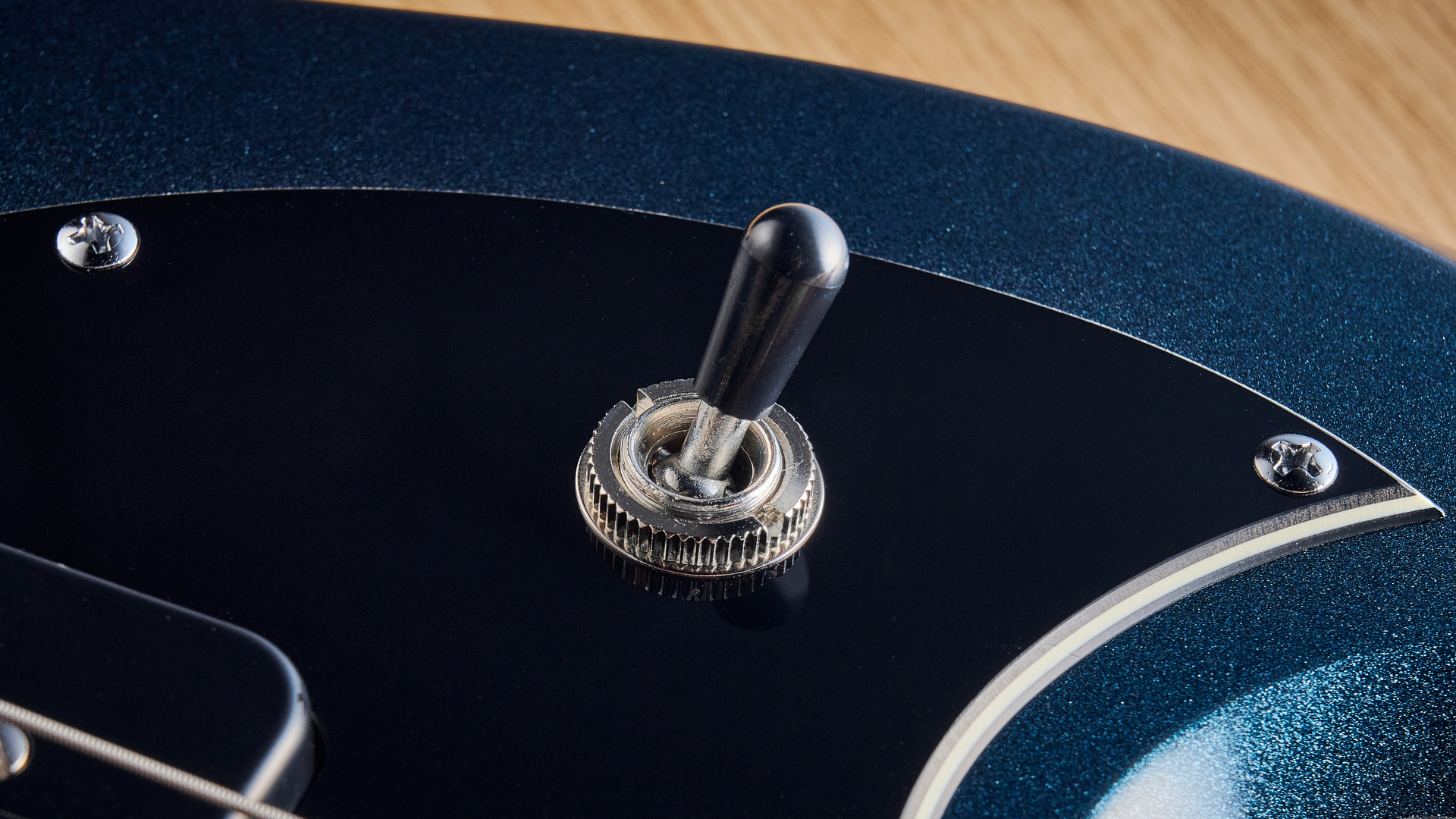
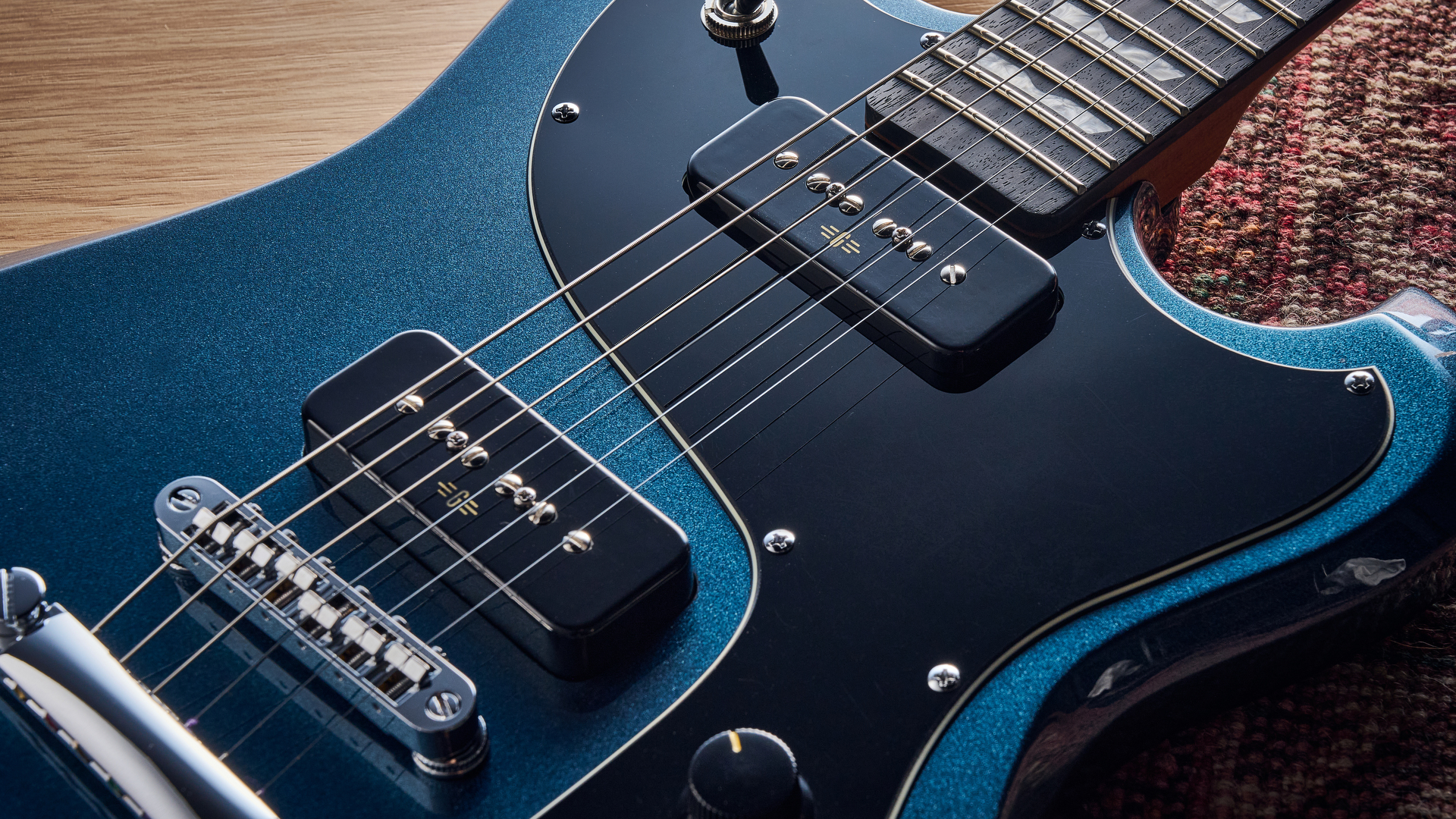
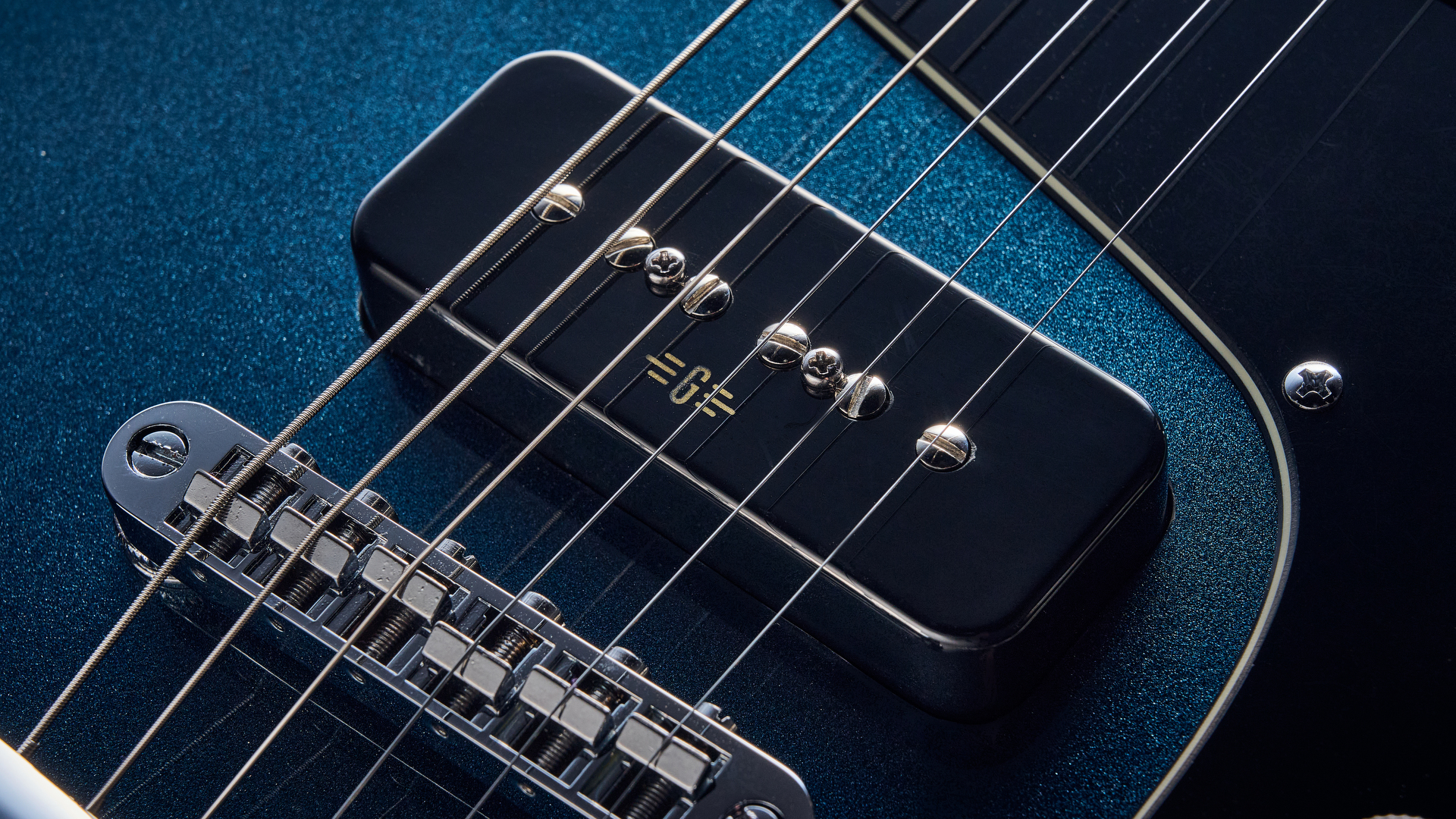
The hardware is all Baum’s own, with a Baum Performer tune-o-matic bridge with a stop tail, and a set of Baum Performer tuners with an 18:1 ratio. The dual single-coil pickups are also Baum’s own Goldsound Ember P-90, which feature Alnico V magnets. A 3-way toggle switch gives you traditional switching options, with a master volume and tone controls and 500K potentiometers. It also comes with a very nice Baum Original Deluxe Gig Bag.
Specs
- Launch price: $999 | £669 | €699
- Made: Indonesia
- Type: Six-string electric guitar
- Body: Mahogany
- Neck: Roasted maple / Baum modern ‘C’
- Fingerboard: Rosewood
- Scale length: 25.5” / 647.7 mm
- Nut/width: High-density composite / 42.9 mm
- Frets: 22, medium jumbo, nickel
- Hardware: Baum Performer tuners, Baum Performer bridge
- String spacing at bridge: 51.5mm
- Electrics: 2x Goldsound Ember P-90, master volume & master tone, 3-way toggle switch
- Weight: 3.2 kg / 7.05 lbs
- Left-handed options: No
- Finishes: Stone Blue (as reviewed), Vintage White
- Cases: Baum Deluxe Gig Bag
- Contact: Baum
Build quality
Build quality rating: ★★★★½
Taking the Baum Carve out of its rather nice gig bag, the shape of the body is immediately distinctive in its metallic blue finish. It’s like a less aggressive SG shape, with the double cutaways more rounded off. At the tail end of the body, there’s an asymmetric cut that starts as an arm bevel but terminates much lower down than usual at the strap pin.
This carve continues up to the top horn, and flipping the guitar around, there’s another bevel that goes all the way around the body edge and into the cutaways, alongside a curved neck heel on the treble side for additional comfort. As I’ve seen with a couple of guitars I’ve more recently reviewed, there’s no panel on the back for accessing the electronics, so if you ever do need to change anything, the entire pickguard will have to come off.
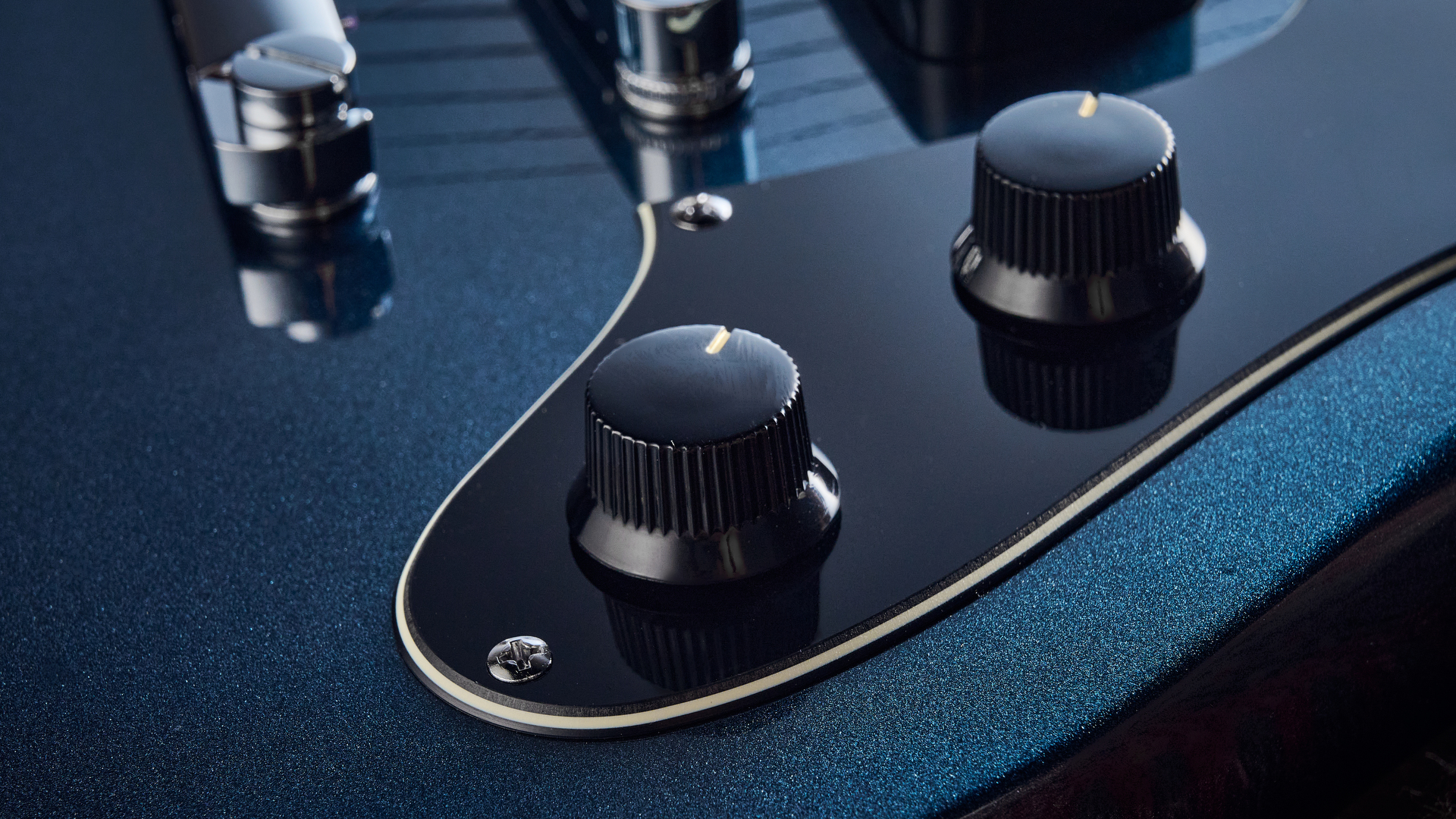
The metallic blue finish is very well applied, and upon close inspection of all the knobs, screws, and body fitments, everything feels very well-made and sturdy. The neck joint is neat, and examining up and down the fretboard, I see nothing out of place apart from a tiny bit of extra glue sticking out from the 17th fret.
Playability
Playability rating: ★★★★½
There’s no real adjustment period for being able to play my favorite licks
Unlike the SG which it shares so much of a likeness with, the Baum Carve features a 25.5” scale length. Sitting down to play, the Modern ‘C’ neck profile feels very familiar coming from my Telecaster, and there’s no real adjustment period for being able to play my favorite licks. The medium jumbo frets feel nice to bend against, and there isn’t too much resistance from the .10 gauge D’Addario electric guitar strings fitted to it.
I do notice some buzzing at the 1st fret, so I have to remove the truss rod cover and make a small adjustment to get it really singing. Baum did warn me that this particular guitar has been to several shows before reaching me, and that its new guitars always have these adjustments done before reaching customers. With my finger on the 1st fret, the action measures at 2mm on the 12th fret, which, on the face of it, is high. It doesn’t affect the playability all that much, though, whether I’m chugging drop-D riffs or letting fly with some rapid-fire lead licks.
The neck profile is a nice all-rounder. Slim and modern feeling, but not quite in shred guitar territory. It handles everything I throw at it, and I never feel like any particular style or technique is beyond reach. The upper fret access is excellent, as you might expect with a design similar to an SG, but it’s not quite as good as Gibson's design. I have to angle my hand ever so slightly to land those 22nd fret bends.
Using it on a strap in rehearsal, there’s no neck dive either, thanks to the strap pin being positioned on the upper horn rather than at the back of the guitar. I do find that the toggle selector is a bit too close to the neck pickup, so when I got into playing some aggressive barre chords, I whacked it a couple of times onto the neck setting.
Sounds
Sounds rating: ★★★★½
I took the Baum Carve to rehearsal to put it through its paces with my gigging rig of an excessive pedalboard and Orange Rocker 32 tube amp. Starting off with a clean tone, I’m immediately surprised at how hot the bridge pickup is. It doesn’t take much to start pushing my amp into overdrive, and I have to recalibrate some of my pedal settings to get it back to where it usually is with my Telecaster.
It’s got the typical P-90 midrange articulation. It’s cutting, but smoother than a more traditional single-coil sound. Played softly, there’s loads of clean clarity, but as soon as I dig in with the pick, it’s easy to eke out some tube breakup. It’s a lovely sound, without a hint of the ice-pick you sometimes get from single coils, and adding some subtle delay and reverb keeps me playing for a long time.
The note sag is really obvious when I attack the string
The neck pickup is a little lower in the output stakes, so it stays cleaner with more forceful picking. Again, there’s that midrange clarity, but the sound is lovely and warm, and noodling single-note motifs sound incredible here. The note sag is really obvious when I attack the string, and it gives a lovely, soft feel that works really well with some busy post-rock arpeggios. With both pickups engaged, there’s a discernible jump in volume, and here the bridge does a lot of heavy lifting with a very bright attack.
Switching in a couple of overdrive pedals and moving to some higher gain stuff, again, the bridge pickup absolutely rips. For punky power chords, it really sings when I leather the strings, but there’s still an excellent clarity when striking full barre chords, even with a Blues Breaker-style overdrive in front of the already driven tube amp. Lead work sings out nicely, and I’m again impressed with the punchiness of the sound.
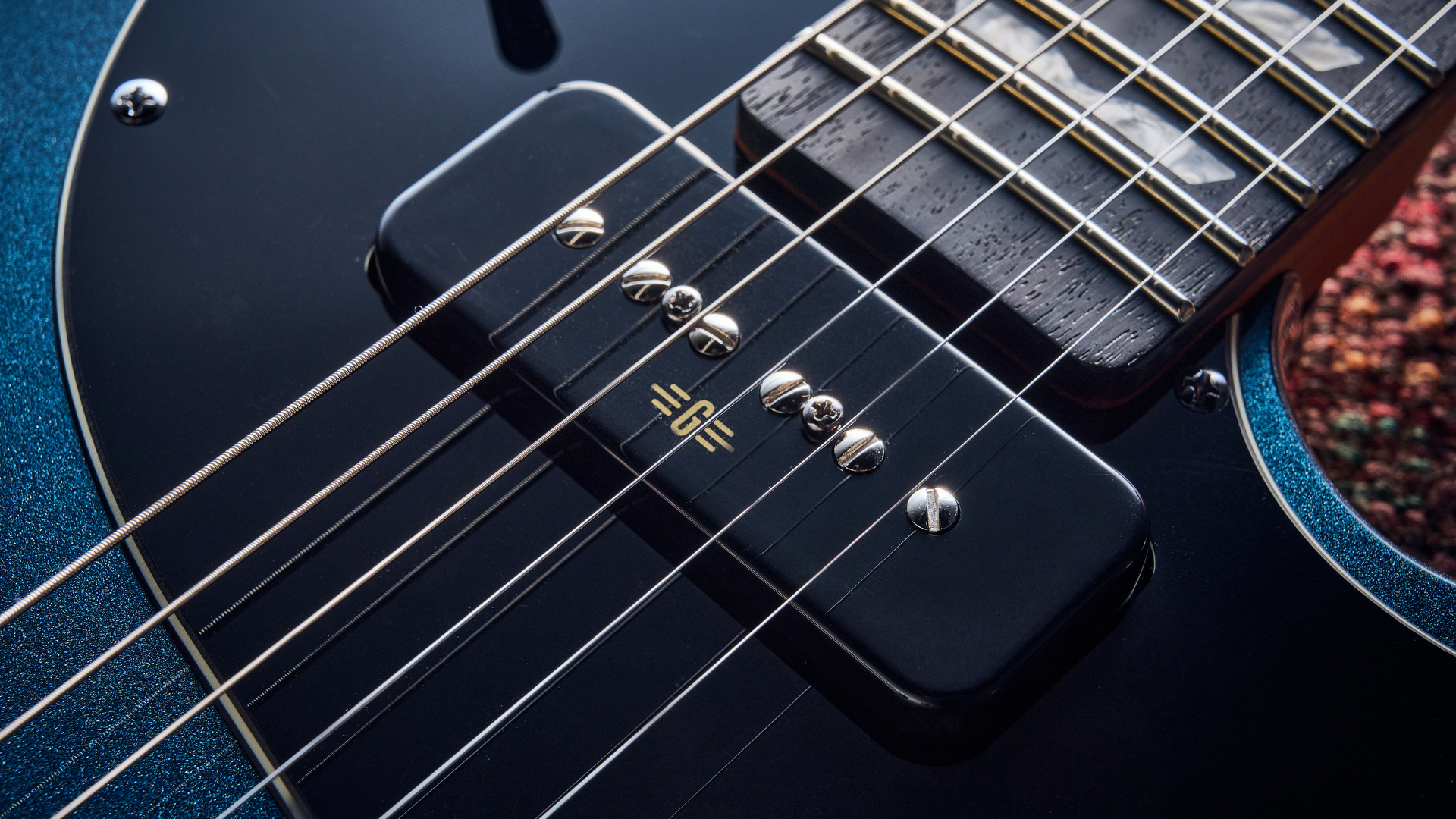
Switching to the neck pickup, it again retains excellent articulation under higher gain settings, sounding really warm but still with plenty of bite. There’s not quite as much clarity here when I play full chords, but it still sounds inspiring, and there’s a fuzziness to it that sounds great when I attack some single-note riffs on the low E.
Obviously, they won't do metal tones, but I found that pretty much every other style was achievable one way or another. Whether I was playing punky power chords, doomy riffs, or space rock guitar freakouts, the pickups delivered. That said, I think they will likely be too hot for vintage tone hunters.
Verdict
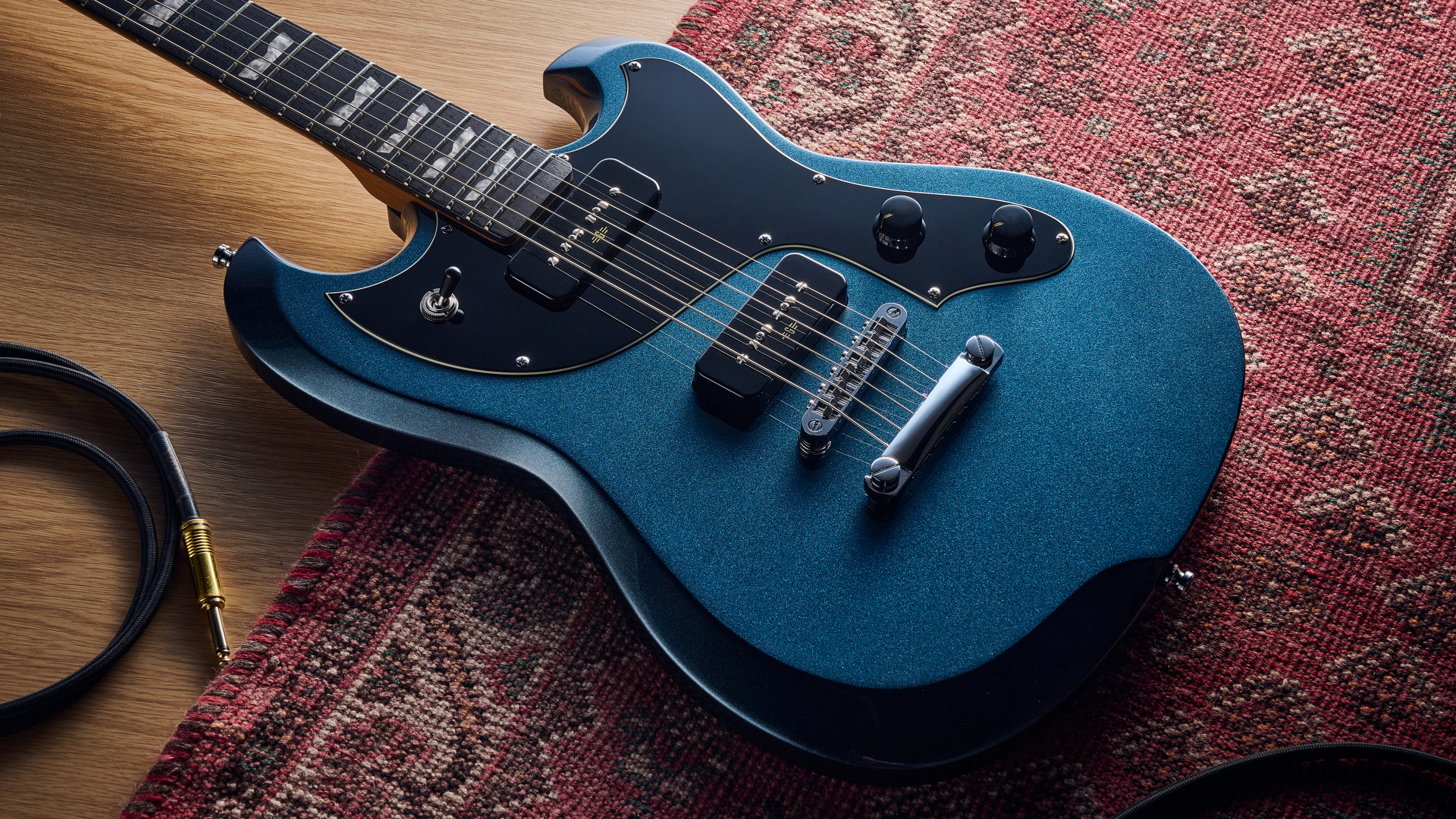
I was admittedly surprised when I saw the price point for the Baum Guitars Carve. It’s more expensive in the US, granted, but you still get a lot for below a grand. The EU and UK should especially sit up and take note, because it’s fantastic value there. It’s a guitar that really nicely balances the retro looks with modern playability and pickups, managing to impressively juxtapose originality and traditionalism that I reckon will appeal to all sorts of guitar players.
The EU and UK should especially sit up and take note, because it’s fantastic value there
My model was very well put together, but it did need a couple of setup tweaks to get it playing perfectly, though Baum did say this was due to this particular test model going to a few expos before it came to me. I’m not sure how I feel about the lack of a panel to access the pots at the back of the guitar, but maybe that’s me being pedantic. After all, how often do we actually check that unless there’s a serious problem or modding to be done? My only other issue is the placement of the toggle switch, which can be easily knocked when getting into a live performance.
Baum’s own Goldsound pickups do a phenomenal job here, especially if you like a hotter, more modern P-90 voice. They’re really adaptable to a wide variety of styles and took to all kinds of effects experimentation with aplomb. It might be a little too much for those who specifically want lower output tones. Overall, I think it’s well voiced for the modern player, and I certainly enjoyed the way they drove my guitar amp hard whilst still retaining plenty of articulation.
Guitar World verdict: Overall, I’m very impressed with the Baum Guitars Carve. It looks distinctive enough to be different in a way that isn’t likely to put off traditionalists, is very well put together, and is fantastic value for money - especially considering you get a high-quality gig bag with it. The pickups deliver that typical P-90 experience, aggressive under gain, lovely when gently picked clean, but always delivering plenty of clarity. It’s easy to see why Baum has seemingly emerged from nowhere when delivering guitars that are this good.
Test |
Results |
Score |
|---|---|---|
Build quality |
A very well put together guitar, but required some setup tweaks. |
★★★★½ |
Playability |
Excellent neck profile that’s well balanced. |
★★★★½ |
Sounds |
P-90s are excellent, delivering plenty of articulation. |
★★★★½ |
Overall |
A great value guitar that stands out from a very saturated marketplace. |
★★★★½ |