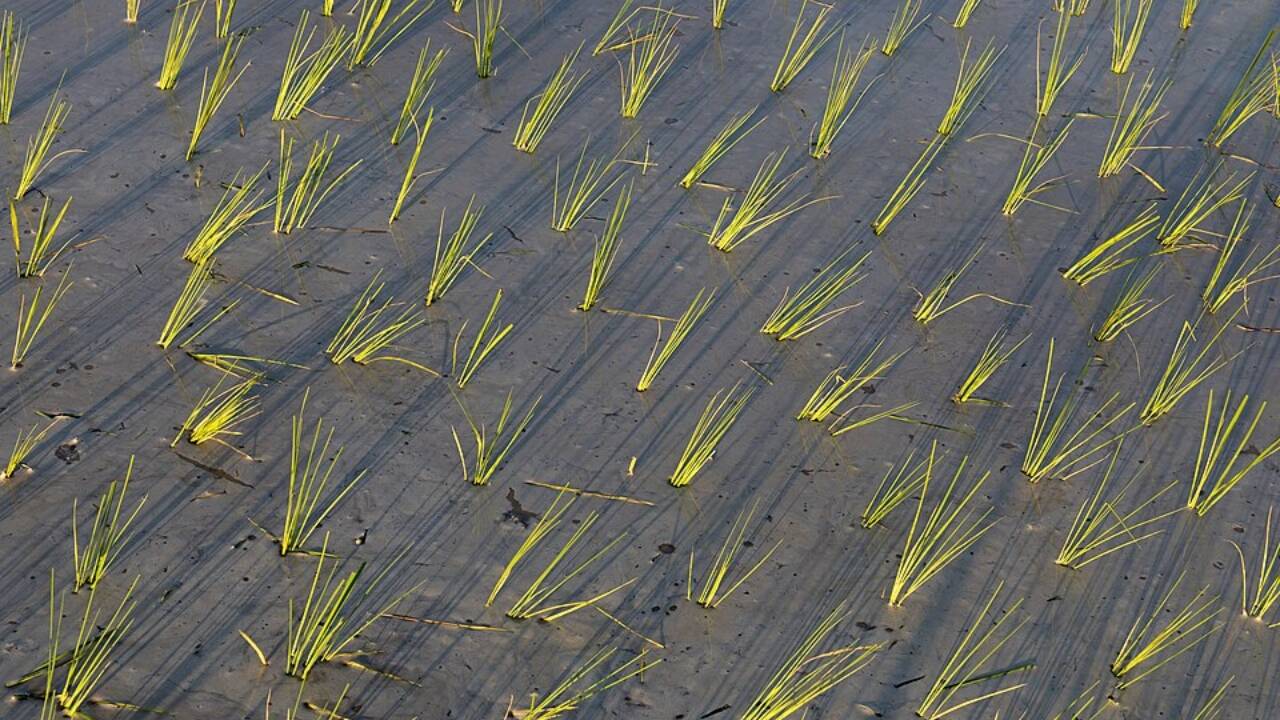
Northern Italy’s renowned rice-growing heartland is facing a severe drought, with farmers in Pavia province warning that drinking rivers, depleted reservoirs and persistent heat are leaving the paddy fields too dry to even sustain crops. With irrigation water becoming scarce, weeds are rapidly taking over the parched fields, raising fears of lower yields in one of Europe’s major rice-producing regions. According to Europe’s Po River District Basin Authority, several rivers across Northern Italy are currently facing difficult hydrological situations due to the below-average rainfall and prolonged humid temperatures.
Get breaking news anytime, anywhere. Download the TOI app now!
Rice fields struggle as drought tightens up
Pavia, located in Italy’s Lombardy area, produces a significant portion of the country’s rice, including the premium variety that is used for sushi and risotto. Notably, the cultivation of rice traditionally depends on continuously flooding the paddy fields, which suppresses weeds, regulates soil temperatures and reduces uptake of heavy metals such as cadmium. However, insufficient spring rainfall followed by an unusually early summer has drastically reduced the water supply in this area. Thus, without enough standing water, weeds have spread aggressively in the paddies while stressed plants are producing less grain than normal. According to Italy’s National Institute of Statistics, the country is one of Europe’s largest rice producers and accounts for more than half of Europe’s rice output.
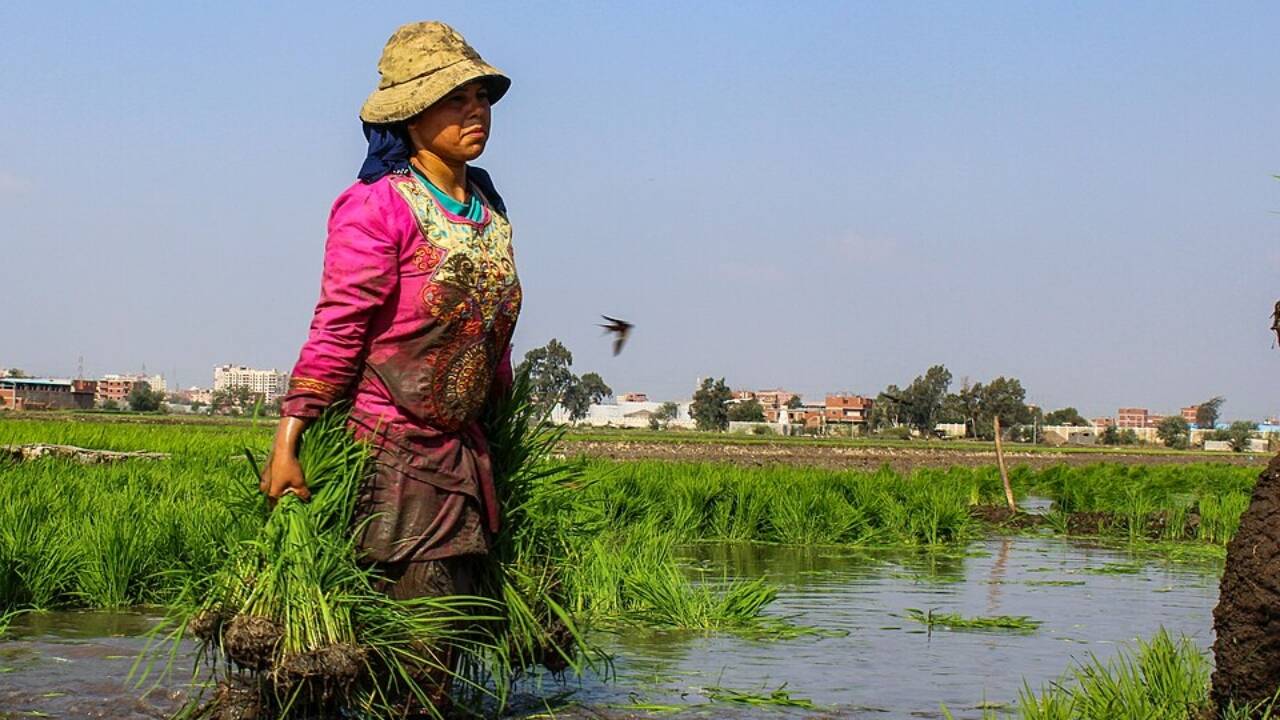
Furthermore, researchers believe that the current crisis reflects a broader trend of increasingly frequent climate extremes across Southern Europe. Researchers from World Weather Attribution concluded that human-induced climate change made the June heatwave more intense . Additionally, the rapid attribution of the study found that global warming continues to increase both the frequency and the severity of prolonged heatwaves across Europe. Higher temperatures also increase evaporation from reservoirs, rivers, and agricultural soils, thus affecting irrigation during critical crop growing stages.
With a rise in water demand, reservoirs are shrinking
Authorities have increasingly relied on releasing water from northern Italian lakes to sustain flows in the Po River, which is considered one of the most important agricultural water resources of the country. However, the ADBPO has warned authorities that water reserves could be exhausted within weeks if rainfall remains below average. It is worth noting that the growing scarcity has intensified tensions between the farming regions as producers of Lombardy, Piedmont, and the Po Delta have raised concerns over their limited water supplies.
Environmental organisation Legambiente argues that Italy’s water infrastructure has failed to keep pace with the changing climatic conditions. The group further called for expansion in winter water storage, improved irrigation efficiency, and revised rice cultivation to cope with frequent droughts. Many experts believe Italy’s rice industry will have to adapt to the increasingly warmer and drier climate through better water management rather than relying solely on emergency responses. Moreover, the Food and Agriculture Organisation notes that climate-smart agriculture, including improved irrigation systems and water-saving cultivation techniques, will be easier methods for maintaining food production as droughts become more and more frequent in Europe.