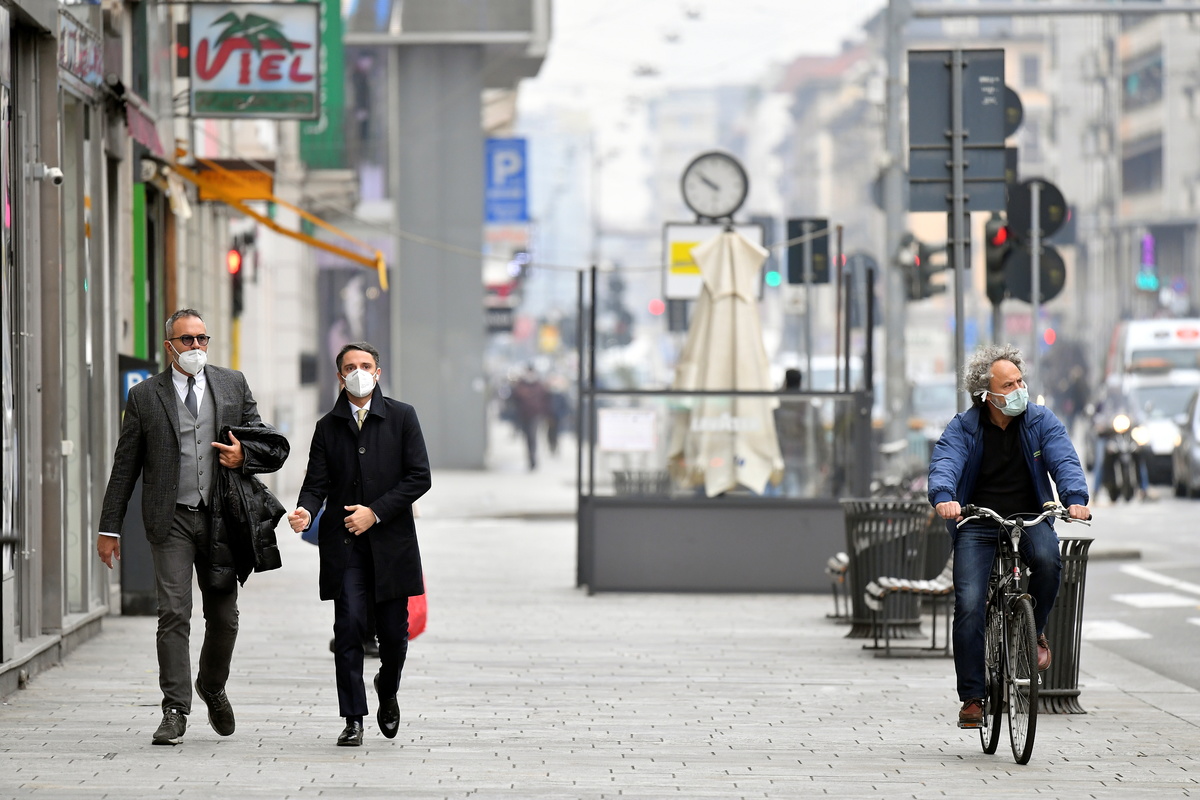
New coronavirus restrictions came into force in Italy on Friday but from pavements dotted with coffee drinkers to lines of striking taxi drivers, the picture on the streets was different from the ghostly scenes of the first lockdown.
The restrictions - which divide the country into three zones according to the severity of the latest outbreak - are less severe than the blanket measures imposed when the pandemic first took hold in March.
Like other countries in Europe, Italy, which reported more than 34,000 cases and 445 deaths on Thursday, has seen an alarming resurgence of the pandemic, but the government has been desperate not to shut down the economy entirely.
"Probably a partial lockdown is better than a total lockdown, for several reasons, mostly for the economy," said Milan resident Fabrizio Amadori.
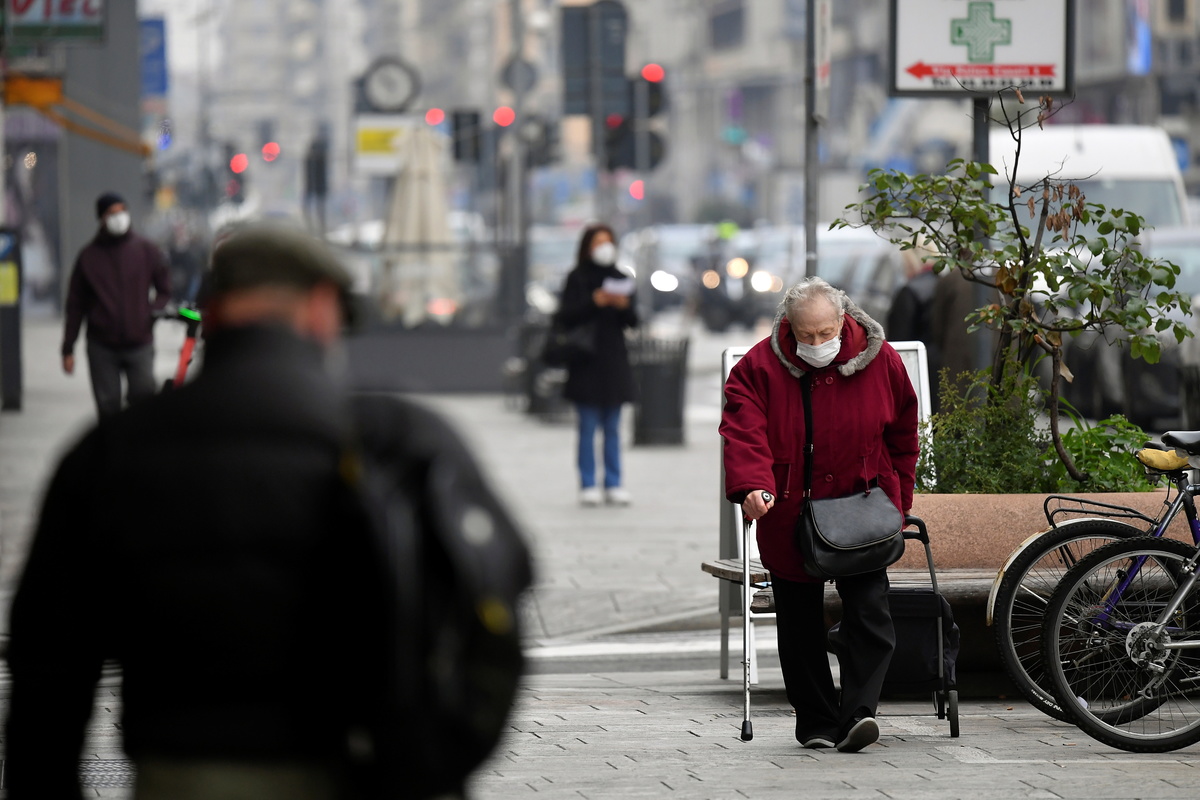
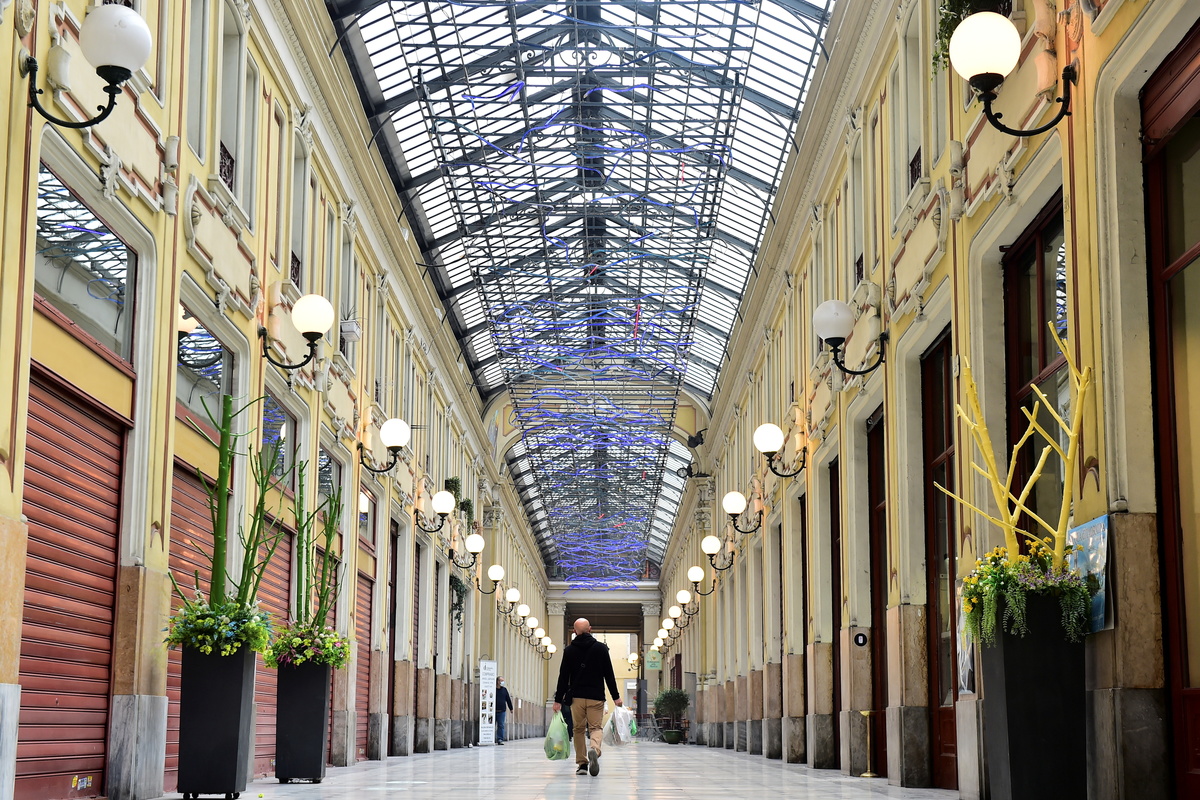
In Milan, the fashion and business capital where the strictest limits have been imposed, streets were quieter than normal but a far cry from the near-total silence of the spring.
Clothes shops, including the city's luxury boutiques, were closed but many schools, offices and businesses including retailers of food and a broad range of staples were open.
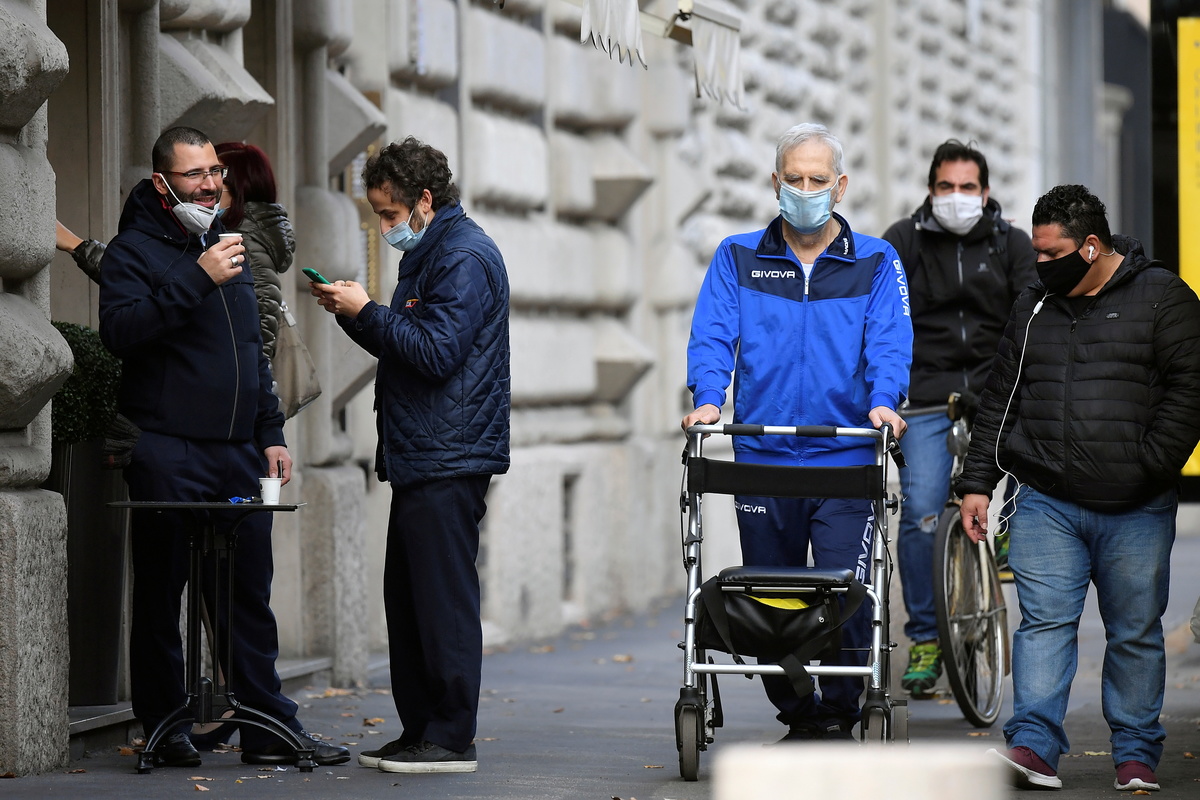
In the city centre, clusters of office workers or parents taking their children to school could be seen sipping their morning coffee from paper cups in front of cafes, despite rules against eating outside.
LOCKDOWN FATIGUE
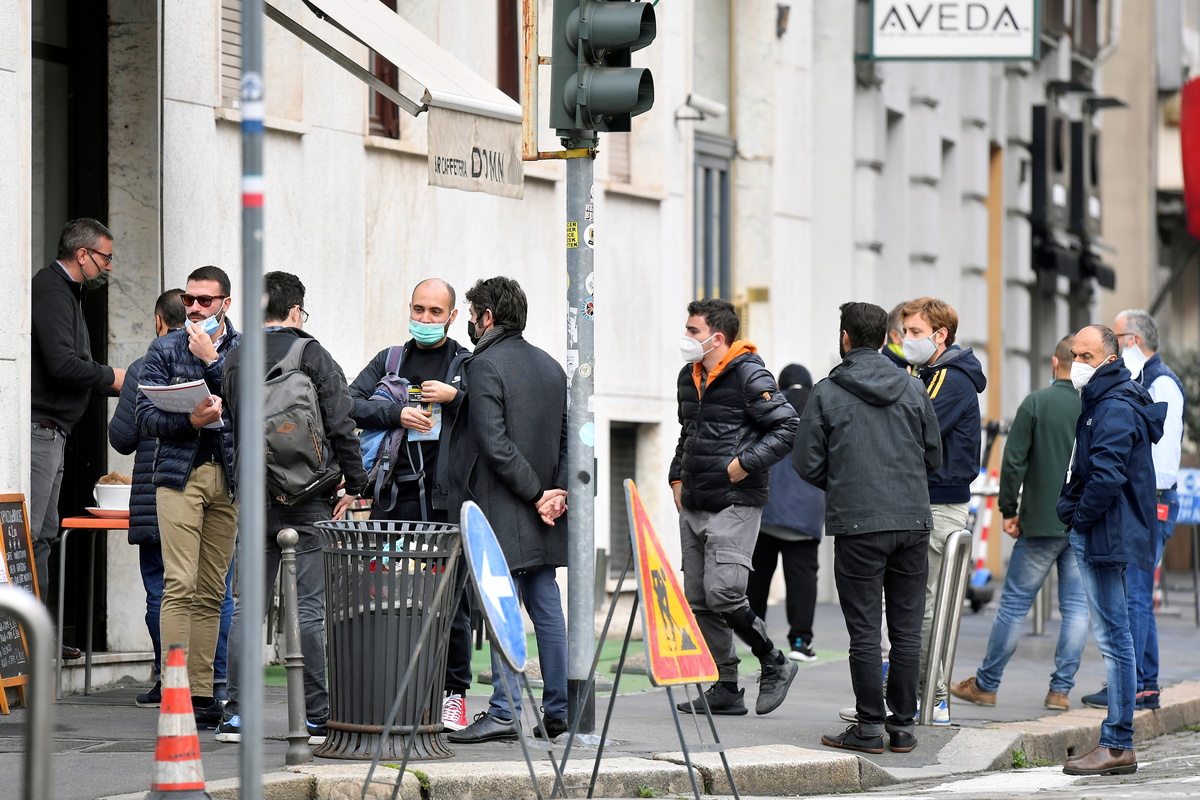
"It's different. In the first lockdown they only allowed home deliveries, this time takeaway is allowed," said Michela Di Canosa, co-owner of six restaurants in Milan. "I'm staying open at least to keep some people working."
But disputes between local leaders and Prime Minister Giuseppe Conte's government in Rome as well as general fatigue at the seemingly never-ending crisis have eroded the widespread public support seen in the first wave.
Businesses forced to close or wait months for promised financial support have been increasingly vocal in criticising the government.
"We don't have money to pay the monthly costs of our vehicles, we don't have enough money to provide for our families," said Lupo, a taxi driver taking part in a protest outside the Finance Ministry in Rome.
The rules themselves - which for example allow hairdressers and barbers to work but make beauty salons close - also appear to have left room for confusion.
Conte urged people to be patient and pull together.
"We hope these latest measures will only last a few weeks," the prime minister told an online food conference. "The virus is like a train on the move. Today we need to slow it down otherwise this train will hit us."
While signs of lockdown fatigue have grown, there has been little sign of a return to normal any time soon.
"I opened today because I know my clients still have to get organized for this lockdown and there are still people around," said Vicenzo Scialla, owner of a cafe near Milan's Bocconi university. "But I am pretty sure most people will stay home from Monday."
(Additional reporting by Giulio Piovaccari and Gabriele Pileri; Writing by James Mackenzie; Editing by Janet Lawrence)