Italian coronavirus deaths jump, dashing hopes that worst was over
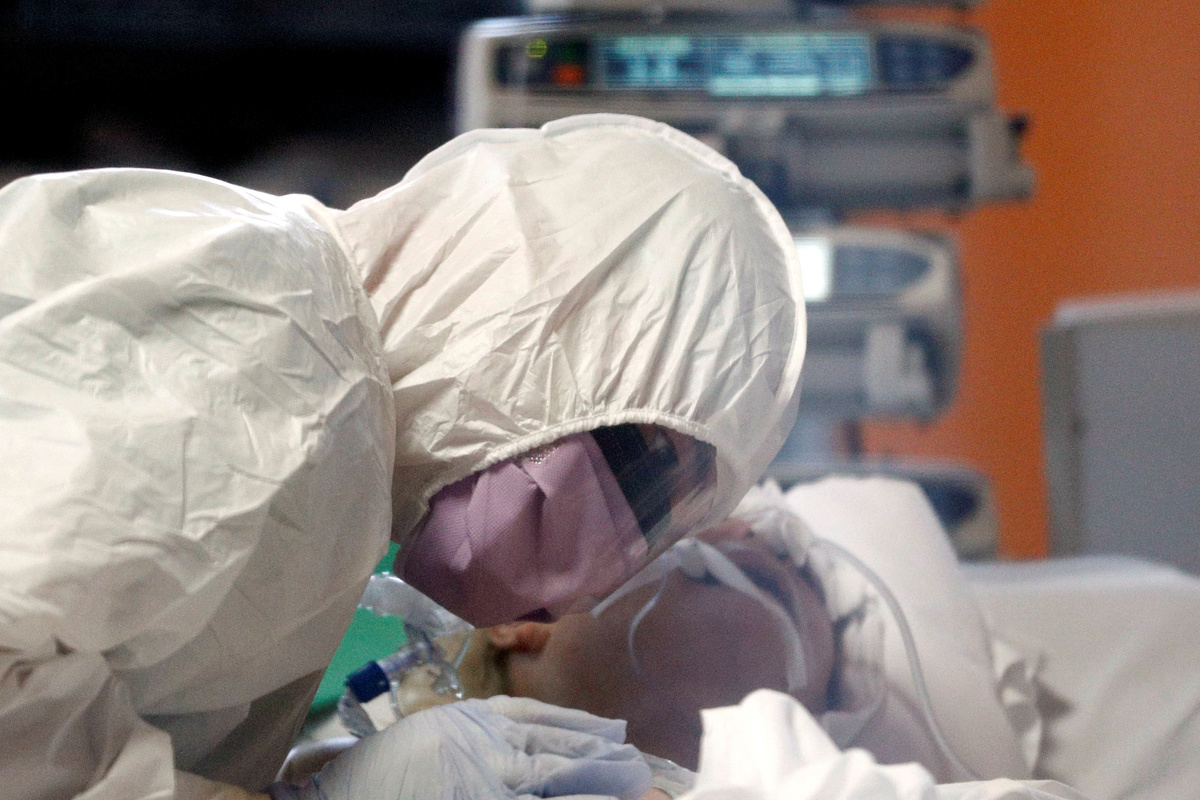
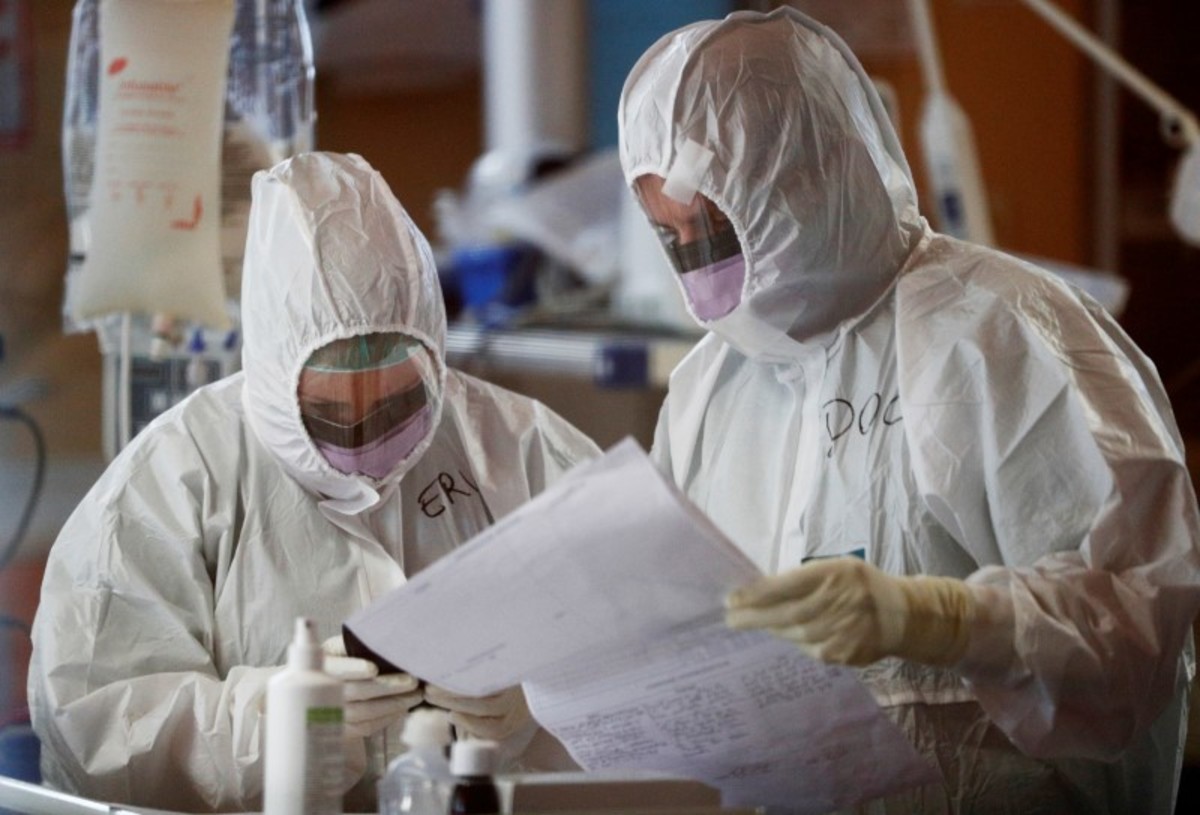
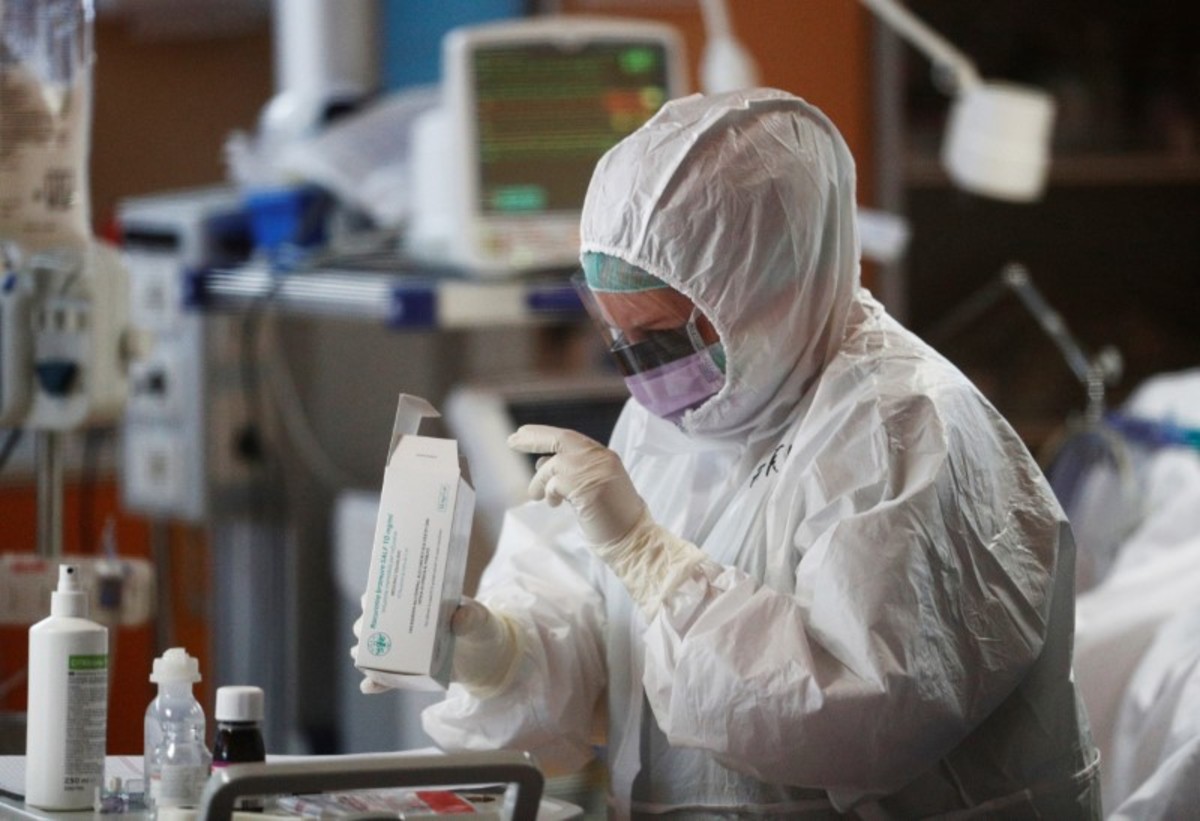
Medical workers in protective suits treat a patient suffering with coronavirus disease (COVID-19) in an intensive care unit at the Casalpalocco hospital, a hospital in Rome that has been dedicated to treating cases of the disease, Italy, March 24, 2020. REUTERS/Guglielmo Mangiapane
Fatalities in Italy from coronavirus have surged in the last 24 hours, the Civil Protection Agency said on Tuesday, dashing hopes the epidemic in the world's worst hit country was easing after more encouraging numbers in the previous two days.
The death toll rose by 743 on Tuesday, the second highest daily tally since the outbreak emerged in northern regions on Feb. 21, and up steeply from the 602 recorded on Monday.
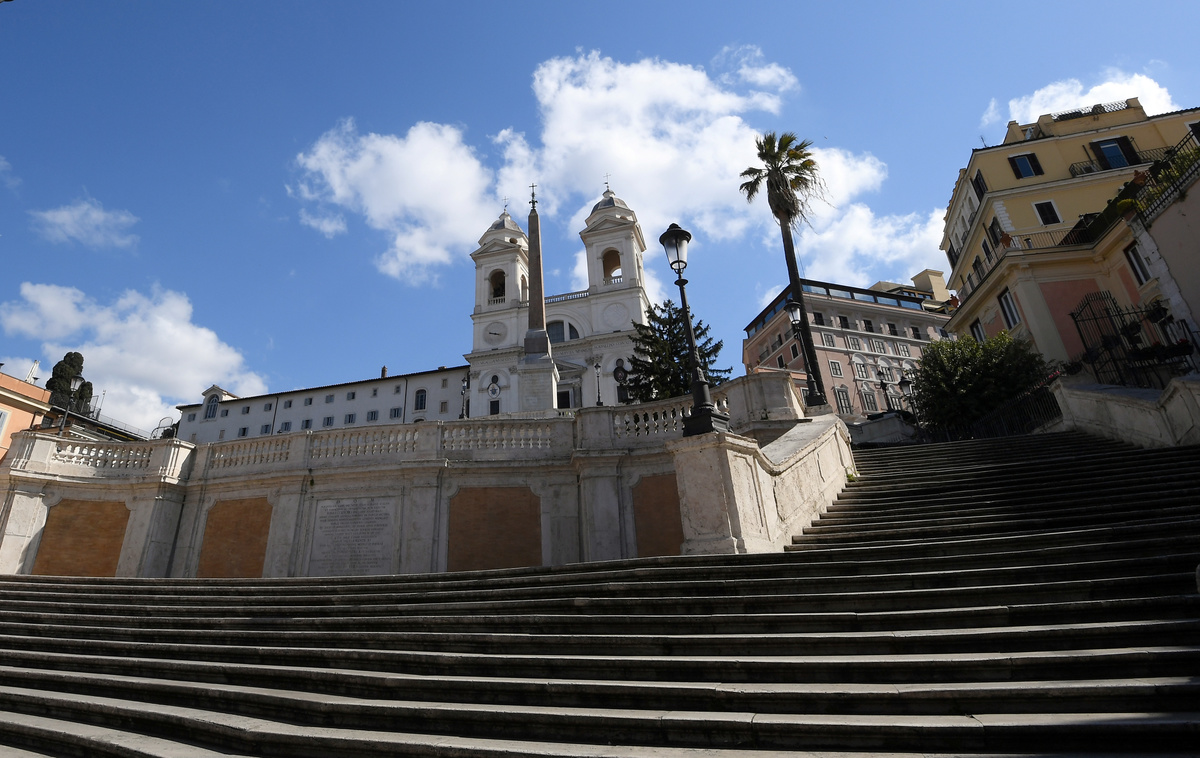
Rome's Spanish Steps are seen empty as Italy tightens measures to try and contain the spread of coronavirus disease (COVID-19), in Rome, Italy March 24, 2020. REUTERS/Alberto Lingria
Italy has seen more fatalities than any other country, with latest figures showing that 6,820 people have died from the infection in barely a month.
The total number of confirmed cases hit 69,176 on Tuesday, but with Italy testing only people with severe symptoms, the head of the Civil Protection Agency said the true number of infected people was probably 10 times higher.
"A ratio of one certified case out of every 10 is credible," Angelo Borrelli told La Repubblica newspaper, indicating he believed some 700,000 people could have been infected.
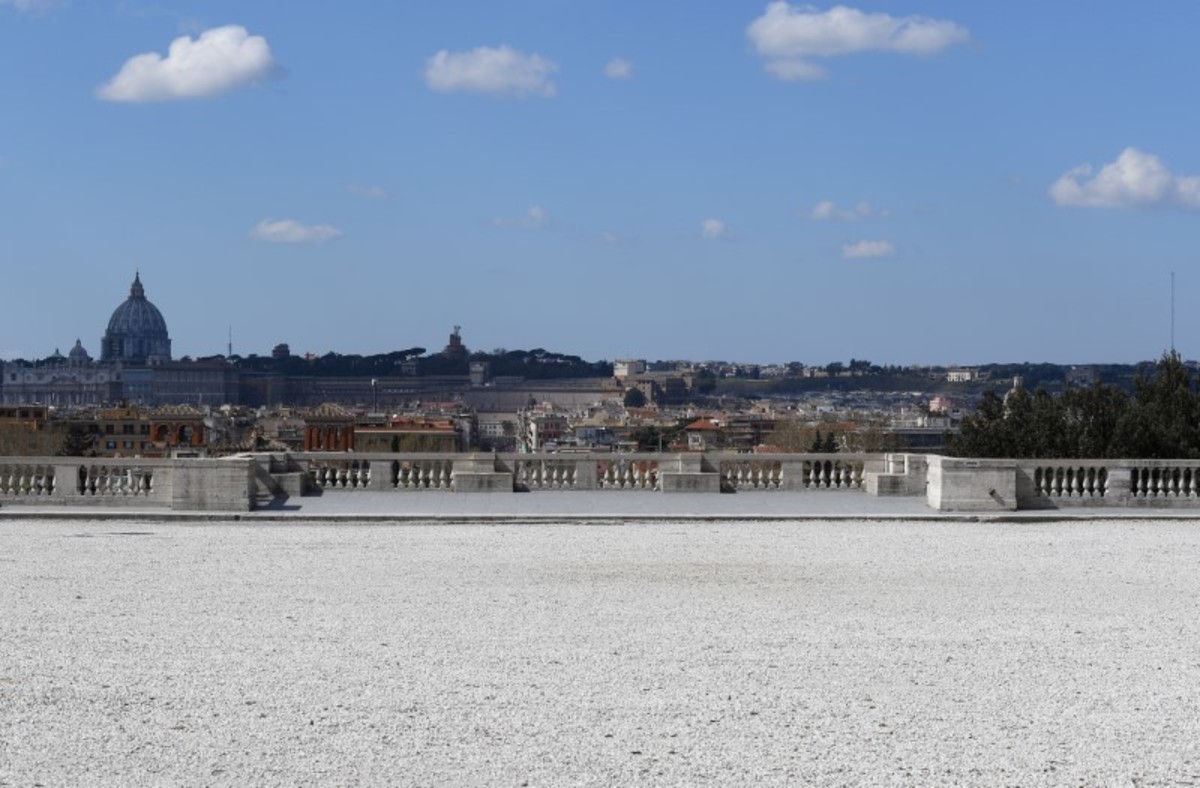
A view of Rome is seen from the empty Pincio terrace as Italy tightens measures to try and contain the spread of coronavirus disease (COVID-19), in Rome, Italy March 24, 2020. REUTERS/Alberto Lingria
The latest data comes as a disappointment to a country that has been in lockdown for two weeks, with schools, bars and restaurants shut and Italians forbidden from leaving their homes for all but essential needs.
On Monday the government closed all businesses not deemed to be essential to the nation's supply chain of vital requirements, and after the latest figures Prime Minister Giuseppe Conte stiffened fines for people leaving their homes to up to 3,000 euros ($3,225) from a previous maximum of 206 euros.
"Every one of us must play our part," he told reporters at a news conference held by remote video link to avoid contagion.
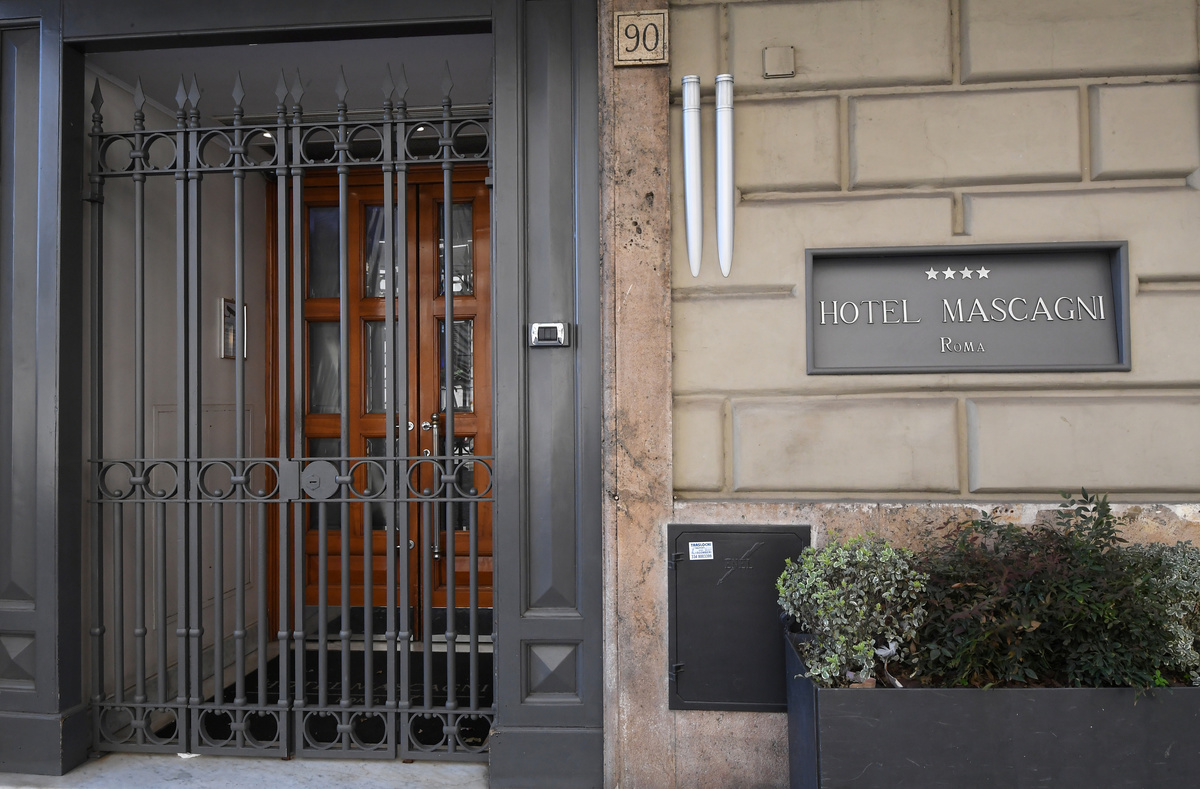
Hotel Mascagni is seen closed as Italy tightens measures to try and contain the spread of coronavirus disease (COVID-19), in Rome, Italy March 24, 2020. REUTERS/Alberto Lingria
"If everyone obeys the rules they don't only protect themselves and their loved ones, but they will enable the whole national community to come out of this emergency."
ECONOMIC HIT
Current restrictions are due to remain in place until April 3, but there is speculation the date will have to be pushed back given the continual rise in cases across the country.
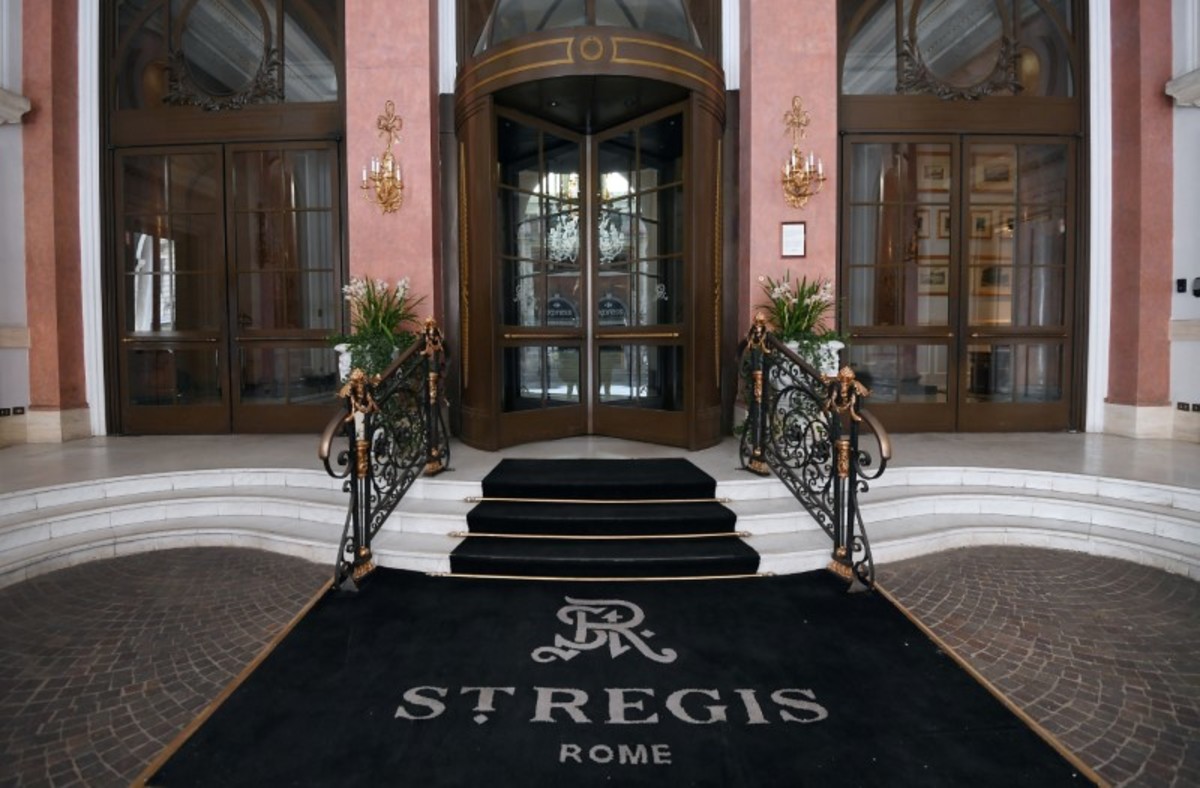
Grand Hotel St Regis is seen closed as Italy tightens measures to try and contain the spread of coronavirus disease (COVID-19), in Rome, Italy March 24, 2020. REUTERS/Alberto Lingria
A decree issued on Tuesday gave the government the power to extend the deadline to July 31. However, Conte denied planning to keep the lockdown in place until that date, saying he hoped to loosen curbs "well before then".
Investment bank Goldman Sachs forecast on Tuesday that the Italian economy, already teetering on recession before the outbreak hit, would shrink by more than 11% this year.
Economy Minister Roberto Gualtieri told parliament he expected a contraction of "a few percentage points".
Grand Hotel is seen closed as Italy tightens measures to try and contain the spread of coronavirus disease (COVID-19), in Rome, Italy March 24, 2020. REUTERS/Alberto Lingria
The Civil Protection Agency said the biggest difficulty facing the health service was a shortage of masks and ventilators - a problem that has dogged hospitals since the start of the outbreak.
Underscoring the problem, the regional governor of Veneto, Luca Zaia, ordered the confiscation of ventilators at veterinary surgeries, saying they could be converted to human use.
With other countries looking to hoard their own medical supplies, a consortium of Italian textile and fashion companies have converted their production lines and will soon be able to produce half the required amount of masks.
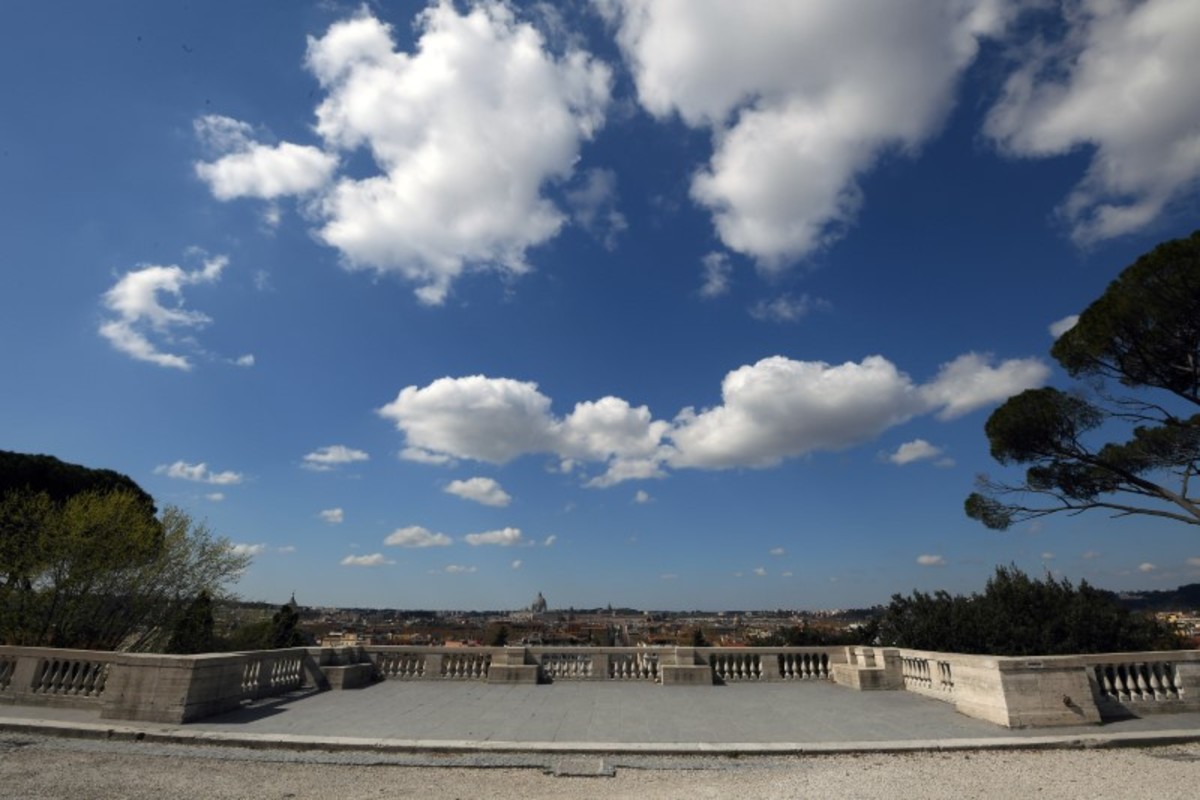
Pincio terrace is seen empty as Italy tightens measures to try and contain the spread of coronavirus disease (COVID-19), in Rome, Italy March 24, 2020. REUTERS/Alberto Lingria
"(This) will give our system the ammunition that we need in order to fight this war and avoid our total dependence on imports," Domenico Arcuri, the national commissioner for the emergency, told reporters.
The government has said a number of industrial sectors, including medical suppliers, must keep operating during the crisis, but there is growing unhappiness amongst some unions who think the list of strategic concerns is too wide.
Workers in the metal, chemical, textile, rubber-plastic and paper industries are expected to go on strike on Wednesday, alarming the government, which is holding talks with unions to try to stave off the stoppages.
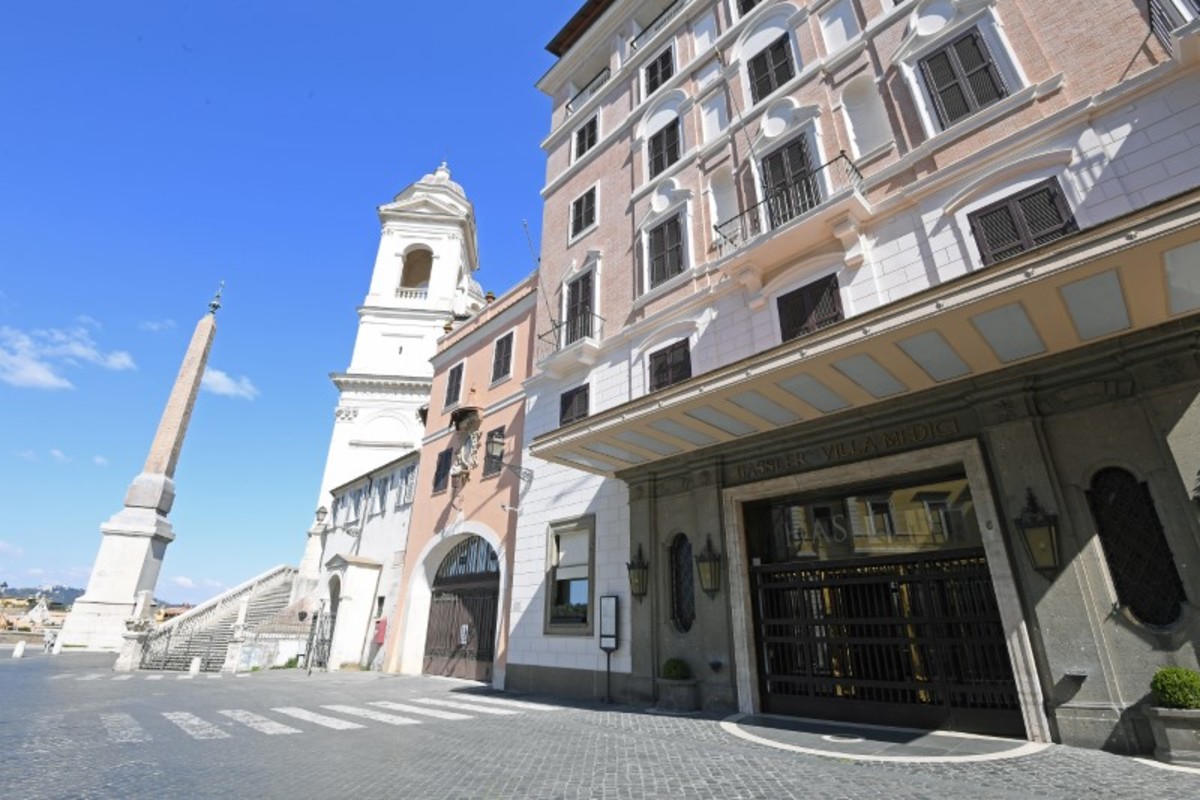
Hotel Hassler is seen closed as Italy tightens measures to try and contain the spread of coronavirus disease (COVID-19), in Rome, Italy March 24, 2020. REUTERS/Alberto Lingria
"The last thing that Italy can allow itself is industrial conflict in a situation of national emergency," deputy Economy Minister Antonio Misiani told SkyTG24 television.
(Additional reporting by Giuseppe Fonte, Giulia Segreti and Gavin Jones in Rome, Valentina Za and Elvira Pollina in Milan and Riccardo Bastianello in Veneto; writing by Gavin Jones and Crispian Balmer, Editing by Alex Richardson and Philippa Fletcher)
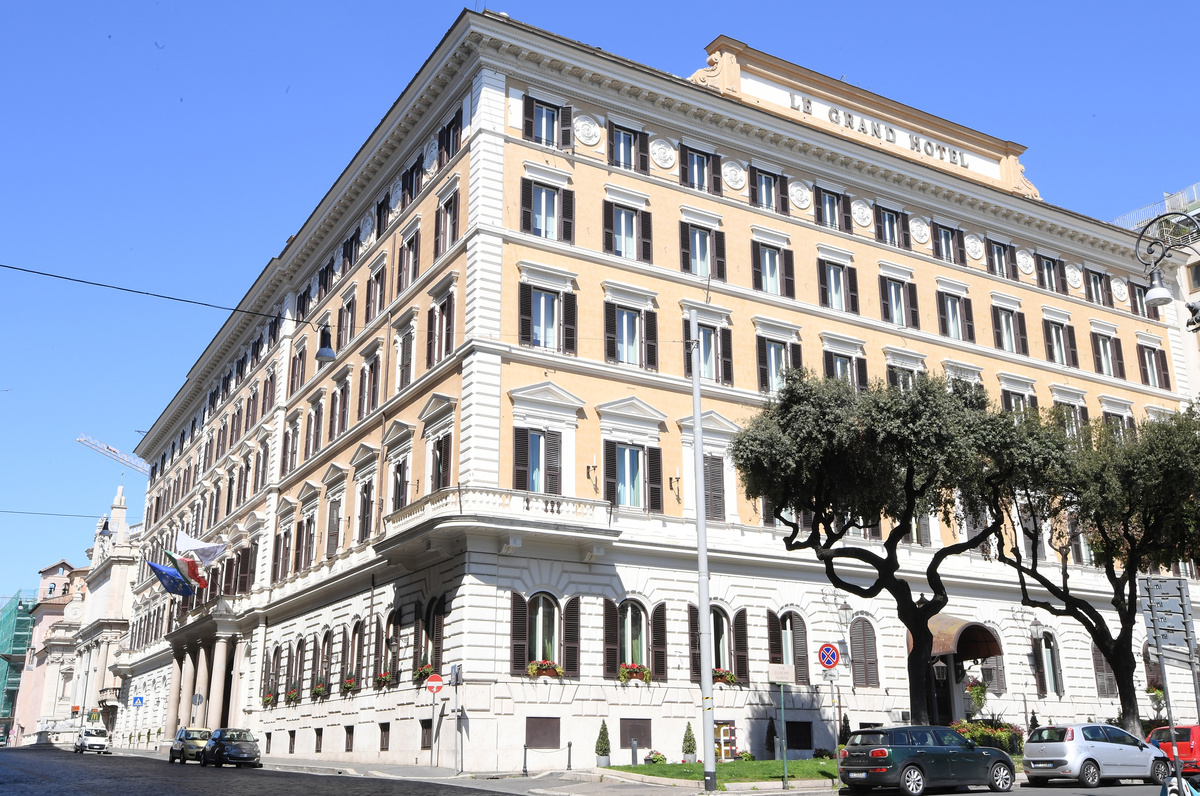
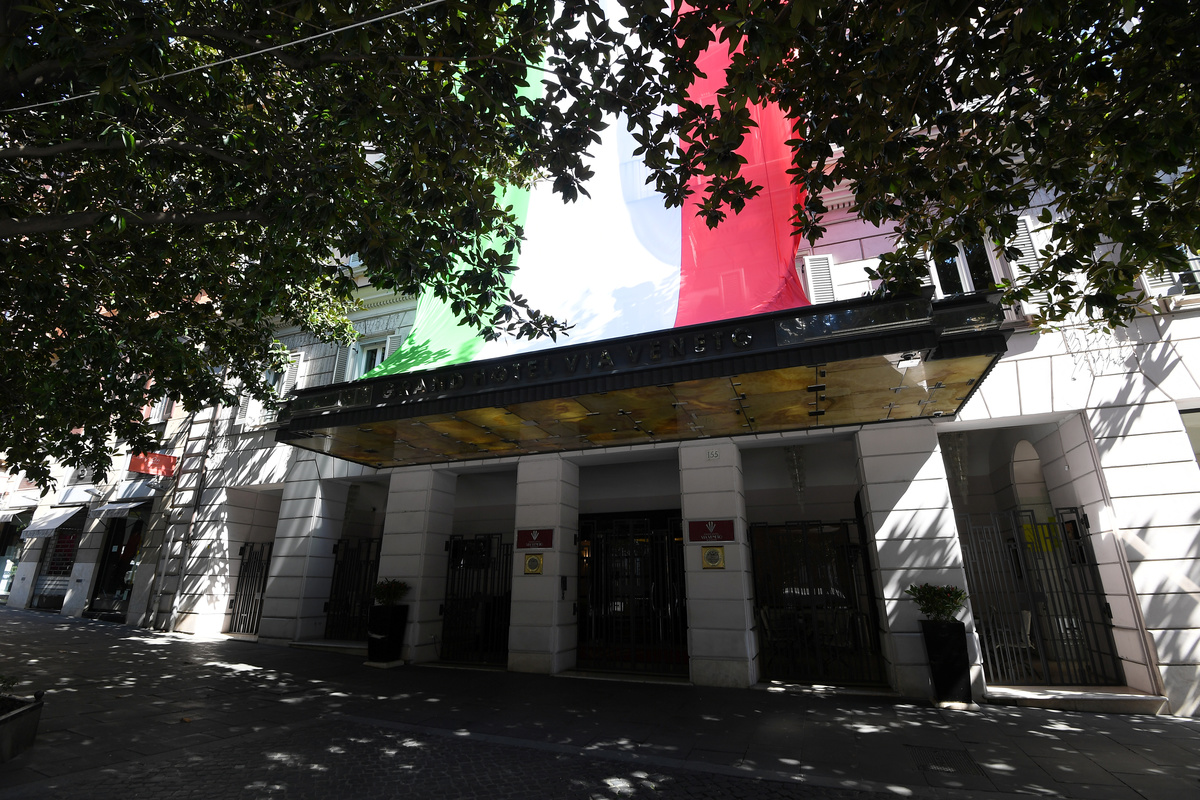
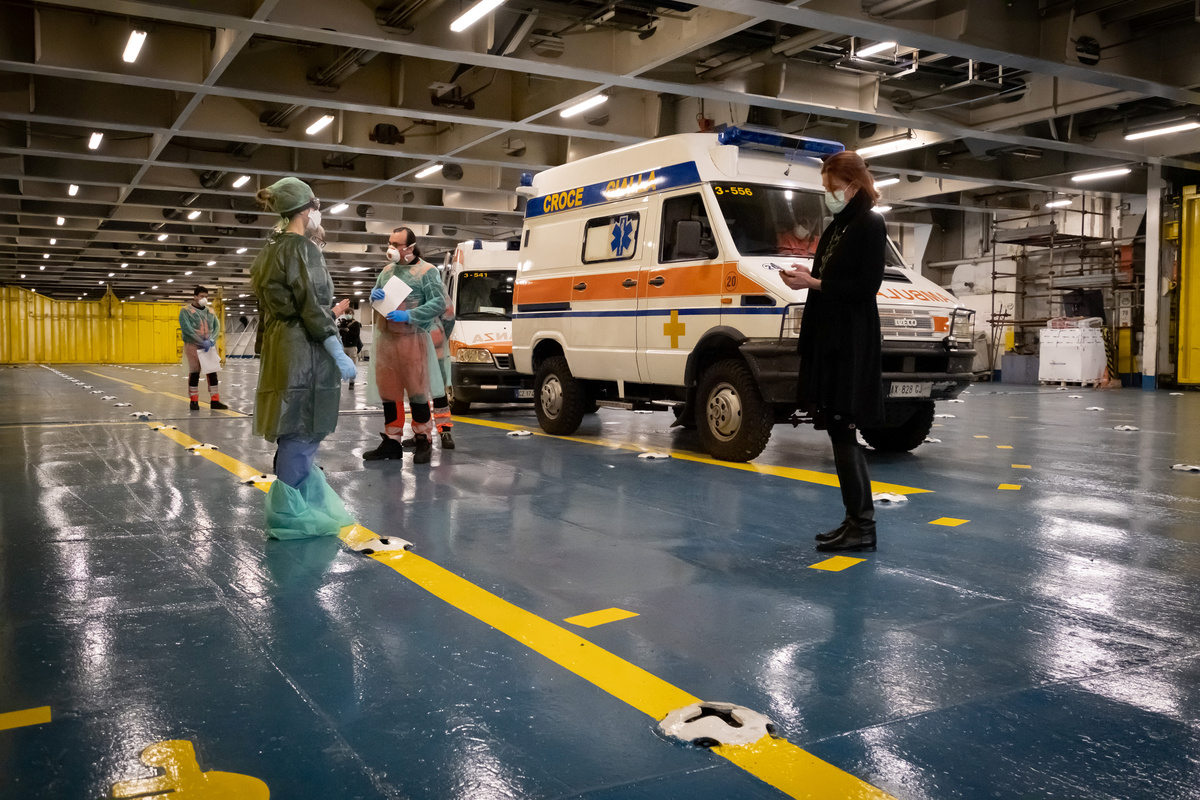
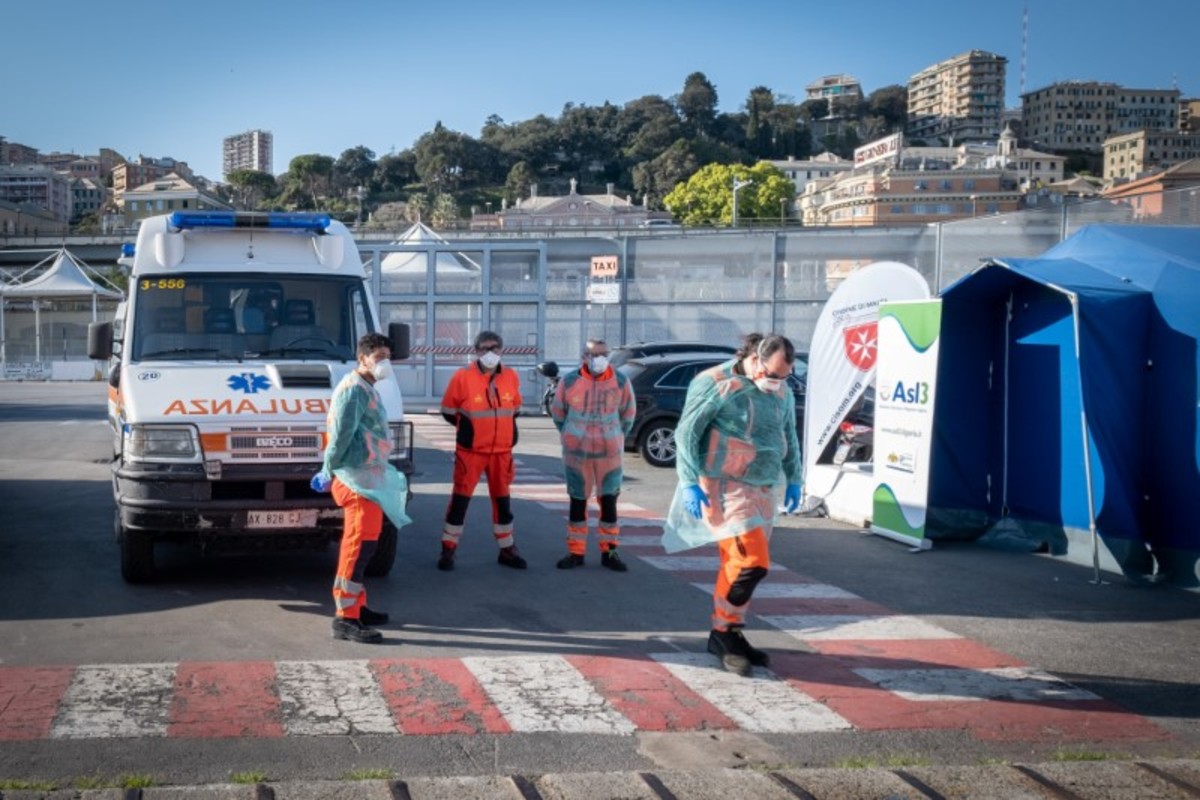
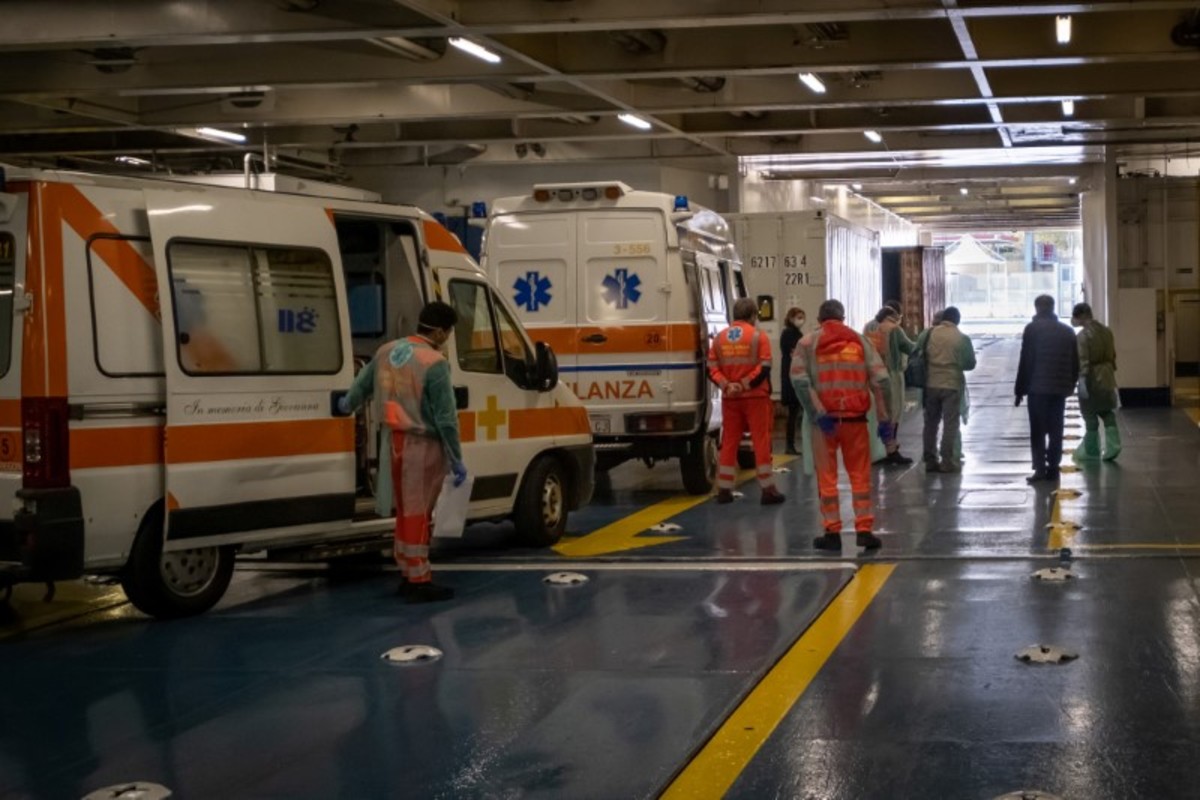
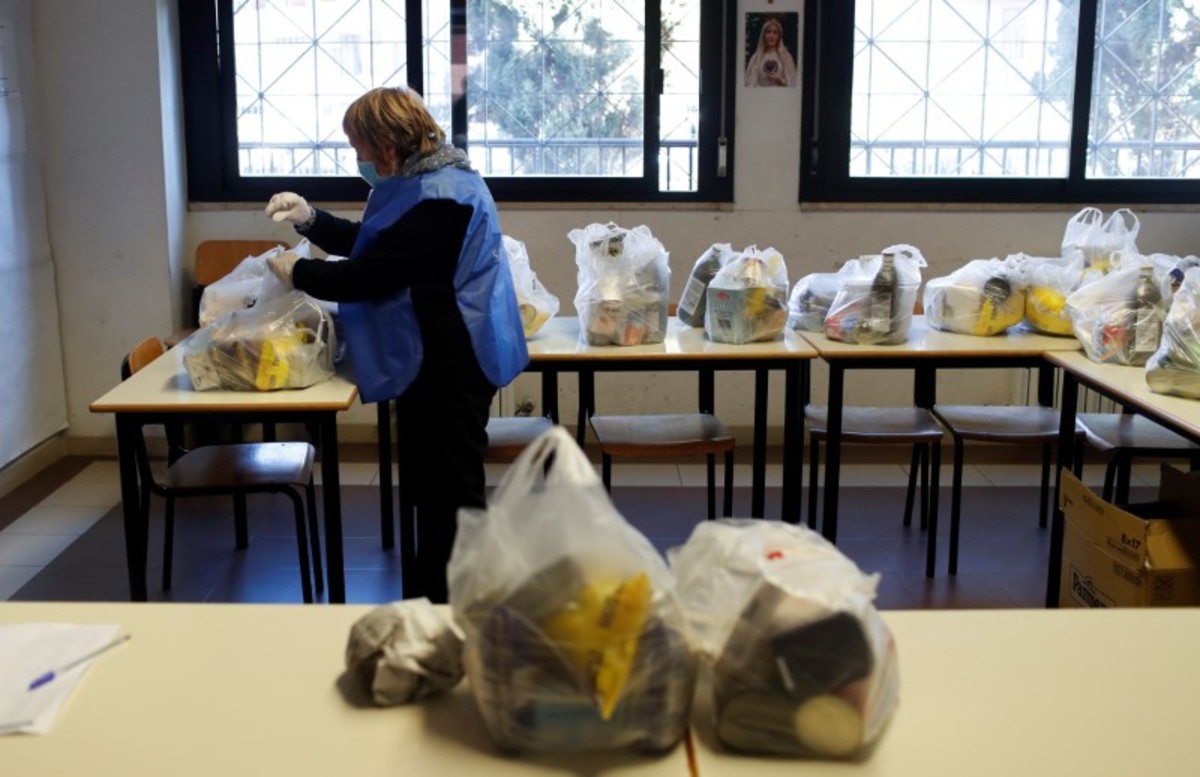
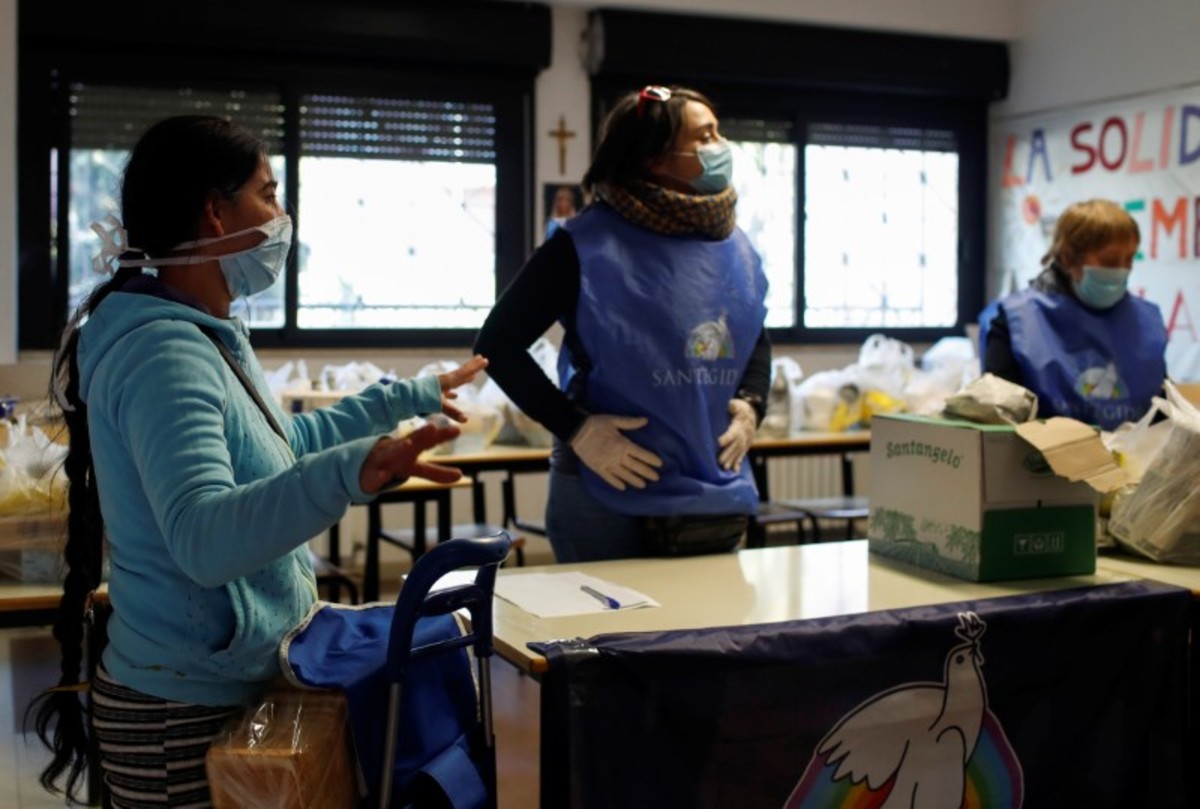
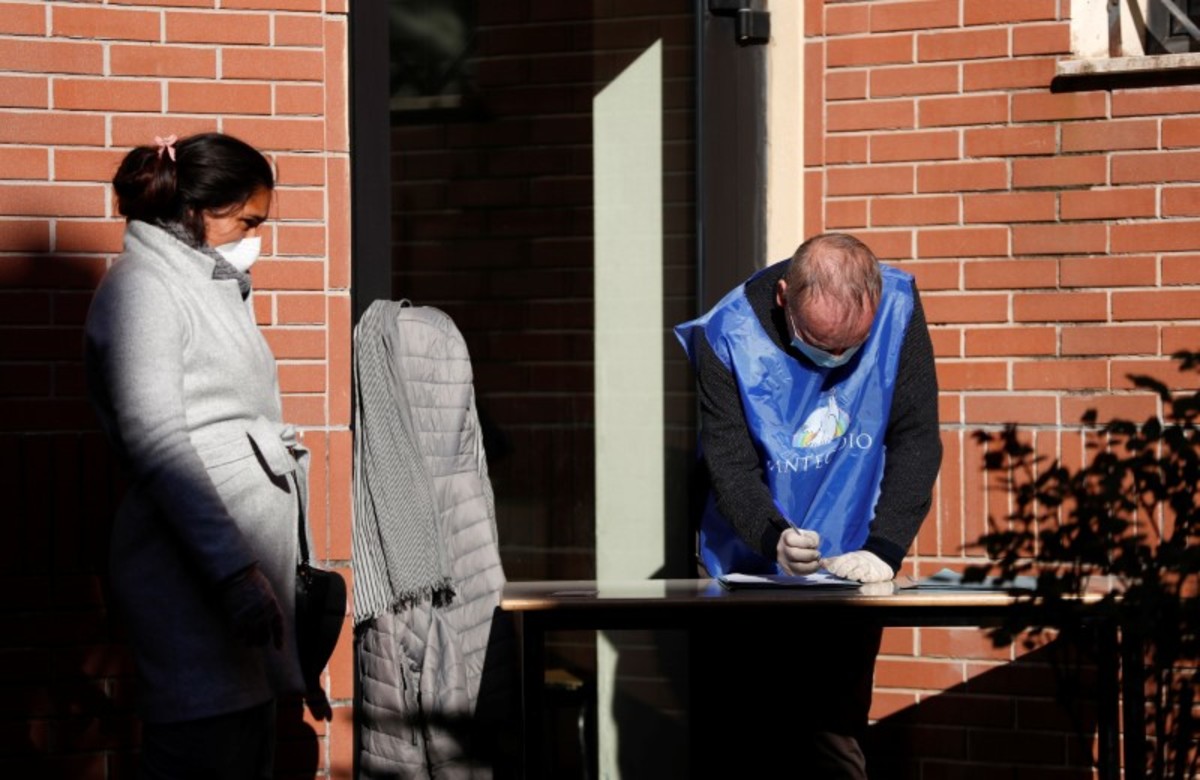
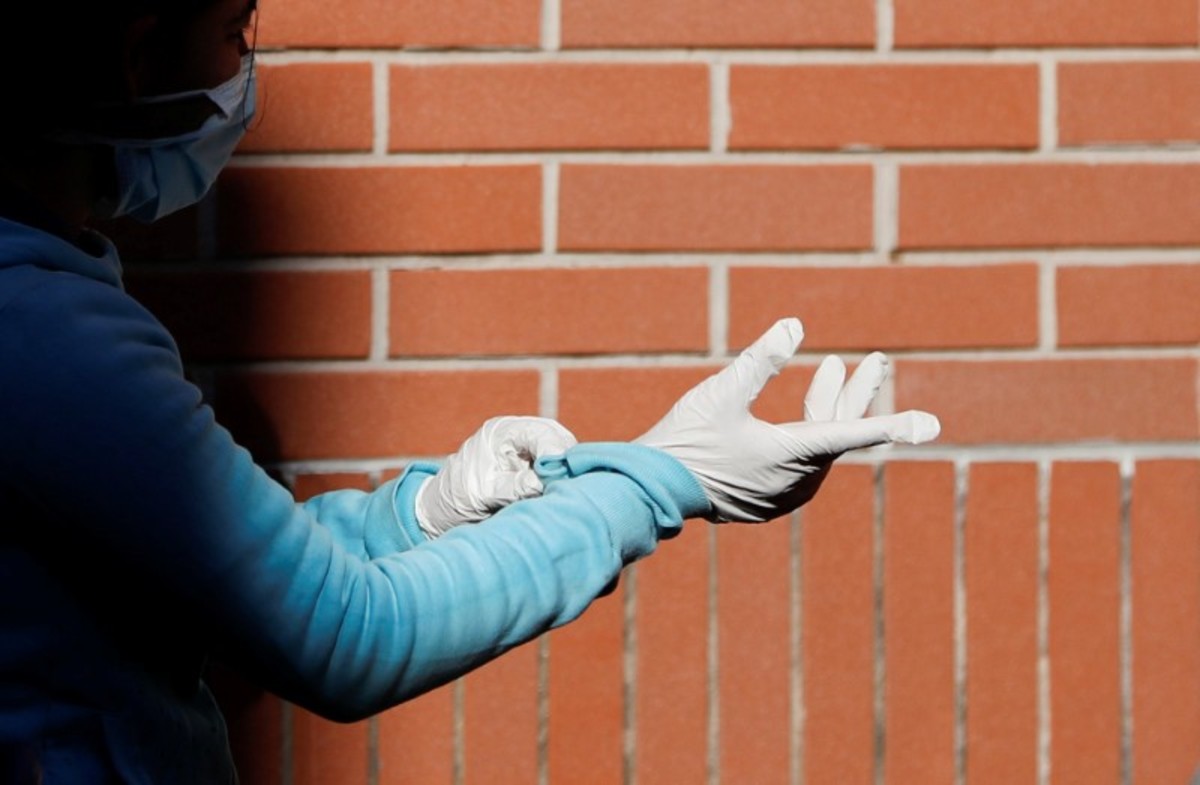
Grand Hotel in Via Veneto is seen closed as Italy tightens measures to try and contain the spread of coronavirus disease (COVID-19), in Rome, Italy March 24, 2020. REUTERS/Alberto LingriaMedical workers in protective suits check a document as they treat patients suffering with coronavirus disease (COVID-19) in an intensive care unit at the Casalpalocco hospital, a hospital in Rome that has been dedicated to treating cases of the disease, Italy, March 24, 2020. REUTERS/Guglielmo MangiapaneA medical worker in a protective suit treats patients suffering with coronavirus disease (COVID-19) in an intensive care unit at the Casalpalocco hospital, a hospital in Rome that has been dedicated to treating cases of the disease, Italy, March 24, 2020. REUTERS/Guglielmo MangiapanePeople in medical suits, gloves and masks are seen near the ambulances on the deck of the docked "Splendid" passenger ship as the first patients with coronavirus disease (COVID-19) are transported to the ship, which has been transformed into a hospital, as Italy struggles to cope with the number of people infected with the virus, at the port of Genoa, Italy, March 23, 2020. Picture taken March 23, 2020. Ufficio Stampa Regione Liguria/Marco Gozzi/Handout via REUTERSMedical workers are seen near the ambulances as they drive onto the docked "Splendid" passenger ship as the first patients with coronavirus disease (COVID-19) are transported to the ship, which has been transformed into a hospital, as Italy struggles to cope with the number of people infected with the virus, at the port of Genoa, Italy, March 23, 2020. Picture taken March 23, 2020. Ufficio Stampa Regione Liguria/Marco Gozzi/Handout via REUTERS ATTENTION EDITORS THIS IMAGE HAS BEEN SUPPLIED BY A THIRD PARTY. MANDATORY CREDIT. NO ARCHIVES. NO RESALES.Medical workers are seen near the ambulances on the deck of the docked "Splendid" passenger ship as the first patients with coronavirus disease (COVID-19) are transported to the ship, which has been transformed into a hospital, as Italy struggles to cope with the number of people infected with the virus, at the port of Genoa, Italy, March 23, 2020. Picture taken March 23, 2020. Ufficio Stampa Regione Liguria/Marco Gozzi/Handout via REUTERS ATTENTION EDITORS THIS IMAGE HAS BEEN SUPPLIED BY A THIRD PARTY. MANDATORY CREDIT. NO ARCHIVES. NO RESALES.A volunteer wearing protective face mask and gloves prepares bags for the food distribution organized by the Sant'Egidio Community at the San Gaudenzio parish during the lockdown to prevent the spread of coronavirus disease (COVID-19), in Rome, Italy, March 23, 2020. REUTERS/Yara NardiA woman and volunteers wearing protective face masks and gloves attend the food distribution organized by the Sant'Egidio Community at the San Gaudenzio parish during the lockdown to prevent the spread of coronavirus disease (COVID-19), in Rome, Italy, March 23, 2020. REUTERS/Yara NardiA woman and a volunteer wearing protective face masks and gloves wait for the food distribution organized by the Sant'Egidio Community at San Gaudenzio parish during the lockdown to prevent the spread of coronavirus disease (COVID-19), in Rome, Italy, March 23, 2020. REUTERS/Yara NardiA woman wearing protective face mask and gloves waits for the food distribution organized by the Sant'Egidio Community at San Gaudenzio parish during the lockdown to prevent the spread of coronavirus disease (COVID-19), in Rome, Italy, March 23, 2020. REUTERS/Yara Nardi
Sign up to read this article
Read news from 100’s of titles, curated specifically for you.