Early in 2023, the Iranian regime lifted, without warning, the 20-year ban it had placed on director Jafar Panahi, which prevented him from leaving the country and attempted to prevent him from making films (he made them, instead, in secret). He’d been interrogated, imprisoned. He’d been on hunger strike. Once freed, he made It Was Just an Accident, again in secrecy. Much of it, for practical reasons, was shot in enclosed vehicles. Panahi was able to safely travel to this year’s Cannes Film Festival to premiere the film, where it won the Palme d’Or.
This week, he was sentenced in absentia to a year in prison and a travel ban for “propaganda activities” while he was promoting the film abroad. It is that constant, needless cruelty, the perpetual hover of the authoritarian hand, that casts its sickly shadow over It Was Just an Accident.
Mechanic Vahid (Vahid Mobasseri), while working away in his shop, hears the unforgettable squeak of the prosthetic leg of the man who tormented him in prison. He follows the man (played by Ebrahim Azizi), kidnaps him, drives him out to the desert, digs a pit, and throws him in. But his cries of innocence can’t be smothered by the dirt. Vahid’s conscience kicks in. He was blindfolded the entire time they were together. Can he be sure this is the right man?
Scenes here are often shot from a distance, set against the wide and sparse horizons of car parks and vacant streets. However, those who inhabit such frames look claustrophobic, near-buckled over by the weight of what they’ve suffered through, and by the volcanic anger that’s been left to brew inside their lungs and their fists.
It’s a film of overwhelmingly visceral emotion; impossible, then, to separate from what we imagine Panahi must feel himself. And yet, so often, we’ll see characters clamber over each other and wheel around their limbs like they’re in a Buster Keaton comedy.
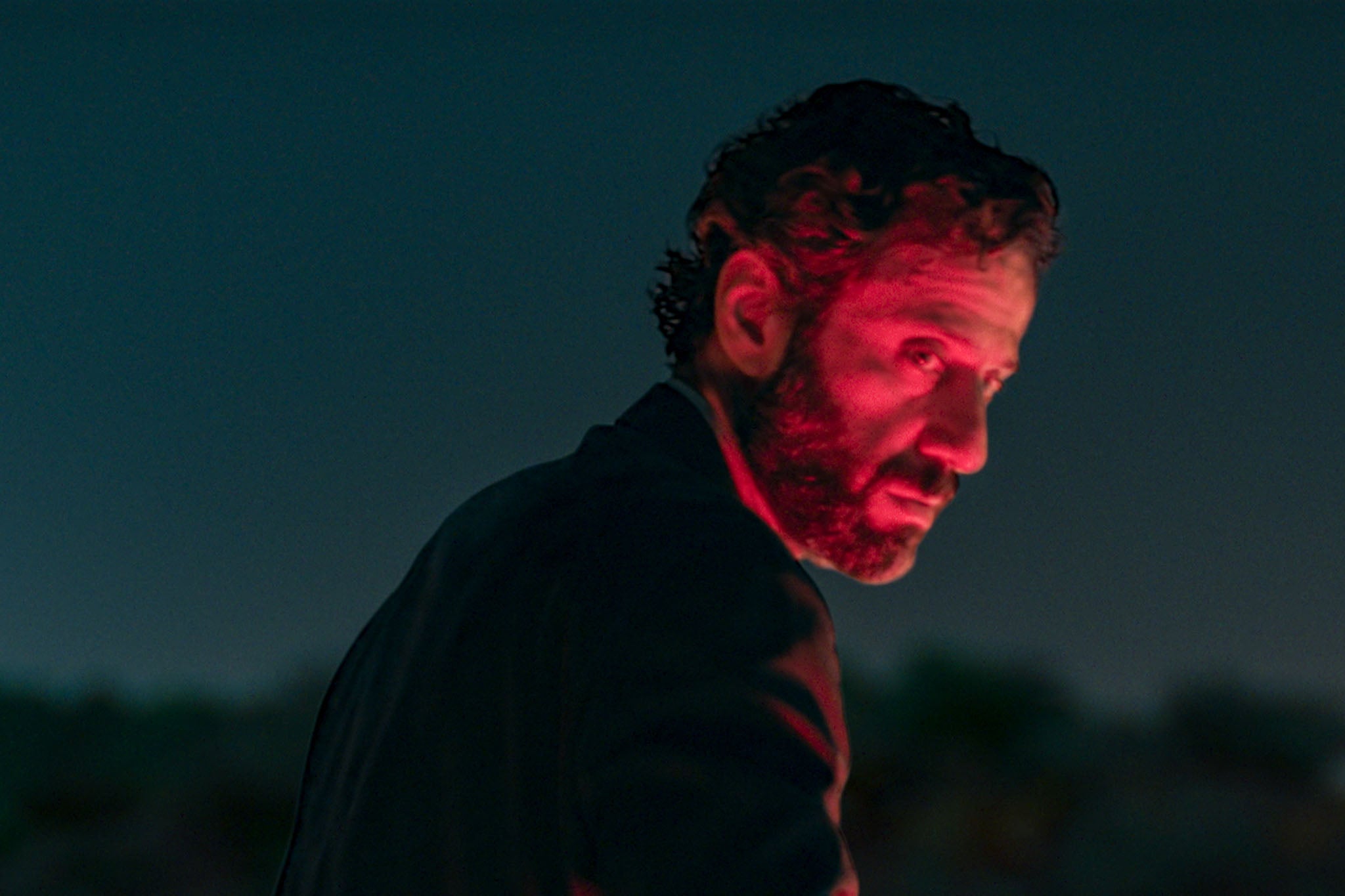
It Was Just an Accident is funny. It challenges us to have the fortitude to laugh in the face of darkness, a kind we can hardly afford to distance ourselves from in a country where artists like Kneecap and Sally Rooney have increasingly faced the threat of censorship for their own outspoken support of Palestine.
Vahid sets out to find others victimised by the same man, in the hope that one of them might confirm his identity. His unconscious body is stuffed into a locker in the back of a van, carted around town for a morbid kind of show and tell. Shiva (Mariam Afshari) is interrupted in the middle of a wedding photography shoot, where the bride, Golrokh (Hadis Pakbaten), happens to be a former detainee.
Hamid (Mohamad Ali Elyasmehr) works at a local pharmacy. Elyasmehr, a carpenter by trade, captures with commitment the way trauma can slam back into someone’s body like a lightning bolt. Many of the cast here, as is often the case in Panahi’s work, are non-professionals, karate referees and taxi drivers.
What do they do with a man they think, but can’t be certain, was the source of such endless brutality? What does it take to rid themselves of what Shiva calls the unsilenceable voice “ringing in my head”? Is what happened to them a river that can simply never be uncrossed? Everywhere there is fear, everywhere there is silence. Yet, in Panahi’s striking, unexpected tale of revenge, Vahid ends up where we’d least expect – outside a hospital, with a box full of pastries bought for his own torturer.
Dir: Jafar Panahi. Starring: Vahid Mobasseri, Mariam Afshari, Ebrahim Azizi, Hadis Pakbaten, Majid Panahi, Mohamad Ali Elyasmehr, Delnaz Najafi, Afssaneh Najmabadi, Georges Hashemzadeh, 104 minutes.
‘It Was Just an Accident’ is in cinemas from 5 December