Anyone who caught Tom Hiddleston’s recent appearance on Graham Norton may have sensed something was afoot. Norton, responding to a new trailer for The Night Manager that showed Hugh Laurie’s season one villain Richard Roper lying motionless on a mortuary slab, turned to his guest and asked: “He dead?” Hiddleston, momentarily caught off guard, resorted to an old TV catchphrase: “Say what you see,” he squirmed. The implication was clear: Roper, that silken merchant of international arms dealing, was rather less deceased than the BBC’s feted spy series would have us believe, after he was handed over to his vengeful enemies in 2016.
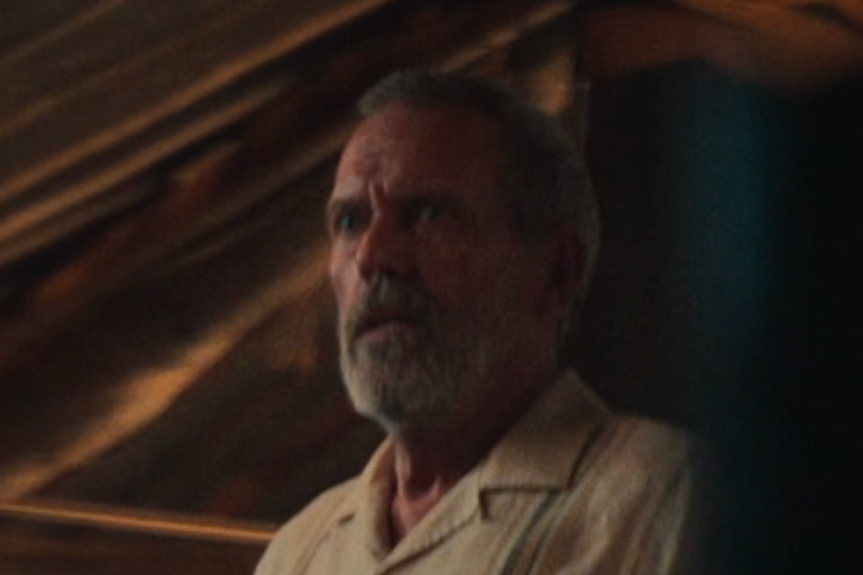
Far be it from me to begrudge a show like this its coup de théâtre resurrection, but even in an era when television drama has become addicted to the bombshell reveal, this feels particularly brazen. The twist arrives in episode three’s closing minutes: Jonathan Pine (Hiddleston), having tailed Roper’s criminal heir Teddy Dos Santos (Diego Calva) to a secret rendezvous, discovers his old nemesis very much alive and operating under the alias Gilberto Hanson. Father and son, it turns out, are building a private militia together. How terribly cosy.
Modern-day telly has developed an unfortunate dependency on these narrative defibrillators. Line of Duty made a cottage industry of unmasking bent coppers in cliffhanger finales. The Diplomat seemed to kill off Rufus Sewell only to resurrect him moments later. Harlan Coben’s Netflix adaptations have turned the third-act reveal into an algorithmic formula.
You have to wonder how this kind of rug-pull would square with le Carré’s own approach to revelation. The writer built his reputation on moral erosion and institutional decay, finding tension in grey men making compromised decisions in windowless rooms. The best adaptations of his work – the 2011 film of Tinker Tailor Soldier Spy, for instance, with its patient unravelling of betrayal; The Spy Who Came in from the Cold (1965) with its bleak cynicism and devastating finale – earned their reveals through careful, meticulous layering. This feels less like le Carré, and more like a set of soap opera contrivances.
Of course, this series of The Night Manager is not based on a le Carré novel – only one of them featured Jonathan Pine – but spun off by original screenwriter David Farr, which explains a lot. Yet perhaps the series needed this sort of fillip. The first episode of this new run was inevitably bogged down by exposition – what with a decade having passed – laboriously repositioning characters and establishing fresh stakes. By episode three, that much-trailed nightclub ménage à trois finally arrived, all glistening torsos, offering a glimpse of the sleek sexiness that made the first series such compulsive viewing.
What keeps you watching this one, though, is Hiddleston, who continues to make Pine’s damaged stoicism interesting. He wears the role with such authority – all that prowling through presidential suites in perfectly pressed linen – that you just about accept the preposterousness of it all.
Calva, for his part, also brings genuine charisma to Teddy, investing what could have been stock villainy with emotional depth. The issue isn’t his performance but the structural problem he represents: a son living in his father’s shadow makes for compelling character work, but struggles to generate the voltage required to power a blockbuster series.
And then there’s that decade-long absence. When this show last aired, David Cameron occupied Downing Street and Brexit was still just a looming referendum. Television has transformed immeasurably in the interim. Audiences now expect either prestige-level psychological complexity or knowing pulp that embraces its own absurdity. The Night Manager, stranded somewhere between le Carré and James Bond, satisfied in 2016. In 2026, the show feels a little marooned: neither as clever as it thinks it is, nor as deliciously hokey as it could have been.
However ludicrous it is that Roper is still breathing, it’s genuinely pleasurable to have Laurie back – his performance in series one was a masterclass in entitled menace, full of reptilian charm and casual cruelty.
Then again, maybe we should have seen this coming even before Hiddleston’s Norton appearance. Laurie’s name, after all, remains prominently displayed in the opening credits. In television, as in espionage, nothing stays buried for long.