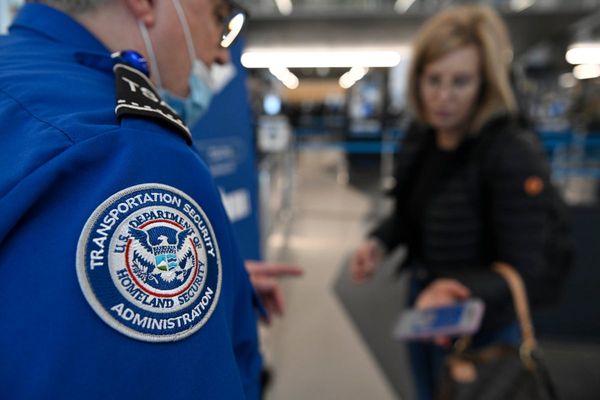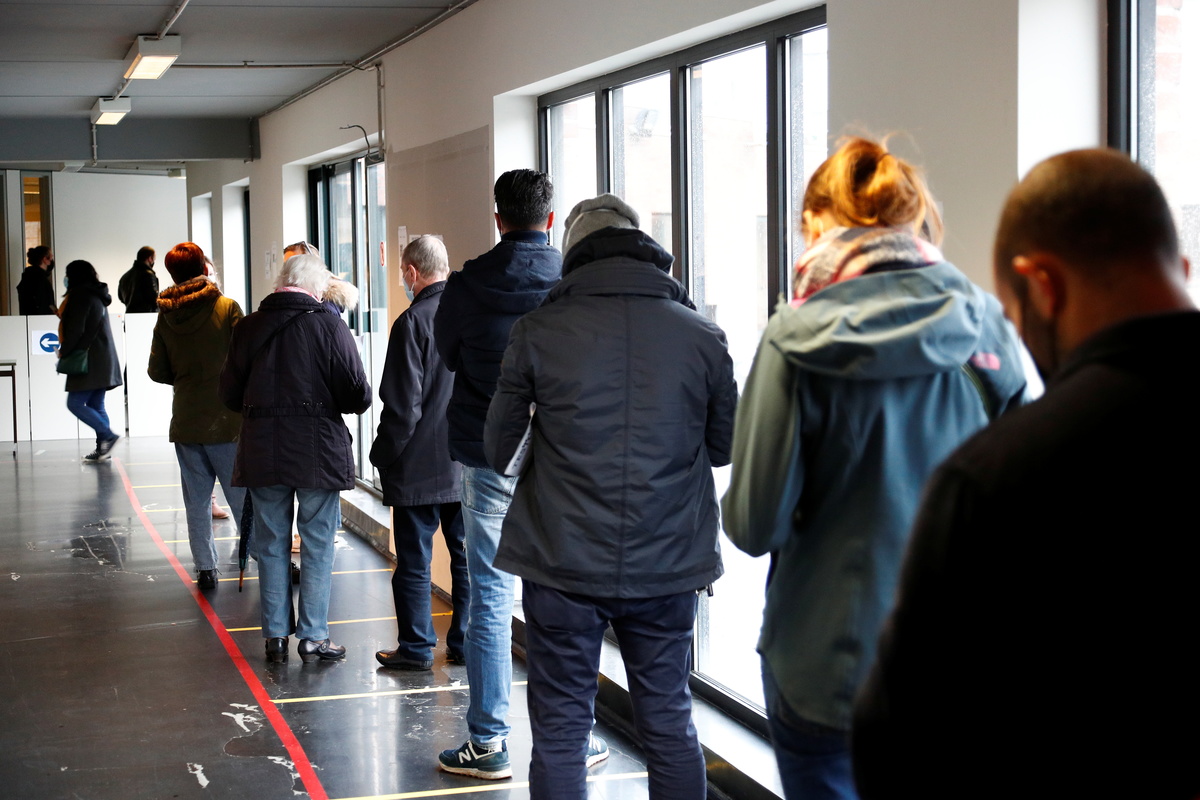
Some Europeans on Tuesday injected a dose of caution into the excitement which greeted news that Pfizer's experimental COVID-19 vaccine was more than 90% effective in initial trials, expressing doubts about whether they would have the shot.
Scientists and public health officials on Monday welcomed the first successful interim data from a large-scale clinical test as a watershed moment that could help turn the tide of the pandemic if the full trial results pan out.
But reaction from the streets of Rome, London and Madrid, as well as on social media, revealed that hesitancy towards a COVID-19 vaccine extended beyond staunch 'anti-vaxxers' as even those who have been vaccinated for other diseases considered skipping this one, for now.
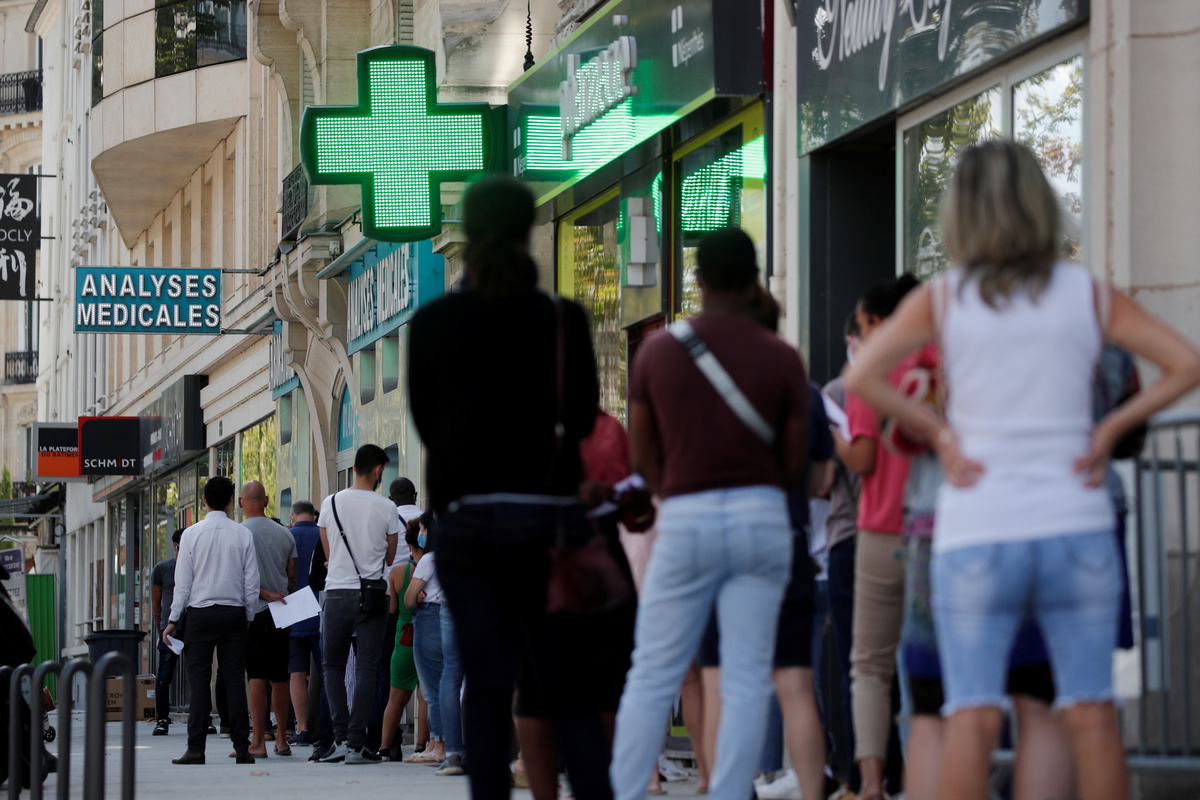
"I think it's good news if it's effective, but I think it's very difficult because it's very early," nursing assistant Maite Flores, 64, from Madrid told Reuters.
"I'm fully vaccinated, and so are both of my children. I’m not anti-vax but I still wouldn't touch it," mother-of-two Charlotte Bordewey, 31, of Hereford, England, said on Facebook.
"It's the time scale. For something to be squeezed out this fast, without knowing long-term effects, is difficult to go with. There are too many unknowns at this point," she told Reuters.
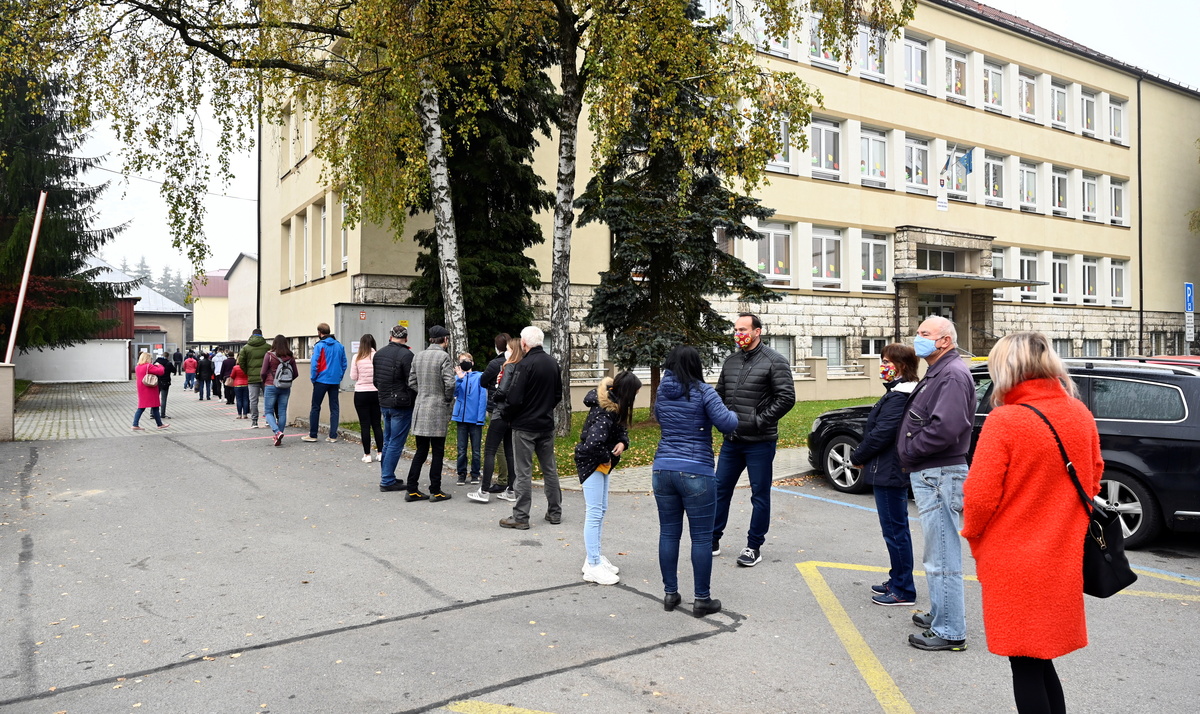
Others, while not ruling out having a COVID-19 vaccine, said they would need more information before deciding.
"I do not trust it yet, we have to wait," pharmacist Carla Consalvo said in Rome. "It seems to be too early to have discovered it."
BOLSTER PUBLIC CONFIDENCE
"I'd be paying attention to learn more about it before I got the whole family straight in there," said organisational design consultant Peter Brownell in London.
While the interim results are encouraging, Pfizer and partner BioNTech still have to disclose safety data for their experimental vaccine before seeking regulatory approval.

Other COVID-19 vaccine developers are in the final stage of testing. In September, drugmakers, seeking to bolster public confidence, pledged to uphold scientific safety and efficacy standards even as they work at break-neck speed in a quest for a shot.
Regulators around the world have said speed will not compromise safety, as quicker results would stem from conducting in parallel trials that are usually done in sequence.
A global poll by the World Economic Forum this month showed 73% of people would be willing to have a vaccine against COVID-19, a four-point fall since August. The World Health Organization says 70% would need to have it in order to break transmission.
Among those not intending to have the vaccine, the most common reasons were worry about possible side effects and the speed with which they were moving through clinical trials.
But for most the news was welcome relief, bringing hope for an end to the pandemic which has killed more than a million people and battered the world's economy.
"The truth is the situation is untenable and I believe that taking some risk is always convenient in this situation," 75-year-old Madrid pensioner Rafael Fernandez said.
"I think that's what we needed to hear. It gives you a boost to think that there's a way out of this and that it's happening soon," said Asa Vaid, a counsellor from England.
(Reporting and writing by Victoria Waldersee; Additional reporting by Juan Antonio Domínguez in Madrid, Eleanor Biles in Rome, Natalie Thomas in London; Editing by Janet Lawrence)