Yesterday on the BBC Radio 4 Today Programme, John Humphrys was forced to apologise for a throwaway remark comparing Royal Opera House ticket prices to “the cost of a mortgage” (listen again here, 1hr 25min in).
Imagine if, each time you bought a sandwich from a high-street coffee shop, someone leapt up and said “you’ll need a mortgage to pay for that!”. You might consider that a gross exaggeration, even if you were eating at a Michelin-starred restaurant.
If the same commentator then insisted that your only option for lunch was this Michelin restaurant, even though you could clearly see on the same street four or five cafes and restaurants where lunch could be had for under a tenner, and your confusion would turn to incredulity. It’s obvious that lunch is available cheaply, even if there is also the option to pay far more – if you can afford it and want to choose the Michelin-starred restaurant experience.
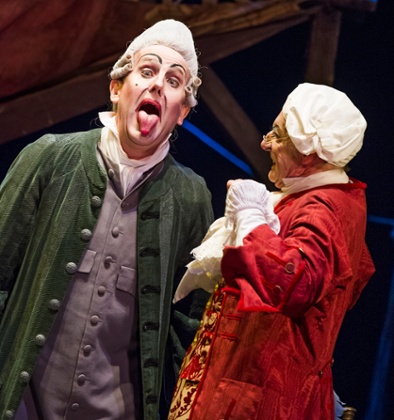
This has been what it’s felt like for me during many years of opera-going, a habit I developed in the 80s when I paid £6 for a seat at the same time as people were telling me they couldn’t afford to go themselves because tickets were “stratospherically” expensive. I was baffled, especially when, with my £6 ticket, I was seeing the same opera as people who’d paid ten times more for theirs. Yes, today, some of the top seats can now cost £100 or more, but the cheapest tickets to see opera across the country can still be as low as £10 – or sometimes even only £5.
Considering that a staged opera production typically involves hundreds of people - five or six principal singers, 40 more in the chorus, 80 players in the orchestra, dozens of staff and technicians, most of whom have trained all their lives to perform such an intricate work of art – those low prices seem more than a bargain.
My bafflement has turned to frustration and irritation over the years, as the top-end “Michelin-price” opera tickets were not only assumed by many to be the only ones available, but also as the lazy cliche “as expensive as an opera ticket” became widespread.
Given the intense scrutiny to which the UK’s anti-intellectual society subjects the public funding of arts organisations, this cliche has been used in turn to deny that opera itself has any value – a logical absurdity, but one that corrodes any further discussion and clearly deters many from trying their first live opera performance.
Humphrys’s comment was in fact an irrelevant aside made during an item broadcast about theatre ticket prices. The benchmark report discussed was a survey of 2013-2014 ticket prices and audiences, published by UK Theatre. Ironically, the report does not actually cover the Royal Opera or other theatres in London’s West End, and the average opera ticket price it observed for 2014 in theatres elsewhere in the UK was just £27.81. A mortgage for that amount would hardly buy the front-door knob.
But this lazy, insidious cliche will not go away. During a recent interview with Jonas Kaufmann on BBC news, the question was again raised about why opera tickets are “expensive”: no matter that the superstar tenor dismissed this effectively – why did it need for it to be asked in the first place? Following that programme, I wrote a post on my classical blog specifically focused on entry-prices, ie the cost of the cheapest tickets available, for a variety of current or upcoming live events in the UK. My comparison confirmed tickets are available for operas at cheaper prices than for any major cultural, sporting or tourist activity.
The comparison table also lists the upper-end of the ticket price range where applicable, but to deter any further mortgage-style comments, it’s important to look also at the distribution of available tickets across the range. At the Royal Opera, 44% of tickets in the 2014-15 season cost £50 or less; 33% of the tickets for Welsh National Opera’s The Marriage of Figaro cost £25 or less; and 500 English National Opera tickets are available at £20 or less for every performance – and with various schemes that ENO offer, these £20 tickets can be for some of the best seats in the theatre.
A couple of days after my blog post, the Guardian published a comparison of football ticket prices, using the low cost of opera tickets as a benchmark. So many people protested at Humphrys’ ROH comment that that the presenter admitted on air an hour later, “I’m in a huge amount of trouble because of my throwaway remark”.
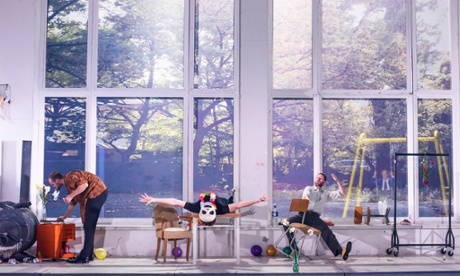
There are many far more important and interesting things to discuss about opera than ticket prices. This is my list: how can the abysmally low regional funding of live opera in the UK be increased? Will the campaign to reform the EBacc manage to preserve school education in music and the other creative subjects that are essential both for appreciating opera as an audience and performing it as a professional? How well do new productions of operas written at any time during the past 400 years work as contemporary drama? Are German operas really better than Italian operas?
There’s plenty too that we can celebrate about opera in the UK – not least that the country’s many opera singers have for decades been ranked amongst the best globally. It’s well past time for the media to drop the cost cliche and talk about the real value of opera instead.
Andrew Mitchell blogs about classical music at The Passacaglia Test. Follow him on twitter at @chaconato.