Too few journalists, and too few journalist educators and their students, take an interest in the British Journalism Review (BJR).
So this, from a BJR board member of long-standing, is a plea to everyone to start subscribing to a quarterly magazine that merits a wide readership among newspaper, broadcasting and online journalists plus journalism academics.
It is the one place where journalists and academics can come together to assess the editorial output and methodology - the events, the ethics, the problems, the personalities - in a readable format.
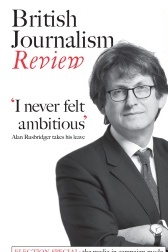
The BJR was conceived from its first issue in autumn 1989, as its website states, as “a forum of analysis and debate, to monitor the media, submit the best as well as the worst to scrutiny, and to raise the level of the dialogue”.
The contents of the latest issue are a first-class example of that mission, with six writers in four articles dissecting the 2015 general election coverage; a profile of the Guardian’s outgoing editor, Alan Rusbridger; a timely piece on the impact of the Data Protection Act; and a nostalgic look at the days of hot metal.
In addition there are critical articles on Operation Elveden, post-Leveson press regulation and entrepreneurial journalism plus book reviews. It’s a compelling package and should be essential reading for all journalists.
But the BJR’s valuable contribution to our trade is more than the magazine itself, as Thursday evening proved. The board hosted the Charles Wheeler award for outstanding contribution to broadcast journalism, which was followed by lecture also given in Wheeler’s memory.
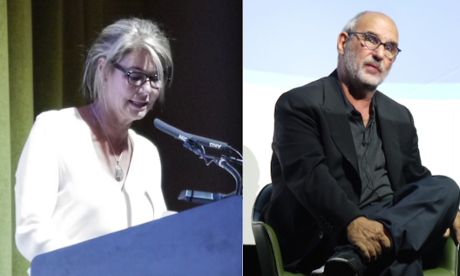
The newly-restored cinema at Westminster university was packed to see Sky News’s special correspondent, Alex Crawford, receive the award and speak light-heartedly about the dangerous work she has done in conflict arenas around the world (see also Robin Lustig’s remarks on Crawford).
Then we were treated to a riveting lecture by the BBC’s creative director, Alan Yentob, in which he mounted a trenchant and heartfelt defence of the licence fee (see Guardian report here) among other things (such as a bit of raillery with Boris Johnson, in which he suggested the Tory MP and London mayor might like to present Top Gear).
Sure, I’m parti pris. And, yes, I am worried about the BJR’s funding problems. But I sincerely believe the virtues of the magazine have been, and are being, overlooked. It is high time that journalists took a new look, or a first look, at the BJR.