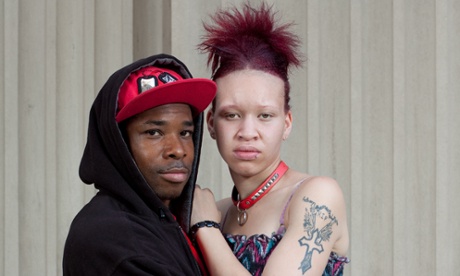
When Detroit filed for bankruptcy in the summer of 2013, Dutch photographer Corine Vermeulen was already envisioning the city’s rebirth. A resident since 2006, she set up several walk-in portrait studios, including one at a rally for Trayvon Martin, the black teenager who was shot dead by George Zimmerman in Florida last year. The studios invited Detroiters to share their impressions of the city and dreams for its future – as well as whatever else happened to be on their minds.
The portraits will go on display from 14 November in Photos of the Detroit Walk-In Portrait Studio at the Detroit Institute of Arts – the photographer’s first solo museum show.
Anna and Eleanor
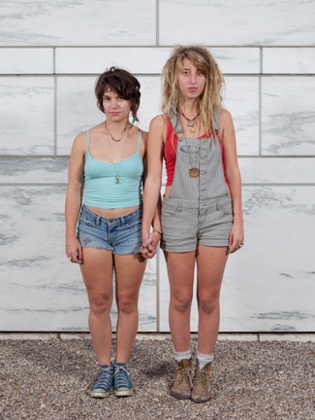
Anna: “I want to farm. That’s what I want to do. Detroit’s the place to be if you want to start a farm. Here, you have the best-case scenario for everything that you could possibly want.”
Eleanor: “We have so much space here, why wouldn’t we take all these huge lots of land and make us a self-sustaining culture where we grow our own food instead of having it brought in from everywhere else? And it’s happening, but it just needs to happen more.”
Alex
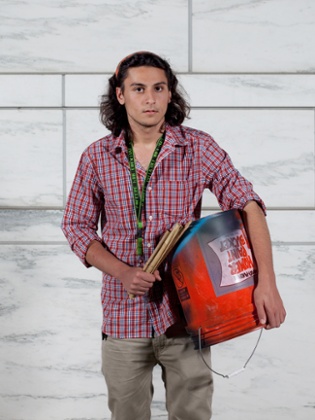
“I like how in the 80s there was a New York art movement with Basquiat and all of that. I want to see the same thing happen here. You have a lot of youth and a lot of people that are just getting together and are making and creating and bringing a different aura to the city.”
Taylor and Desha
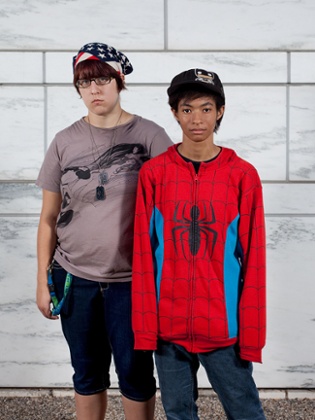
Taylor: “I feel like so many people think [Detroit] is this desolate place that doesn’t have any culture or any of its previous glory. It’s still a good city, I just think people need to start coming down here more and give the city more life again and not just be afraid of getting shot.”
Will
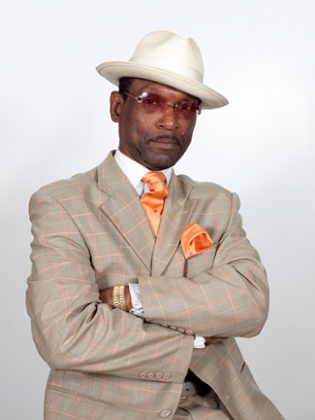
“I live on Klinger Street and I work in construction. I live alone with my dobermans. I have them because the neighborhood used to be bad. Now there is a lot of improvement so I do not really need the dogs anymore. I like it that there are many nationalities around, people with different ethnic backgrounds. It’s like a big family; people watch out for one and other, they have respect for each other. Prejudice takes a backseat and that is a good thing.”
Renee
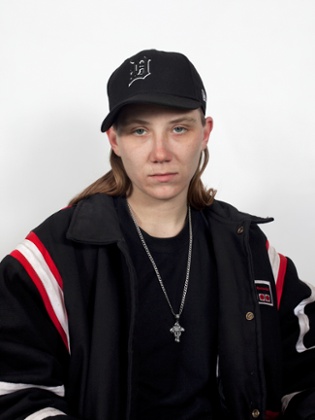
“I have lived in this neighborhood [Klinger Street] my whole life. It really is a do-it-yourself place; you have to find your own ways to entertain yourself. I am a student; I study criminal justice. I did my share of ugly things, I hung out with the thugs, but at one point I thought there must be more to life. You are the company you keep and I can teach people what I learn. I already paid my tuition for school, so why not teach other people as well?”
Steven
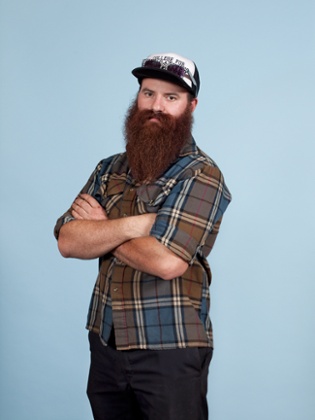
“The best thing that I can say is it’s just a lot of freedom here. As an artist, you can kind of do as you please, and as long as you are not directly affecting someone in a negative way, it’s accepted and OK, you know?”
Katie
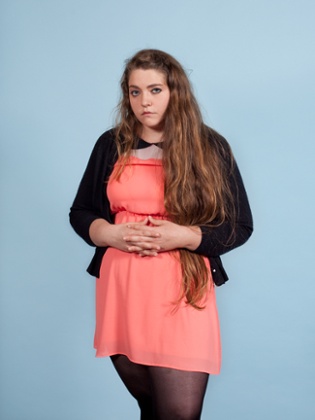
“I’m for grassroots organisations, youth culture taking over their city, owning their city, doing what they want, and the real thing to happen not some prefabricated gentrification. That’s what I’m a little worried about right now with Detroit. We’re borderlining that and it’s a little scary for me because I’ve been here for a long time, and I’ve put the work in and a lot of other artists have, too. And to see that kind of fall apart because people see dollar signs is scary to me.”
Jamaii
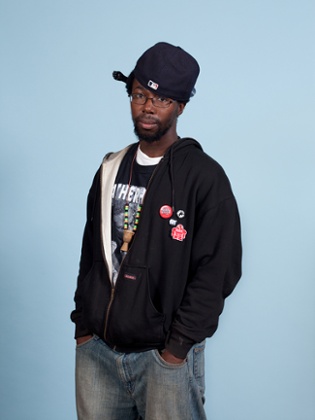
“There’s a lot of youth interested in changing their surroundings. I work in the food movement and the art movement. A lot of change is happening with youth and food and art. It’s a great hub for social justice … it’s really a justice-based community that values grassroots work and community. I love that spirit of togetherness and moving the city forward.”
Siegel and Sincere
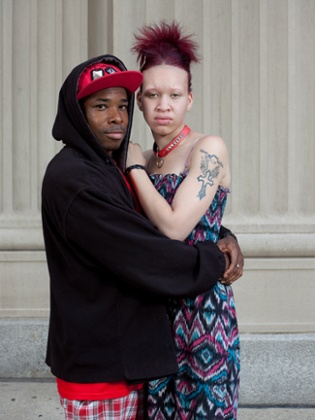
Siegel: “When I first heard about [Trayvon Martin’s death], it really touched my heart. We’re all Trayvon Martin. That could’ve been my son, he’s only six years old. It could’ve been me. I’m 33 years old. I’m short. I have a hoodie on and I look like a kid.”
Rev WJ Rideout III
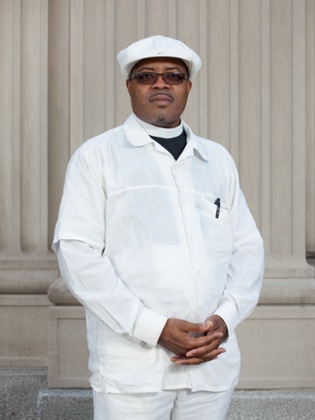
“It was a Jim Crow kind of setup – if you look at it honestly. Everybody’s heart is saddened right now. He was a 17-year-old. He didn’t have a weapon. He only had Skittles in his hand. They’re locking up blacks in Detroit for carrying a gun.”
Megdi and Iyana
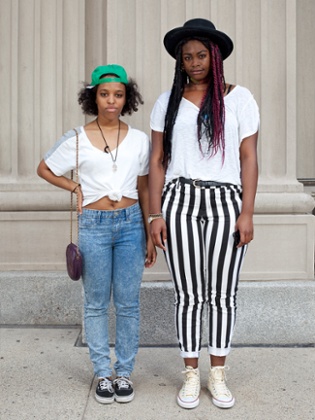
Iyana: “The Trayvon issue was really important to me because of the aspect of racial politics.”
Megdi: “It’s also tackling the idea that we should be ‘colourblind’ and I think that it’s important that we finally say enough to that idea.”