Epilepsy patients are living with the risk of having “life-threatening” seizures as drug supply problems are forcing some to skip their medication.
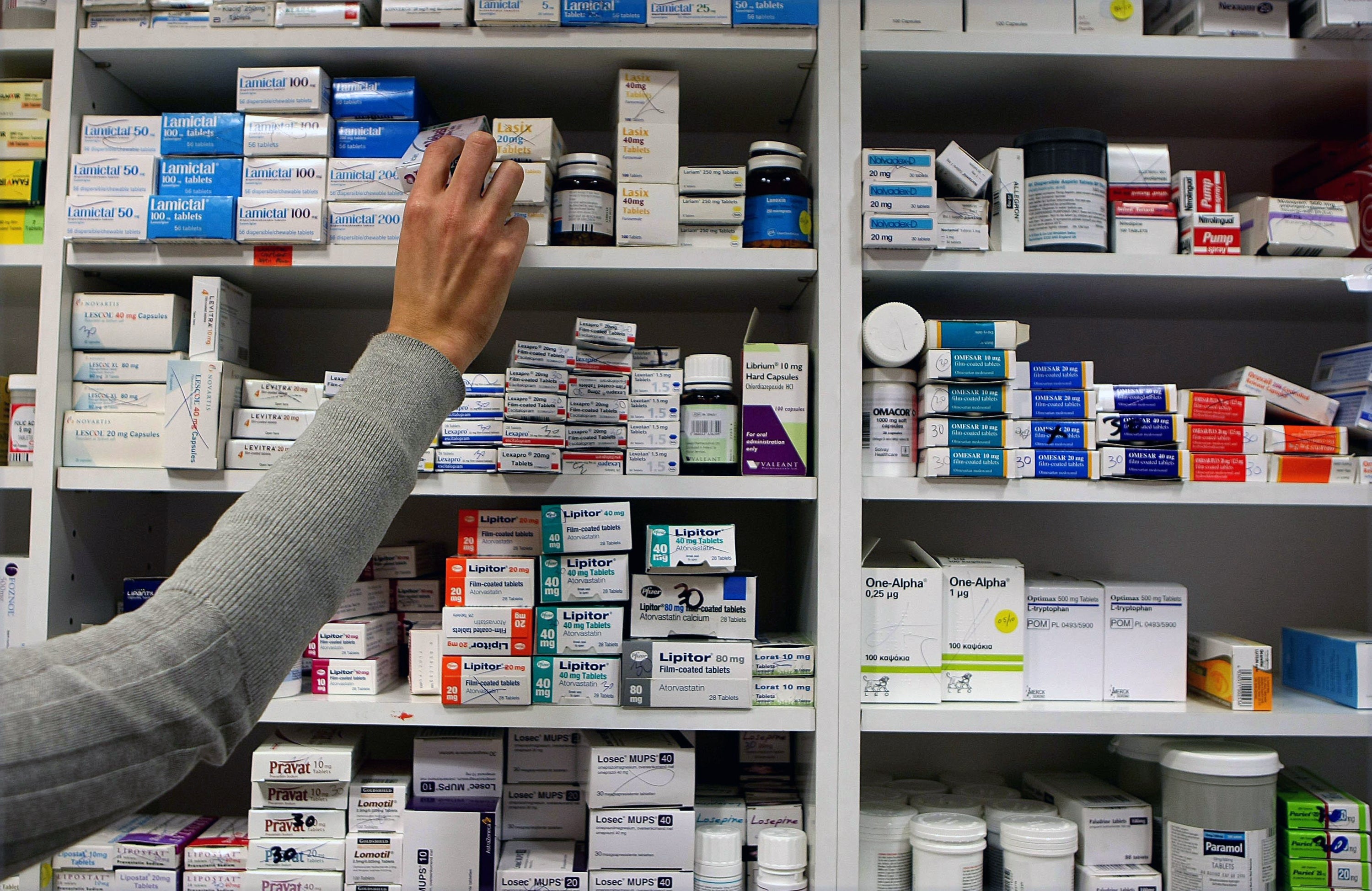
There are hundreds of drugs, including those for epilepsy, blood pressure, blood thinning and some cancer medicines, that patients are finding harder to get hold of in England.
For the 630,000 people with epilepsy living in the UK, these medicines help them safely live their lives and skipping a dose can have potentially deadly consequences.
“It’s really scary to think that through no fault of my own, this could be the reason I don’t wake up in the morning,” Beth Baker-Carey told the Independent.
The 28-year-old from Doncaster, who has suffered from seizures since she was two, once had ten seizures a day, but medication keeps her stable.

Although medicine shortages are common, she explained it has worsened since the start of the war in Iran. The department of health and social care is aware of supply issues with some epilepsy medications, but has said these are not directly linked to the war.
Ms Baker-Carey has been notified several times by pharmacies that they have no stock in recent months.
“I’ve had to jump through hoops and go to different pharmacies to get medication,” she said.
“A couple of times it has been quite late at night and I’ve not been able to get it. I’ve been told to just skip it for the night, which is not really wise for a person with epilepsy, skipping can be really dangerous and sometimes fatal.
“It's very anxiety inducing, I have to hope that the next pharmacy I go to will have life sustaining medication.”
But experts warn for people on anti-seizure medicines that “consistency is key”.
“Disruption can understandably cause concern and, in some cases, clinical risk,” warned pharmacist Thorrun Govind.
Another epilepsy patient, Chloe Christoforou, said the stress of accessing her medication has caused her to be “less stable” because stress is her “biggest trigger for seizures”.

The 29-year-old, from north London, was diagnosed with epilepsy aged four and has been on the same medication since she was eight-years-old. But she has recently gone from having three seizures a week to three a day.
Over the past few years she has noticed major events such as the Covid pandemic, Brexit and now the war in Iran have caused supply problems, forcing her to travel out of London to get the medicine she needs.
“I go to pick up my prescription for 56 tablets a month, but I get about 12. That lasts me maybe two to three days,” Ms Christoforou told the Independent.
She explained that skipping her medication causes a “domino effect”. She said: “It’s scary that I could potentially just drop down and die from sudden, unexpected death in epilepsy.”
Supply issues are partly caused by surging global prices. When prices rise quickly, it can mean pharmacies dispense the medication at a loss, making it harder to buy enough stock.
Paracetamol, antibiotics, stroke prevention medicines and even some cancer drugs, may also be in short supply as early as June, according to drugmakers trade body Medicines UK, if the US and Iran do not strike a deal to end the conflict in the Middle East.
Dr Leyla Hannbeck, chief executive of the Independent Pharmacies Association, said a significant proportion of pharmaceuticals rely on petroleum-derived inputs, which are used in many common medicines, from antibiotics to pain relief and chronic disease treatments.
“We are increasingly concerned that the disruption in the Strait of Hormuz is worsening medicines shortages in the UK,” Dr Hannbeck told the Independent.
“In recent months, we have already seen a record rise in the price pharmacies have to pay to source prescription-only medicines, leaving many struggling to afford supply and often dispensing at a loss,” she added.
Epilepsy Society is calling on the government to ensure medicine supply chains are “robust and water-tight”.
“The increase in transport costs and prices of medicine is applying pressure to the supply chain,” chief executive Clare Pelham said.
"Epilepsy is a cliff-edge condition. This means that missing even a single dose can have life-threatening consequences. We are calling on the government to protect people with cliff-edge conditions, and to ensure their essential medicine supply chains are robust and water-tight so that no one is left vulnerable to global events,” she added.
A DHSC spokesperson said: “We are aware of supply issues with some medicines used to treat epilepsy, but these are not linked to the conflict in the Middle East.“We have issued guidance to the NHS on how to manage epilepsy patients at this time, which includes prescribing similar medication from other manufacturers.
“The vast majority of medicines remain in good supply, and we are working closely with suppliers to resolve any disruption.
Popular potato chips recalled nationwide over salmonella fears
Hantavirus: What are the symptoms and how does it spread?
Opera singer who hid deafness for three decades hails ‘life-changing’ surgery
Being deaf ‘can feel like being in an invisible box’, Strictly star Tasha Ghouri says
Cranberry juice may help boost drugs against antibiotic resistance, study finds
Trump is not just slashing maternity aid globally – the US is also being hit hard