- Panasonic claims AI expansion is rapidly pushing demand for data center backup batteries
- Customers have pre-committed 80% of Panasonic’s production capacity
- Panasonic is assessing its Kansas plant to support additional battery output for data centers
The RAM crisis has been lingering for some time, showing no signs of easing, and it is now spreading into storage, with gaming PC makers warning that CPUs could be next.
While companies struggle to address the impact of this crisis on planning cycles, the pressure is now extending into less visible parts of the data center stack.
Now, Panasonic has said demand for backup batteries is rising quickly, and it is largely driven by the expansion of AI infrastructure that requires stable, continuous power.
Batteries as critical infrastructure
Panasonic says it has already allocated around 80% of its planned output to existing customers, leaving only a limited share for new buyers attempting to scale systems.
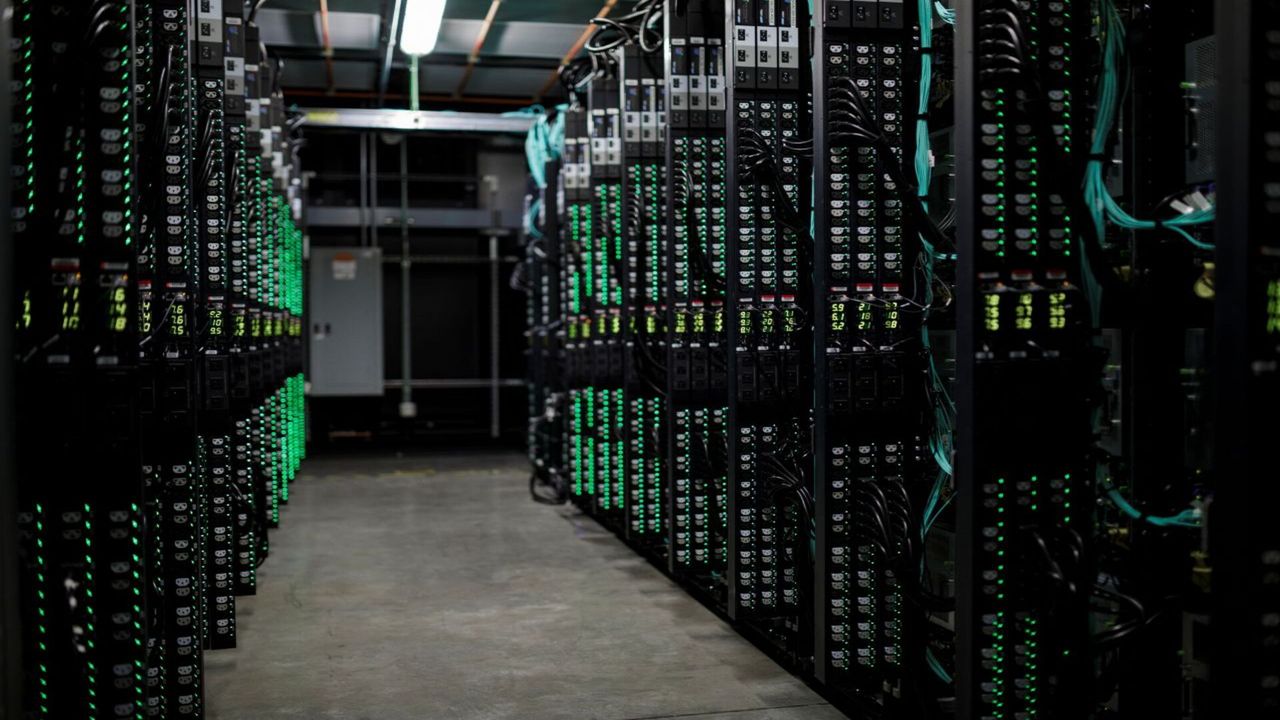
Its batteries are designed to sit within server racks, providing short bursts of backup power that keep systems running during brief outages.
But this component now appears to be a key bottleneck, since uninterrupted power is essential to prevent costly downtime and protect critical AI workloads.
As organizations expand their data center operations and add more servers, supporting systems such as power backup are becoming harder to secure within predictable timelines.
This means buyers outside existing supply agreements could find themselves competing for a limited share of batteries, as rising AI infrastructure demand strains production capacity.
To respond to rising demand, Panasonic plans to expand lithium-ion cell production in Japan by approximately three times and adapt parts of its automotive manufacturing lines to produce data center batteries.
It is also evaluating whether its Kansas plant can support additional output for data center applications.
These moves reflect an effort to redirect capacity toward compute-related demand as AI systems continue to expand.
Alongside batteries, the company is working on supercapacitors as an alternative form of backup energy.
Unlike conventional capacitors that release energy almost instantly, supercapacitors store larger amounts and discharge more gradually.
Panasonic says these components will be used “to absorb fluctuations in power load,” with shipments expected to begin in its 2027 financial year.
The company expects battery sales tied to data centers to reach ¥800 billion, approximately $5 billion, by 2029, a figure that assumes continued growth in AI-related infrastructure.
However, meeting that demand depends on production scaling as planned, which remains uncertain given existing supply pressures.
The situation suggests that infrastructure expansion is encountering limits beyond processing hardware — although how sustained these constraints will be, and whether supply can adjust in time, remains uncertain.
Via The Register