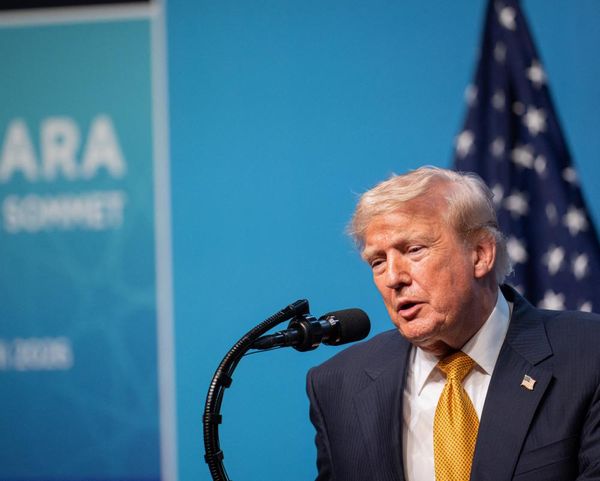
ChatGPT has become the place millions of people go for quick answers, brainstorming help and everyday problem-solving. Now that it's entering a new phase of monetization, it's raising some eyebrows.
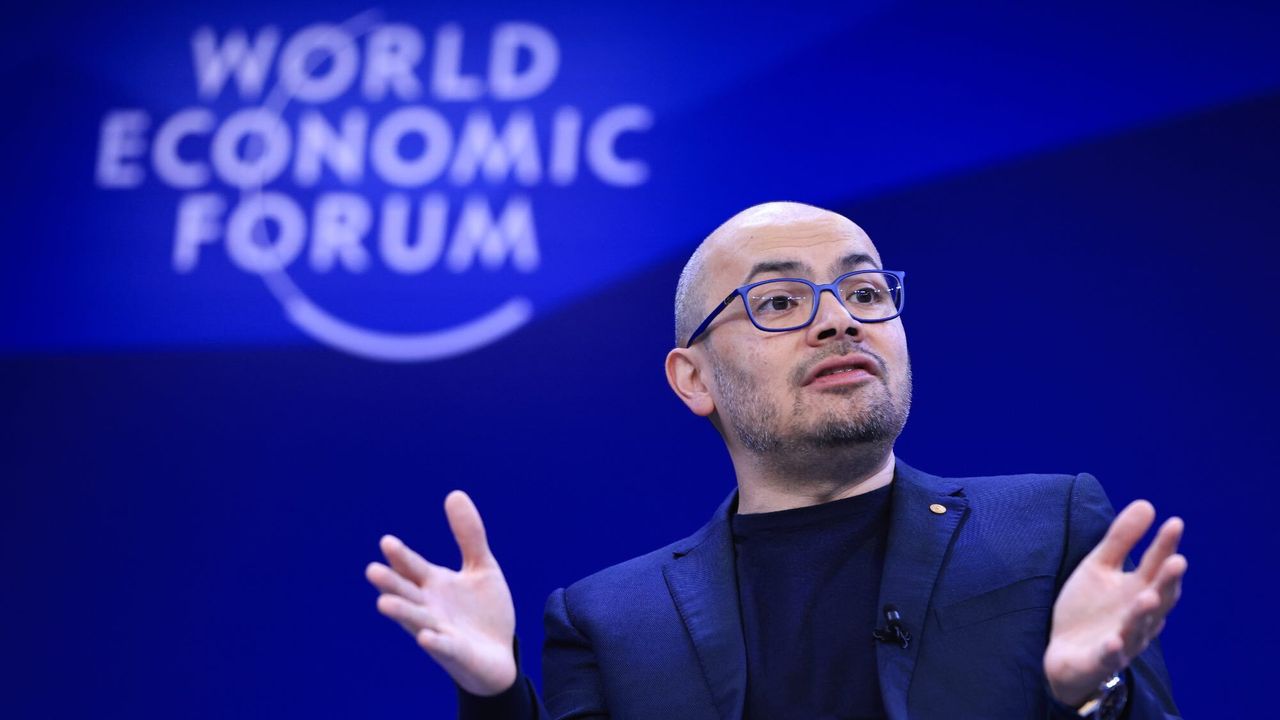
OpenAI is reportedly moving toward introducing ads in ChatGPT, and the idea is already drawing reactions from across the AI industry. Google DeepMind CEO Demis Hassabis recently told "Axios" at the World Economic Forum in Davos that he was “a little bit surprised” by how quickly OpenAI appears to be moving toward introducing advertising in ChatGPT.
His comments highlight a bigger shift happening right now: AI assistants aren’t just competing on features anymore — they’re also competing on how they’ll make money long-term without undermining the trust that makes these tools useful in the first place.
DeepMind CEO warns ads could complicate trust in AI assistants
Online advertising isn’t new, and it’s been a key part of how much of the internet has stayed free to use. But AI assistants operate differently from traditional search engines.
Instead of showing a page of results where sponsored links are expected, a chatbot delivers a single response that often feels more direct and personal. That shift raises a practical question: what does advertising look like inside a conversation?
Hassabis pointed to that trust dynamic, noting that assistants are supposed to be reliable and user-focused, and that ads could complicate how people perceive recommendations or guidance.
Google’s position: no current plans for Gemini ads
Hassabis also said DeepMind does not currently have plans to add ads to Gemini, suggesting Google is taking a slower approach for now.
That’s notable given Gemini's current dominance, and it reinforces that even companies with massive ad businesses may be cautious about inserting ads into assistant-style AI products too quickly.
For OpenAI, ads could represent another path to funding a rapidly growing platform. AI assistants are expensive to operate at scale, and while subscriptions help, they may not cover the full cost of running models, supporting new features, and expanding global access.
Ads could also help OpenAI keep ChatGPT broadly available to free users, a major factor in its growth.
What users should watch for next
The biggest question isn’t whether ads will exist — it’s how they’ll be implemented. If OpenAI moves forward, the details will matter, including:
- How clearly are ads labeled
- Whether ads appear only in certain contexts
- How recommendations are separated from paid placements
- What safeguards exist for sensitive topics like health, finance, and education
Hassabis’ point reflects a bigger reality: AI assistants are evolving faster than the rules around how they should make money. As these tools become more integrated into daily life (more so than they already are), users and companies alike will be watching closely to see how monetization affects the experience.

Follow Tom's Guide on Google News and add us as a preferred source to get our up-to-date news, analysis, and reviews in your feeds.