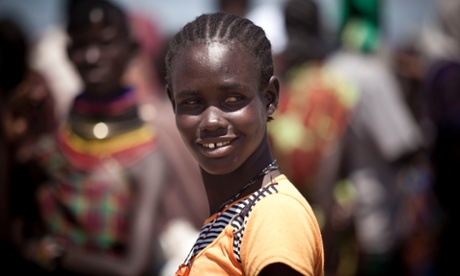
Among the pastoralists of northern Kenya, increasingly erratic weather patterns are testing the resilience of families already challenged by a harsh, arid climate and are influencing what children eat.
GAIN is supporting a USAID-funded project aimed at understanding the challenges these families are facing and at reducing the rates of hunger and poverty among them. As the partner with nutrition expertise, GAIN conducted focused ethnographic and Optifood studies in Isiolo, Marsabit and Turkana counties. It is also developing a behaviour change communications strategy and a mapping exercise of nutrition actors and behaviour influencers in these counties.
“In our in-depth interviews we found that multiple aspects of household conditions affect what ultimately gets into the mouths of infants and young children,” said Enock Musinguzi, a project manager for GAIN and the person overseeing the nutritional component of the programme.
The study found that a lack of natural resources determined what children ate. The mothers spend so much time sourcing water and firewood that they are able to cook only once a day, usually in the morning. That means the food sits around for several hours, and very possibly longer than is safe. While the mothers were concerned about food hygiene, their need to conserve firewood meant they could not cook multiple times. They also were aware of the importance of hand washing but in the absence of adequate water or soap, often were unable to do it routinely.
The researchers were also surprised to learn that, with the exception of milk, all of the products are purchased outside the home. Households therefore require cash, which means that mothers often must engage in activities outside of the home, leaving young ones in the care of siblings or other caregivers. Cultural perceptions also come into play. If there is a stigma associated with standing in line to receive a fortified product, a mother might opt to use a non-fortified one instead.
Because human behaviour plays into all of these situations, development experts stress the importance of integrating behaviour change communication into every aspect of nutrition intervention planning and implementation. They say that all messaging – text messages, posters, radio spots or talks at mosques, churches and health centres – must take into consideration the much broader landscape in the decisions made around feeding.
“The knowledge of the farmers is very rich, so we have to exploit it,” says Thomas Dubois, regional director for The World Vegetable Center (AVRDC) in eastern and southern Africa. “Where we may see the yield alone, they see the taste.”
Content on this page is paid for and provided by GAIN sponsor of the Guardian Global Development Professional Network.