Doomsayers will have to hold out a little longer. Cinema -- as in people sitting in the dark taking in a communal experience of audiovisual sensations -- is still breathing, moving, enlightening.
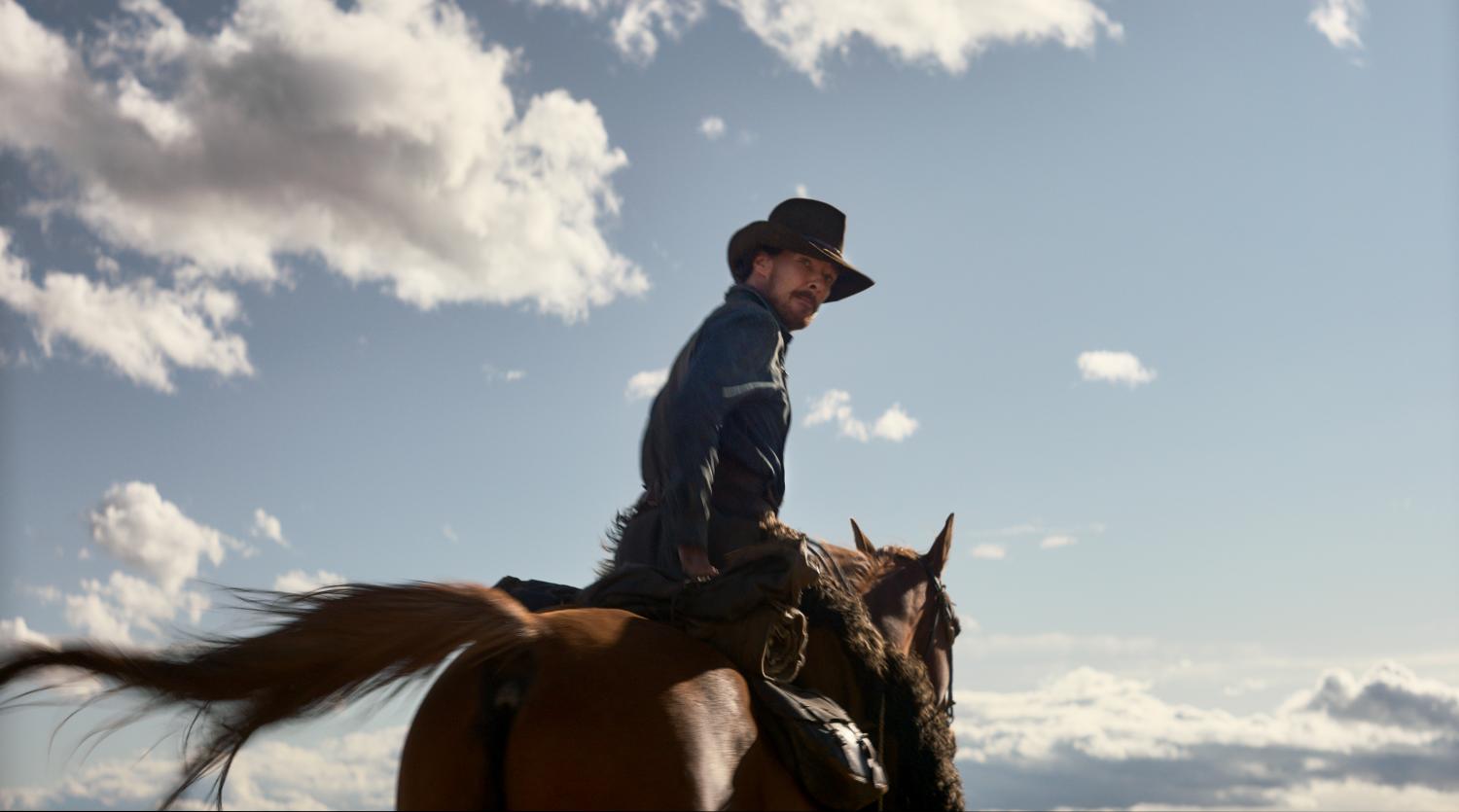
In many places around the world, filmmakers still put out fine works, sometimes great works, that intend to be seen in theatres and that swat away the tired cinema-is-dead negativism like sick mosquitoes: Apichatpong Weerasethakul's Memoria (coming to Thailand soon), Ryusuke Hamaguchi's Drive My Car (still showing), Jane Campion's The Power Of The Dog (cinemas elsewhere, streaming here), Paul Verhoeven's Benedetta (still showing), Julia Ducournau's Titane (not coming here), Tsai Ming Liang's Days (showing at the Taiwanese Film Festival here), Taiki Sakpisit's The Edge Of Daybreak (still showing), Kamila Andini's Yuni (showing earlier at a festival here).
In a world increasingly obsessed with the small, personalised screen, these are some of the 2021 titles that testify to the authority of theatrical projection -- not with the romantic, teary-eyed sentimentalism of "the old days", but with a clear-eyed conviction in the ever-relevant creative and aesthetic mode of thinking that formed the bedrock of our viewing culture.
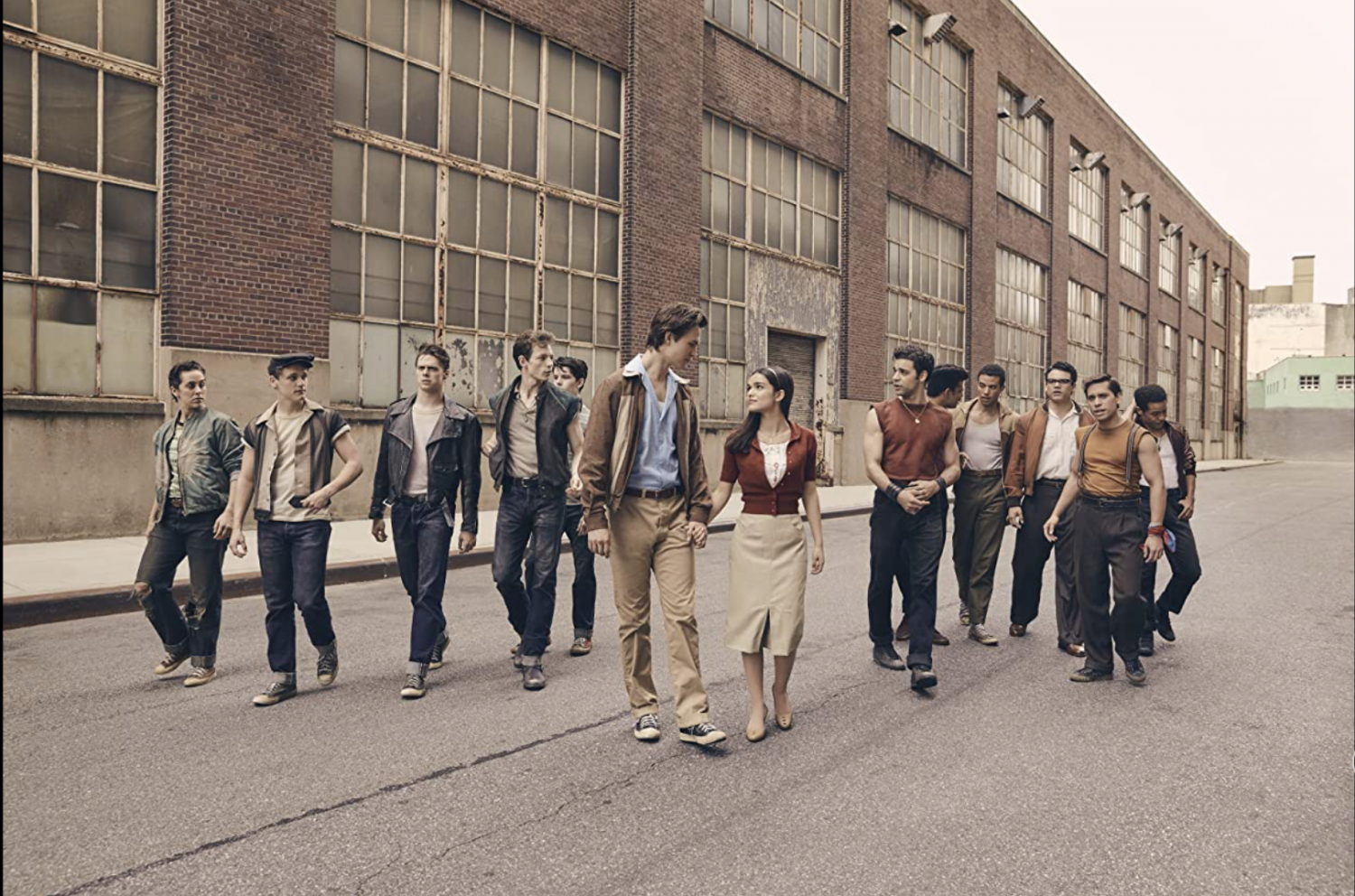
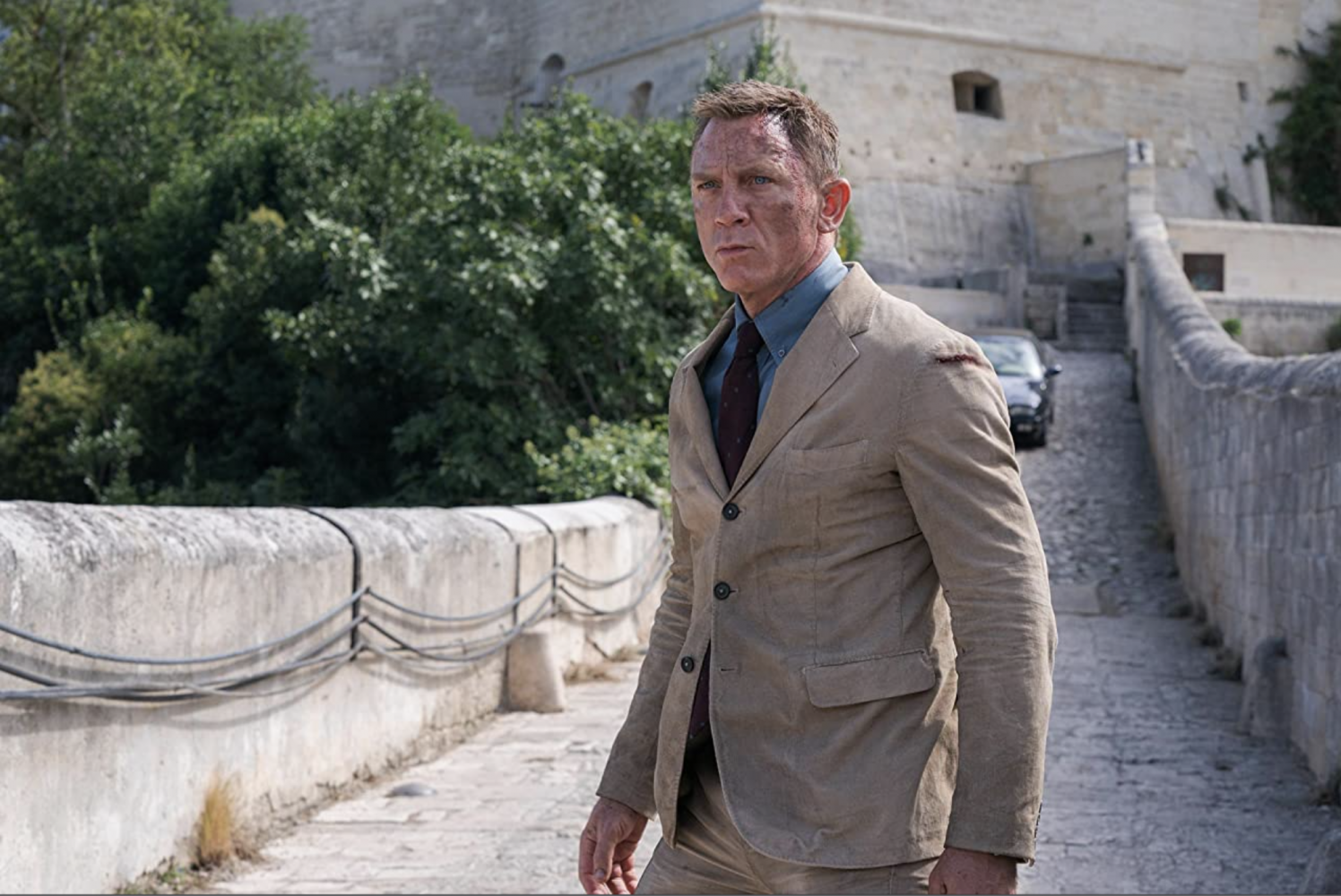
In the popular arena, several box-office shakers hacked through the uncertainties: Venom: Let There Be Carnage, No Time To Die, F9: The Fast Saga, Eternals, and the latest Spider-Man: No Way Home, which is currently drawing huge crowds everywhere. Then there are titles that spin a thousand articles and newsfeed comments, flowery or squirmy: Steven Spielberg's West Side Story, Denis Villeneuve's Dune, Ridley Scott's House Of Gucci, M. Night Shayamalan's Old, Pixar's Encanto, Lana Wachowski's The Matrix: Resurrections, Edgar Wright's Last Night In Soho, Disney's Shang-chi And The Legend Of The Ten Rings, and more, and more.
The return of the Cannes Film Festival in July was a literal and symbolic celebration of world cinema after an uneasy spell, while Hollywood's mega-titles and awards-season hullaballoo are inducing us into a familiar year-end mood. True, the Omicron scourge has prompted another red flag in the US and Europe, and it's also true that sections of the audience are still wary of making a return to the cinemas. But essentially, the existence of many exceptional films this year is proof that cinema has never gone anywhere.
Local heroes
For six months, cinemas in Thailand went dark. The mood was sour, the prospect dimmed, and the suspicion that from now on people would be content with their home screen and algorithm-driven menus and nothing else gained even more traction than when the first lockdown was in place last year.
But when the marquees switched on again in October, the rebound was more than promising. Spider-Man: No Way Home is projected to be Thailand's box-office champion (outdoing Eternals and Fast And Furious 9). And yet the most surprising movie news of the year belongs to the success of two domestic titles, Rang Zong (The Medium) and 4Kings, the former earning 120 million baht nationwide and the later around 100 million. Those are impressive numbers despite the odds. The Medium's release had been delayed due to the pandemic and a pirate copy surfaced online just weeks before its scheduled Thailand opening. For 4Kings, the supposedly "uncool" subject matter -- rivalry among vocational school students in the 1990s -- presents a marketing challenge in drawing the middle-class multiplex audience.
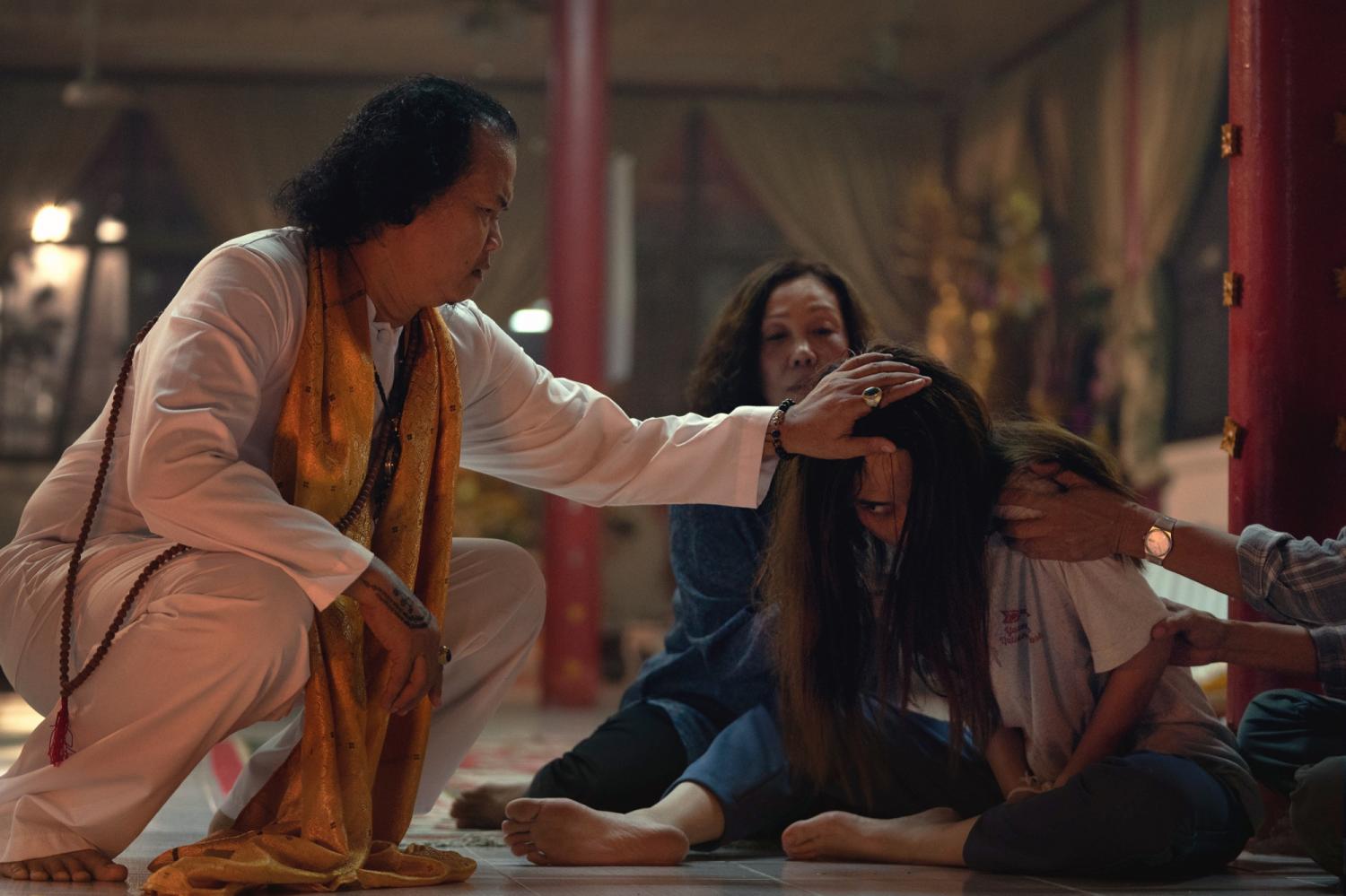
The Medium, a possession-and-exorcism tale set in the Northeast and fashioned as a pseudo-documentary, opened solidly and kept spooking its way into becoming a hit -- in Thailand as well as other Southeast Asian nations. The film was directed by Banjong Pisanthanakun (of Shutter and Pi Mak fame), and once again he proved highly bankable in this ghostly terrain.
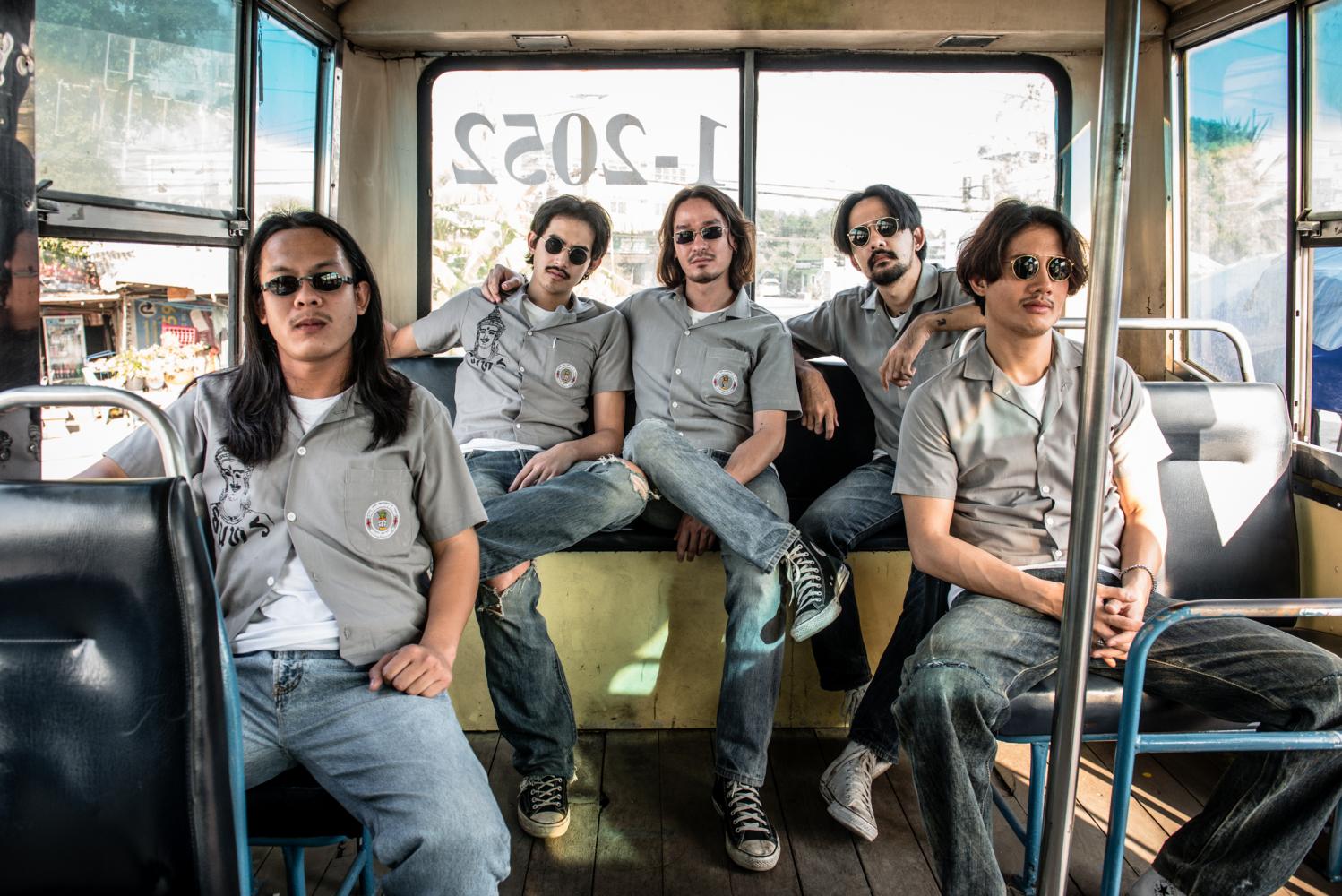
But the real dark horse that defied punditry is 4Kings, a coming-of-age gangland drama in which four vocational schools clash on the street, on the bus, during rock concerts, in roadside larb joints, and along sordid alleys on the wrong side of Bangkok's tracks. It's a working-class melodrama about rivalry and dated machismo that struck a chord with an untapped swathe of audience and drew non-regulars back to the multiplex en masse. This unlikely local hero arrived at an opportune moment when a struggling Thai cinema was desperate for good news. 4Kings the sequel is already announced.
Besides those two box-office hits, 2021 is a year of Thai directors riding a wave of international attention with high-profile titles. Baz Poonpiriya's road trip drama, One For The Road (2021), shot partly in New York, competed at the Sundance Film Festival and won a prize for outstanding creativity (the film is opening here soon). The Edge Of Daybreak (2021), a shimmering, black-and-white family drama directed by Taiki Sakpisit that references dark episodes in Thai political history, won a critics' prize at the International Film Festival Rotterdam (the film is in cinemas). Anatomy Of Time (2021), a ruminative drama about old age, memory and the tyranny of time, opened in Venice in September and will hit Thai theatres in a month or so. Two experimental works premiered in Berlin in February: Ploy, an essay documentary about a Thai sex worker in Singapore directed by Prapat Jiwarangsan (in cinemas now), and Come Here, a black-and-white meta tableau by Anocha Suwichakornpong (in cinemas soon). And of course, Apichatpong's Memoria, a Spanish-speaking film from a Thai director who has stretched the definition of cinema in more ways than one. It won a Jury Prize in Cannes and has been voted into many best-of lists around the world.

All in all, not a bad year after all.