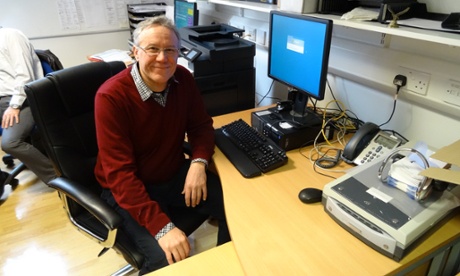
At 5am, with some effort, I roll over to switch off the alarm clock, make coffee for my wife and I, and do some reading for my PhD on survivor narratives of homelessness and personality disorder. At 6am I go for a 30-minute jog. I love the quiet and sense of a new beginning, a new day. I have breakfast with my girls who will have just tumbled out of bed, and once I’ve dropped off the youngest at school, I ride into Soho, on my pride and joy – my “baby Harley” – or, in everyday speak, my “cruiser” motorbike.
Depending on the day, I’ll either be straight into counselling homeless patients, facilitating a staff team support session, or chairing a meeting. I love the diverse nature of my role because I feel that it deepens and refreshes my clinical practice and rejuvenates me through the range of challenges and opportunities it offers.
On clinical days, lunch can be quite a challenge, and it will be a rushed affair at my desk or in the staff room. Sometimes I have the luxury of munching a sandwich in Soho Square, enjoying people watching.
My first career was in organisational psychology, but after several projects I began craving a new direction. I retrained as a psychotherapist and have never looked back. Being entrusted with the lived experience of suffering, feeling able to have a role in its alleviation, and witnessing tangible progress is a unique experience. Before this post, I worked as a counsellor with refugees and asylum seekers from all the trouble spots of the world. Hearing so many tales of atrocity, torture and state sanctioned abuse of power, taught me to value what this country has to offer.
I would never want to stop doing clinical work, but I think I’d enjoy investing some of my experience into training and educating new generations of health workers in homeless and inclusion health which is an emerging field.
In a complex system where services are commissioned for target groups and in the face of frequent and sometimes uncomfortable structural change, I try to remain focused on the individual and their needs. This is a philosophy that extends outside of my professional life and into my personal and family life. Four and a half years ago I was diagnosed with cancer and experienced the best of what the NHS can offer, both as a patient and employee. I had two major operations at UCH, from which I made a total recovery, and as part of that recovery Central London Community Healthcare (CLCH) let me work from home, during which time I wrote and had a paper published.
My afternoons can vary, but today for example, I have co-facilitated an anger support and discussion group drop in session for homeless people. It is a great privilege to witness anger and defiance slowly being replaced with expressions of need and vulnerability, as well as much greater reflection and self-reflection. I’ve also supervised a younger colleague, and made some phone calls regarding a conference I am helping organise around homelessness. Before leaving work I write up my patient notes and input them into the database.
Evenings are for catching up with the family and putting my youngest daughter to bed reading her stories or helping her practice for her spelling test. At weekends we will go to a film, or I will drive the girls to their music lessons, or one of many birthday parties. Socialising with long standing friends over good food and Bordeaux wine is always a great treat.
The last thing I think about before I go to sleep is how grateful I am for what I have and what I do.
If you would like to be featured in our “Day in the life of...” series, or know someone who would be great to include, please email healthcare@theguardian.com
Are you a member of our online community? Sign up to the Healthcare Professionals Network – for free – to receive weekly email updates on policy and best practice in the sector, as well as exclusive offers.