‘How the bloody hell do you start a pro cycling team?’ is a question that’s been taking up a lot of my time recently.
Not in the abstract, 'if I won the lottery' sense, but in the spreadsheet open, budget-planning, and pitching sense. I’ve pitched in the US, the UK, and across Europe. I’ve spoken to decision makers who have the means to make it happen. I’ve come close, and I’ve dared to dream. But, so far, I’ve fallen short.
Because once you start asking that question seriously, you realise the biggest challenge isn’t really the bike racing part. Most people assume the hardest part is convincing riders to sign or brands to supply bikes. However, the real battle starts long before that. It’s persuading someone to fund a structure that, so far, by any rational metric, makes very little sense.
Cycling teams don’t behave like other sports teams. There’s no equity, limited assets, or exit opportunity. You can pour millions in and still walk away with nothing. That’s where the real discomfort sits.
I’m either leaning on a system that’s already proven fragile. Or I’m standing in front of someone and saying: 'I know why this doesn’t work, and I think I know how to fix it.'
Teams are playing the wrong game
Answering the question of why I want to start a professional cycling team is a great place to start. Maybe it’s youthful arrogance, or perhaps naivety, but I feel our sport deserves better. In fact, I believe the majority of the professional peloton has failed to evolve and fundamentally misunderstood the modern sports landscape.
If you’re not winning, and you’re not appealing to fans, then what the heck are you doing as a sports team?
Those at the very top, UAE Team Emirates-XRG, Visma-Lease a Bike, and Red Bull-Bora-Hansgrohe are all-in on winning. That makes sense. If you’re chasing yellow at the Tour de France, results are the product.
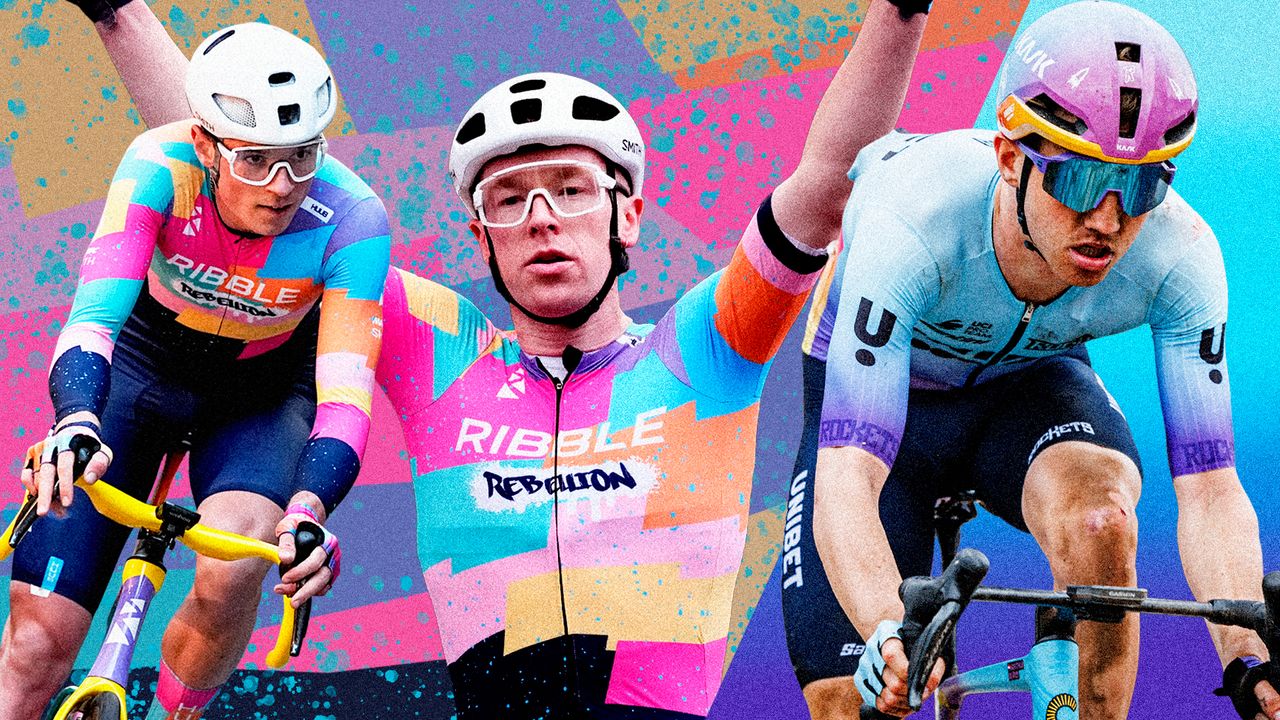
Then there are teams which understand fans. The best example is Bas Tietema’s Unibet Rose Rockets, whose goal is to be the most supported, liked and followed team. Then you have EF Education-EasyPost, a funny hybrid who manage to exist in both categories.
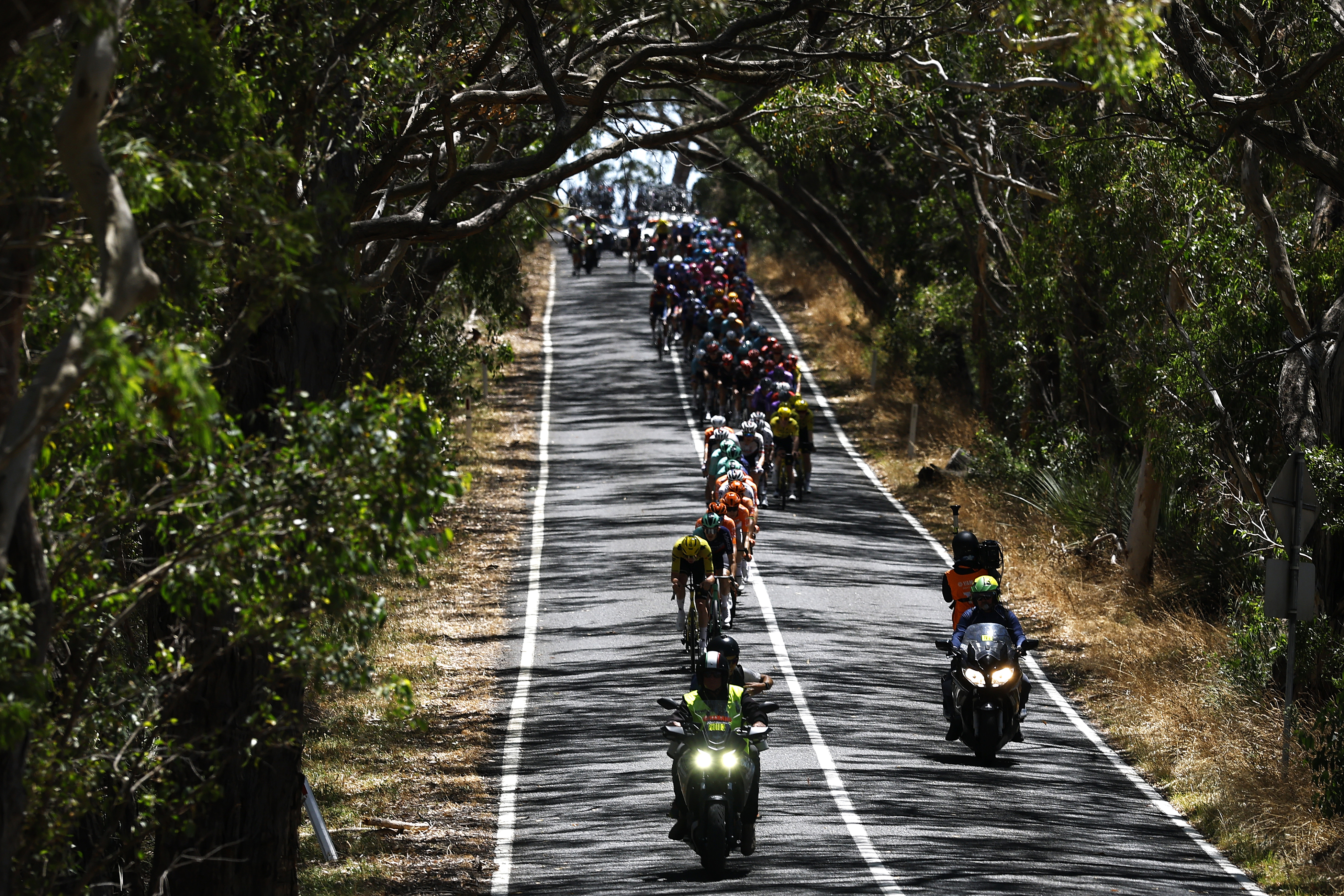
Yet, the other who-knows-how-many teams operating on eight-figure budgets simply, well, exist. They’re not dominant enough to demand attention through results, and they’re not interesting enough, or perhaps willing enough, to build a fanbase through storytelling. They’re run by brilliant sporting people, but not media people.
It’s Bernie Ecclestone-era Formula 1 thinking. Ecclestone, who held the role of F1 CEO for three decades, was a visionary in his time, but openly dismissive of the modern media landscape and largely uninterested in anyone beyond the existing, die-hard fanbase.
"I'm not interested in tweeting, Facebook and whatever this nonsense is. Young kids will see the Rolex brand, but are they going to go and buy one? They can't afford it. Or our other sponsor, UBS - these kids don't care about banking. They haven't got enough money to put in the bloody banks anyway," Ecclestone said in a 2014 interview about F1's financial problems and the future direction of the sport.
When Liberty Media took over F1, they proved something cycling still seems reluctant to accept: audiences don’t magically appear because the sport is good. You build them deliberately, or you slowly disappear.
And that’s the part cycling keeps missing, and the part that brings me right back to the original question: what’s the cost of running a cycling team? It’s not the trucks or the bikes or the payroll. It’s the cost of building an audience in a sport that still thinks it doesn’t need one. If you can’t win attention, you can’t win anything.
Saying 'f**k you' to tradition
It was in 2024 that my interest first turned to team management. My bike sponsor at the time, Ribble, was looking to start a road team, and asked for my opinion. One thing led to another, and within months, we had a team fielded to take on the UK and US race scene.
For years, there’s been a question about whether a European squad could go out to the US to put up a fight against L39ION of Los Angeles and their counterparts in the crits. This was the chance to set that record straight.
When we launched, I wanted us to make as big a splash as possible while spending as little money as possible. The way of doing that wasn’t to go after the world where teams spent telephone numbers on the sport.
In reality, that project was never supposed to be mine; I was simply providing advice and helping the team as they got set up for racing. However, an internal personnel change meant that the team became my team. I was officially Team Manager.
This is where I learned the true cost of running a cycling team.
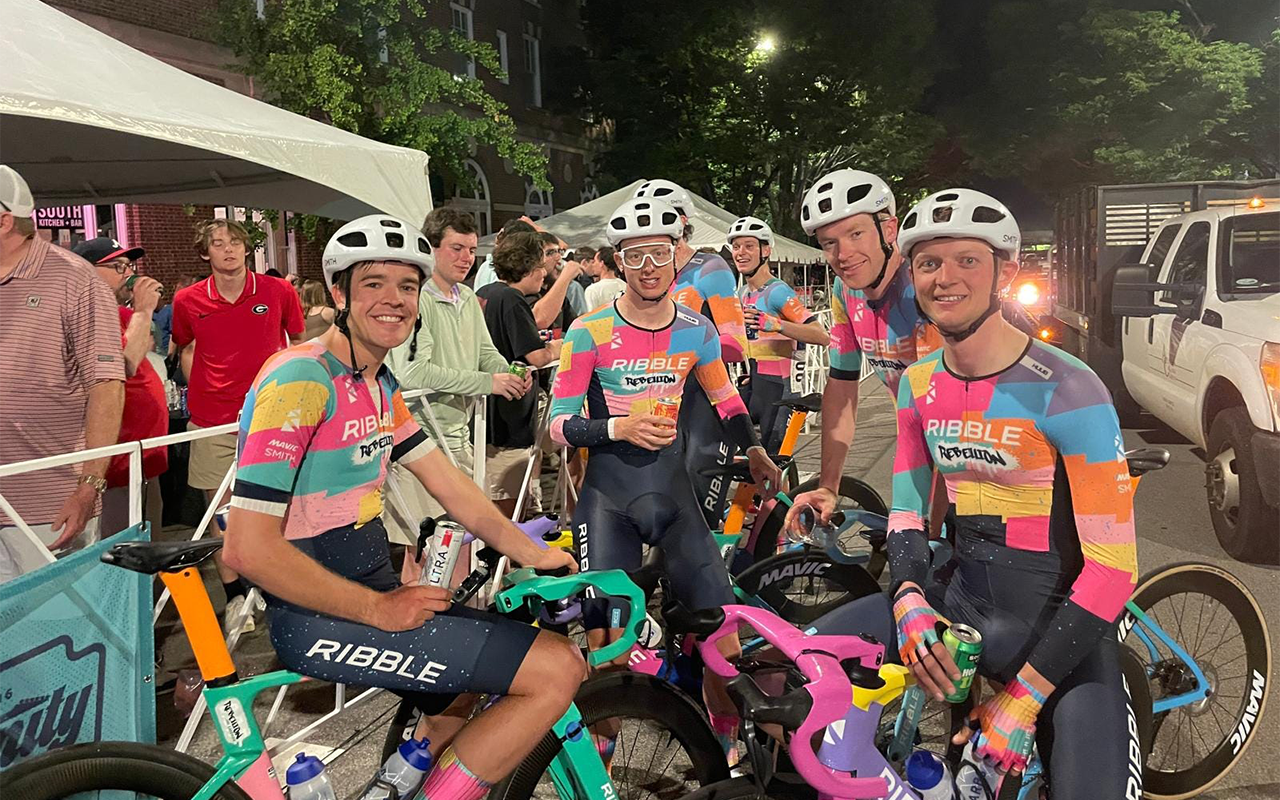
To do it properly is a full-time job, and anyone who tells you otherwise is lying. There’s a responsibility to the riders, to the sponsors, to the race organisers, and to the fans. You’re constantly on call.
It broke me. While we were racing in the US, I’d join calls at 6am in the morning, do a full day of work for the team and then line up shoulder-to-shoulder with the boys at 8pm that night in the race.
I’d make calls to towns I’d never heard of, and knock on the doors of strangers who had agreed to put us up for the night - the US tradition of 'host housing' saved us thousands of dollars. We did a pop-up activation with Red Bull that I somehow managed to organise in under 36 hours.
It felt like building the plane while flying it. We were having success on and off the bike. We were winning races on both sides of the Atlantic, and we were rapidly gaining a cult following. All because we were saying 'fuck you' to the traditional way of doing things.
The beauty of Ribble Rebellion is that I never had to worry about the financial side of things. While I ran everything day-to-day, worked alongside the board, and rode shoulder to shoulder with the boys in the lead-out trains, the budget was always there. I’d submit what we planned to spend race to race, try to be as thrifty as possible, negotiate deals and secure host houses, but I never had to find the money in the first place. The cold, hard cash part was Ribble’s problem.
At the end of 2024, for exact reasons that were never made clear to me, the brand decided to close down the team, opting to take "a different path" in 2025.
$2.5 million and a dream
Asking what it costs financially to run a cycling team is an arbitrary question. How long is a piece of string?
At one end of the spectrum, you can get a group of friends together in matching kits for a few hundred Euros. On the other hand, you can spend north of €30 million, which is the average budget of a men’s WorldTour team.
$2.5 million - that’s the number I’m pitching for three years. And I'll be honest, that’s peanuts. If I want to build a ProTeam, one division below the UCI WorldTour, that’s $5 million a year, at least.
That number has a lot of spreadsheets behind it. There’s room for growth, rider salary, staff salary, a media crew, and logistics. It’s also starting small.
Year one will require $350,000, and is really a minimum viable product; just shy of 40% of that number is to be spent on salaries for riders and staff. If you’re not paying salaries, then you are not a professional sports team. That sounds so obvious to say in this article, but trust me, most outfits below the ProTeam level aren’t paying riders a penny.
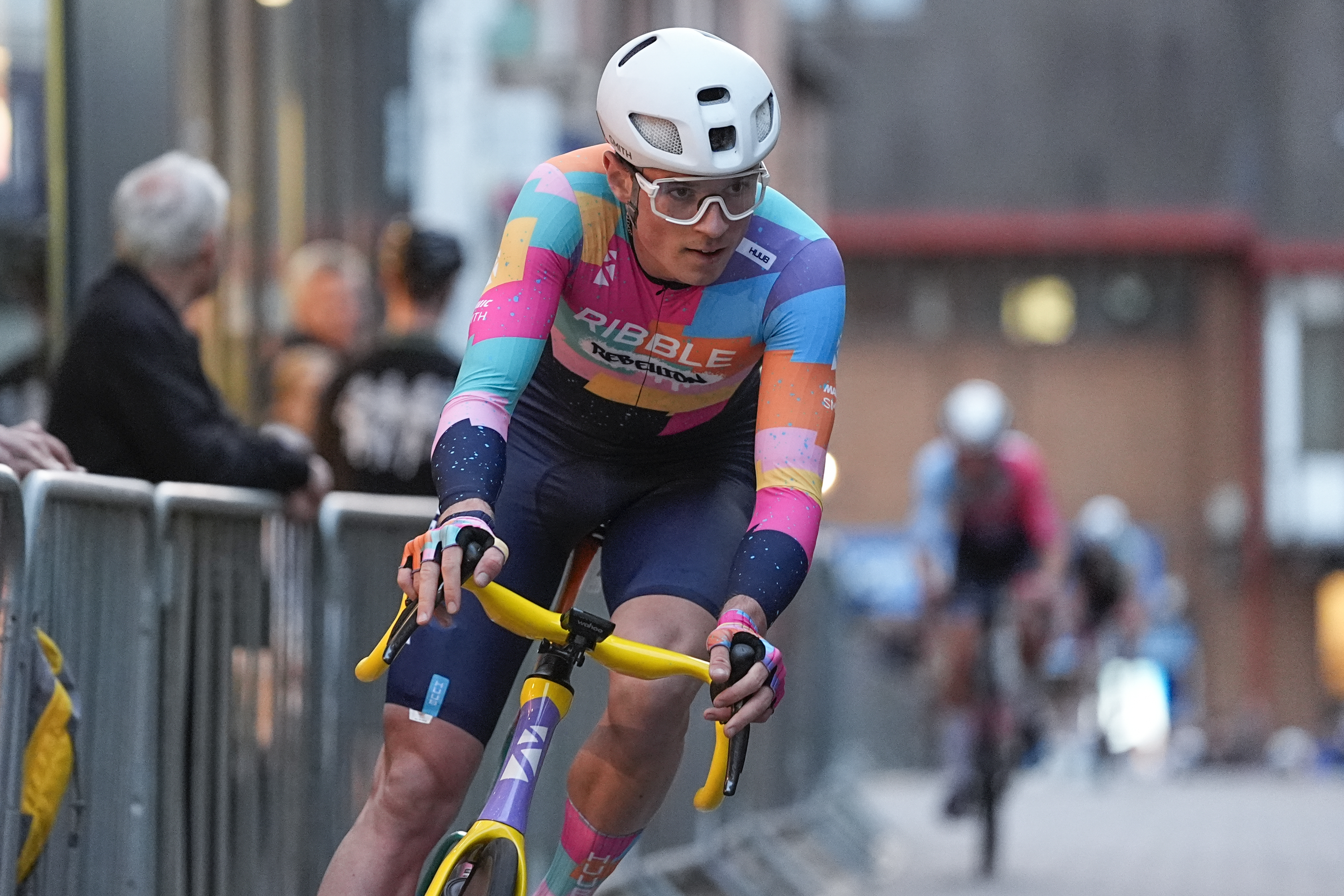
From year two, it starts to grow. A step up to the Continental level would bring access to races like the Tour of Britain. It would provide a world stage to be the scrappy underdogs. Year three brings increased investment in behind-the-scenes logistics, a bigger media team and so on.
It costs a lot of money to do it properly. I could’ve fielded a team in 2026 if I’d have wanted to, but I learned the hard way that doing things on a shoestring budget, or without knowing if at least your second year is guaranteed, will create problems.
Having the correct funding allows you to make long-term decisions that can benefit the project five years down the line rather than making month-to-month decisions with the goal of keeping the lights on.
So, where does a boy from Grimsby (a fishing port on England's east coast for those unacquainted) find $2.5 million? That’s a question I don’t yet have the answer to. The truth is, nobody hands you a blueprint for this. You learn by trying and failing. You also learn by studying the people who’ve already done it. And right now, no one has rewritten the rulebook quite like the Unibet Rose Rockets.
It’s not rocket science
Bas Tietema is the co-founder of Unibet Rose Rockets, a team that has gone from a YouTube channel to a ProTeam in four years. And whether the traditionalists like it or not, they’re the clearest proof that the old model of professional cycling is being outpaced by a new one.
What makes the Rockets different isn’t budget or talent or some secret performance edge. It’s their intention. From the beginning, they treated storytelling as the foundation of the team rather than something you sprinkle on once the racing is done.
"[The team] feels like our life mission, not work," Tietema told me, and that mindset shows. They documented everything from starting as fans at the Tour de France to now competing in Monuments. It’s the backbone of the team’s identity.
"When I’m in a race, I want to win. But if you zoom out, people care because they know the background," added the co-founder.
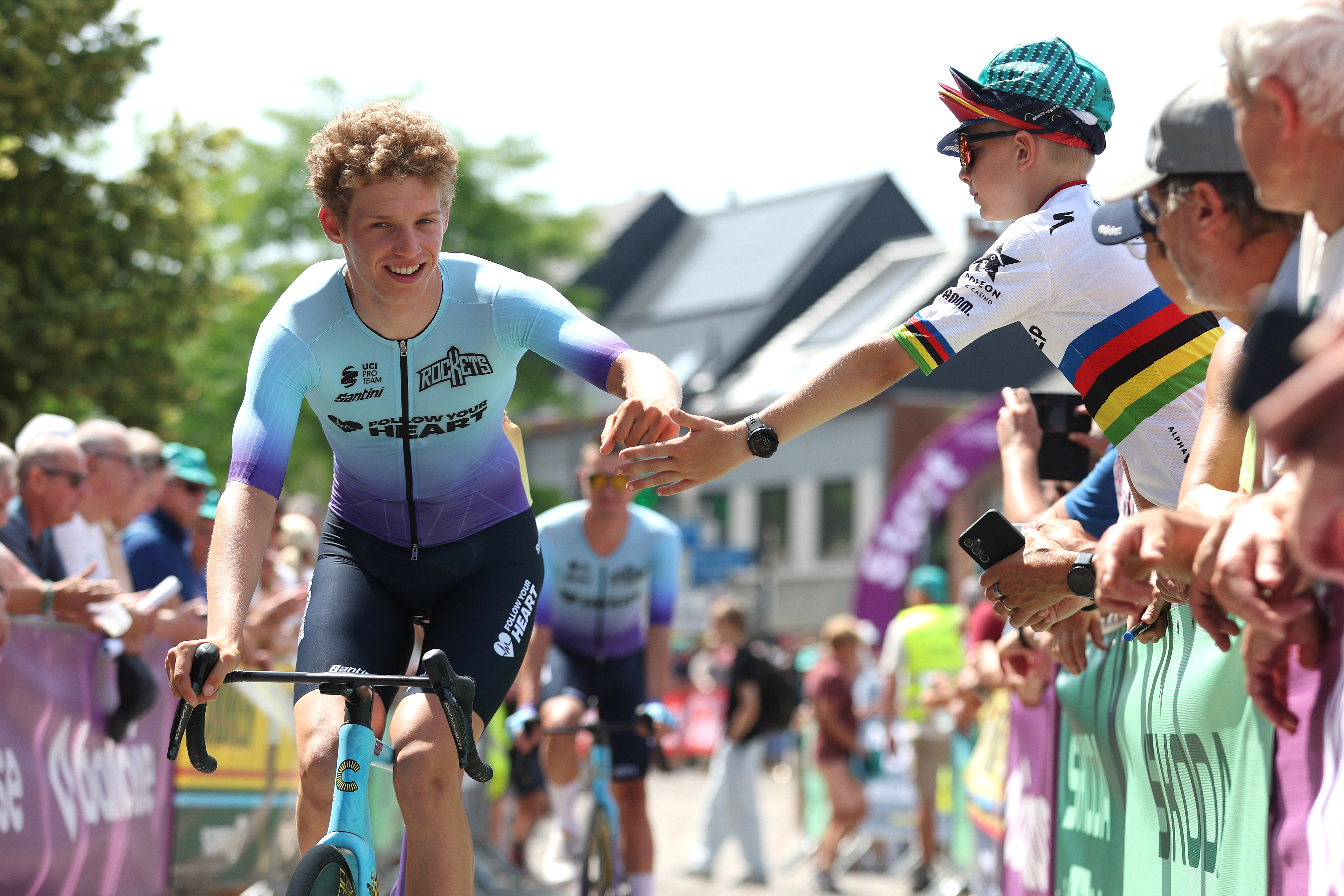
That’s the difference. Most teams assume that fans will care because they race. The Rockets, whose motto is 'To the Tour and beyond', understand people care because they understand the journey.
Tietema pointed to a video about the Olympias Tour, an event where no one on the team finished the race, which ultimately proved to be a turning point. Not because of the result, but because it showed vulnerability. In other words: the stuff that actually builds emotional investment.
"If you’re just a team riding, and people only see you on television, then who are you? What’s the story?" Tietema explained.
Their focus on fans isn’t an accident. It’s the strategy. The Rockets have the biggest media team in cycling (25 people) because they believe that an engaged fanbase is the most valuable asset a modern sports team can own. As Tietema said, “Ultimately, the brands we work with want an engaged fanbase.”
And he’s right. Racing alone doesn’t build that. Storytelling does.
They didn’t build a team and then look for fans. They built a fanbase and then a team worth following.
The costs you can't budget for
So, what’s the cost of running a cycling team?
On paper, it’s salaries, bikes, flights, staff, logistics, media, insurance, and a thousand line items that slowly bleed you dry. In my case, it’s an initial $2.5 million spend over three years, with year one run as a minimum viable product and years two and three only making sense if the foundations are solid. That’s the number I’m pitching for, and the figure that spreadsheets are built around.
But that’s not the real cost.
The real cost is commitment. It’s time, stress, responsibility, and the acceptance that running a team is not a side project. It’s a full-time job with real consequences. I learned that at Ribble Rebellion, where I saw firsthand what it takes.
Even still, you may fail, very publicly, and very expensively.
And then there’s the cost that cycling still refuses to price in: attention.
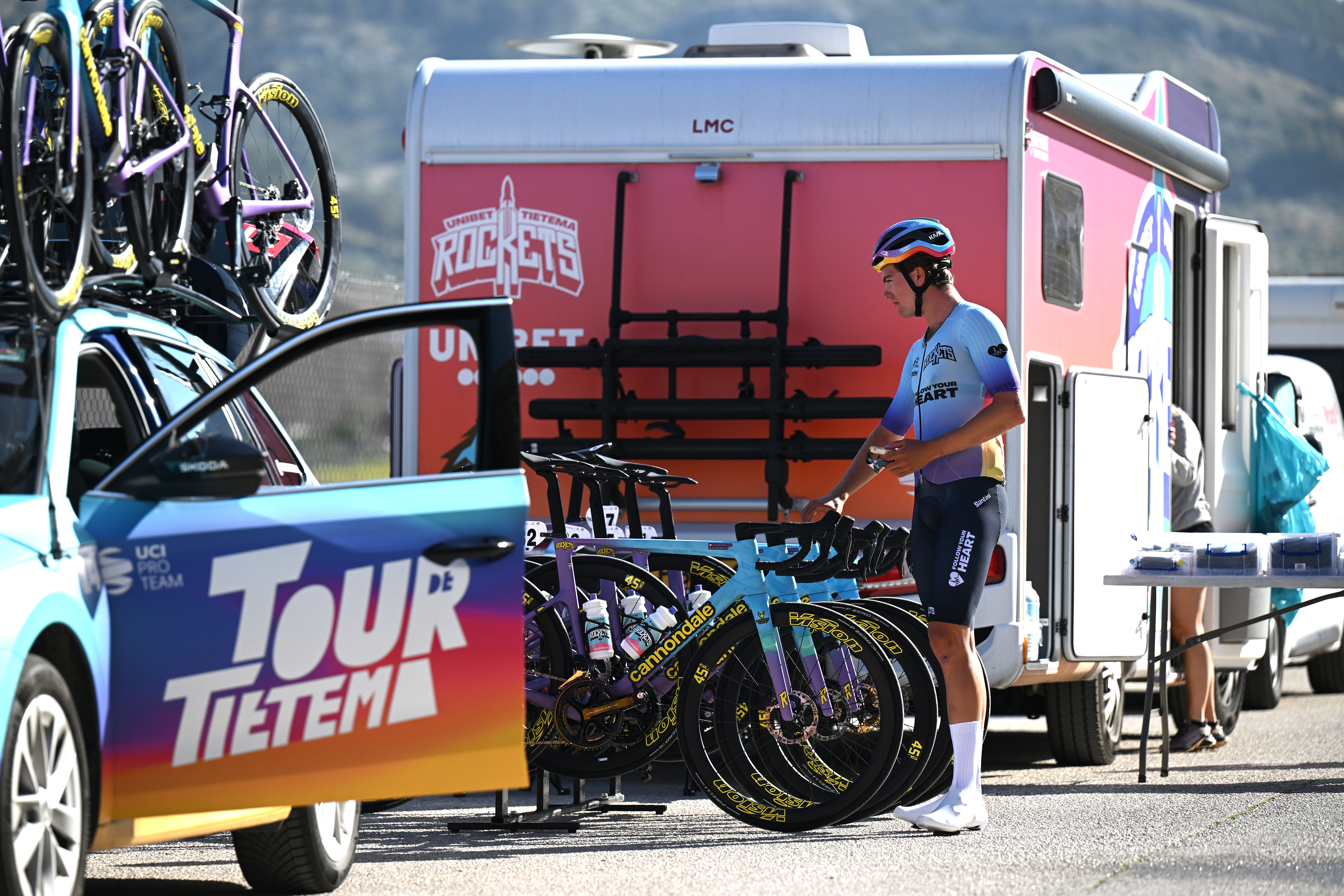
Tietema and the Unibet Rose Rockets understood something early on that most teams still don’t. You’re not just competing on the road. You’re competing for eyeballs. Media, storytelling, and fan engagement aren’t 'nice to have' add-ons once the racing is sorted. They are the product. The racing is the amplifier.
That’s where most teams get stuck. They spend heavily on performance, assume fans will follow, and then wonder why sponsors struggle to see a return. They operate like it’s still enough to simply exist, to turn up, to race, to hope. It isn’t.
So when people ask me why I want to start a professional cycling team, this is the honest answer. Not because it’s easy. Not because it’s profitable. Not because the model works. But because I think it can work differently.
Because if you’re not winning, and you’re not building an audience, then you’re not running a sports team. You’re just burning money and hoping someone else hasn’t noticed yet.