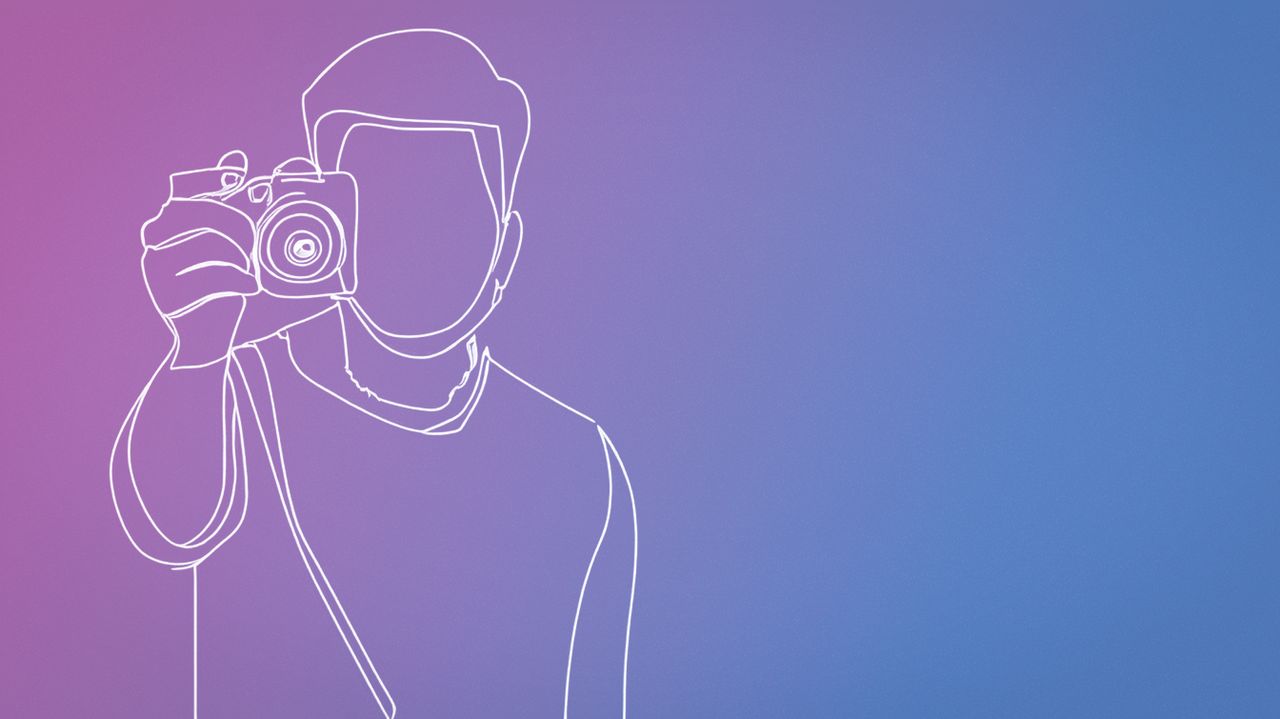
We’ve quickly got used to AI improving the AF performance of our digital cameras. And now, increasingly, when it comes to further enhancing resultant shots in AI-powered image processing software, including the likes of Evoto AI and Luminar Neo. I’ve recently had a go with the latest iterations of both and one thought struck me.
It feels like cheating.
It also feels like relinquishing control, as the AI tools make visual decisions that – while producing perfectly acceptable-looking results – aren’t necessarily mirroring the decisions I would personally have taken, or the edits I’d have made. Am I happy getting generic results, rather than authentic expressions of my identity?
That said, there’s no denying I can get results a whole lot quicker – and I can imagine professionals, facing an edit of hundreds of images from a portrait or wedding shoot, will be tempted to batch process. It’s not like their clients are going to know that they had help from an AI toolkit.
However, in asking AI to make creative calls on our behalf, do we run the risk of becoming less creative ourselves – and downright lazy?
The tried-and-tested mantra for any jobbing photographer has always been to ‘get it right in camera’, as the primary way to avoid spending hours cleaning up or adjusting images in Photoshop.
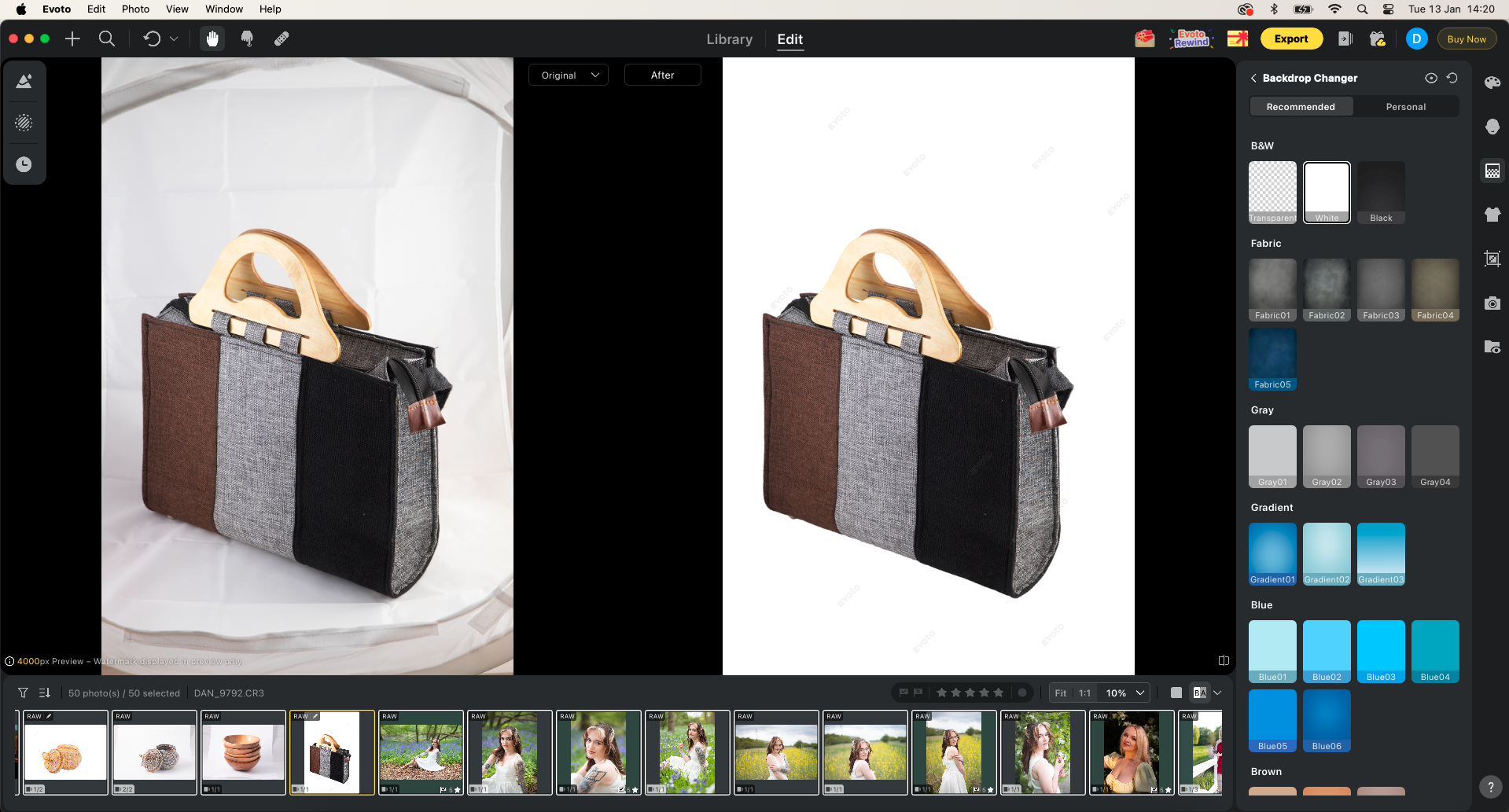
If now, with AI, I can get similar-looking – or certainly ‘good enough’ – results in seconds, where’s the motivation to go the extra mile at the outset, or get exposure and depth of field spot-on, while my subject is still in front of my lens?
The counter-argument, of course, is that with such programs promising to speed up our workflow and help us avoid tedious, repetitive tasks, photographers will have more time to devote to the ‘fun’ part of taking the pictures. Or even less fun things, such as filing company accounts with the taxman.
I guess it all comes down to whether we see AI image editing software as a method to maximize our hard-earned skills and take our visual expertise up a notch – after all, it pays to have a decent image to work with in the first place – as well as a timesaver. Or whether we view it as a sticking plaster, or crutch, to make good our own deficiencies or occasional errors.
Perhaps exposure to too much ‘AI slop’ is rewiring our brains and encouraging and excusing our own photographic sloppiness. Or, more positively, is what photographers are wrestling with now more akin to the transition from film to digital, when we potentially ended up with many more ‘keepers’ because we could quickly see the result?
Whether we’re producing images au naturel or aided and abetted by AI, I think what matters most is still our personal judgement. If the result looks great then it’s a keeper, however I’ve reached that stage. If it looks crap, then I’m still reaching for the ‘delete’ button… whatever the robots are suggesting.
You might also like…
Take a look at the best photo editing software along with the best free photo editing software.