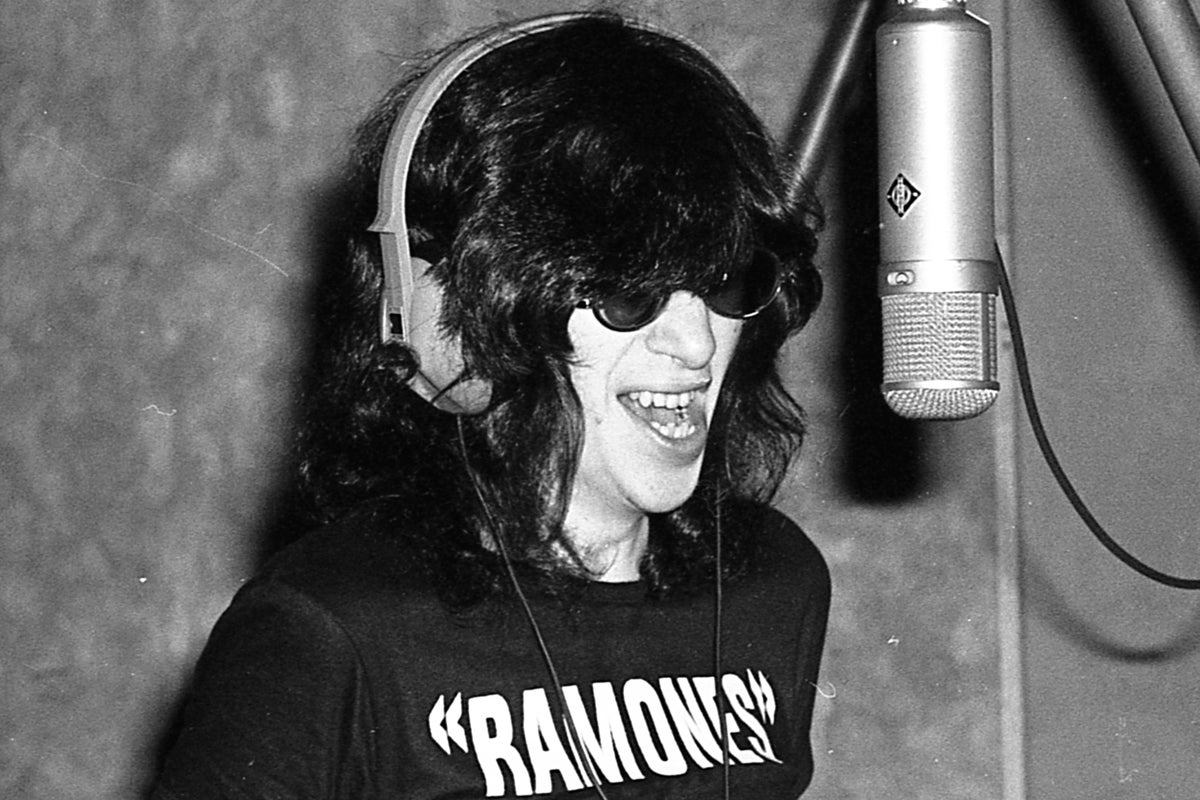
Danny Fields knew he wanted to manage the Ramones from the moment he laid eyes on them. It was early 1975, and he was an influential music journalist who’d helped the Stooges and the MC5 get record deals. The Ramones, hoping for the same, pestered him incessantly to see them play. “I had the people at the magazine tell them I was in the loo,” remembers Fields, now 86. “I was being hounded!”
Eventually he gave in and made his way down to CBGBs in New York’s East Village. He walked in to the grimy club to see four delinquents in leather jackets tearing through a song called “I Don’t Wanna Go Down To The Basement”. He was in love. “It took my breath away,” he whispers reverentially. “‘They’re perfect, they’re perfect’… that’s all that went through my head.”
The Ramones were the snarling sound of things to come: punk rock before the scene even had a name. They sang about sniffing glue, male prostitution and Nazis, over tunes that sounded like the Ronettes played at twice the speed and 10 times the volume.
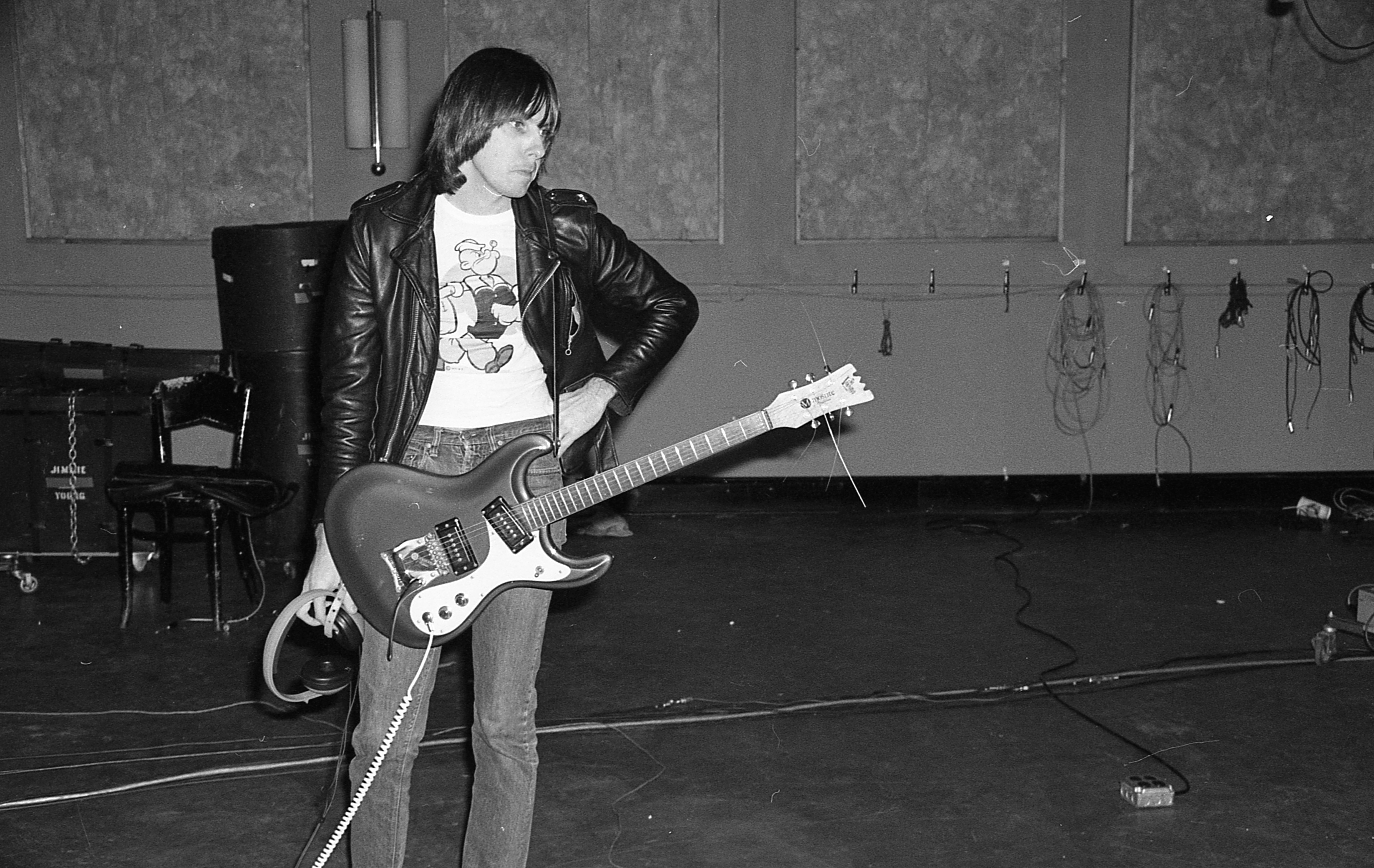
The four of them had got together in Forest Hills, Queens, a year earlier, adopting a shared musical vision and surname. There was the tall, awkward, romantic singer (Joey Ramone), the sneering guitarist who only played downstrokes (Johnny Ramone), the junkie poet bassist (Dee Dee Ramone) and the urgent, driving drummer (Tommy Ramone). They lived as fast as they played, and were all dead before their first album celebrated its 40th anniversary.
“The only thing that brought the four of them together was that they all listened to the Stooges,” remembers Fields. “So that made me impeccable to them, taste-wise. Johnny had a five year plan to get rich: ‘We’re going to have so many number one singles and albums we’ll be able to retire.’ That didn’t happen.”
While Fields saw perfection in the Ramones, the rest of the world wasn’t so sure. They were rejected by pretty much every major label going before Fields succeeded in securing them a contract with the indie Sire Records. When they put out their self-titled debut album on April 23, 1976, it was met with deafening indifference from the mainstream. In its first year it shifted just 6,000 copies. One critic dismissed it as “the sound of 10,000 toilets flushing.”
Meanwhile, radio stations went on playing schmaltz like Paul McCartney’s “Silly Love Songs” and Peter Frampton’s “Baby, I Love Your Way”, from the year’s biggest-selling album Frampton Comes Alive!. DJs didn’t dare touch a speed-driven two-minute single called “Blitzkrieg Bop”, even if it did start with a big dumb chant of “Hey! Ho! Let’s go!”
Michael Bolton almost ended up on the ‘Ramones’ record
Yet while Ramones may not have troubled the charts, those songs meant everything to the young, alienated audience who became obsessed with them. When the album arrived in England, The Clash frontman Joe Strummer credited it with sparking an immediate musical revolution. “If that Ramones record hadn’t existed I don’t know that we could have built a scene here,” he said in the 2003 documentary End of the Century. “It filled a vital gap between the death of the old pub rocking scene and the advent of punk.”
In the five decades since its release, the record’s influence and reputation has only grown. Now widely considered the very first true punk rock record, many publications — including The Independent — have named it among the greatest debut albums of all time. Just 29 minutes and four seconds long, it remains powerful enough to blow away listeners new and old. It is blisteringly fast and savagely funny.
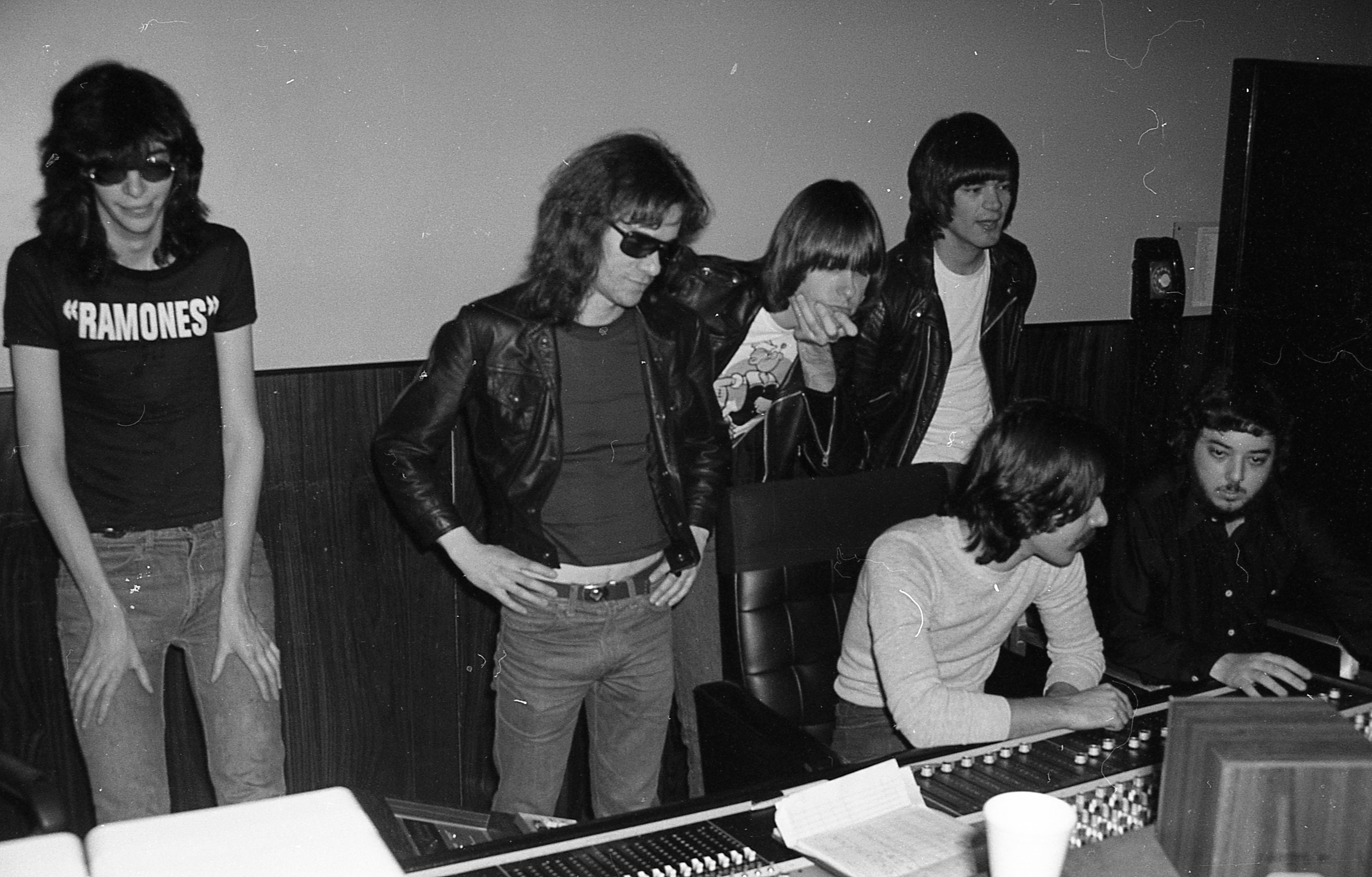
During the four days the Ramones spent recording the album at Plaza Sound, a classical studio above Radio City Music Hall, they were not intending to make the first punk album. They considered themselves a rock band, albeit one intent on kicking back against the genre’s growing self-indulgent excesses. With them was producer Craig Leon. “I saw them as the Bizarro World Beatles,” he says. “We’d sit in my crummy office at Sire and have fantasies about going to Abbey Road to make a record in two days, and it’d be the Beatles but really f***ed up.”
Sadly, Sire’s measly budget of $6,400 wouldn’t stretch to flights to London, but Leon did manage to bring some Beatles techniques to Plaza Sound. “I’d worked with George Martin, so whenever I could I’d call him and say: ‘How did you get that vocal effect on ‘You’re Going To Lose That Girl’?,” remembers Leon. “He was very accommodating, and he’d get [audio engineer] Geoff Emerick to come and explain how they’d used the tape delays and all that kind of stuff. There were very few effects in the studio in those days, but the Beatles were masters of them.”
Budget constraints also meant that Leon had to help out on backing vocals. If they’d had more money, the record might have sounded very different. “I got a number for a background singer from a friend of mine in another band, a guy named Michael Bolotin… who became Michael Bolton,” remembers Leon. “He almost ended up on the Ramones record. They wouldn’t pay for a background vocalist or for his train fare from Connecticut, so we had to do it ourselves!”
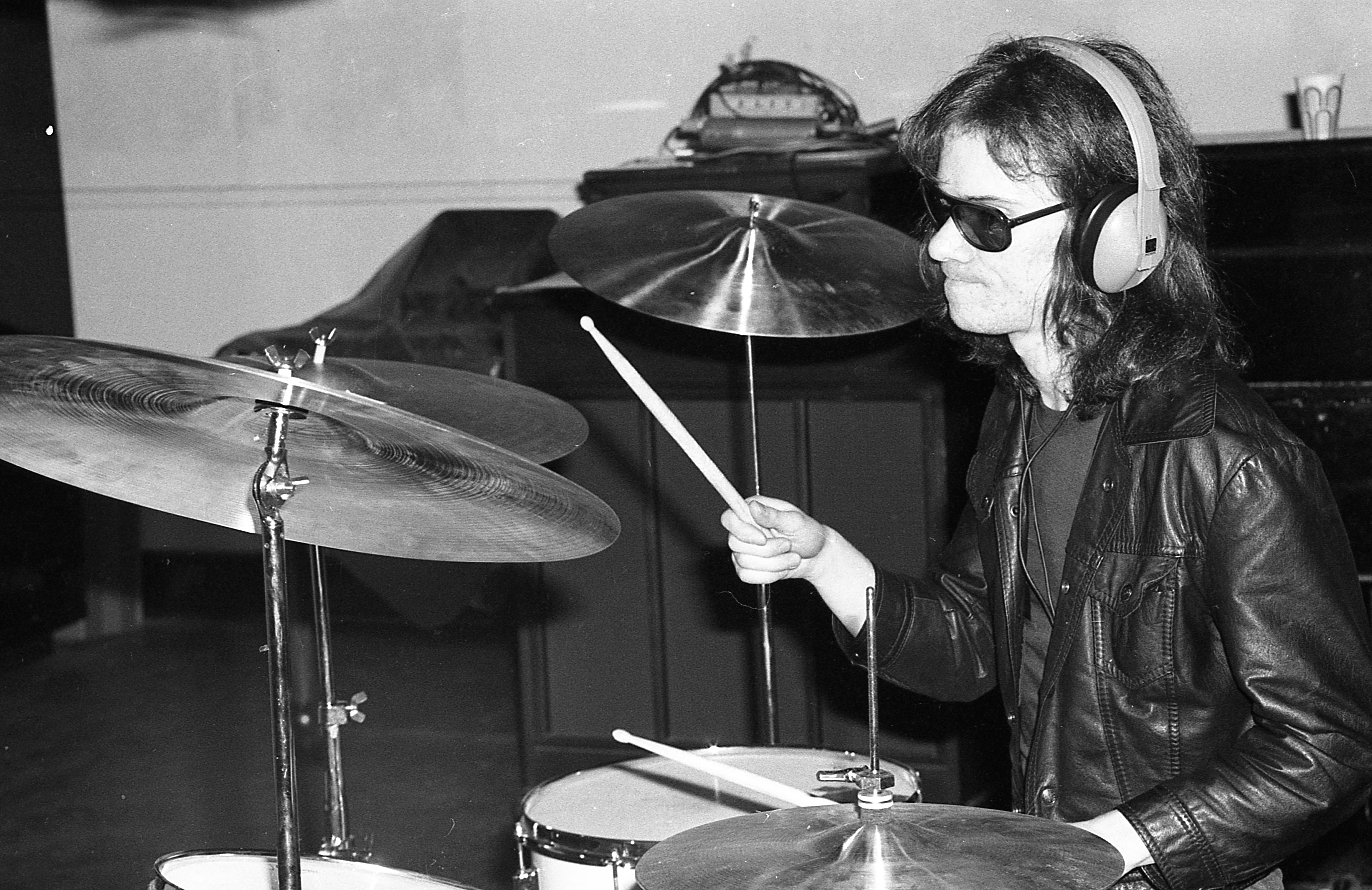
Who knows what Michael Bolton, or indeed the Beatles, would have made of a song like “53rd & 3rd”, a dark murder fantasy about a young war veteran turning tricks for drugs on the New York street corner. It was written by Dee Dee, who also contributed provocative tunes like “Today Your Love, Tomorrow The World” that featured World War II references and the lyric: “I'm a Nazi Schatzi, you know I fight for the fatherland.”
Fields, who is Jewish, points out that both Joey and Tommy were too. He attributes the darkness of the band’s lyrical subject matter to a sort of trolling of hippies and squares. “Dee Dee grew up in post-war Germany. His mother was German, his father was an American soldier,” explains Fields. “He was a great comedian, and a great performer, and very sexy. He wanted to be a teen idol and he should have been. He would have been very disruptive.”
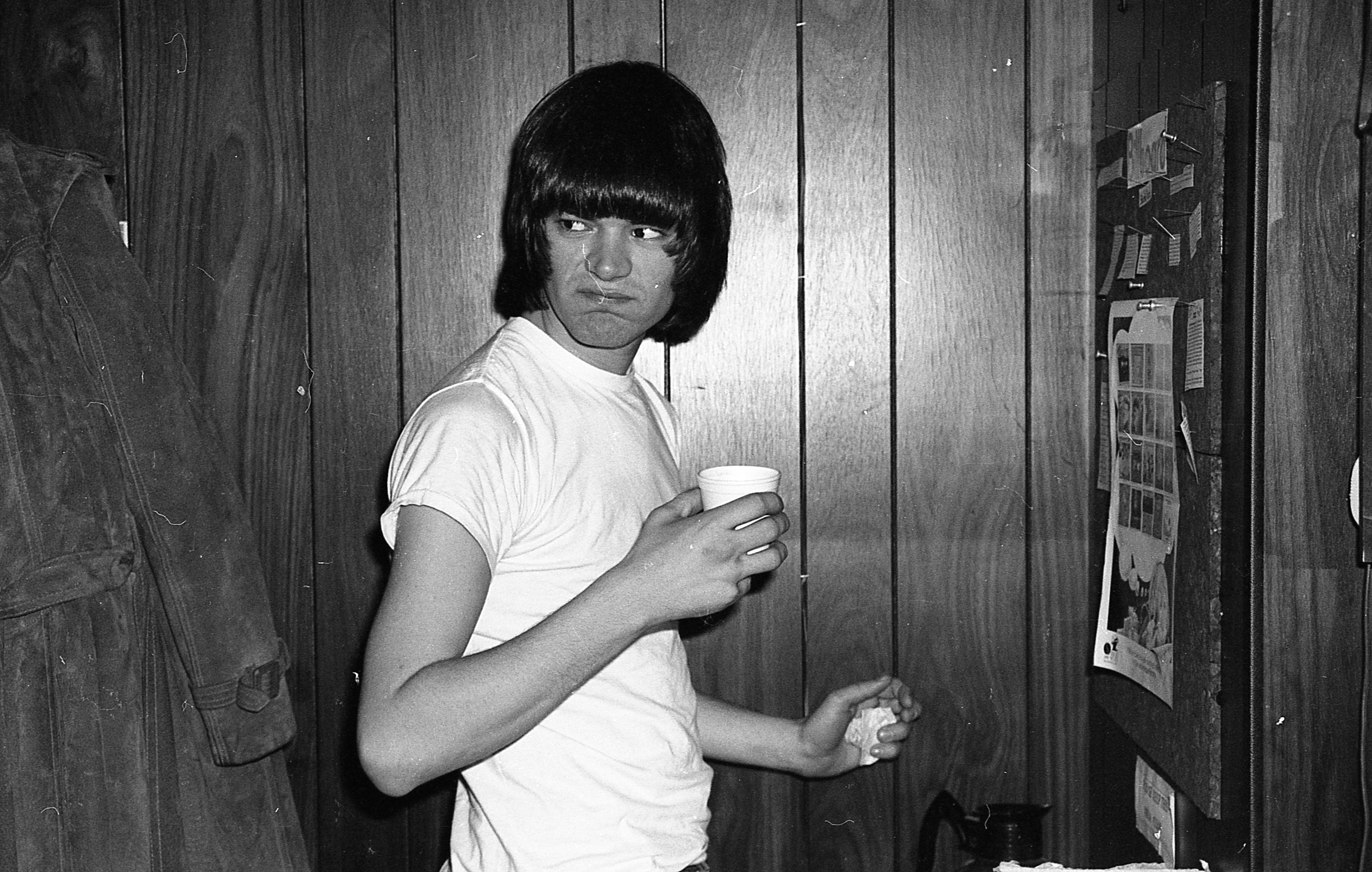
In keeping with their Bizarro Beatles aesthetic, the band initially wanted the album’s cover to mimic Meet The Beatles!. When that didn’t work out, they bought a picture from photographer Roberta Bayley, who had shot them for newly founded magazine Punk. The monochrome image of the band up against a brick wall in the Bowery has been imitated by young bands almost as often as their sound, but never bettered.
Bayley says Sire actually bought two photos from her, but the other has rarely been seen. “They bought the album cover for $125, and they bought a second picture of them all laughing and smiling,” she recalls. “The record company used it only once in an advert that said: ‘The Ramones: They’re so punky you’re going to love them!’ They wanted to market them like the Bay City Rollers.”
She laughs. “People tell me that when they saw the cover they thought the Ramones were a gang. That Johnny had a knife in his pocket. They do kind of look threatening. It’s not ‘We’re so punky, you’re gonna love us,’ it’s: ‘We’re going to come to your home and rape your daughters.’”
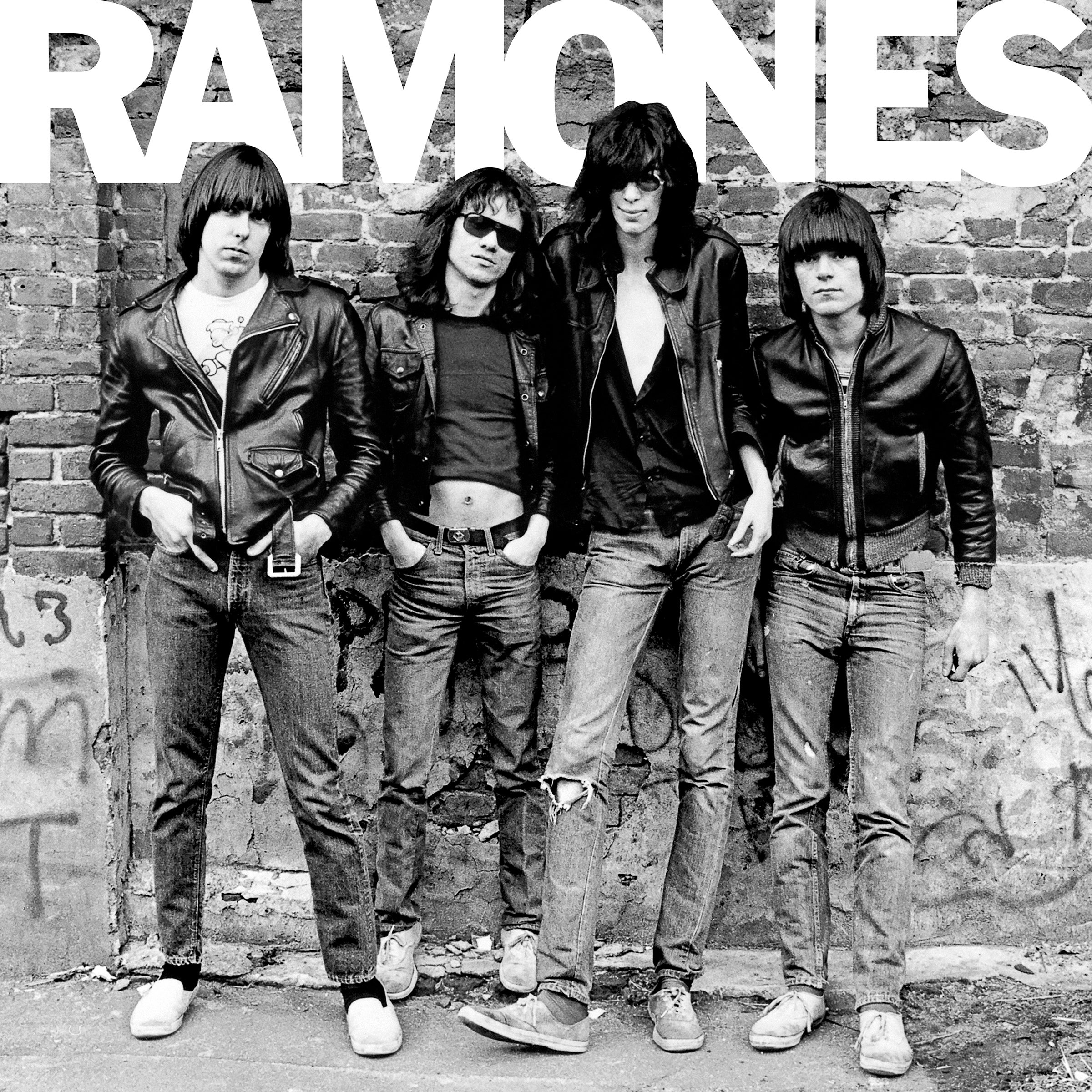
A few months after the album was released, the Ramones travelled to London to play at Camden venues the Roundhouse and Dingwalls. These seminal shows, attended by members of the Sex Pistols and The Clash as well as hundreds of fans, are now seen as the spark that ignited the punk movement in the United Kingdom.
Fields remembers watching The Clash bassist Paul Simonon backstage nervously asking the Ramones: “What’s your magic trick? How did you get people lined up down the sidewalk? We keep practicing and we’re getting better!” Johnny replied: “You’ve never heard us live, right? We’re s***! We can’t play! We just keep it fast and loud.”
They had more influence than many people who got a gold record in their first week
Fields laughs at the memory. “He omits that they did have great tunes!” he continues. “You could sing them in the shower. You could sing them at each other. You could sing them to yourself. But the point was, get out there and do it! Who cares if you’re better at playing? No-one’s going to know if you can play a B-chord instead of an F or whatever. Stop it! Just go out and play loud! That’s what they want. They’re kids, and they want a reason not to go home. Give them a good reason, something that brings them together in happiness.”
When Bayley heard the story about Johnny’s message to Simonon, she immediately connected it to her own journey as a photographer. “That’s how I felt about photography,” she says. “If I’d waited for someone to teach me, I’d never have done anything. I just bought a camera. Punk is that DIY thing.”
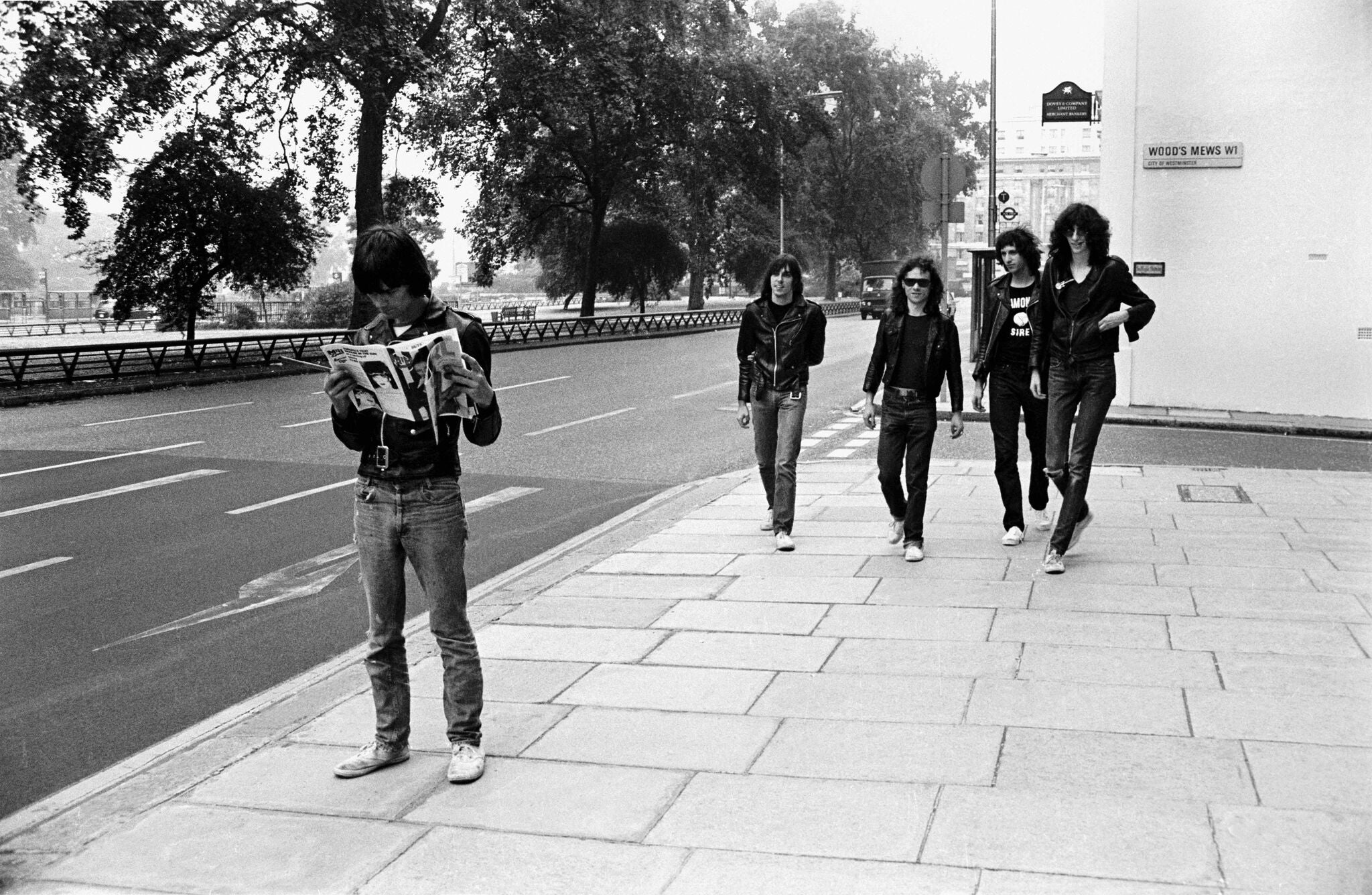
It’s tragic, she says, that the Ramones never got the hit single they dreamed about. They were all dead before Ramones even went gold. “It took 40 years for them to get a gold record,” she points out. “That’s a sad statement, but they had more influence than many people who got a gold record in their first week. They knew their place in history. I think they were well aware that they left their mark.”
They were fast and melodic, and they had a revolutionary purity
“They changed music,” says Fields. “They were fast and melodic, and they had a revolutionary purity. What’s that Plato quote? ‘When the mode of the music changes, the walls of the city shake.’ That was them from the beginning.”
In the end, the Ramones’ legacy isn’t how many records they sold but the impact they had. They gave kids all over the world permission to pick up instruments and make a righteous sound. Forget three chords and the truth: the Ramones only needed two.
Jay McInerney: My Gen X characters are older, but affairs are still part of life
Wu-Tang Clan and Queen Latifah lead Rock and Roll Hall of Fame US inductees
I knew Michael Jackson – this biopic was always going to pull relevant punches
The 11 best UK music festivals for summer 2026
Why Duffy’s Disney documentary could be the most powerful comeback of 2026