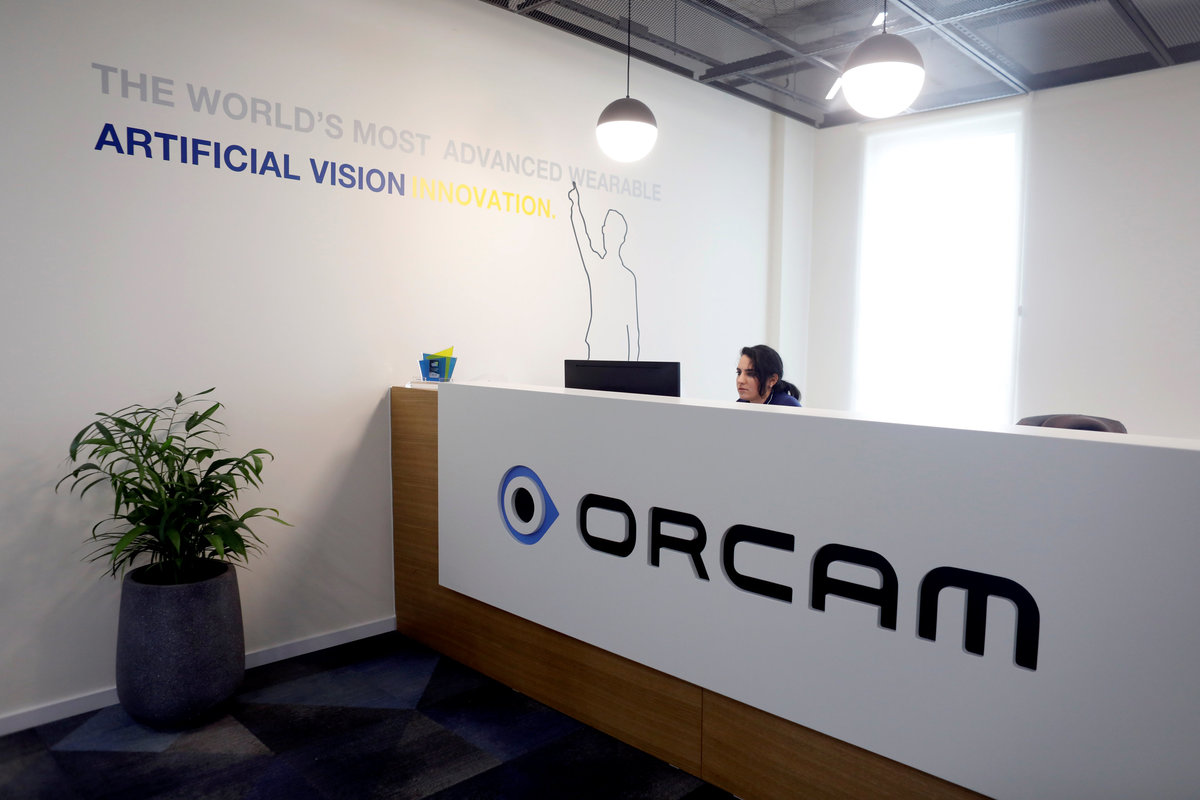
JERUSALEM (Reuters) - Israel's OrCam, which has developed a visual aid for the blind, has completed a funding round that values the company at $1 billion, putting it on track for a planned initial public offering (IPO), its chief executive said on Tuesday.
The company raised $30.4 million by selling an approximate 3 percent stake to investors including Israel's Clal Insurance <CLIS.TA> and Meitav Dash <MTDS.TA>. That brought the total amount OrCam has raised from investors so far to $130.4 million.
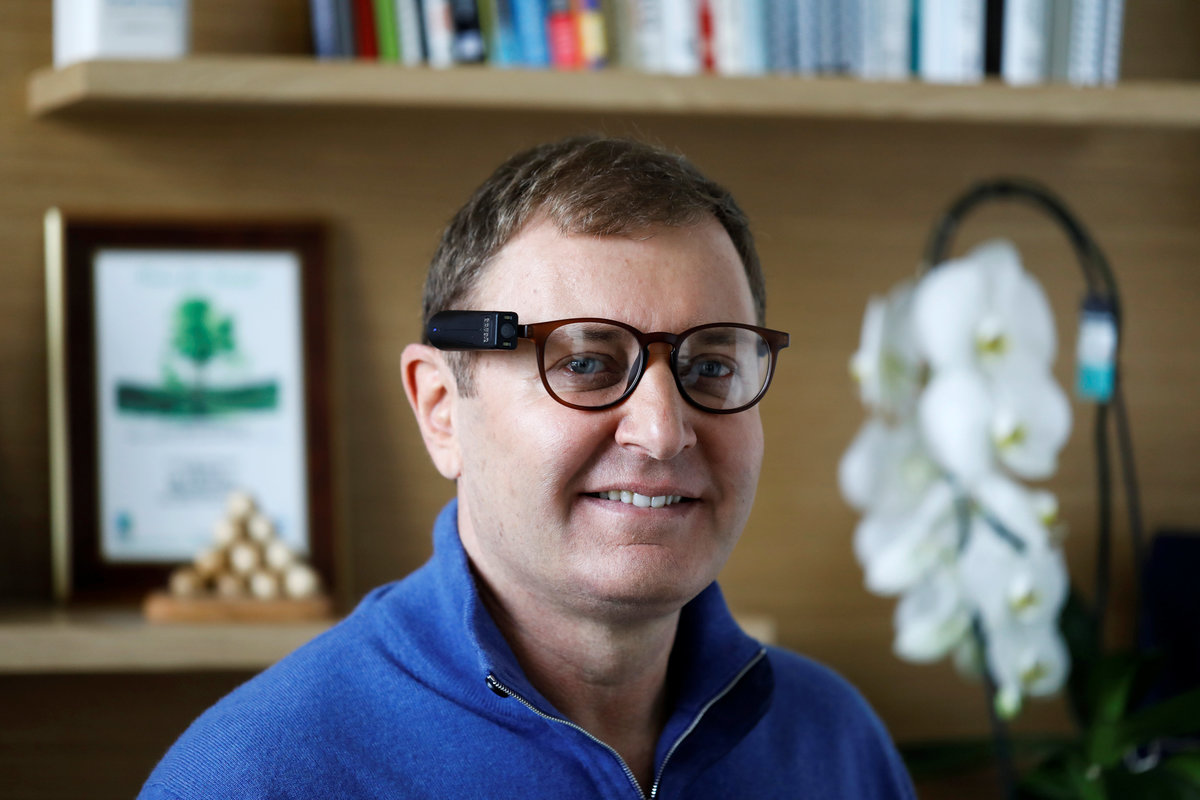
"We have sufficient reserves of money to finish our development, but part of our investment rounds is also preparing the company for the next phase, which is IPO," Ziv Aviram said.
In about a year, he said, the company would look to raise an additional $100 million from larger, global funds before going public on a U.S. exchange. He is hoping the company will be valued at $1.5-$2 billion when it lists.
The latest fundraising coincided with the launch of a new version of OrCam's product - a wireless smartcamera that attaches to the side of spectacle frames. The device reads texts, supermarket barcodes and recognizes faces while speaking the information into the user's ear.
Aviram said he saw OrCam's growth surpassing that of the previous company he co-founded - autonomous vehicle technology provider Mobileye, which was bought last year by Intel <INTC.O> for $15 billion.
"I think the potential for OrCam is even bigger than Mobileye," he said from his office in a high-tech neighborhood of Jerusalem, down the street from where Mobileye's expanded complex is being built. "This technology is endless. We just started to understand the tip of the iceberg of what can be done."
That means expanding the customer base beyond the blind or partially-sighted to those suffering from dyslexia or who get fatigued while reading. Aviram even sees the device evolving into a sort of artificial intelligence personal assistant.
Next year's forecast is a bit more modest.
After revenue of $10 million in 2017, Aviram expect sales to jump to $20-$30 million in the coming year and for the company to become profitable in 2019.
(Editing by Mark Potter)