EIN GEDI, Israel (Reuters) - The eyes of a predator prowling through the Judean desert are easily seen in the park ranger's spotlight from 100 meters (yards) away.
Normally this would mean a smaller animal, a fox or the occasional coyote, is after a midnight snack.
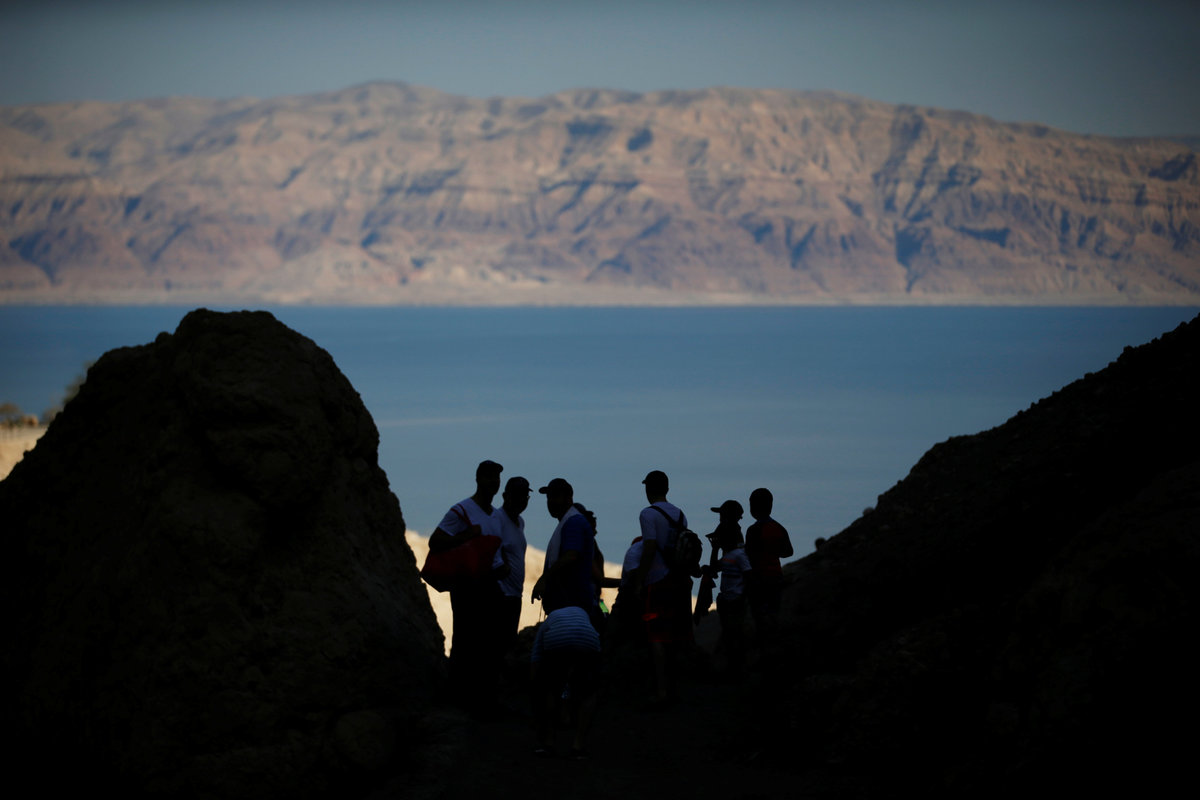
But since the start of summer, when the natural order got thrown slightly out of whack, there is a decent chance that the beady eyes staring back from the darkness belong to a wolf.
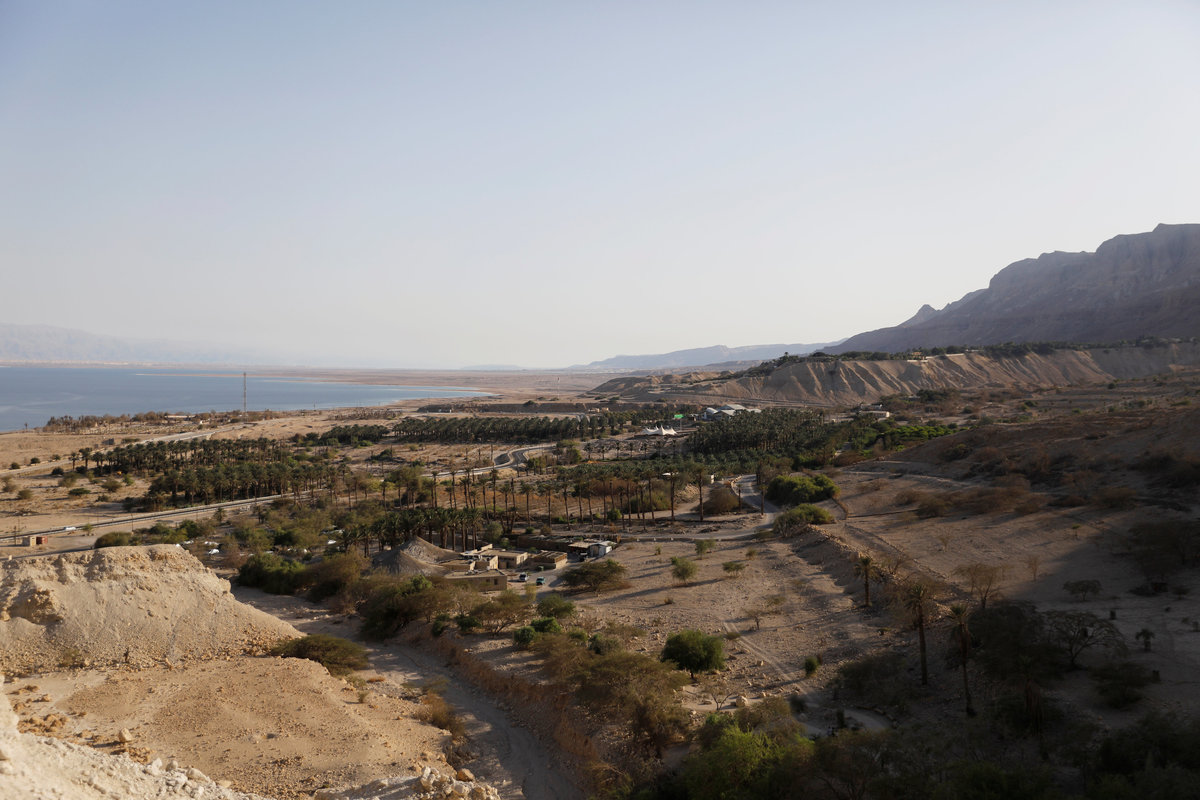
A spike in close encounters between people and wolves along a highly-visited section of the Dead Sea's shoreline has caused alarm in Israel, with wildlife authorities stepping up efforts to protect tourists and locals.
"It was dark already. My little daughter took like five steps away from the tent ... And suddenly I hear like screaming, hysterically, from her," said Shilhav Ben David, who went camping in the area with her year-old daughter in May.
"I see her on the ground and this animal, wolf, was on top of her."
She rescued her daughter, who came away with mild bite marks and scratches. Since May there have been as many as 10 encounters - some violent, though never fatal.
About 20 wolves are believed to live in the 20 km (12 mile) strip of desert between two popular tourist spots -- Masada, the clifftop palace where Jewish rebels made a last stand against Roman legionnaires, and the oasis Ein Gedi.
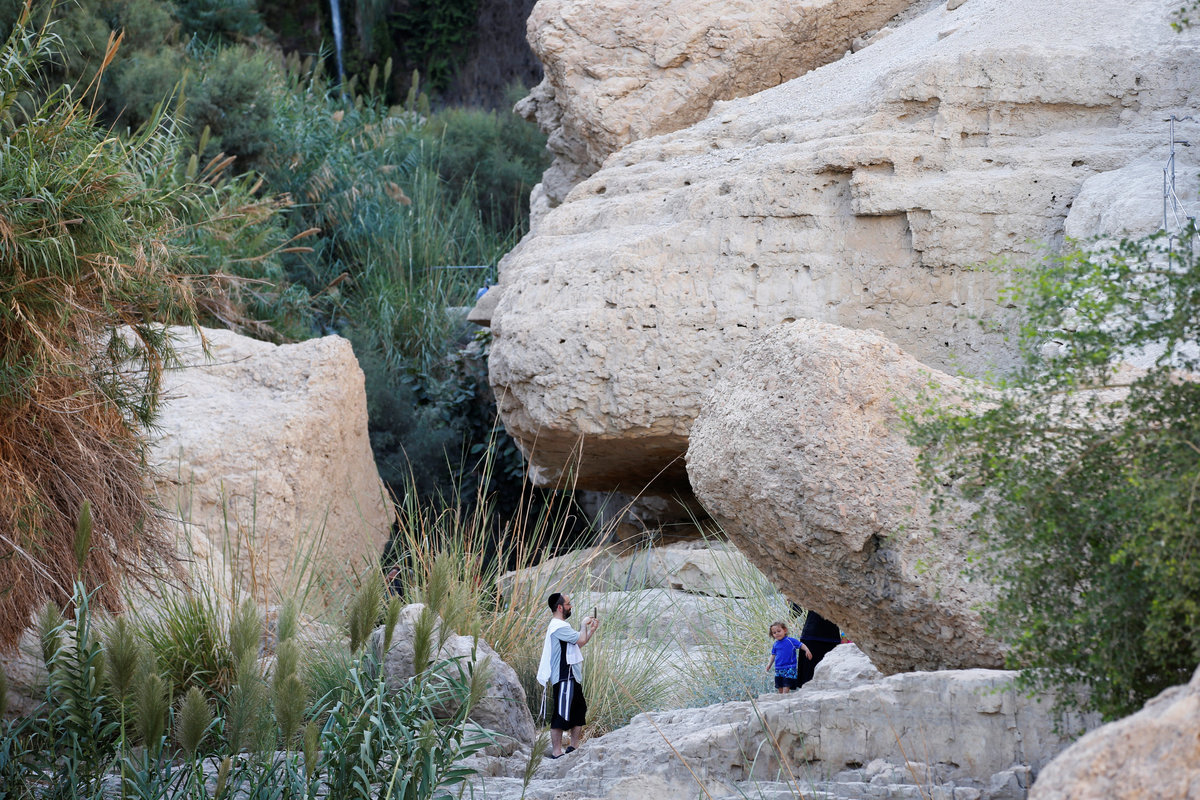
Most of the pack keep to themselves but a few seem to have lost any fear of humans, which can lead to risky behavior, said David Greenbaum, manager of Ein Gedi nature reserve.
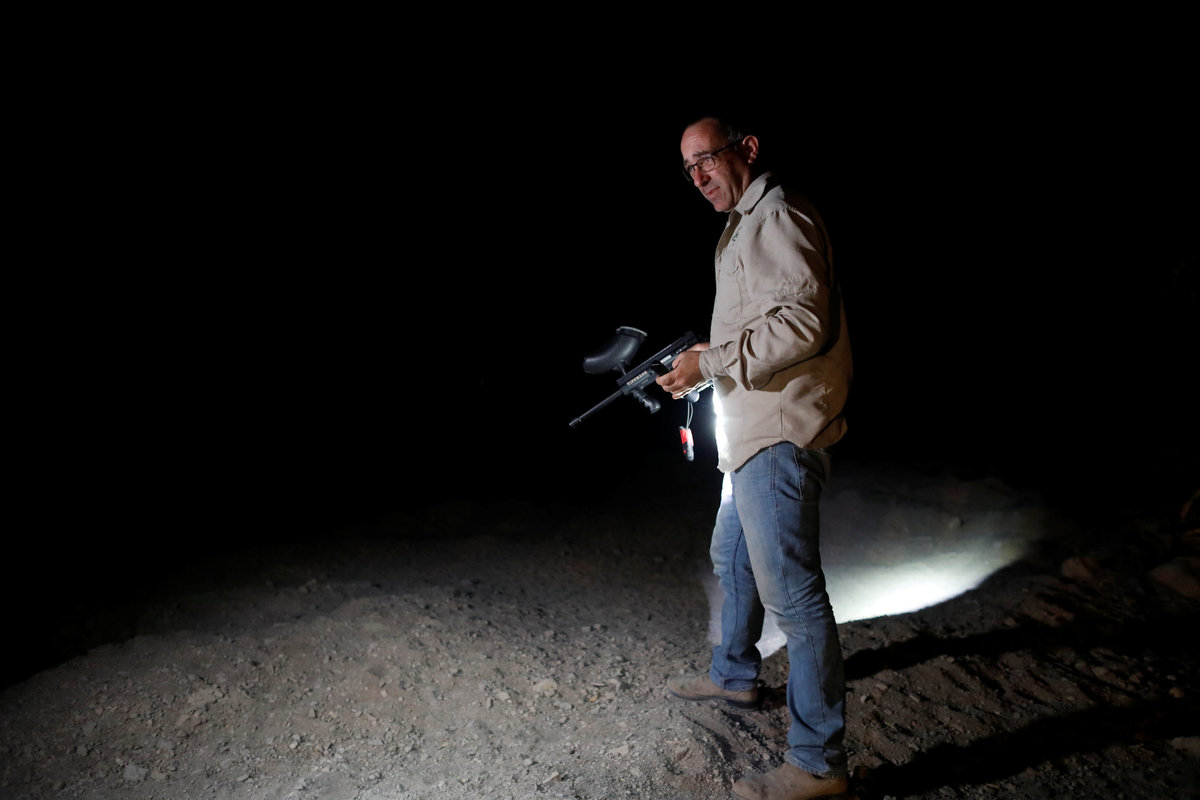
"We discovered there were people feeding the wolves," said Greenbaum, armed with a paintball rifle, during a now-routine late-night patrol near the desert's populated areas.
There have been calls among locals to simply eradicate the wolf population, but Greenbaum and his team have taken a more measured approach. They set traps where wolves have been spotted. When he comes upon a predator near campgrounds or communities he fires pepper powder pellets that sting.
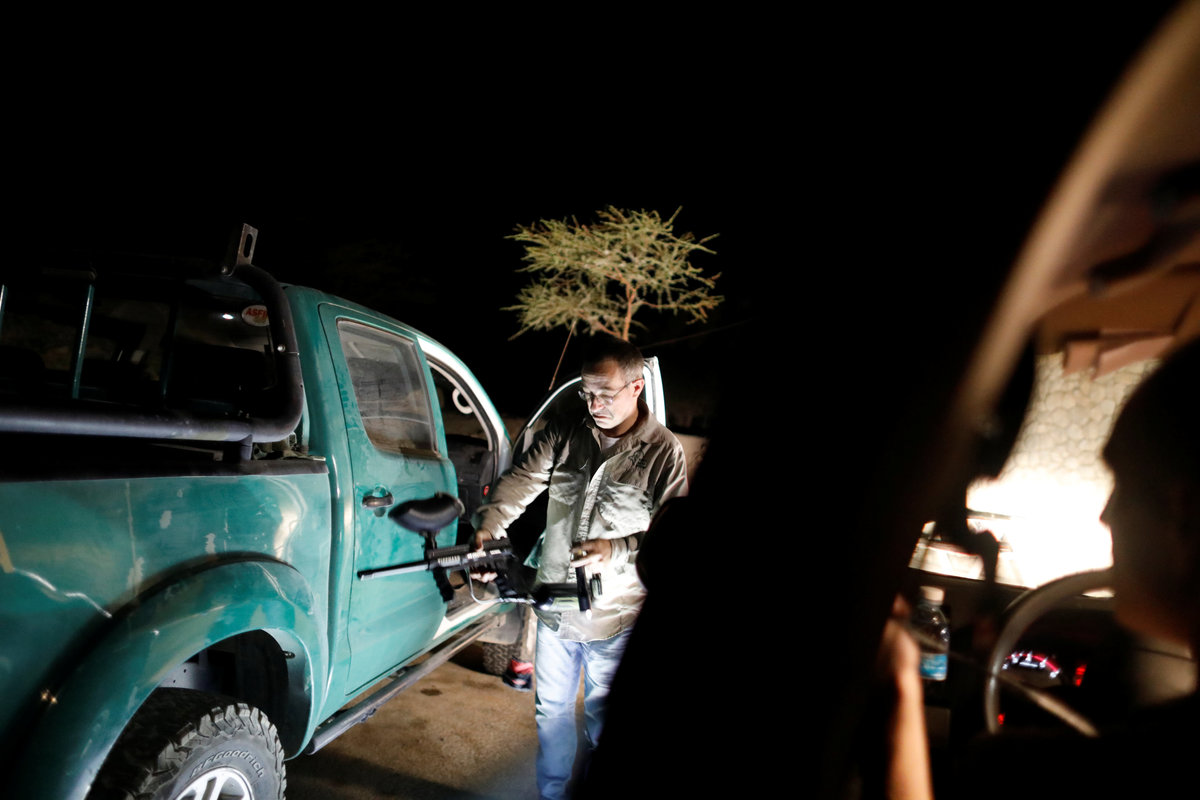
The idea, he said, is to "re-instill fear".
Two wolves have been caught so far. One will be released to a more remote area, wearing a GPS transmitter. The second, according to Greenbaum, had to be put down.
With persistence they hope to end to the surge of attacks, but it may take broader efforts to prevent the cycle from repeating.
"The big predators here have to be monitored for a few years," said Haim Berger, a behavioral ecologist who leads safari tours in the area. "There should be research that goes for (a while) in parallel to the wildlife management."
(Editing by Robin Pomeroy)