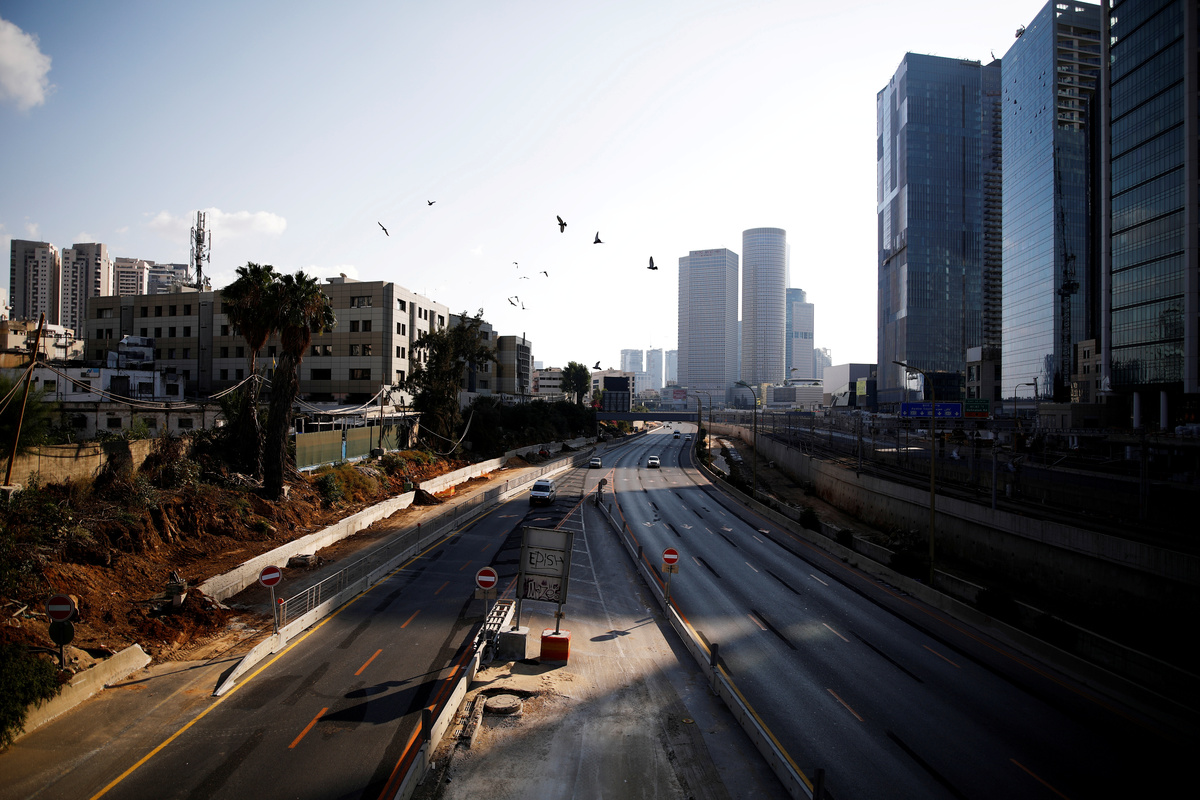
Israel tightened COVID-19 lockdown measures on Friday and critics accused Prime Minister Benjamin Netanyahu of trying to curb protests against his handling of the health and economic crises.
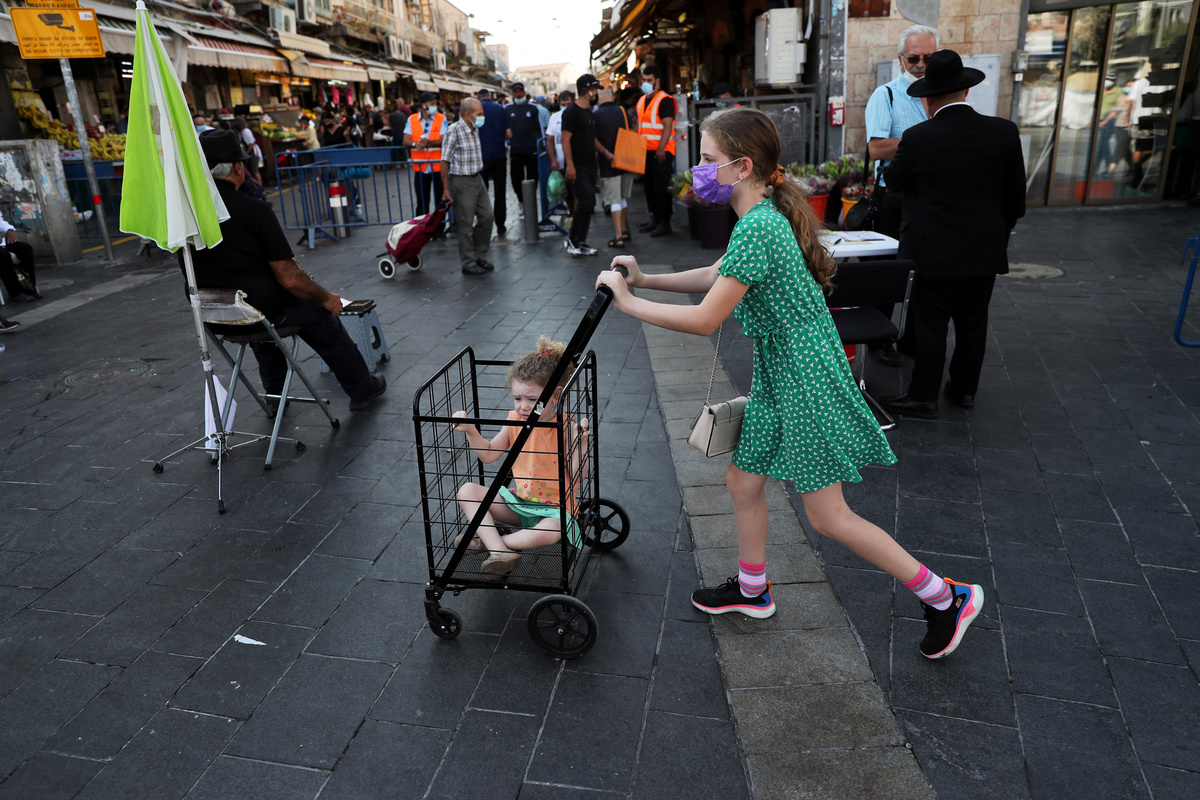
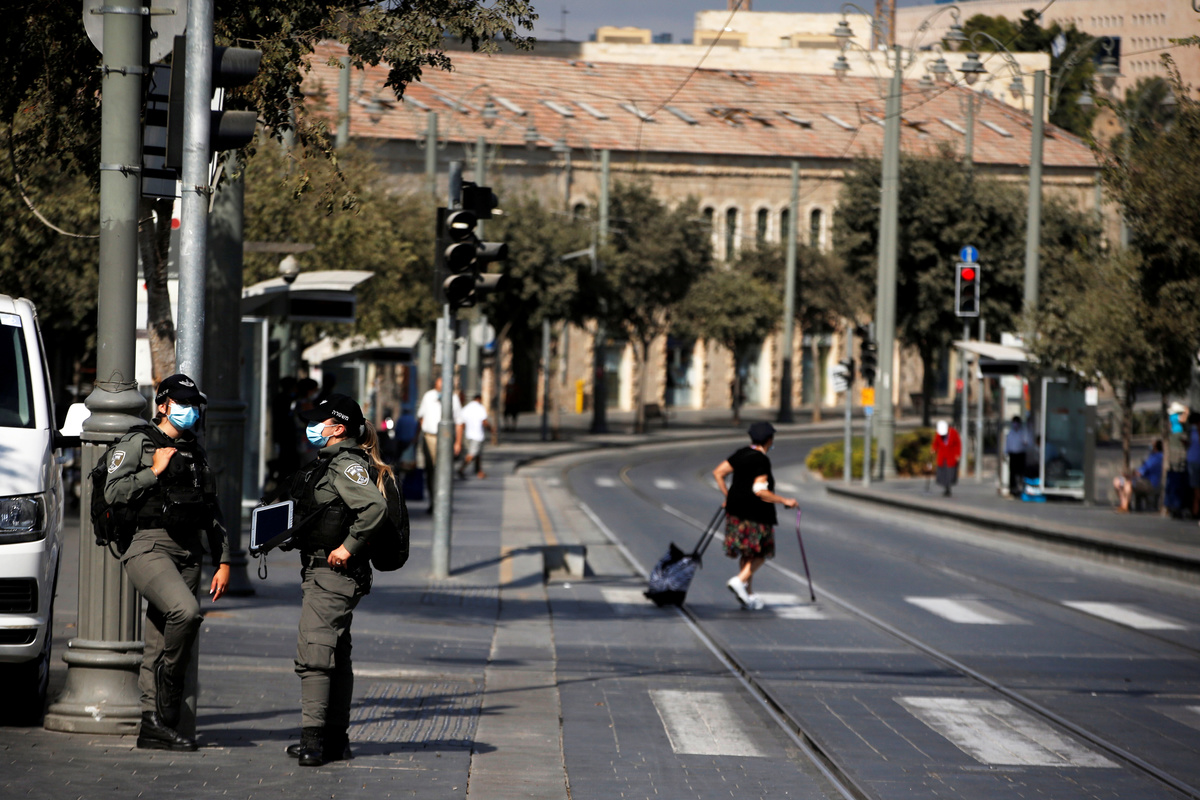
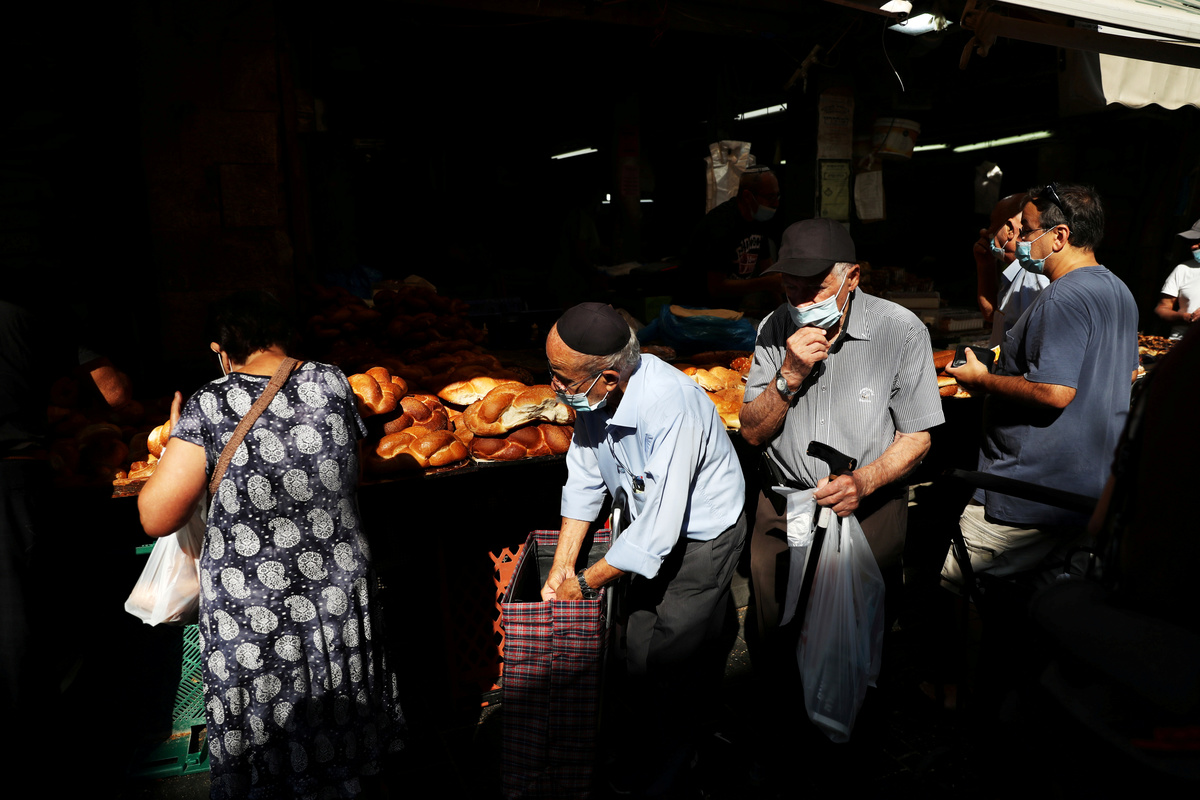
Netanyahu's government decided on Thursday to tighten a three-week lockdown imposed on Sept. 18, forcing Israelis to stay mostly at home, shutting down most businesses and curbing group prayers during the Jewish high-holiday season.
The measures had also sought to restrict protests by citizens to within 1 km (0.6 miles) of their homes, which would have effectively halted protests outside Netanyahu's residence over his handling of the economy, the pandemic and over corruption allegations. He denies all wrongdoing.
But parliament failed on Friday to agree on that measure before adjourning for the Yom Kippur holiday weekend, meaning protests outside Netanyahu's residence can continue for now.
CABINET RIFT
In an attempt to bypass parliament, Netanyahu's right-wing Likud party earlier said it had proposed for cabinet approval emergency regulations that would "prevent mass demonstrations" until parliament reconvenes on Tuesday.
It was not clear whether Likud's emergency measures would win cabinet assent. Defence Minister Benny Gantz said his Blue and White party "will not allow emergency regulations to be used to prevent demonstrations".
"The decision on a stringent lockdown was designed to stop the spread of the virus, not to block protests," he wrote on Twitter.
Without mentioning the curbs on protests, Netanyahu said the pandemic, which he called a "state of emergency", required difficult decisions.
"Lockdown is not a punishment - it is a rescue, I call on everyone to abide by the rules," Netanyahu wrote on Twitter.
The Movement for Quality of Government, a civil liberties group and critic of Netanyahu's government, said: "Despite the tightening of the lockdown, we will continue to protest in accordance with the law and with approval from Israel's police."
Separately, more than 25,000 Israelis subscribed for a "virtual" protest to be held over Facebook Live on Saturday. Other protesters said they planned to organise a car convoy to Netanyahu's residence in Jerusalem, Israeli media reported.
A survey published by the non-partisan Israel Democracy Institute on Wednesday showed only 27% of Israelis trust Netanyahu’s handling of the coronavirus crisis.
Israel imposed its first lockdown to counter the spread of COVID-19 in late March and relaxed it in May as new cases tapered off. But infections have surged again in recent weeks, reaching a record daily high of more than 8,000 in data released on Friday.
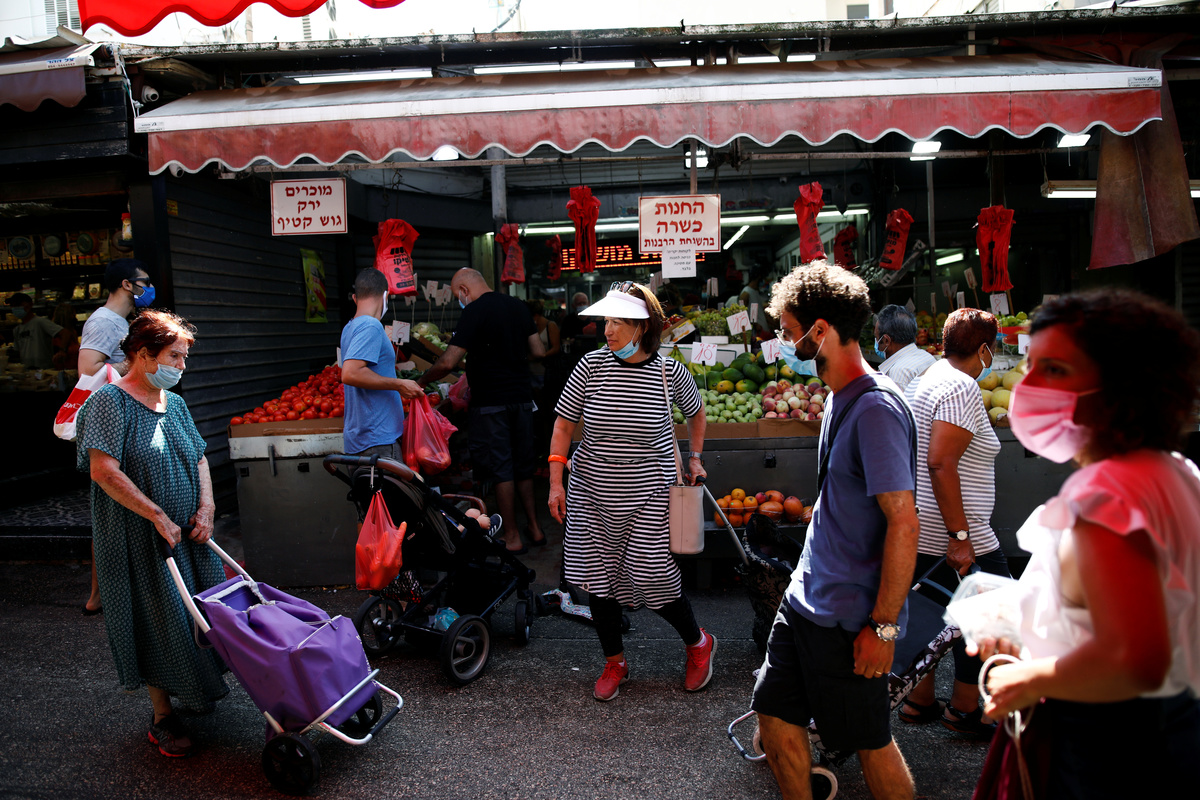
The cost of the entire three-week closure from Sept. 18 is estimated at between 11 and 12 billion shekels ($3.2-$3.5 billion), said finance ministry chief economist Shira Greenberg.
The Bank of Israel said the cost of the tightened portion of the lockdown, to last two weeks from Sept. 25, would be around 10 billion shekels. Any additional week of closure thereafter would cost the economy around 9 billion shekels, it said.
(Additional reporting by Steven Scheer; Editing by Janet Lawrence)
.jpg?w=600)