Israel's strategy of eliminating senior Iranian leaders through airstrikes, aimed at toppling the Islamic Republic, is facing scrutiny. Past experience suggests such tactics have inherent limits and can, at times, backfire.
Previous operations, including the killing of Hezbollah leader Hassan Nasrallah, did not stop the group from firing rockets. Similarly, taking out Hamas’s top brass has not disarmed the group, which still controls half of Gaza.
While targeted killing, rarely employed against states, offers leaders tangible achievements to brand as victories in wars without clear endgames, it rarely addresses underlying grievances. Jon Alterman, chair of Global Security and Geostrategy at the Center for Strategic and International Studies, noted its impact "often fades over time."
He noted that Iran's government and military are made up of several overlapping institutions that have so far survived waves of punishing U.S. and Israeli strikes. “Even dictators need to rely on entire networks that support them,” he said.
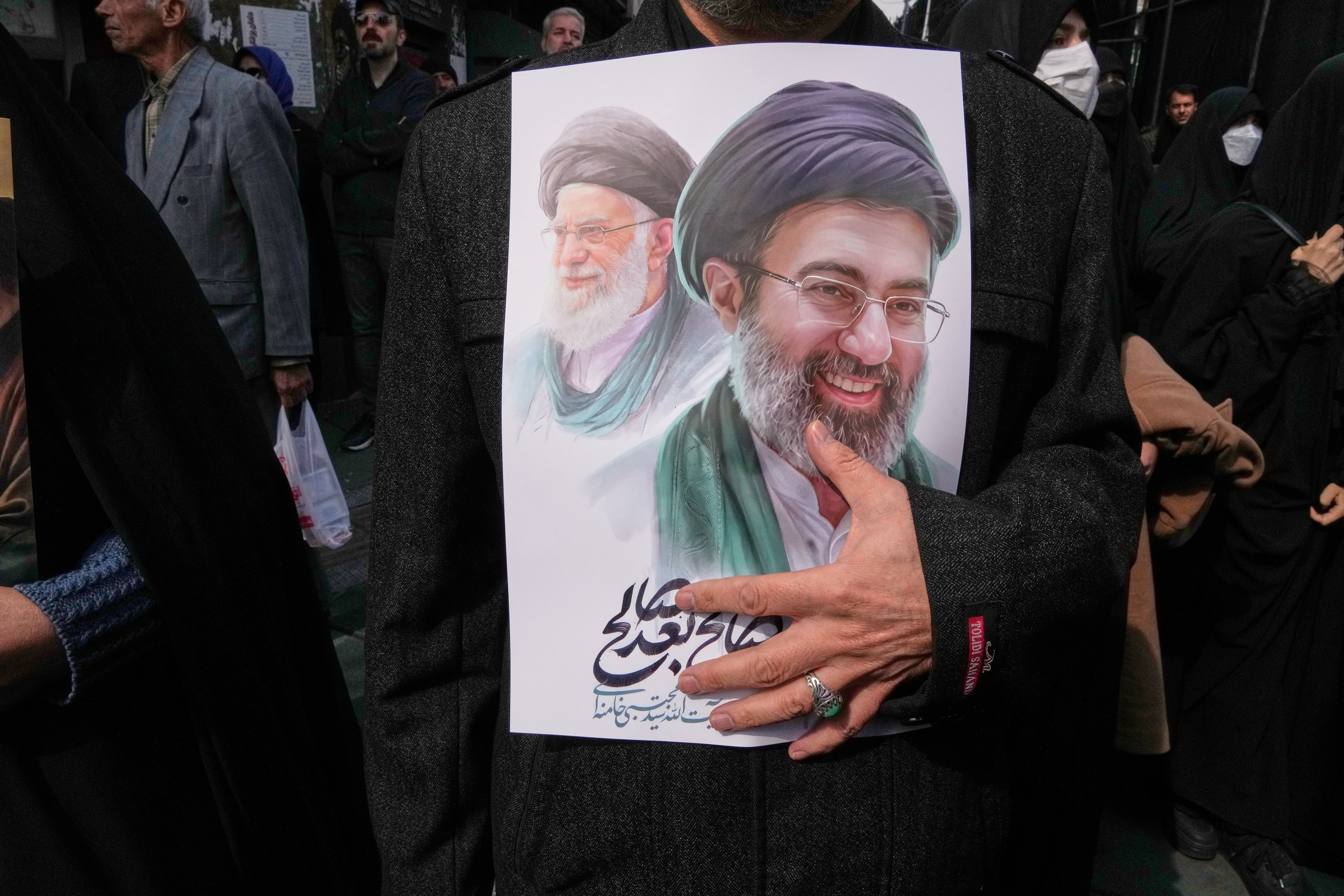
Iran’s Supreme Leader Ayatollah Ali Khamenei was killed in the opening salvo of the war. He has been replaced by his son, Mojtaba, who is seen as even less compromising. Iran’s Revolutionary Guard has continued to fire waves of missiles at Israel and neighboring Gulf states — and effectively choke off the Strait of Hormuz — after top commanders have been killed or driven underground.
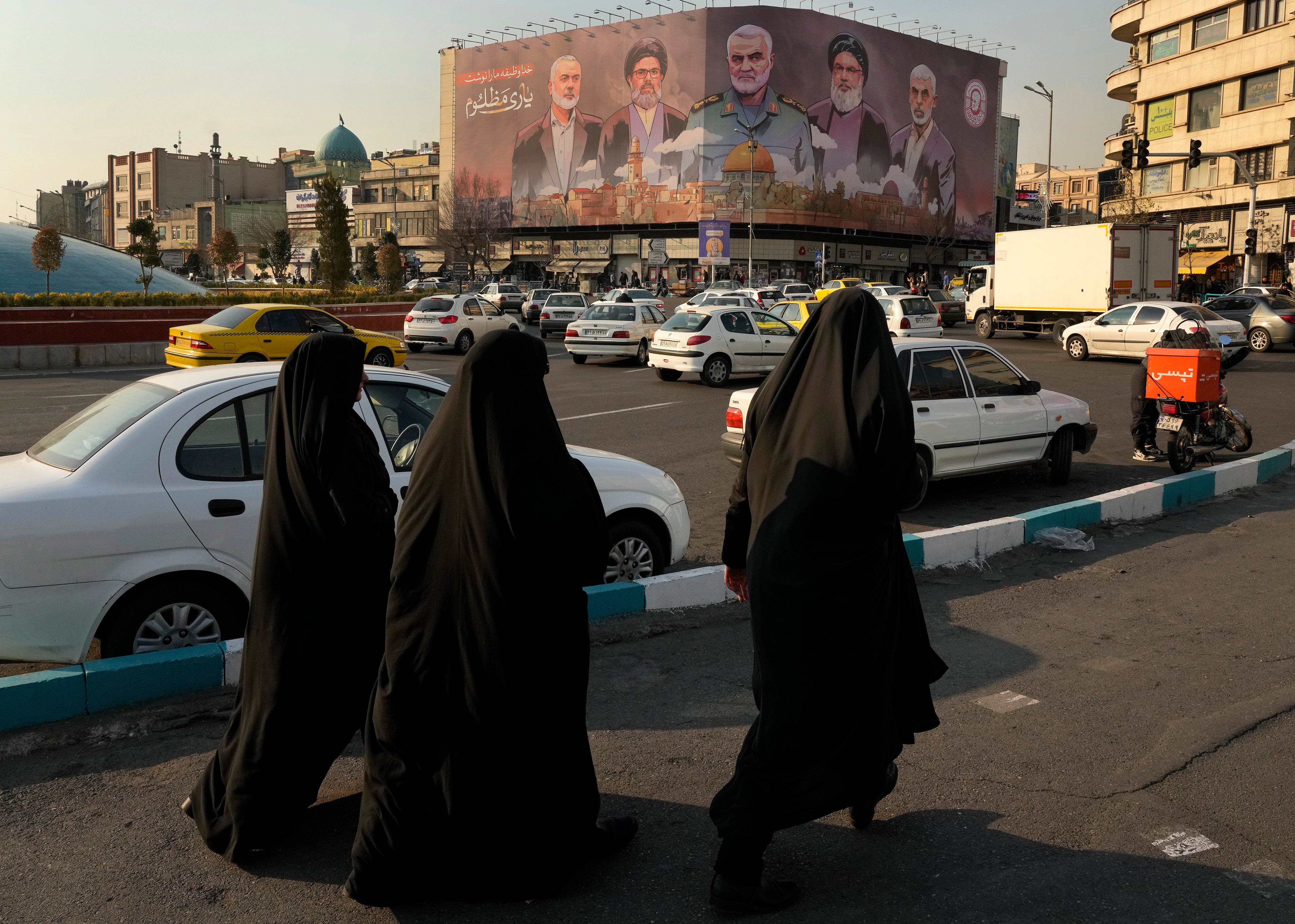
Israel has carried out dozens of targeted killings throughout its history, but Palestinian and Lebanese militant groups have often endured and grown even more powerful after the loss of top leaders.
Take Hezbollah, for example. An Israeli airstrike killed its then-leader Abbas Musawi in southern Lebanon in 1992. Under Nasrallah, his charismatic replacement, Hezbollah grew into the region's most powerful armed group and fought Israel to a bloody stalemate in 2006.
Nasrallah and nearly all of his deputies were killed in the 2024 war between Israel and Hezbollah. The Iran-backed group suffered other major losses that year, but resumed missile and drone attacks on Israel days after the start of the current war.
Hamas has lost one leader after another. Israel killed its founder and spiritual leader, Sheikh Ahmed Yassin, in a 2004 airstrike. Nearly all the architects of the group's Oct. 7, 2023, attack on Israel have since been killed.
Both groups have pressed on, fueled by the decades-old grievances stemming from the Israeli-Palestinian conflict.
The United States has also resorted to targeted killings against al-Qaida and the Islamic State group, taking out Osama bin Laden in a 2011 raid in Pakistan and IS founder Abu Bakr al-Baghdadi in 2019. Both groups have been vastly diminished, but only after yearslong wars involving ground forces.
Israeli Prime Minister Benjamin Netanyahu says the killing of Iran’s leaders is aimed at weakening the government so that Iranians can rise up and overthrow it, ideally replacing it with a friendly government in the mold of the pro-Western monarchy overthrown in 1979.
There’s been no sign of such an uprising since the war began, after Iranian authorities crushed mass protests in January.
U.S. President Donald Trump has at times suggested the war is aimed at elevating a more moderate leader from within Iran’s government, but the end result could be a more radical one — or outright chaos if the state implodes.
In the modern era, it's rare for one nation to assassinate leaders of another.
Congo’s Prime Minister Patrice Lumumba was overthrown and killed in 1961 in a plot backed by the CIA and Belgium. The African country went on to experience decades of authoritarian rule, civil war and instability.
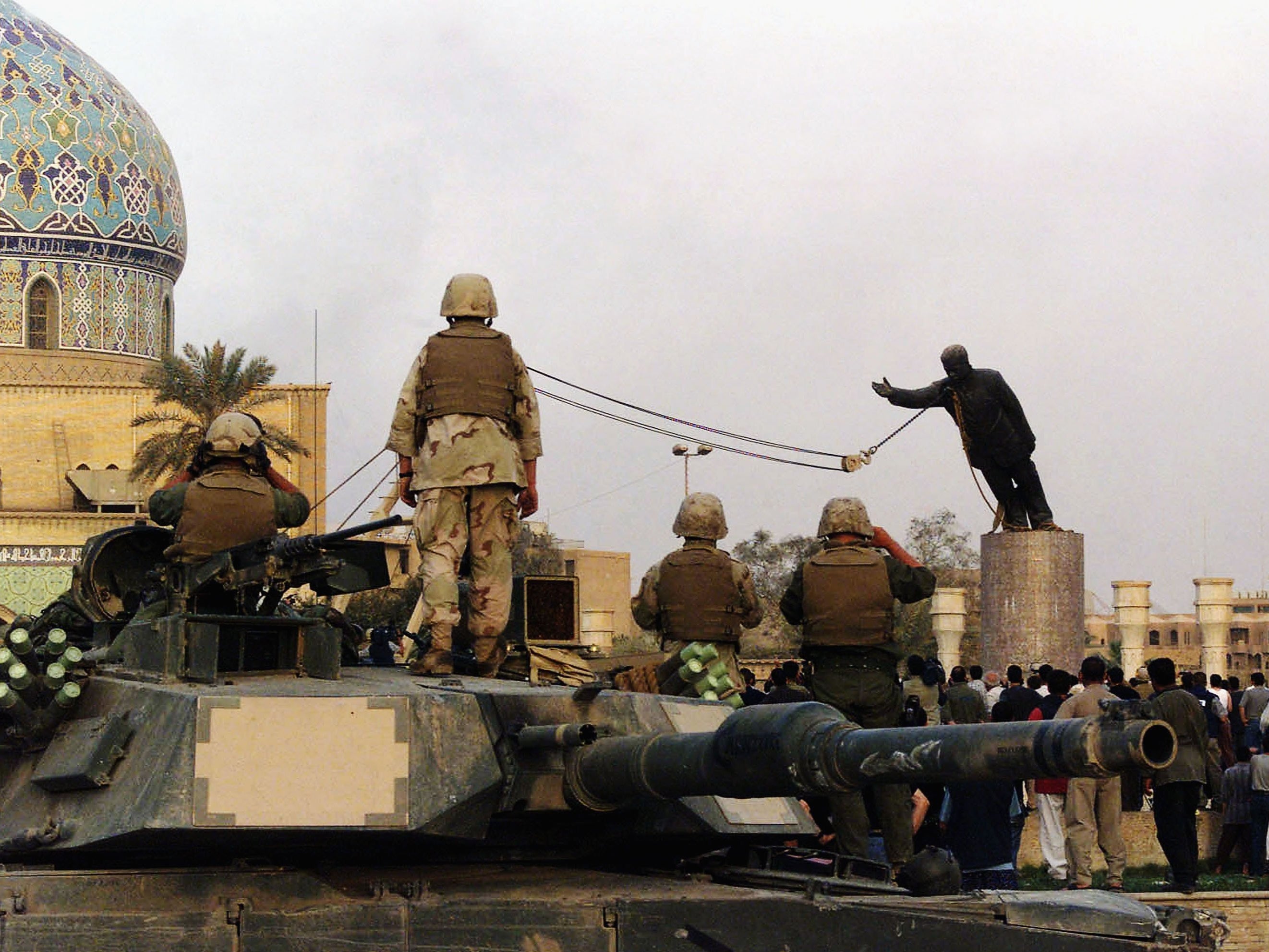
NATO’s 2011 intervention in Libya paved the way for rebels to capture and kill longtime dictator Moammar Gadhafi. After more than a decade of fighting and instability, that country is still divided. Iraq was plunged into similar chaos when the 2003 U.S.-led invasion dismantled Saddam Hussein’s government and led to his detention and eventual hanging.
Yossi Kuperwasser, the former head of Israel’s military intelligence research division, said targeted killings can be an effective tool but are not a “cure for all problems.”
“These operations by themselves don’t dramatically change the ability of those organizations to cause damage and to carry out attacks,” he said. “But it’s important for Israel to weaken its enemies.”
In Gaza, Lebanon and now Iran, he noted, Israel has taken out dozens of figures, reshaping the leadership structure in lasting ways. In Iran, “maybe there’s not ‘regime change’ yet, but there is ‘change in regime.’ The people are not the same people,” he said.
A senior Israeli intelligence official told The Associated Press that Israel’s decapitation strikes in Iran had degraded political leaders’ ability to issue orders to the military, form policy and make decisions. The official spoke on condition of anonymity to discuss classified assessments.
But killing leaders can also backfire, radicalizing followers, elevating more extreme successors or turning slain leaders into martyrs with enduring influence.
Northeastern University political scientist Max Abrahms said data from Afghanistan, Pakistan, Israel and the Palestinian territories shows violence against civilians spikes after targeted killings.
“Leadership decapitation is risky,” he said. “When you take out a leader that prefers some degree of restraint and had influence over subordinates, then there’s a very good chance that, upon that person’s death, you’re going to see even more extreme tactics.”
Targeted killings can create leadership vacuums and the potential for change, but only when coupled with a coherent political strategy, said Mohanad Hage Ali, deputy director of the Carnegie Middle East Center in Beirut.
“You can decapitate an organization or defeat it militarily, but if you don’t follow through politically, it doesn’t work. And it’s hard to see how this goes much further,” he said.
How fire ripped through Trump’s biggest warship as it sails to Crete for repairs
Ed Miliband calls for fairness in business energy contracts amid Iran crisis
The Strait of Hormuz has been disrupted before. A look at past moments that threatened oil flows
Iran-US war live: Trump threatens to blow up key Iranian gas field after Qatar attack
Pentagon asks White House to approve $200B request to Congress for Iran war: report
Iran missile causes ‘extensive damage’ at Qatar energy hub in retaliatory strike