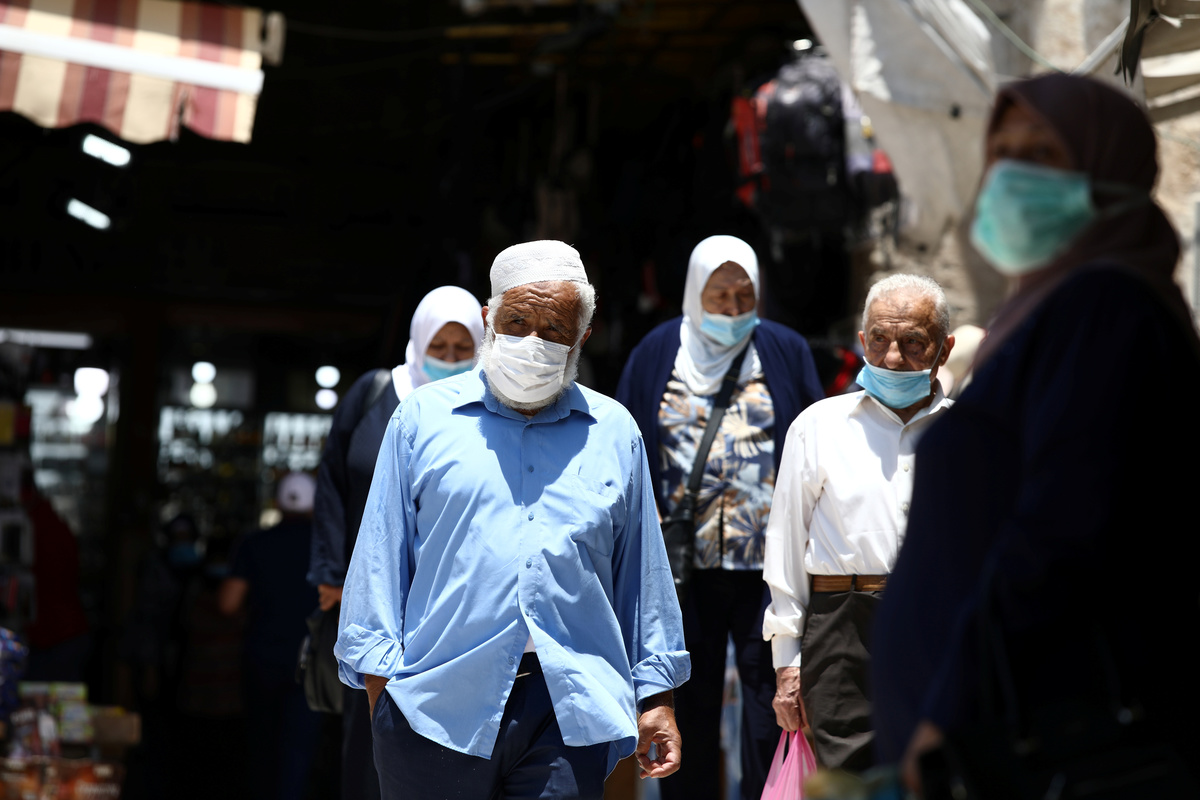
Israel on Monday reimposed a series of restrictions to fight a spike in coronavirus infections, including the immediate closure of bars, gyms and event halls.
In public remarks at a special cabinet session on the health crisis, Prime Minister Benjamin Netanyahu said Israel had to reverse course to avoid a wider lockdown that could paralyse its economy, where unemployment is just above 20%. The Bank of Israel on Monday forecast a 6% economic contraction in 2020. [L8N2ED38M]
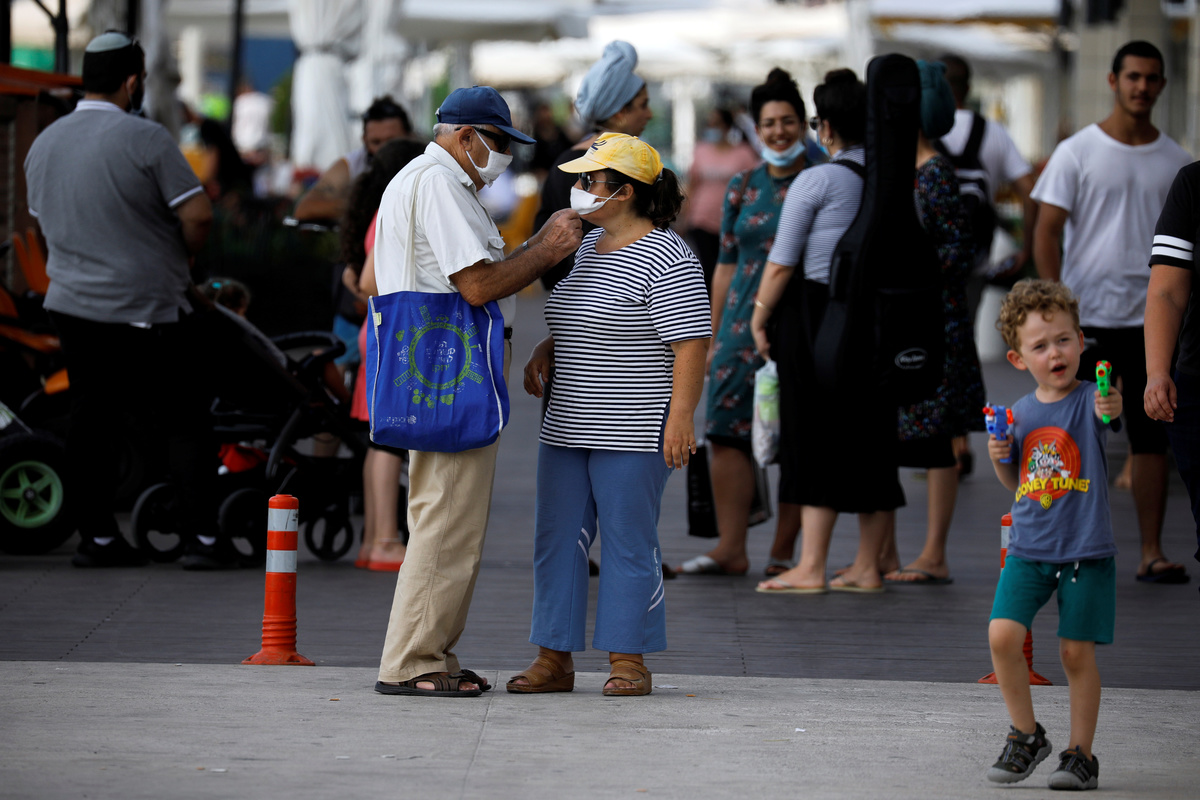
"The pandemic is spreading - that's as clear as day. It is rising steeply daily and it is dragging with it, contrary to what we had been told, a trail of critically ill patients," Netanyahu said.
A government announcement said that in addition to the immediate shuttering of bars, night clubs, gyms, event halls and cultural events, the number of diners in restaurants would be limited to 20 indoors and 30 outdoors.
Attendance at synagogues was capped at 19 worshippers, and buses can carry up to 20 passengers, the statement said.
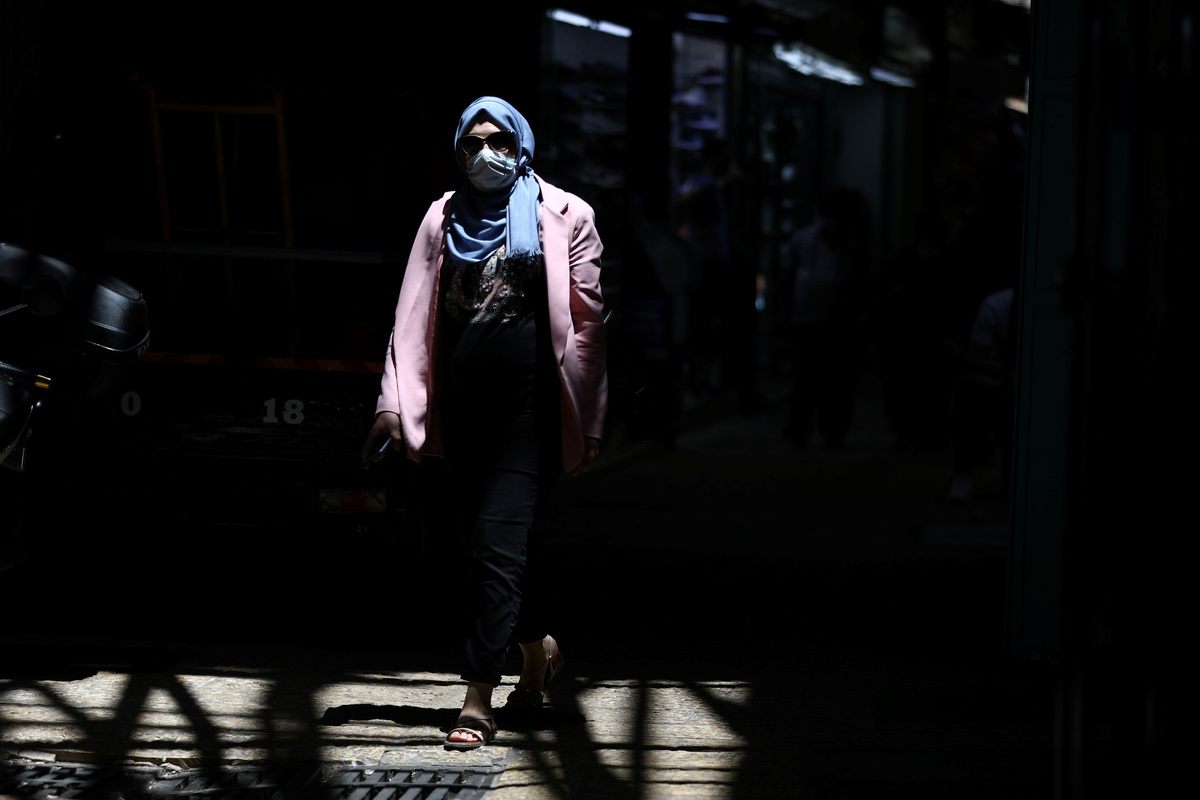
After largely containing the coronavirus in May and reopening schools, beaches and businesses, Israel has been hit by a sharp rise in infections.
Only 37% of Israelis trust the government's handling of the crisis, according to a survey published on Monday by N12 News, against 59% who distrust it.
Epidemiologist Hagai Levine said Israel did not prepare well for the day after lockdown.

"Israel's experience should be a lesson to all countries: You cannot move from one extreme to another, from total lockdown to a quick, sweeping removal of restrictions without proper planning," the professor at the Hebrew University-Hadasdah School of Public Health said.
"We have to act based on data and focus on high-risk populations, epicentres and specific activities in which contagion risk is high. The coronavirus will be with us for a long while. This is a marathon, not a sprint," Levine said.
In Israel, more than 30,000 have tested positive and 332 have died.
Palestinian officials in the occupied West Bank imposed a full lockdown on Friday as cases surged. Nearly 4,300 cases and 16 deaths have been reported in the West Bank, and 72 cases and one death in Gaza.
(Additional reporting by Maayan Lubell and Rami Ayyub; Editing by Giles Elgood and Hugh Lawson)