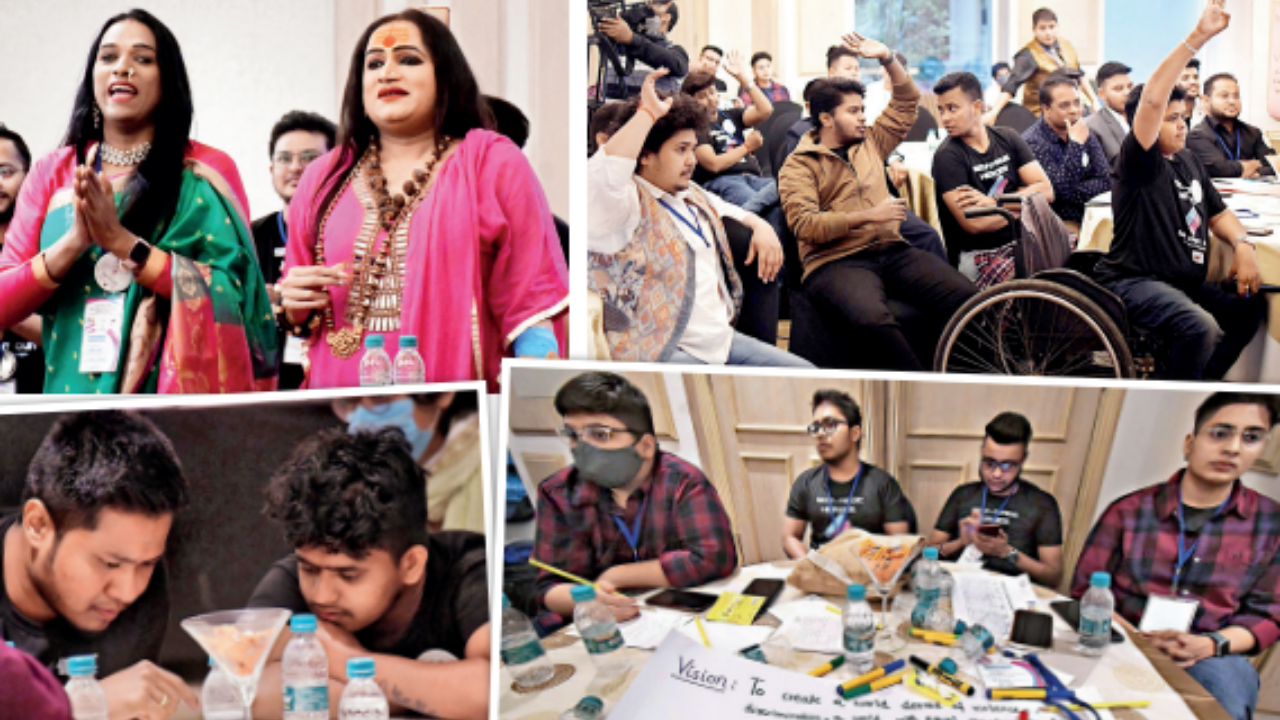
NEW DELHI: “The police refused to register my FIR under ‘transmen’. They said they would either register it under the category of a ‘man’ or ‘woman’. They did not accept any of my documents. I felt the fear of being subjected to transphobia,” said Yuvaan Bag at the first all-India Transmen and Transmasculine Persons Summit held on Sunday to look at the challenges faced by transmen across the country.
Assigned the female gender at birth, transmen in India face invisibility, high amount of gender-based violence from families and discrimination in society.
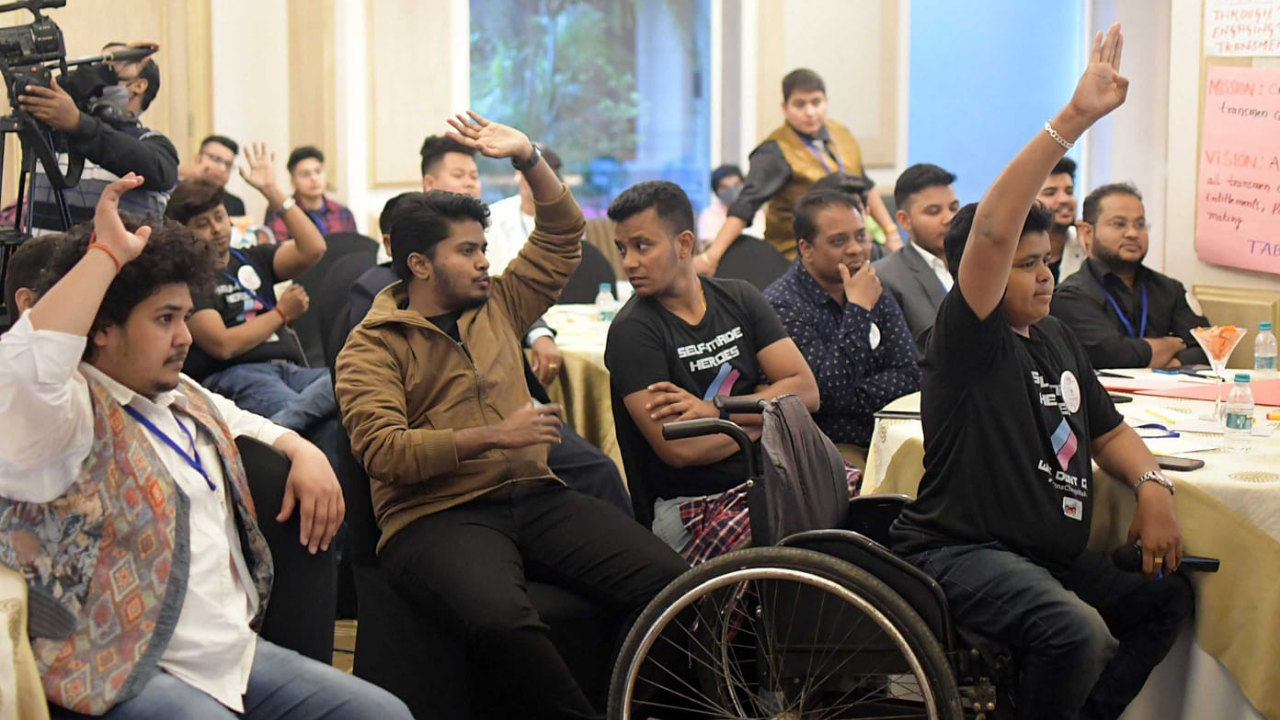
Satvik, manager of TWEET, a foundation working towards empowering transmit leaderships, building transmen networks or organisations and creating essential second-line leadership among young transmen towards sustainable movement in the future, recounted the alleged harassment he faced by a customs officer at the airport to receive his Stand-to-Pee (STP) device for using in a public washroom.
“STPs are not available in India. One has to buy it from abroad, spending at least Rs 35,000 for each device. Without that a transman cannot use public washrooms meant for men in India. I don’t know how many devices I have bought. The customs officials did not let me receive them as they said they were obscene,” said Satvik.
The statement issued by TWEET said the larger focus in the trans movement was on trans women, especially the “Hijra” community. It further said the absence of local terminology or concepts defining or identifying trans masculine identities meant that most transmen had grown up isolated, not possessing the ability to express and deal with physical health, mental health and social issues.
“The misrepresentation and lack of a community historically has led to issues of transmen being invisible and lack of platforms for representation. They don’t get enough representation in solution-building with NGOs or in policy building with the government systems,” stated the organisation.
The discrimination faced by them starts from surgery to getting the “transgender” card, which is their identity card. Sri Chandran, a transman from Hyderabad, said he got a job in a government office under the “female” quota as he had not got his transgender card yet and the laws were not in place then.
When he got his identity card, he approached his office authorities to change his quota to “male”, but they asked for a letter from the Union ministry of social justice and empowerment (MoSJE). “I have written to the department several times in the past three years, but have got no reply,” said Chandran.
Radhika Chakravarthy, joint secretary of social defence division, MoSJE, one of the panelists at the summit, told Chandran he didn’t need a letter from the department to change his job status.
“Sensitisation of people across various sectors is the most important part of the movement. Anything that is not a matter of right becomes a request. Each one of us needs to know the laws and follow them. The community faces a huge challenge and has to undergo shaming and harassment just to assert their identity. This needs to change,” said Chakravarthy.
She added that the ministry was taking steps in sensitising everyone so that the community could assert their identity and become a part of the society fully.
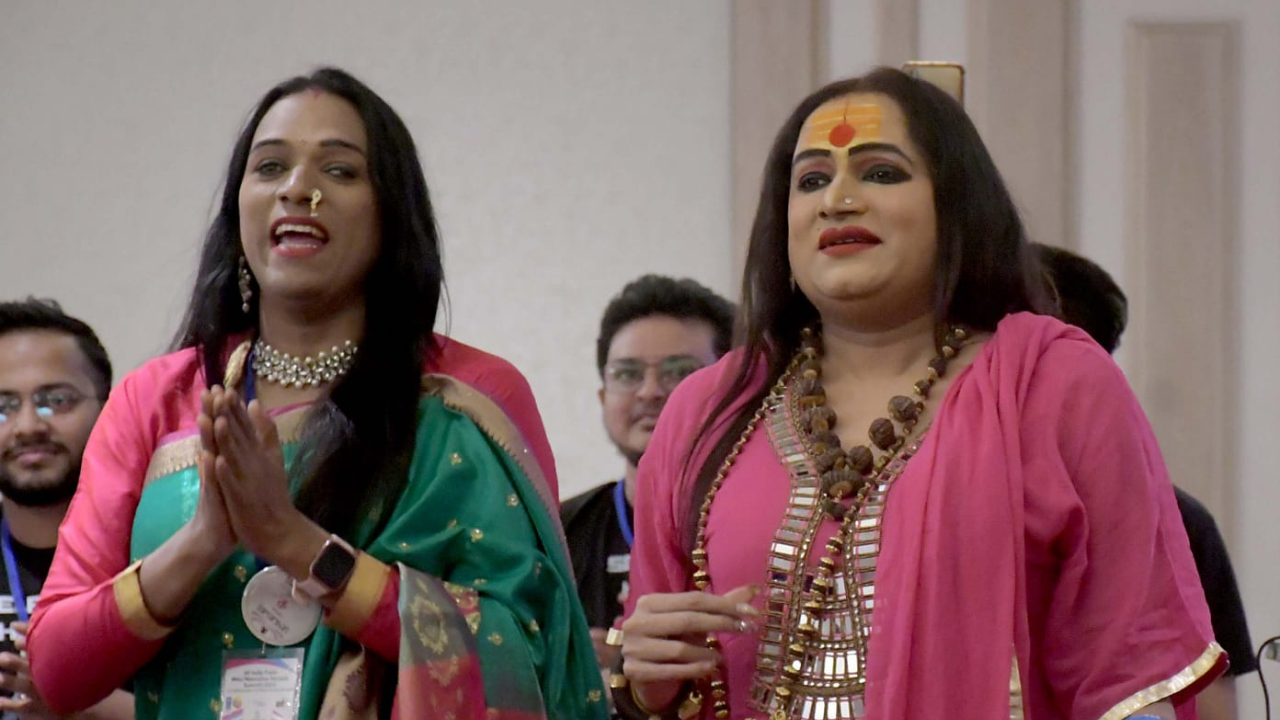
Laxmi Narayan Tripathi, a transgender rights activist, reiterated Chakravarthy’s views saying it was a proud moment that transmen were standing up for themselves and speaking at an event like this.
Shaman Gupta, co-chair of TWEET Foundation said, “TWEET has been a pioneer in building communities and leadership among transmen. We started implementing awareness projects at the city level from 2016. And over the past few years, we have built strong networks across India, and we have seen leaders emerge from various states. It’s time we met on a national level and shared our persistent issues with the government.”
Kiran Nayak, STAR CBO Hyderabad, said “Project Samarthan” helped them on the basics and the right approaches. “If I can sum it in one word, it’s holistic development for transmen, to give the mic and platform this way we will be visible and empowered,” he added.
The summit ended with the launch of a song written by Rushik Thakkar, a transman, about the rights of the community: “Kabhi na ruke the (we did not stop before), kabhi na rukenge (we will never stop), hum apni raah chalte (to go on our path). Ek zariya hai woh mere jeene ka (it’s a way of our life), aao chalte hai girte sambhalte (let’s carry on falling and then picking ourselves up).”