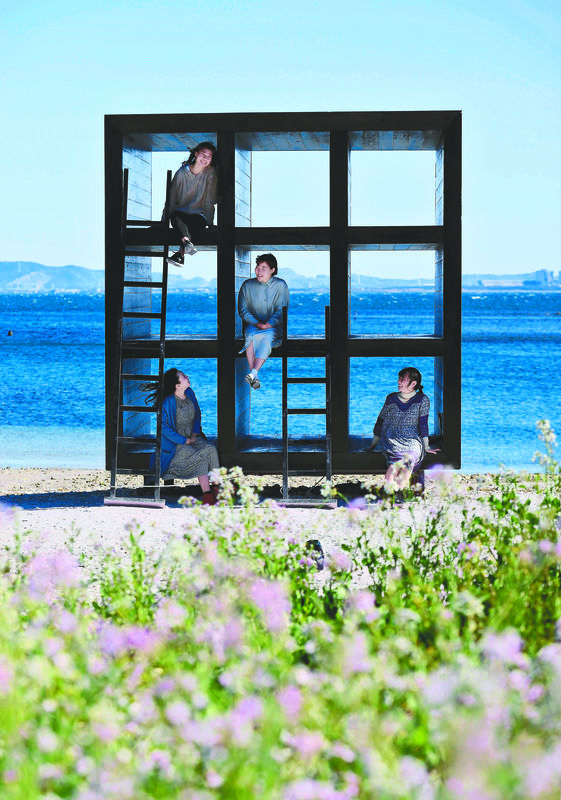
"If you're just looking at it, it's only a box. You can't understand unless you get inside it."
So said Kiyoshi Suzuki, the operator of the Sazanami guesthouse on Sakushima island, which is part of Nishio, Aichi Prefecture.
Located near the center of Mikawa Bay, Sakushima is a small island with a coast that stretches 11 kilometers. What Suzuki calls the box is the "Ohirune Hausu" (Nap house) on the western shore, one of the works of art dotting the island.
I passed through the Kurokabe Shuraku area with its rows of houses with jet-black walls and arrived at the coast. Shining in the morning sun in front of the sea was the black box, with three rows across and three rows up and down creating nine sections. I took advantage of the fact that no one was around and climbed in.
I climbed up a ladder and went into one of the highest sections. Lying down and closing my eyes, I could hear the sound of the waves, the wind and the voices of birds; things that I couldn't hear before.
When I opened my eyes, the sea was framed in a square like a painting, and the breeze that passed through the box felt great.
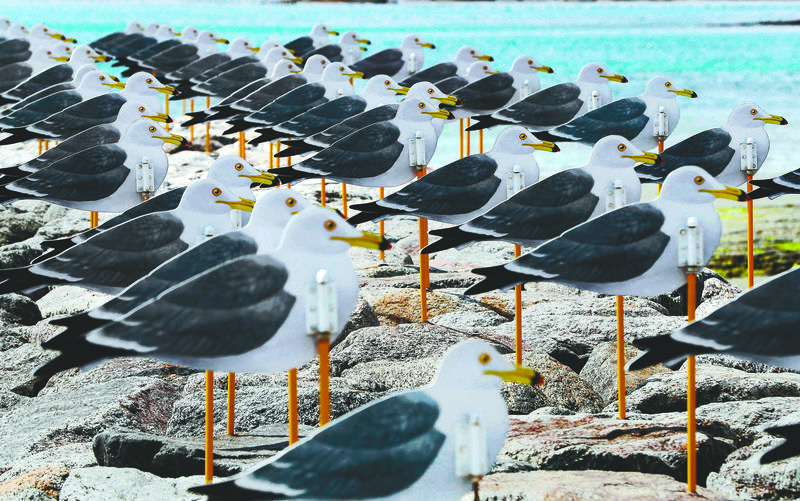
Sakushima began introducing art in 1996 as a way to promote the island.
"I thought, 'If things stay the way they are, the island could disappear,'" said Suzuki, who became chairman of Sakushima's island beautification committee, which was comprised of residents of the island.
During the bubble period, there were plans to build such facilities as golf courses and hotels, but they never come to pass. The population of the island, which was once more than 1,600, dropped to nearly 200.
The central government proposed using art as a promotional measure.
"But the island residents, myself included, didn't know anything about art," Suzuki said.
Unusual performances were artistic but didn't catch on on the island, and residents began leaving the committee. This led Suzuki to make a significant decision -- he replaced the committee's art producer and in 2001, decided on the theme of "the fusion of art and tradition."
Suzuki felt that art should be "played with and enjoyed, rather than just looking at it," he said. "I asked for art that allows people to feel nature, such as the coolness of the shade from the trees and the sound of the waves."
Art was placed throughout the island, and young people began coming to take pictures to post on social media.
Sakushima saw about 36,000 tourists in fiscal 2004, a number that ballooned to more than 100,000 from fiscal 2015 on.
As I was lying in "Ohirune Hausu," the words of a haiku poem came to mind: "Maybe I'll lay down the burdens of the world and take a nap."
Unfortunately, the words are not mine, but are part of a famous haiku by Masaoka Shiki.
I could hear someone's voice in the distance and quickly descended the ladder. Leisurely naps aren't meant to be taken at such a popular spot. But I felt like, for just a moment, that I was able to put down "the burdens of the world" amid an ocean breeze.
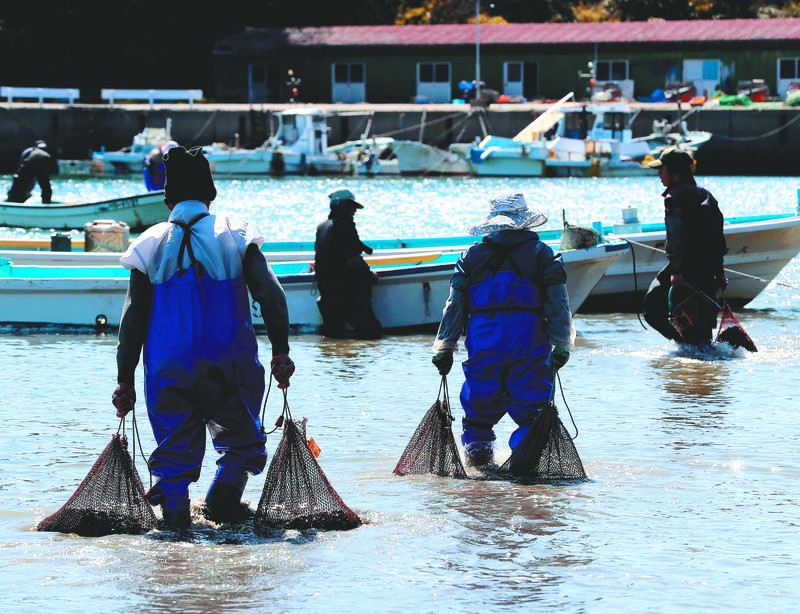
I once thought the word Oasari just meant clams that are big, but they are actually a different type known as uchimurasaki, or purple butter clams.
According to Yukinobu Suzuki of the Suzuya eatery near the eastern port ferry, "they're called that because the inside of their shells are purple."
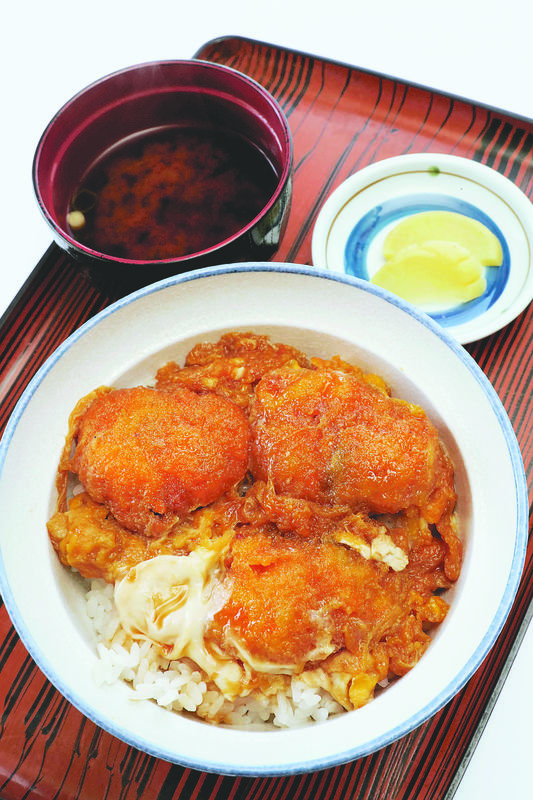
One of the specialty dishes of Sakushima island is Oasari don, or rice topped with fried purple butter clams and egg.
It's now served at numerous eateries on the island, but the dish was first conceived by Suzuki's father, Motokazu, Suzuya's previous operator.
"Island guesthouses served fried purple butter clams harvested around the island for a long time," Suzuki said. "We put that on rice."
Customers can enjoy the thick, salty-sweet homemade sauce typical of Aichi Prefecture, and the firmness of the clams. Almost all tourists are said to order a dish. Oval squid sashimi and roasted purple butter clams are also said to be popular at Suzuya.
Read more from The Japan News at https://japannews.yomiuri.co.jp/